

If you hear loud banging, clanging, or shuddering noises every time you close a tap, flush a toilet, or your washing machine shuts off, you are likely dealing with water hammer pipes. This hydraulic shock is more than an annoying sound—it signals pressure surges inside your plumbing that can loosen joints, stress fittings, and damage appliances over time. Many Sydney homeowners dismiss the noise as a quirk of older plumbing, but uncontrolled water hammer can shorten the life of your pipes, pumps, and hot water systems.
In this guide, we explain what water hammer is, why it happens in homes with water tanks, dispensers, and pumps, and walk you through proven strategies to prevent and fix it. You will learn when a simple adjustment works and when professional diagnosis is the smarter choice.
Key Takeaways
- Water hammer is a pressure surge caused by abrupt changes in water flow, often reaching up to 10 times normal pressure.
- Common triggers include quick-closing valves, trapped air, unsecured pipes, and sudden pump shutdowns.
- Left unchecked, water hammer can loosen pipe supports, crack fittings, and damage appliances.
- Effective fixes include installing arrestors, securing loose pipes, adjusting water pressure, and using slow-closing valves.
- Professional inspection ensures compliance with Australian Standards and identifies hidden issues like worn valve seats or undersized piping.
Water hammer poses real risks to your plumbing system, so understanding the root cause is the first step toward a quieter, safer home. your plumbing system, so understanding the root cause is the first step toward a quieter, safer home.
What Is Water Hammer in Pipes and Why Does It Happen
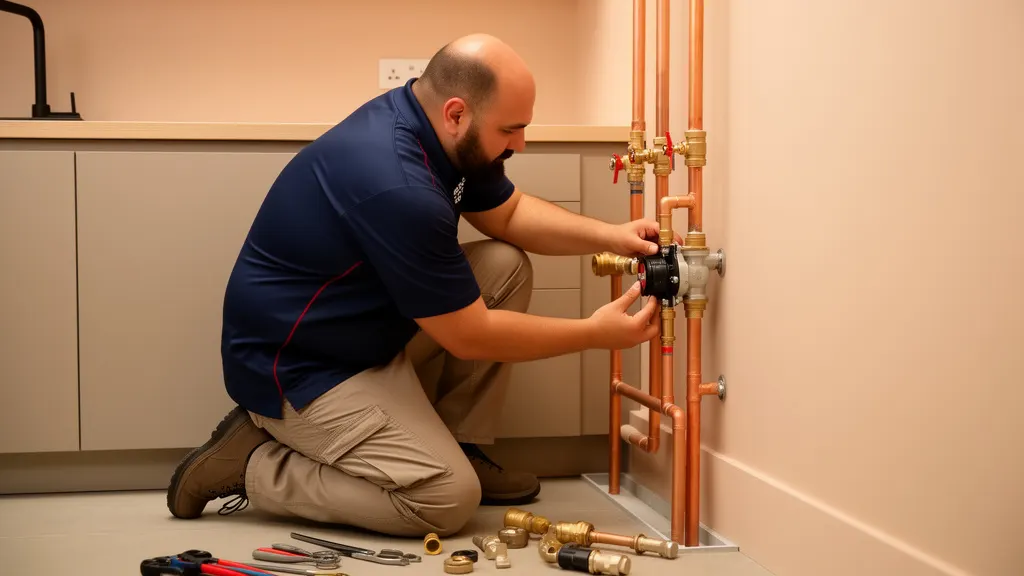
Water hammer, also known as hydraulic shock, occurs when moving water in a pipe is forced to stop or change direction suddenly. The momentum of that flowing water creates a shockwave that travels back through the system, producing a loud bang or series of thuds. Pressure spikes during water hammer events can reach eight to ten times your normal working pressure, placing enormous stress on joints, valves, and fittings.
In domestic plumbing, the most common cause is a fast-acting valve that closes in a fraction of a second. Solenoid valves on washing machines, dishwashers, and some modern toilets shut off water flow almost instantly, converting kinetic energy into a pressure wave. Float valves in water tanks and dispensers can oscillate rapidly as the tank fills, sending repeated pulses down connected pipes.
Other contributing factors include trapped air pockets that compress and release suddenly, vertical pipe runs on water pumps that amplify pressure changes, and loose or poorly secured pipes that rattle against framing when the shockwave hits. Worn stop valves with damaged washers can also vibrate under flow, adding to the noise and instability.
| Trigger | How It Causes Water Hammer | Common Location |
|---|---|---|
| Quick-closing valve | Stops flow instantly, creating shockwave | Washing machine, dishwasher, toilet fill valve |
| Trapped air | Compresses and releases abruptly | Newly filled or drained pipes, high points in system |
| Loose pipes | Amplify vibration and bang against structure | Wall cavities, ceiling spaces, under sinks |
| Pump shutdown | Sudden stop of high-velocity flow | Pressure pump, bore pump, tank booster |
| Oscillating float valve | Rapid open-close cycles send pulses | Toilet cistern, roof tank, water dispenser reservoir |
Understanding these triggers helps you pinpoint where the problem originates and choose the right fix.
How Water Hammer Pipes Damage Your Plumbing System
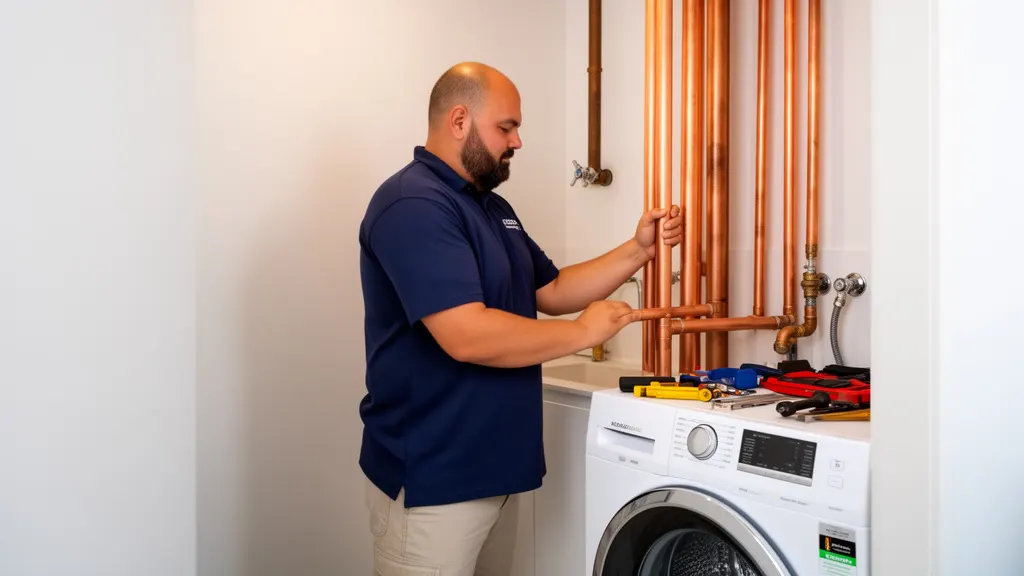
be costly. Each pressure spike stresses every component in the line, from the valve seat to the last joint. Over weeks and months, repeated shocks loosen threaded connections, crack solder joints, and fatigue flexible hoses.
Unsecured pipes can shift inside wall cavities, wearing through insulation or rubbing against timber frames until a small leak appears. Pumps and hot water systems are especially vulnerable because their internal seals and diaphragms are not designed to handle sudden pressure reversals. In larger systems, uncontrolled water hammer has been known to crack cast-iron fittings and split copper elbows at stress points.
Beyond the physical damage, water hammer accelerates wear on valve components. A solenoid valve that slams shut hundreds of times per week will fail sooner than one operating under stable pressure. The same applies to pressure-reducing valves, check valves, and tempering valves in hot water lines. Replacing these components is far more expensive than installing a simple arrestor or securing a loose pipe.
If you notice damp patches on ceilings, unexplained drops in water pressure, or a sudden increase in your water usage charges, water hammer may have already caused a hidden leak. Early intervention protects your investment and avoids emergency repairs.
Common Sources of Water Hammer in Sydney Homes
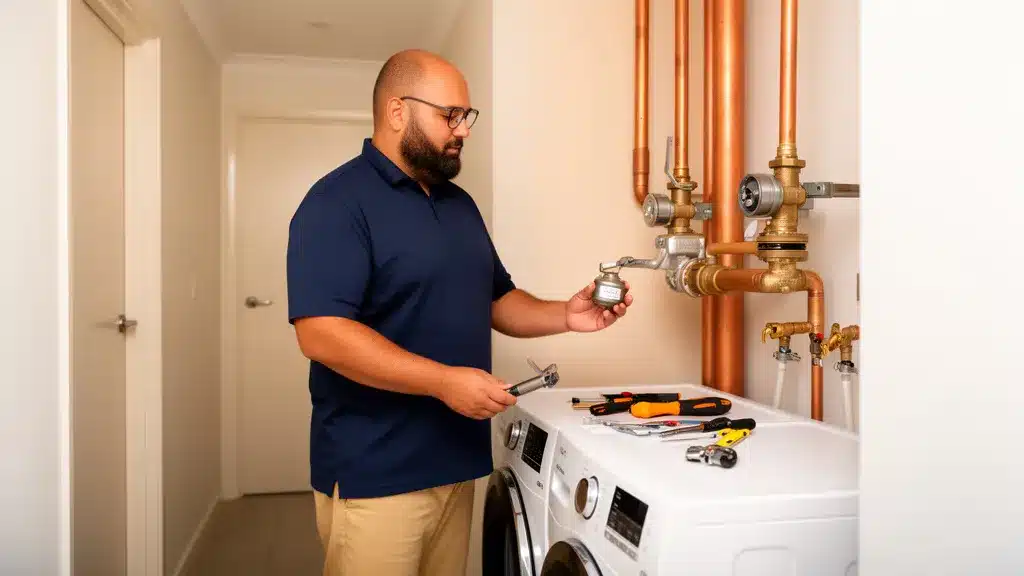
Sydney properties present unique conditions that make water hammer more likely. Many older homes in the Inner West and Eastern Suburbs still have galvanised steel or early copper plumbing with minimal pipe restraint. When these systems are retrofitted with modern quick-closing appliances, the mismatch between old piping and new valves creates the perfect environment for hydraulic shock.
Homes with roof-mounted water tanks or underfloor storage tanks often experience water hammer at the tank inlet. As the float valve nears the shutoff point, small waves in the tank can cause the valve to flutter, sending rapid pulses down the supply line. Water dispensers and refrigerator ice makers use miniature solenoid valves that close in milliseconds, generating sharp pressure spikes in the narrow tubing that feeds them.
Pressure pumps and bore pumps are another frequent source. If the pump controller lacks a soft-stop or delay feature, the motor cuts out abruptly, leaving a column of fast-moving water with nowhere to go. Vertical pipe runs from the pump to the house amplify the effect because the water column has more mass and momentum.
High mains pressure is common across parts of the North Shore and Hills District, where supply pressure can exceed 500 kPa. When combined with quick-closing valves, this elevated pressure magnifies the intensity of each water hammer event. A pressure-reducing valve set to 500 kPa or below is a sensible first step, but it will not eliminate water hammer on its own if the root cause is valve speed or unsecured pipes.
Proven Fixes for Water Hammer Pipes
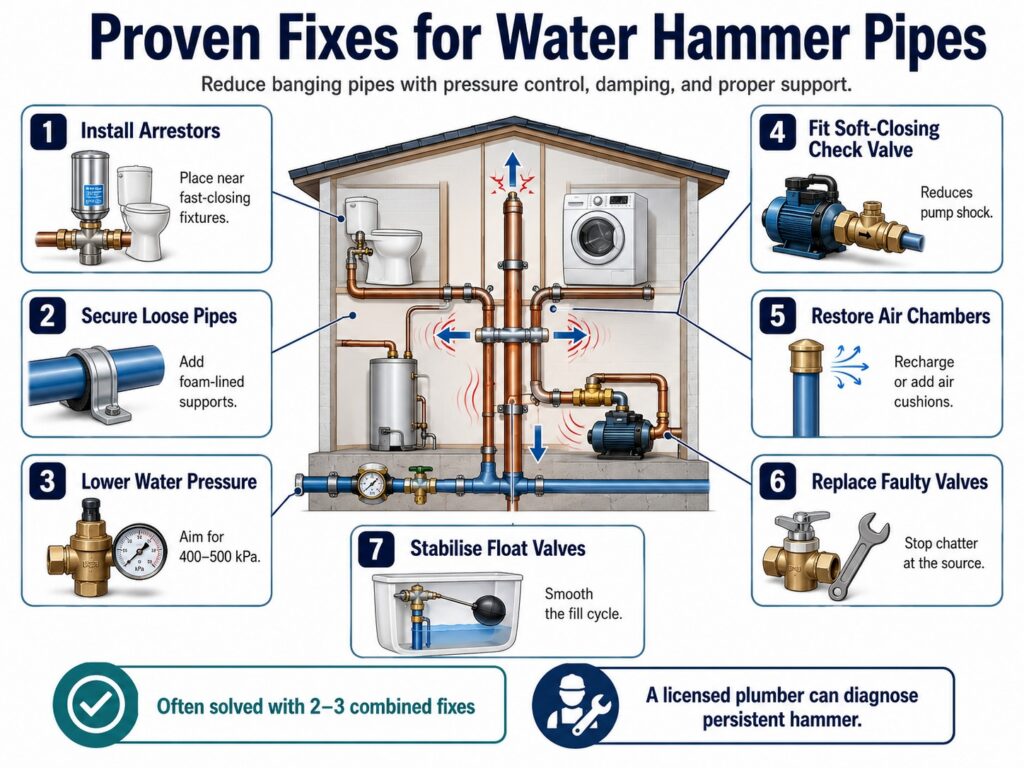
Addressing water hammer requires a combination of pressure management, mechanical damping, and secure pipe installation. The right solution depends on where the noise originates and how your system is configured. Below are the most effective strategies, each targeting a specific cause.
1. Install Water Hammer Arrestors Near Fast-Acting Fixtures
A water hammer arrestor is a short sealed chamber containing a cushion of air or gas separated from the water by a piston or diaphragm. When a valve closes suddenly, the pressure wave compresses the air cushion instead of slamming into a dead end. Arrestors are compact, maintenance-free, and can be installed on hot and cold lines behind washing machines, dishwashers, and toilets. For best results, mount the arrestor as close as possible to the valve that causes the noise.
2. Secure Loose Pipes With Proper Brackets and Clamps
Pipes that are inadequately secured will rattle and bang when a pressure wave passes through. Australian Standard AS/NZS 3500 specifies maximum spacing for pipe clips based on pipe diameter and material. Copper pipes typically require support every 1.2 to 1.8 metres on horizontal runs and every 1.8 to 2.4 metres on vertical runs. Adding foam-lined clips or rubber-insulated clamps reduces vibration and prevents metal-on-metal contact that amplifies noise.
3. Reduce Mains Water Pressure to a Safe Range
Excessive supply pressure increases the severity of water hammer. Installing or adjusting a pressure-limiting valve at your water meter or main shutoff brings pressure down to 400–500 kPa, which is adequate for all household fixtures and gentler on the entire system. Lower pressure also extends the life of tap washers, mixer cartridges, and appliance hoses.
4. Fit Slow-Closing or Check Valves on Pump Outlets
If your water pump is the source of the bang, a spring-loaded check valve or slow-closing non-return valve on the outlet can absorb the shock when the pump stops. Some modern pump controllers include a soft-stop feature that ramps down motor speed over a second or two, preventing abrupt flow changes. Pairing a soft-stop controller with a check valve provides double protection.
5. Restore or Add Air Chambers in the Plumbing System
Older plumbing often included short vertical stub pipes capped at the top, creating an air pocket that cushioned pressure surges. Over time, these air chambers can fill with water and lose effectiveness. Draining the system by closing the main valve and opening all taps allows air to re-enter the chambers. If your home lacks air chambers, a plumber can install capped tees at strategic points to replicate the effect.
6. Replace Worn or Faulty Valves That Vibrate
A stop valve or mixer with a damaged washer or loose spindle can chatter under flow, creating noise that mimics water hammer. Replacing the valve or servicing the cartridge eliminates the vibration at its source. This is especially common in older quarter-turn ball valves and ceramic disc mixers that have seen heavy use.
7. Stabilise Float Valves in Water Tanks and Cisterns
Float valves that oscillate as the water level rises send repeated pulses into the supply line. Adjusting the float arm to reduce sensitivity, replacing a worn valve seat, or fitting a float stabiliser can smooth out the fill cycle. In roof tanks, ensuring the inlet pipe is adequately supported prevents the pipe itself from vibrating and amplifying the noise.
Each of these fixes addresses a specific aspect of water hammer, and in many cases a combination of two or three measures delivers the best result. If you are unsure which approach suits your situation, a licensed plumber in Glossodia can assess your system and recommend the most cost-effective solution.
When to Call a Professional Plumber for Water Hammer
Some water hammer problems are straightforward and can be resolved with a few pipe clips or an arrestor from the hardware store. Others require diagnostic tools, access to concealed pipework, and knowledge of pressure dynamics that only a qualified plumber can provide. Knowing when to call for help saves time, money, and prevents further damage.
If the banging persists after you have secured visible pipes and checked water pressure, the issue may lie in buried or concealed sections of the system. Acoustic leak detection and pressure testing can identify loose pipe runs inside walls or under slabs without demolition. If the noise coincides with pump operation, the controller settings, check valve condition, and pipe sizing all need professional evaluation.
Water hammer that appears suddenly after new appliance installation often points to incorrect valve selection or inadequate pressure regulation. A plumber will verify that hose connections are secure, supply lines are the correct diameter, and any inline filters are not restricting flow. They can also confirm that the appliance valve closes at an acceptable speed and recommend an arrestor if needed.
Homes with multiple sources of noise, fluctuating pressure, or visible signs of leakage require a systematic inspection. We use pressure gauges, flow meters, and visual checks to map your plumbing and pinpoint every contributing factor. Our team then presents clear options—repair, replace, or upgrade—with upfront pricing so you can make an informed decision.
For properties with water tanks, bore pumps, or complex multi-storey plumbing, compliance with AS/NZS 3500 is not optional, and any alteration affecting your metered supply must also meet Sydney Water’s plumbing and backflow prevention requirements. Professional installation ensures that arrestors, pressure valves, and pipe supports meet the standard and that your system remains safe and reliable for years to come.
How Antons Plumbing & Gas Diagnoses and Fixes Water Hammer
When you contact us about banging pipes or pressure surges, we start with a thorough on-site assessment. Our plumbers listen to the noise, note when it occurs, and trace the affected pipe runs to identify loose sections, missing supports, or undersized components. We measure your mains pressure and check pump operation to confirm whether pressure reduction or valve upgrades are needed.
If the source is not immediately obvious, we use acoustic equipment to detect vibration points inside walls and ceilings. This non-invasive approach pinpoints problem areas without cutting into your home. Once we have identified every contributing factor, we explain the findings in plain English and outline your options—whether that means installing arrestors, re-securing pipes, adjusting your pressure valve, or replacing a faulty pump controller.
All work is carried out to Australian Standards, using quality arrestors, clamps, and fittings from trusted suppliers. We secure pipes at the correct intervals, test pressure levels after installation, and verify that the noise has been eliminated before we leave. Every repair is backed by our lifetime labour warranty, so you can be confident the fix will last.
We serve the entire Sydney Metro—Inner West, Eastern Suburbs, North Shore, Northern Beaches, Hills District, Western and South-Western Sydney, and Sutherland Shire. Same-day service is available for urgent issues, and our 24/7 emergency line on 0493 824 176 means help is always within reach. From 7 am to 3 pm on weekdays, we charge no call-out fee, and all pricing is fixed and agreed before work begins.
Our licensing under NSW Fair Trading (Lic: 210933C) and adherence to AS/NZS 3500 plumbing standards ensure that every job meets legal and safety requirements. We document our findings, provide compliance records where needed, and leave your property clean and tidy.
Preventing Water Hammer in New Installations and Renovations
If you are renovating a bathroom, upgrading your hot water system, or installing a new water tank or pump, planning for water hammer from the outset is far easier and less expensive than retrofitting solutions later. Speak with your plumber during the design phase about pipe routes, support spacing, and the placement of arrestors near high-demand fixtures.
Choose appliances and valves with slower closing mechanisms when possible. Some modern washing machines and dishwashers include built-in flow ramp-down features that reduce the intensity of water hammer. Float valves with adjustable closing speeds are available for toilet cisterns and water tanks, and they can make a noticeable difference in homes with high supply pressure.
Ensure that your pressure-reducing valve is correctly sized and set. A valve that is too small will restrict flow and cause pressure drops during peak demand, while one set too high will allow excessive pressure spikes. Your plumber can calculate the correct setting based on your fixture count, pipe diameter, and typical usage patterns.
Include arrestors in the rough-in stage for washing machine outlets, dishwasher taps, and any other quick-closing valve. Mounting them inside the wall cavity keeps them out of sight and places them exactly where they are needed. If your system includes a water pump, specify a soft-stop controller and a spring-loaded check valve on the outlet to manage shutdown surges.
Proper pipe support is non-negotiable. Follow the spacing guidelines in AS/NZS 3500, use foam-lined clips on copper and PEX, and avoid rigid metal-on-metal contact that transmits vibration. In multi-storey homes, consider installing expansion loops or flexible connectors at floor penetrations to absorb movement and reduce noise transmission between levels.
Water Hammer in Water Tanks, Dispensers, and Pumps
Homes and businesses that rely on stored water face additional challenges. Roof tanks, underground storage tanks, and rainwater harvesting systems all use float valves or level switches that can trigger water hammer if not correctly configured. The key is to control the rate of valve closure and ensure that the inlet pipe is securely supported.
Float valves in large tanks can be fitted with dampers or adjustable arms that slow the final closure. Some modern valves include built-in hydraulic cushioning that prevents the valve from slamming shut. If your tank is fed by a pump, a pressure switch with adjustable cut-in and cut-out settings can smooth the start-stop cycle and reduce shock.
Water dispensers and refrigerator ice makers use miniature solenoid valves that operate on low-voltage signals. These valves close in milliseconds, making them a common source of sharp bangs in kitchen plumbing. Installing a compact arrestor on the supply line to the dispenser absorbs the shock and protects both the valve and the upstream pipes.
Bore pumps and pressure pumps require careful attention to pipe sizing and valve placement. An undersized discharge line forces water to travel at high velocity, magnifying the impact when the pump stops. A correctly sized check valve on the pump outlet prevents backflow and cushions the pressure wave. Pairing the check valve with an arrestor or air chamber on the discharge line provides additional protection.
If your pump cycles on and off frequently, the repeated shocks can fatigue fittings and shorten pump life. Adjusting the pressure switch differential, adding a larger pressure tank, or installing a variable-speed drive can reduce cycling frequency and eliminate the associated noise.
Protect Your Plumbing With Expert Water Hammer Solutions
Water hammer pipes are a clear signal that your plumbing system is under stress. Ignoring the noise invites leaks, appliance failure, and costly repairs down the track. Whether you need a simple arrestor fitted, a full pressure audit, or a pump controller upgrade, our team is ready to deliver a solution that works. Call 0493 824 176 or book online for same-day service across Sydney Metro—no call-out fee from 7 am to 3 pm weekdays. Let us restore quiet, safe, and compliant plumbing to your home.
Antons Plumbing & Gas fixes water hammer and noisy pipes across Sydney Metro with expert pipe repairs and diagnostics. Our licensed team diagnoses the root cause and installs lasting solutions. Get started with same-day service today.
Related Articles
- Toy Flushed Down Toilet? What to Do Before It Becomes a Bigger Blockage
- Water Heater Leaking Rusty Water From Top? A Hot Water Specialist Explains Why
- Water Heater Anode Rod Replacement: When Your Hot Water System Needs Attention
FAQs
Why Do My Pipes Make a Banging Noise?
Your pipes may bang when flowing water suddenly stops or changes direction, creating a pressure shock known as water hammer. Fast-closing taps, appliance valves, excessive water pressure or unsecured pipes can all contribute to the problem. Our experienced team at Anton’s Plumbing & Gas can inspect your plumbing, identify the exact cause and recommend the appropriate repair.
How Can I Stop Water Hammer in My Plumbing?
Water hammer may be resolved by installing hammer arrestors, adjusting the property’s water pressure, replacing faulty valves or securing loose pipework. Because the correct solution depends on what is causing the pressure surge, it is best to have the system properly tested. Anton’s Plumbing & Gas can diagnose the issue and complete a suitable repair to help restore quieter, more reliable plumbing.
Should I Be Worried About Water Hammer?
Water hammer is not always an immediate emergency, but repeated pressure shocks can place unnecessary strain on pipes, joints, valves and connected appliances. Leaving the problem unresolved may eventually contribute to leaks or damaged fittings. Anton’s Plumbing & Gas can assess the severity of the issue and carry out repairs before further damage develops.
Can the Banging in My Pipes Cause Damage?
Yes, repeated banging can weaken pipe joints and fittings over time, potentially leading to leaks, loose connections or burst pipes. The safest solution is to identify whether the problem is caused by high pressure, fast-closing valves or unsecured pipework. Anton’s Plumbing & Gas can inspect your system and provide the appropriate repair to help protect your pipes.
How Can I Prevent Water Hammer From Coming Back?
You can reduce the risk of water hammer by maintaining suitable water pressure, securing loose pipes and installing correctly positioned water hammer arrestors or pressure-control devices. Existing valves and appliances should also be checked for sudden shut-off problems. Anton’s Plumbing & Gas can assess your system and recommend preventive measures suited to your property.
Can I Get a Same-Day Water Hammer Repair in Sydney?
Yes, same-day appointments may be available across Sydney Metro for water hammer, vibrating pipes and loud banging noises. Anton’s Plumbing & Gas also offers no call-out fee for eligible appointments between 7 am and 3 pm on weekdays, subject to terms and availability. Call 0493 824 176 to arrange an inspection.
How Do I Know the Plumber Fixing My Water Hammer Is Licensed?
Before booking, you should confirm that the plumber holds a current NSW contractor licence and is qualified to work on water supply systems. Anton’s Plumbing & Gas holds NSW Contractor Licence 210933C and completes plumbing repairs with reference to applicable requirements, including AS/NZS 3500.
How Much Will It Cost to Fix My Water Hammer?
The cost depends on the cause of the problem, the accessibility of the pipes and whether the repair requires pressure adjustment, valve replacement, pipe securing or water hammer arrestors. Anton’s Plumbing & Gas can inspect your plumbing and provide a fixed, upfront price before approved work begins, so you understand the cost before committing.
Will I Be Charged a Call-Out Fee for Banging Pipes?
Anton’s Plumbing & Gas offers a $0 call-out fee for eligible inspections completed between 7 am and 3 pm on weekdays across Sydney Metro, subject to terms and conditions. The plumber can inspect the banging pipes, explain the likely cause and provide an upfront repair price before starting the work.
Can I Book a Water Hammer Plumber in My Sydney Suburb?
Anton’s Plumbing & Gas provides water hammer inspections and repairs throughout Sydney Metro, including the Inner West, Eastern Suburbs, North Shore, Northern Beaches, Hills District, Western Sydney, South-Western Sydney and Sutherland Shire. Call 0493 824 176 with your suburb and a description of the noise to confirm service availability.
Can You Fix Water Hammer in My Apartment or Strata Building?
Yes, water hammer can occur inside an individual apartment or within shared building pipework. Anton’s Plumbing & Gas can investigate accessible valves, pressure levels and supply lines while coordinating with owners, tenants, strata managers or building representatives where shared access is required.
Will a Water Hammer Repair Keep My Plumbing Compliant?
Water hammer repairs may involve changes to pressure-control valves, pipe supports, fittings or other parts of the water supply system. Anton’s Plumbing & Gas can assess the required work and complete approved repairs with reference to relevant plumbing requirements, including AS/NZS 3500 and applicable Sydney Water conditions.
Can I Fix Water Hammer Myself?
You may be able to check whether an exposed pipe is visibly loose, but pressure adjustments, valve replacements and alterations to the water supply should be handled by a licensed plumber. Incorrect repairs can make the pressure problem worse or cause leaks. Anton’s Plumbing & Gas, NSW Contractor Licence 210933C, can safely diagnose the cause and provide the correct solution.
How Soon Can Someone Inspect My Loud Banging Pipes?
Same-day attendance may be available across Sydney, depending on your location and the current booking schedule. For severe banging, leaking pipes or an urgent pressure-related issue, contact Anton’s Plumbing & Gas on 0493 824 176 to discuss the symptoms and request priority assistance.
What Will the Plumber Check During My Water Hammer Inspection?
Our skilled plumbers may test the property’s water pressure, operate taps and appliance valves, inspect accessible pipework and check for loose supports or faulty pressure-control components. Where necessary, further diagnostic methods may be used to locate concealed vibration. Anton’s Plumbing & Gas will explain the cause and provide suitable repair options before proceeding.
Will My Water Hammer Repair Come With a Warranty?
Anton’s Plumbing & Gas backs its completed repair work with a lifetime labour warranty, subject to the applicable warranty terms. The team can explain what is covered before starting and provide documentation for the work completed at your property.
Can Water Hammer Affect My Hot Water System?
Repeated pressure surges may place additional strain on hot water valves, fittings and internal components. Addressing the problem early can help reduce the risk of damage and may support future warranty discussions with the manufacturer. Anton’s Plumbing & Gas can inspect both the pipework and the connected hot water system to identify the appropriate repair.
Will My Home Insurance Cover Water Hammer Damage?
Insurance coverage depends on your policy, the cause of the damage and whether the insurer considers it sudden or related to ongoing maintenance. You should contact your insurer directly before making a claim. Anton’s Plumbing & Gas can inspect the problem and provide an invoice or report of completed work where documentation is required.
How Can I Book Someone to Fix My Water Hammer?
Call Anton’s Plumbing & Gas on 0493 824 176 or submit an online booking request with details about when the banging occurs, which fixtures are affected and whether you have noticed leaks or pressure changes. Our qualified team in Huntleys Point can confirm appointment availability and provide an upfront price before approved repairs begin.
How Can I Pay for My Water Hammer Repair?
Anton’s Plumbing & Gas will explain the proposed repair and agree on the price before work begins. Ask the booking team about the payment methods currently available for your appointment when you call 0493 824 176.