

Hair clogs are one of the most frustrating plumbing problems Sydney homeowners face. Whether it’s your bathroom sink draining slowly or your kitchen sink backing up after someone washed their hair in it, hair buildup creates stubborn blockages that disrupt daily routines. The good news is that many hair clogs can be cleared with simple, safe methods you already have at home.
This guide walks you through proven techniques on how to unclog sink hair, explains how to prevent future blockages, and clarifies when it’s time to call a licensed plumber. You’ll learn DIY methods, understand why hair clogs form, and discover how our team at Antons Plumbing & Gas (NSW Lic. 210933C) can help when the clog won’t budge.
Key Takeaways
- Hair combines with soap scum and oils to form tough clogs that restrict water flow in bathroom and kitchen sinks.
- Boiling water, baking soda and vinegar, and manual tools like drain snakes can remove many hair blockages safely.
- Installing a hair catcher and flushing drains weekly with hot water helps prevent clogs from forming.
- Persistent or recurring clogs may signal deeper pipe issues that require CCTV inspection and professional clearing.
- Licensed plumbers use high-pressure jetting and camera diagnostics to clear stubborn blockages and identify root causes.
- In NSW, anything beyond basic clearing of your own sink waste falls under NSW Fair Trading licensing rules, so pipe repairs and alterations must be done by a licensed plumber.
Why Hair Clogs Form in Sinks
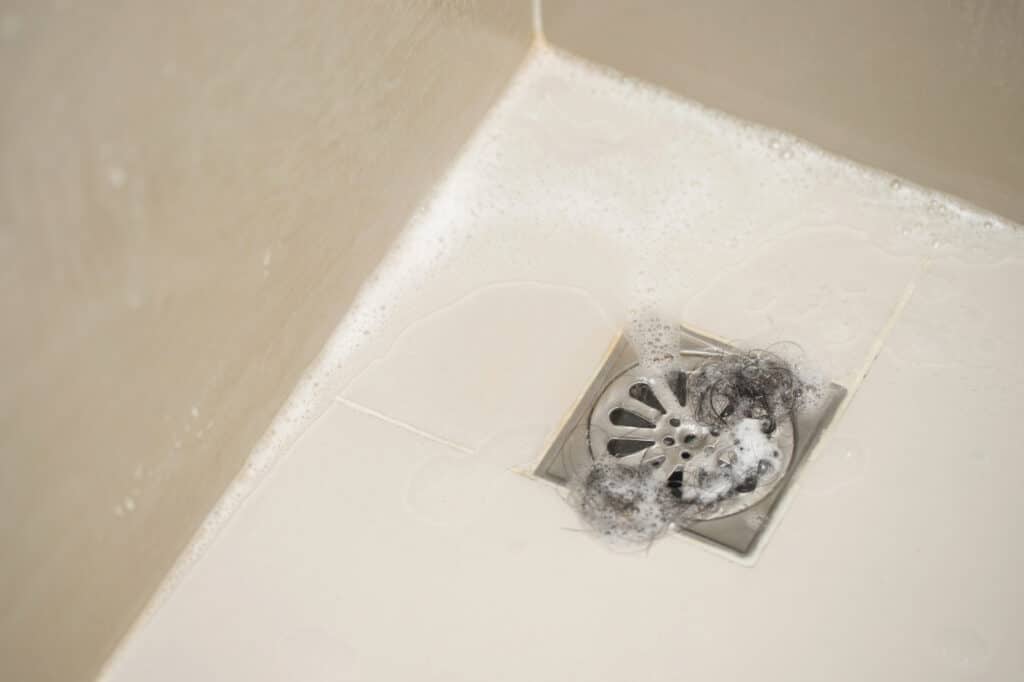
Hair doesn’t travel down your drain alone. It binds with soap residue, body oils, and mineral deposits from Sydney’s hard water to create a sticky mass that clings to pipe walls. Over time, this mass grows larger, trapping more debris and slowing water flow until the sink won’t drain at all.
Bathroom sinks are the most common culprits because people rinse loose hair after brushing or styling. Kitchen sinks can also suffer hair clogs when someone washes their hair over the basin or when pet grooming happens nearby. The U-bend trap beneath your sink is designed to catch debris, but it also becomes the first place hair accumulates.
In older Sydney homes with galvanised or clay pipes, rough interior surfaces make it easier for hair to snag and build up. Even modern PVC pipes aren’t immune—any bend or joint can become a collection point. Understanding where and why clogs form helps you choose the right clearing method.
Under NSW Fair Trading regulations, you’re free to clear a simple hair clog in your own basin waste, but any repair, relining, or alteration to the fixed sanitary plumbing connected to the Sydney Water network must be carried out by a licensed plumber. If you’re ever unsure where the boundary sits, a quick call to a licensed Sydney plumber will save you a compliance headache later.
How to Unclog Sink Hair: Effective Techniques That Actually Work
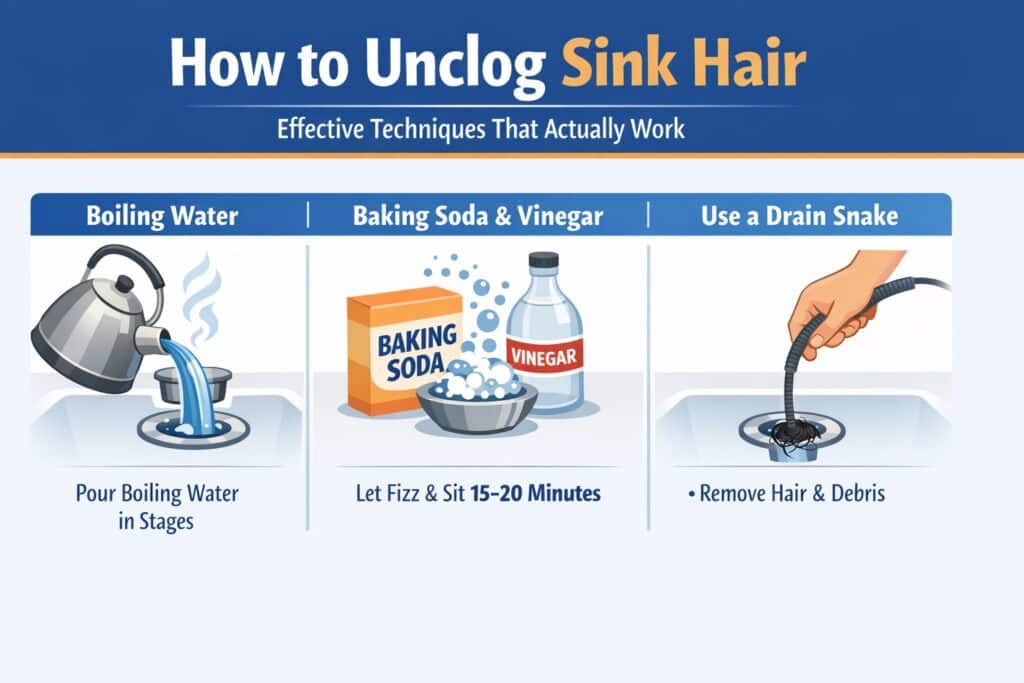
Hair clogs usually form when loose strands combine with soap scum, oils, and everyday debris inside the drain. Over time, this buildup slows water flow and can eventually block the sink completely. Knowing how to unclog sink hair using safe and practical methods can help restore proper drainage before the problem gets worse.
How to Unclog Sink Hair With Boiling Water
Boiling water is often the easiest first method to try for a minor hair clog. The heat helps loosen the soap residue and oily buildup that bind hair together inside the drain, making it easier for the blockage to move through the pipe.
Start by boiling a full kettle of water and removing any standing water from the sink so the hot water can reach the clog directly. Pour the water slowly into the drain in two or three stages, allowing a few seconds between each pour so the heat can work on the buildup. If the water begins draining more freely, repeat the process once or twice more.
This method works best for partial clogs, but if you have older or weakened PVC pipes, very hot tap water may be a safer option.
Using Baking Soda and Vinegar to Loosen Hair Buildup
If hot water alone does not solve the issue, baking soda and vinegar can provide a gentle and non-toxic alternative. This combination creates a fizzing reaction that helps break down hair, soap scum, and other organic matter without the harsh effects of chemical cleaners.
Begin by clearing away standing water, then pour half a cup of baking soda directly into the drain. Follow it with one cup of white vinegar and immediately cover the drain with a plug or damp cloth to keep the reaction concentrated inside the pipe. Let the mixture sit for about 15 to 20 minutes so it can loosen the blockage. Afterward, flush the drain with hot water for at least two minutes.
If the clog remains, you can repeat the process or move on to a manual removal method.
How to Unclog Sink Hair With a Snake or Zip-It Tool
When the clog is too stubborn for flushing methods, manual removal is usually the most effective solution. A drain snake or Zip-It tool can reach deeper into the pipe and physically pull out the tangled hair causing the blockage.
To begin, remove the sink stopper or pop-up assembly so you can access the drain opening more easily. Insert the tool slowly into the drain while twisting it gently to work around bends in the pipe. Once you feel resistance, continue twisting and pulling carefully to hook the clog. When you remove the tool, you will likely bring out a clump of hair and debris, which should be thrown into the bin rather than rinsed back into the drain.
Finish by flushing the sink with hot water to wash away any remaining residue. If the blockage is too far down for the tool to reach, professional help may be needed.
Learning how to unclog sink hair is useful for dealing with common bathroom or vanity drain problems before they become more serious. Starting with simple flushing methods and moving to manual removal gives you a practical step-by-step way to tackle different levels of buildup. With regular cleaning and quick action, you can keep your sink draining properly and reduce the chances of future hair clogs.
When Chemical Drain Cleaners Are Not the Answer

Many people reach for chemical drain cleaners when DIY methods fail. While these products can dissolve hair, they come with serious downsides. The active ingredients—usually sodium hydroxide or sulfuric acid—generate heat and can damage older pipes, especially if used repeatedly. They also pose health risks if splashed on skin or inhaled.
Chemical cleaners often provide only temporary relief. They may clear a surface layer of the clog but leave buildup deeper in the pipe, leading to recurring blockages. In Sydney’s older homes with galvanised or clay pipes, the corrosive action can weaken joints and accelerate pipe failure.
If you’ve tried boiling water, baking soda and vinegar, and a drain snake without success, it’s time to call a licensed plumber rather than pour more chemicals down the drain. Our team uses high-pressure water jetting to clear blockages safely and completely, without the risks of chemical damage or repeat clogs.
Preventing Hair Clogs: Simple Steps That Work
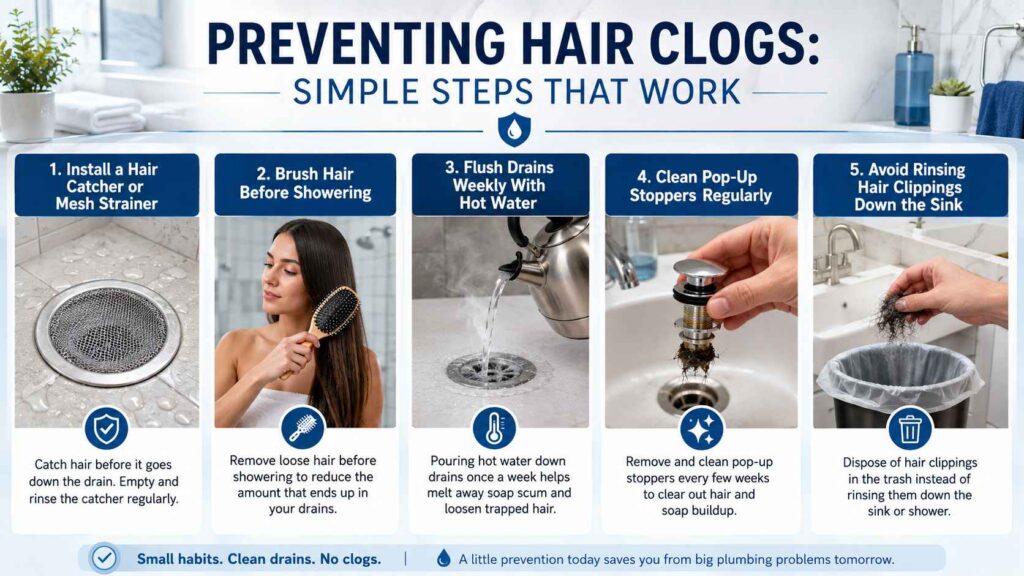
Preventing hair clogs is much easier than dealing with a blocked sink after the problem has already built up. Small daily habits can reduce the amount of hair and debris that enters your drain and help your plumbing stay clear for longer. Most of these prevention methods are simple, affordable, and only take a few seconds to do.
Install a Hair Catcher or Mesh Strainer
Place a fine mesh strainer or silicone hair catcher over the sink drain to trap loose strands before they enter the pipe. Empty it into the bin after each use so hair does not collect and wash through later.
Brush Hair Before Showering
Brushing your hair before showering helps remove loose strands that would otherwise fall into the drain. This quick habit can significantly reduce the amount of hair entering your plumbing system.
Flush Drains Weekly With Hot Water
Run very hot water down your bathroom and kitchen sink drains once a week for two to three minutes. This helps loosen soap scum, oils, and residue before they combine with hair and create a clog.
Clean Pop-Up Stoppers Regularly
Hair often wraps around the pop-up stopper mechanism in bathroom sinks and slowly builds up over time. Removing and cleaning the stopper every few weeks can stop debris from moving deeper into the drain.
Avoid Rinsing Hair Clippings Down the Sink
After trimming hair, shaving, or grooming pets, wipe up the clippings and throw them in the bin instead of rinsing them away. Even small amounts of hair can collect over time and contribute to stubborn sink blockages.
Taking simple preventive steps can save you from dealing with slow drains, unpleasant odours, and more difficult clogs later on. Consistent sink maintenance helps keep hair from building up in the first place and supports better drainage every day. By following these easy habits, you can reduce the chances of future blockages and keep your sink working properly.
Common Mistakes to Avoid When Unclogging Sink Hair
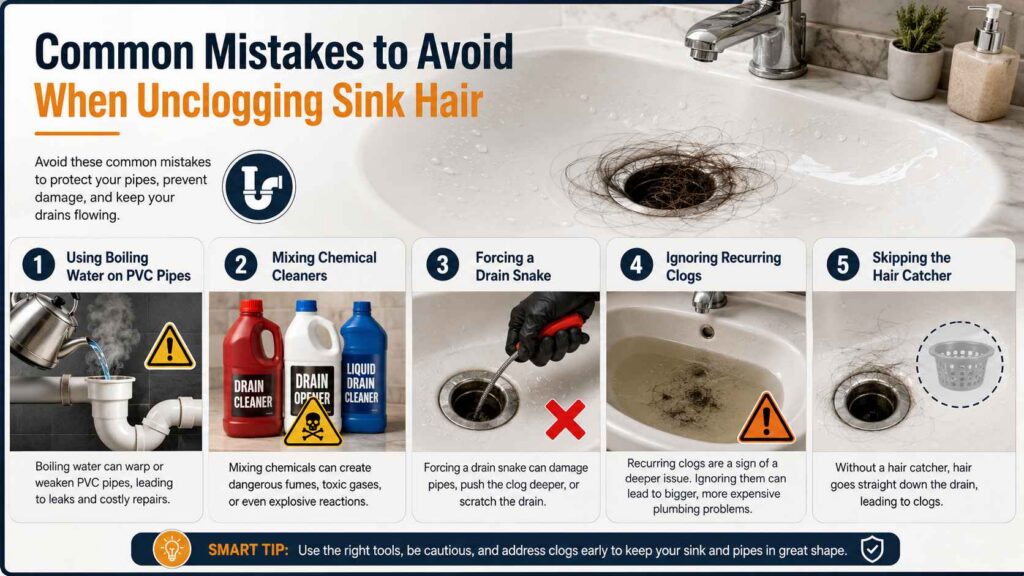
Trying to clear a hair clog yourself can be effective, but simple mistakes can make the problem worse. Using the wrong method, applying too much force, or ignoring early warning signs can lead to damaged pipes or repeated blockages. Understanding these common errors can help you unclog the sink more safely and avoid unnecessary repair costs.
- Using Boiling Water on PVC Pipes: Older or damaged PVC pipes can warp, soften, or crack when exposed to extreme heat. If you are unsure what type of pipe you have, use very hot tap water instead of boiling water.
- Mixing Chemical Cleaners: Never combine different drain cleaners or mix chemical products with baking soda and vinegar. These reactions can create toxic fumes, splashing, or dangerous pressure inside the pipe.
- Forcing a Drain Snake: If the snake stops moving, do not force it deeper into the drain. Pushing too hard can damage the pipe or compact the clog further, making it harder to remove.
- Ignoring Recurring Clogs: When the same sink keeps clogging, the issue may be deeper in the plumbing system. Repeated DIY clearing only treats the symptom, while a professional inspection can identify the actual cause.
- Skipping the Hair Catcher: Many people remove the clog but fail to install a simple strainer or hair catcher afterward. Without prevention, hair will build up again and the blockage will likely return.
Avoiding these mistakes can make sink clog removal safer, easier, and more effective. A careful approach not only helps protect your plumbing but also reduces the chance of turning a minor blockage into a larger issue. By using the right methods and adding simple preventive habits, you can keep your sink draining properly for longer.he right methods and adding simple preventive habits, you can keep your sink draining properly for longer.
Signs You Need Professional Drain Clearing
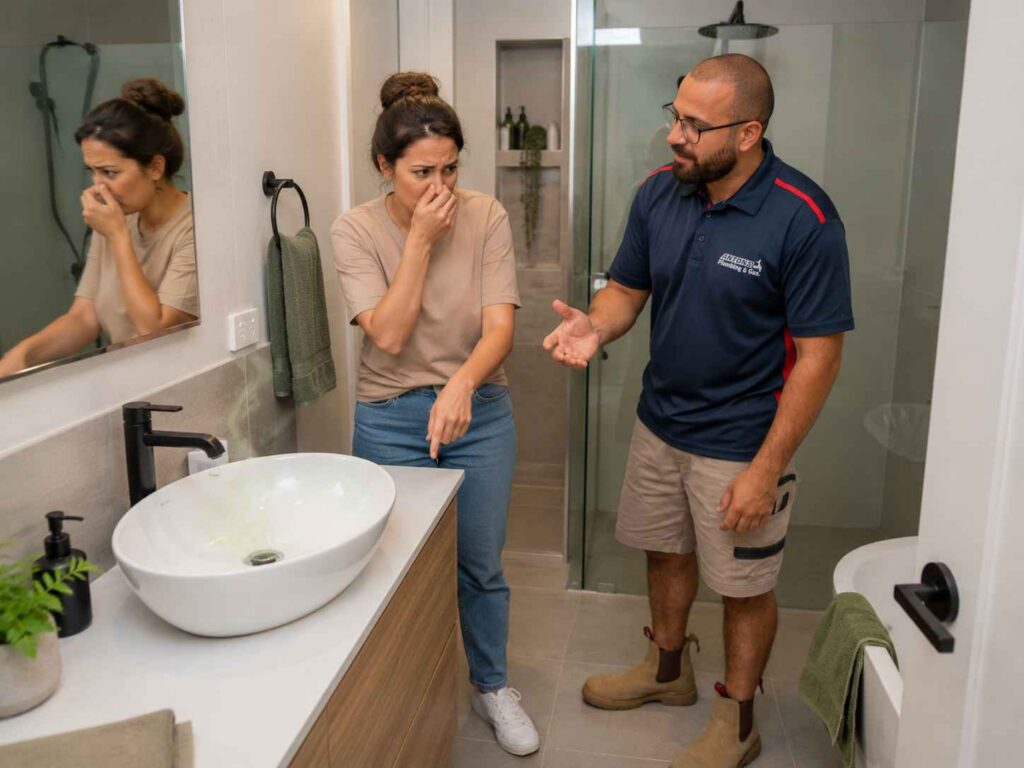
Some clogs are too deep, too large, or too complex for DIY methods. Recognising the signs early can save you from a bigger repair bill later. If you notice any of the following, it’s time to call a licensed plumber.
- Water Backs Up in Multiple Fixtures: If your sink, shower, and toilet all drain slowly or back up at once, the blockage is likely in your main sewer line, not just the sink trap. Pipework within your property boundary is your responsibility, while Sydney Water manages the network beyond it—either way, this requires professional diagnosis and clearing.
- Foul Odours From the Drain: Persistent bad smells suggest organic matter is decomposing in the pipe. Hair clogs can trap food, soap, and bacteria, creating a breeding ground for odour. A thorough professional clean is needed.
- Gurgling Sounds When Water Drains: Gurgling indicates air is trapped in the pipe, often due to a partial blockage. This can worsen quickly and lead to a complete backup.
- Recurring Clogs in the Same Sink: If you clear a clog and it returns within days or weeks, the root cause hasn’t been addressed. Tree roots, pipe damage, or buildup further down the line may be to blame.
- Slow Drainage After Multiple DIY Attempts: If you’ve tried boiling water, baking soda and vinegar, and a drain snake without improvement, the clog is beyond reach or too compacted for home tools.
Our team uses CCTV drain cameras to inspect pipes and identify the exact location and cause of blockages. We then clear the clog with high-pressure water jetting, which removes hair, grease, and scale buildup completely. Same-day service means we can assess and fix the problem fast, with no call-out fee from 7am to 3pm on weekdays.
How Our Team Clears Hair Clogs Safely and Completely
When DIY methods fail, our licensed plumbers bring the tools and expertise to clear even the toughest hair clogs. We start with a CCTV drain inspection to see exactly what’s blocking your pipe and where. This camera footage shows us whether the clog is hair, tree roots, grease, or a combination, and whether there’s any pipe damage.
Once we’ve identified the problem, we use high-pressure water jetting to blast away the blockage. This method is safe for all pipe types and removes buildup from the pipe walls, not just the centre. Unlike chemical cleaners, jetting doesn’t leave residue or weaken your pipes. It’s the most thorough clearing method available.
After the clog is cleared, we run the camera through again to confirm the pipe is clean and check for any cracks, root intrusion, or corrosion. If we find damage, we explain your options—repair, reline, or replace—with clear pricing in AUD and no pressure. Our work complies with AS/NZS 3500 plumbing standards, and we back it with a lifetime labour warranty.
When to Call Antons Plumbing & Gas

You don’t need a plumber for every slow drain. But when DIY methods fail or you suspect a deeper issue, calling a licensed professional saves time, money, and stress. Our team is available 24/7 for emergencies, and we offer same-day service with no call-out fee from 7am to 3pm on weekdays (excluding public holidays).
We serve the entire Sydney Metro—Inner West, Eastern Suburbs, North Shore, Northern Beaches, Hills District, Western and South-Western Sydney, and Sutherland Shire. Whether it’s a stubborn hair clog, a recurring blockage, or a full drain backup, we diagnose the root cause and fix it right the first time. Our work complies with NSW Fair Trading licensing (Lic: 210933C) and Australian Standards, and we back every job with a lifetime labour warranty.
Call 0493 824 176 or book online for a fast quote. We’ll arrive on time, assess the problem, explain your options in plain English, quote in AUD, and leave your home clean and compliant. No hidden fees, no jargon, no mess left behind.
Conclusion
Hair clogs are common, but they don’t have to disrupt your routine. Simple methods like boiling water, baking soda and vinegar, and manual snaking clear most blockages safely. When those fail, our licensed team provides CCTV inspection, high-pressure jetting, and lasting repairs backed by a lifetime warranty.
Antons Plumbing & Gas offers expert blocked drain solutions across Sydney with same-day service available. Our licensed team (NSW Lic. 210933C) uses CCTV inspections and proven techniques to clear stubborn hair clogs quickly. Contact us today to get started.
Related Articles
- How to Unclog Oil in Sink Quickly and Safely
- How to Drain a Kitchen Sink That Won’t Empty
- How to Fix a Floor Drain Clogged With Debris, Hair, or Grease
FAQs
What Is The Best Way To Unclog A Sink That Is Blocked With Hair?
The best way to unclog a sink with hair is to use a hair removal tool, like a drain snake or a bent wire hanger, to pull the hair out of the drain. If the blockage persists, our team at Antons Plumbing & Gas can provide professional assistance to ensure the issue is resolved efficiently and effectively.
How Do You Remove Hair From A Sink Drain Safely?
Start by removing the drain cover or stopper if you can, then pull out visible hair with a plastic drain tool, needle-nose pliers, or a bent wire hook. Avoid pushing the hair further down, as this can make the blockage harder to clear. If you cannot reach the clog or the sink keeps backing up, a plumber can remove the buildup without damaging the waste pipe.
Can Baking Soda And Vinegar Really Unclog A Sink?
Baking soda and vinegar may help loosen light buildup and reduce odours, but they are not always strong enough to remove a thick hair clog. Hair usually needs to be physically pulled out or cleared with the right drain tool. If the sink remains slow after trying this method, Antons Plumbing & Gas can inspect and clear the drain properly.
What Tools Do I Need To Unclog A Sink At Home?
Basic tools that may help include a plunger, plastic hair removal tool, drain snake, bent wire hook, bucket, and gloves. A plunger can shift soft blockages, while a drain tool is better for pulling out hair near the opening. If these tools do not work, the blockage may be deeper in the pipe and need professional equipment.
How Can I Prevent Hair From Clogging My Sink Again?
Use a drain strainer to catch hair before it enters the sink drain and clean it regularly. It also helps to avoid rinsing loose hair, shaving buildup, thick products, or debris down the basin. If the sink keeps clogging despite regular cleaning, Antons Plumbing & Gas can check whether the drain has buildup, poor flow, or another plumbing issue.
How Much Does It Cost To Clear A Blocked Sink In Sydney?
Costs vary depending on the severity of the clog, pipe access, and whether a CCTV inspection or jetting is needed. Antons Plumbing & Gas gives you an upfront, obligation-free quote in AUD before any work begins, so you always know the cost before we start. Call 0493 824 176 for a fast quote.
Do I Need A Licensed Plumber To Fix A Blocked Sink In NSW?
Simple DIY clearing like plunging or using a drain snake doesn’t require a licence, but any work involving pipe repair, relining, or altering sanitary plumbing must be carried out by a licensed plumber under NSW Fair Trading regulations. Antons Plumbing & Gas holds NSW Lic. 210933C, so all our work is fully compliant and backed by a lifetime labour warranty.
Is It Legal For Me To Clear My Own Blocked Drain In Sydney?
Yes, homeowners can use basic tools like plungers, boiling water, and drain snakes on their own fixtures. However, if the blockage is in the shared sewer main or requires altering the plumbing system, NSW law requires a licensed plumber. If you’re unsure where the blockage sits, our team can inspect it with a CCTV camera and advise you honestly.
Does Antons Plumbing & Gas Service My Sydney Suburb?
We service the entire Sydney Metro area, including the Inner West, Eastern Suburbs, North Shore, Northern Beaches, Hills District, Western and South-Western Sydney, and Sutherland Shire. Contact us to confirm coverage for your address and book a same-day appointment.
How Fast Can You Get To My House For A Blocked Sink?
We offer same-day service with no call-out fee from 7am to 3pm on weekdays, and we’re available 24/7 for plumbing emergencies. Call 0493 824 176 and we’ll organise a time that suits you.
Do You Offer Emergency Plumbing For Blocked Drains On Weekends?
Yes, our licensed plumbers are available 24/7, including weekends and after hours, for urgent blockages such as multi-fixture backups or sewage overflow. Book online or call us any time.
Will A CCTV Drain Inspection Be Included If I Book A Blocked Sink Service?
If boiling water, baking soda and vinegar, or a drain snake haven’t cleared your sink, our plumbers can run a CCTV camera through the line to pinpoint the exact cause and location of the blockage before recommending a fix.
Does Sydney’s Hard Water Make Hair Clogs Worse?
Yes. Mineral deposits from Sydney’s water supply combine with soap scum and hair to form tougher, stickier clogs that build up faster inside pipes. Regular flushing and a hair catcher help reduce this, and a professional jetting service removes established mineral and hair buildup completely.
Are Your Plumbers Licensed And Insured?
Yes, Antons Plumbing & Gas operates under NSW Lic. 210933C and carries full insurance, so you can book with confidence that the work meets AS/NZS 3500 plumbing standards.
What If My Blocked Sink Turns Out To Be A Problem With The Main Sewer Line?
If water is backing up in multiple fixtures, the blockage is likely in the main line rather than the sink trap. Pipework within your property is your responsibility, while Sydney Water manages the network beyond your boundary. Our plumbers can identify exactly where the fault sits with a CCTV inspection and arrange the right fix.
How Do I Book A Plumber For A Blocked Sink Right Now?
You can call us on 0493 824 176 or book online through our website. We’ll confirm a same-day appointment where possible and give you an upfront quote in AUD before any work starts.
Do You Guarantee Your Blocked Drain Work?
Yes, every job is backed by a lifetime labour warranty, so if the same blockage returns due to our workmanship, we’ll come back and fix it at no extra labour cost.
Can A Blocked Sink Cause Damage To My Home If I Leave It?
Yes. Left untreated, a blocked sink can overflow, cause water damage to cabinetry and flooring, and in some cases lead to sewage backing up into your home. If you notice gurgling, slow drainage, or recurring clogs, it’s best to book a licensed plumber before it becomes an emergency.
Is There A Call-Out Fee To Have Someone Look At My Blocked Sink?
There’s no call-out fee for bookings between 7am and 3pm on weekdays (excluding public holidays). Ask our team when you book if you’re outside these hours so we can confirm any applicable fee upfront.
What Suburbs Get Same-Day Blocked Drain Service?
Same-day service is generally available across the Sydney Metro area we service, including the Inner West, Eastern Suburbs, North Shore, Northern Beaches, Hills District, Western and South-Western Sydney, and Sutherland Shire. Call ahead to confirm availability for your suburb on the day.