

A floor drain clogged with debris, hair, or grease can quickly turn into a messy problem for any Sydney home or unit. Standing water, foul odours, and slow drainage are signs that something is blocking your system. Whether it’s your laundry, bathroom, garage, or basement floor drain, understanding the cause and knowing how to respond can save you time and prevent water damage.
This guide walks you through the warning signs, common causes, DIY fixes, and when to call a licensed plumber. As a fully licensed NSW plumbing business (Lic. 210933C), Antons Plumbing & Gas also offers same-day service across Sydney to tackle even the toughest blockages with CCTV inspections, hydro jetting, and upfront pricing in AUD.
Key Takeaways
- Standing water, gurgling sounds, and sewer odours are early signs of a clogged floor drain.
- Hair, soap scum, grease, dirt, and tree roots are the most common causes of blockages.
- Plungers, drain snakes, and hot water can clear minor clogs safely.
- CCTV drain inspections identify the exact location and cause of stubborn blockages.
- Antons Plumbing & Gas offers same-day service, no call-out fee (7 am–3 pm weekdays), and a lifetime labour warranty across Sydney.
Quick Answer: A floor drain clogged with hair, grease or debris may clear after removing visible buildup, using a plunger or carefully inserting a hand-operated drain auger. Flush the drain with hot tap water after clearing it, but avoid harsh chemical cleaners and freshly boiled water, especially where PVC pipework may be present. Contact a licensed Sydney plumber if sewage appears, several drains begin gurgling or the blockage quickly returns, as these signs may indicate a deeper drainage problem.
Recognising the Signs of a Clogged Floor Drain
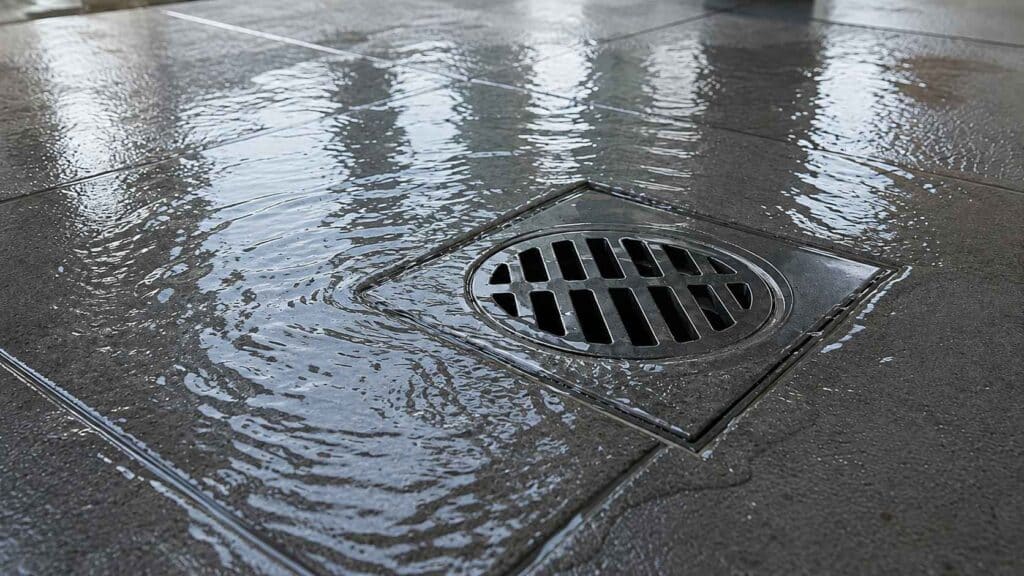
A floor-drain blockage often develops gradually. Recognising the early warning signs may help you address the problem before water begins overflowing into the surrounding room.
Common signs include:
- Water draining more slowly than usual.
- Water pooling over or around the drain.
- Gurgling sounds when nearby fixtures are used.
- Unpleasant or persistent sewer odours.
- Wastewater rising through the floor drain.
- A blockage that returns shortly after clearing.
- Several toilets, sinks or drains backing up at the same time.
A single slow floor drain may have a localised buildup near the grate or trap. When several fixtures are affected, the obstruction may be located deeper in the property’s wastewater line, or even in the Sydney Water main sewer.
What Causes a Floor Drain to Become Clogged?

Most floor drain clogs happen gradually. Hair, soap residue, dirt, and grease build up over time, narrowing the pipe until water can’t pass. In some cases, small objects or tree roots make their way into the line and create a complete blockage.
Here’s a closer look at the most common culprits behind a clogged floor drain.
Hair and Soap Scum
Hair is one of the biggest offenders in bathroom and laundry drains. It binds with soap scum and forms thick clumps that stick to pipe walls. Over time, these clumps trap more debris and restrict flow.
Grease and Oil Buildup
Grease might seem harmless when it’s warm and liquid, but it cools and solidifies inside your pipes. This sticky layer catches food scraps, lint, and other particles, creating a stubborn blockage that’s hard to shift with water alone.
Dirt and Debris
Laundry rooms, garages, and basement floor drains often collect dirt, sand, and lint from washing machines. These fine particles settle in the trap or further down the line, especially if the drain hasn’t been flushed regularly.
Tree Roots
If your property has mature trees, roots can infiltrate cracked or ageing clay pipes in search of moisture. Once inside, they grow quickly and cause serious blockages. This is especially common in older Sydney homes with clay or terracotta sewer lines. Note that blockages inside your property boundary are your responsibility, while faults in the council or Sydney Water main line are managed by Sydney Water.
Small Objects
Toys, bottle caps, and other small items can accidentally fall into floor drains. Kids’ bathrooms and laundry areas are common spots for this type of clog, which usually requires a drain snake or camera inspection to locate and remove.
Mineral Deposits
Hard water leaves behind calcium and lime deposits that build up over time. These deposits narrow the pipe diameter and make it easier for other debris to catch and accumulate.
How to Fix a Clogged Floor Drain: DIY Methods
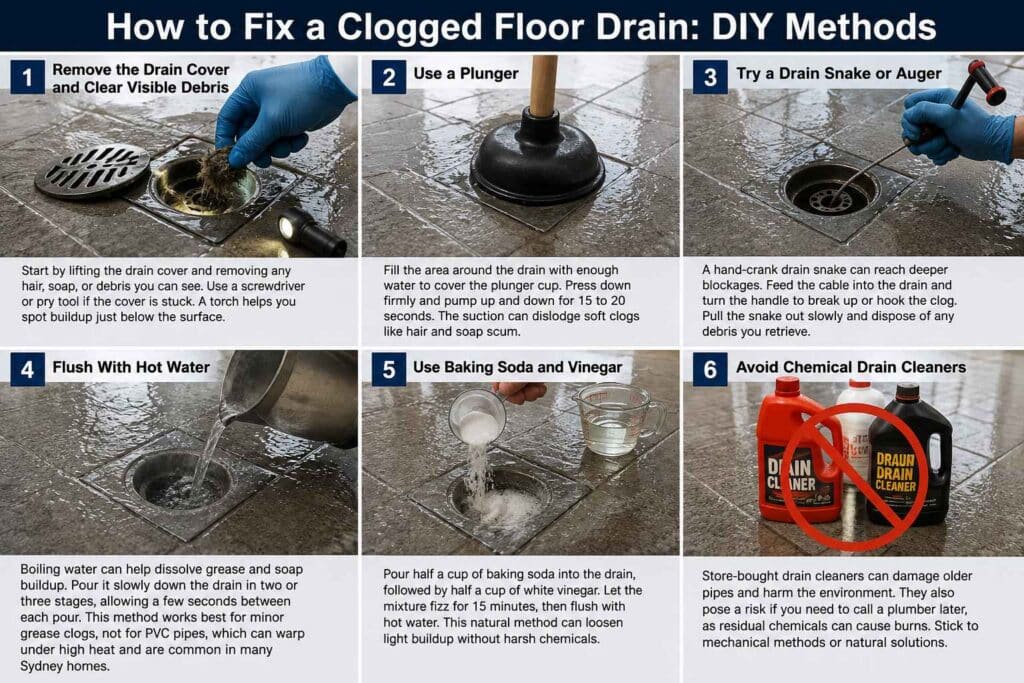
Before calling a plumber, you can try a few safe, effective methods to clear a minor clog. These techniques work best when the blockage is close to the drain opening and hasn’t caused a backup in your main sewer line.
Always wear gloves and eye protection when working with drains. If you’re dealing with sewage backup or a complete blockage, skip the DIY and call a licensed professional.
1. Remove the Drain Cover and Clear Visible Debris
Start by lifting the drain cover and removing any hair, soap, or debris you can see. Use a screwdriver or pry tool if the cover is stuck. A torch helps you spot buildup just below the surface.
2. Use a Plunger
Fill the area around the drain with enough water to cover the plunger cup. Press down firmly and pump up and down for 15 to 20 seconds. The suction can dislodge soft clogs like hair and soap scum.
3. Try a Drain Snake or Auger
A hand-crank drain snake can reach deeper blockages. Feed the cable into the drain and turn the handle to break up or hook the clog. Pull the snake out slowly and dispose of any debris you retrieve.
4. Flush With Hot Water
Boiling water can help dissolve grease and soap buildup. Pour it slowly down the drain in two or three stages, allowing a few seconds between each pour. This method works best for minor grease clogs, not for PVC pipes, which can warp under high heat and are common in many Sydney homes.
5. Use Baking Soda and Vinegar
Pour half a cup of baking soda into the drain, followed by half a cup of white vinegar. Let the mixture fizz for 15 minutes, then flush with hot water. This natural method can loosen light buildup without harsh chemicals.
6. Avoid Chemical Drain Cleaners
Store-bought drain cleaners can damage older pipes and harm the environment. They also pose a risk if you need to call a plumber later, as residual chemicals can cause burns. Stick to mechanical methods or natural solutions.
When to Call a Licensed Plumber for a Clogged Floor Drain
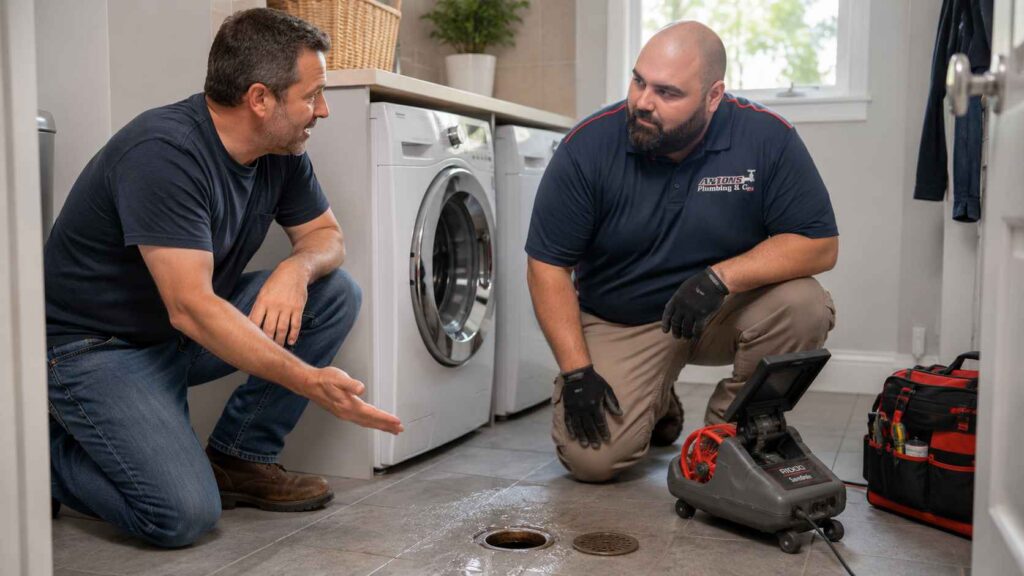
Some clogs are too deep, too stubborn, or too risky to tackle on your own. If you’ve tried the methods above and water is still pooling, it’s time to bring in a licensed Sydney plumber. Recurring blockages, sewage odours, and backups in multiple drains all point to a larger issue in your main sewer line — and under NSW regulations, certain drainage and plumbing work must be carried out by a licensed tradesperson.
| Problem | DIY Solution | Professional Solution |
|---|---|---|
| Hair and soap near the surface | Plunger or drain snake | CCTV inspection + hydro jetting |
| Grease buildup in the trap | Hot water flush | High-pressure jetting |
| Tree roots in the line | Not recommended | CCTV + pipe relining or excavation |
| Recurring clogs | Temporary relief only | Root cause diagnosis + permanent fix |
| Sewage backup | Do not attempt | Emergency same-day service |
Our team at Antons Plumbing & Gas uses CCTV drain cameras to pinpoint the exact location and cause of the blockage. We then recommend the best fix—whether that’s hydro jetting, pipe relining, or a targeted repair—so you know what you’re paying for before we start.
How Antons Plumbing & Gas Clears Clogged Drains

We don’t just clear the symptom—we find the root cause. Every drain job starts with a conversation about what you’ve noticed and when the problem began. From there, we inspect the drain, diagnose the blockage, and present clear options with upfront pricing.
CCTV Drain Inspection
We insert a high-resolution camera into your drain to see exactly what’s blocking the line. This non-invasive method shows us the type of blockage, its location, and the condition of your pipes—all without digging.
Hydro Jetting
High-pressure water jetting blasts away grease, hair, roots, and mineral buildup. It’s safe for most pipe types and clears the entire diameter of the line, not just a hole through the middle. We back our hydro jetting work with a lifetime labour warranty, giving you long-term peace of mind.
Pipe Relining
If your pipes are cracked or damaged, we can reline them without excavation. A resin-coated liner is inserted and cured in place, creating a smooth, durable inner surface that resists future clogs and lasts for decades.
Same-Day Service Across Sydney
We respond fast. Our team is available 24/7 for emergencies, and we offer same-day service across the Inner West, Eastern Suburbs, North Shore, Northern Beaches, Hills District, Western and South-Western Sydney, and Sutherland Shire. Call 0493 824 176 anytime, and we’ll get to you quickly.
No Call-Out Fee (7 am–3 pm Weekdays)
We don’t charge a call-out fee for weekday visits between 7 am and 3 pm (excluding public holidays). You’ll receive a clear quote in AUD before we start, and our pricing is fixed—no surprises, no hidden charges.
Our process is straightforward, compliant with Australian Standards, NSW plumbing regulations, and Sydney Water requirements, and is backed by a lifetime labour warranty. Here’s what you can expect when you call us for a clogged floor drain.
Preventing Future Floor Drain Clogs
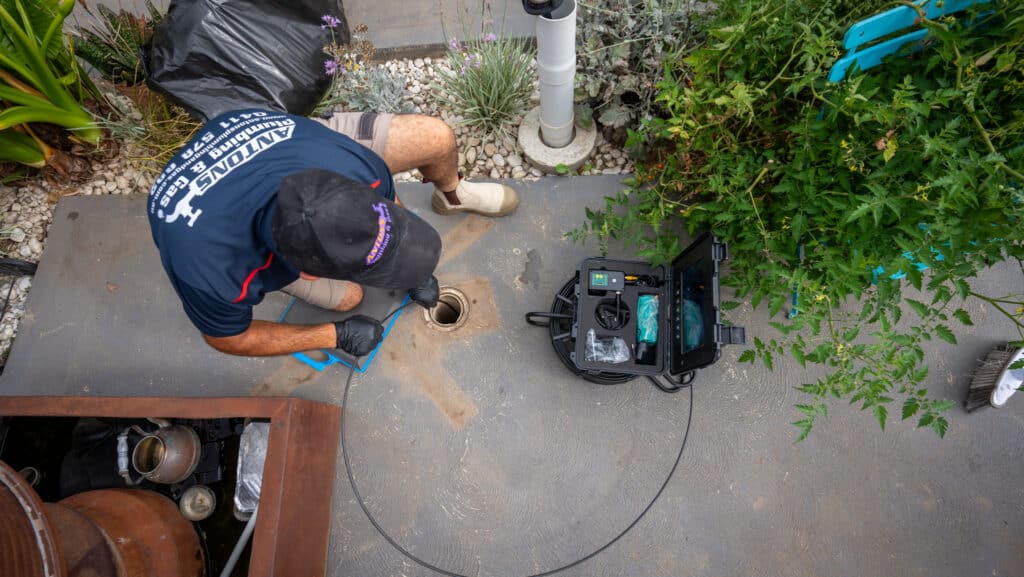
Once your drain is clear, a few simple habits can keep it flowing freely. Regular maintenance is always easier and cheaper than emergency repairs. You don’t need special tools or chemicals—just a bit of routine care.
- Flush your floor drains with hot water once a month to dissolve soap and grease.
- Install a drain strainer to catch hair, lint, and debris before they enter the pipe.
- Avoid pouring grease, oil, or food scraps down any drain.
- Keep your drain trap filled with water to prevent sewer gases from entering your home.
- Schedule a CCTV inspection every few years if you have older pipes or mature trees nearby.
- Book a professional drain clean if you notice slow drainage or odours returning.
A little prevention goes a long way when it comes to avoiding future floor drain clogs. Staying consistent with these simple steps can help protect your plumbing, reduce unpleasant odours, and prevent costly repairs later on. By keeping the drain clean and addressing small issues early, you can maintain better flow and avoid bigger drainage problems over time.
Real-World Example: Clearing a Laundry Floor Drain in Sydney’s Inner West
Last month, we attended a home in the Inner West where the laundry floor drain had been slow for weeks. The homeowner tried a plunger and baking soda, but water kept pooling after every wash cycle. By the time they called us, the drain was completely blocked.
We ran a CCTV inspection and found a dense buildup of lint, soap, and grease about two metres down the line. Hydro jetting cleared the blockage in under an hour, and we flushed the line thoroughly to prevent a quick return. The homeowner now schedules an annual drain clean to keep things flowing smoothly.
Why Choose Antons Plumbing & Gas for Drain Repairs?
We’re a licensed, family-owned Sydney plumbing company with more than 25 years of hands-on experience. Our mission is simple: protect your home with workmanship you can trust, delivered right the first time. Every job complies with NSW Fair Trading licensing requirements and relevant Australian Standards (NSW Lic: 210933C).
We don’t cut corners, leave messes, or charge hidden fees. You’ll get clear options, upfront pricing in AUD, and a lifetime labour warranty on our work. Whether it’s a blocked drain, a burst pipe, or a full bathroom renovation, we tailor our service to your home, timeline, and budget.
| Service | What We Do | Typical Response Time |
|---|---|---|
| CCTV Drain Inspection | Camera inside your pipe to locate blockages and damage | Same day |
| Hydro Jetting | High-pressure water to clear grease, roots, and buildup | Same day |
| Pipe Relining | Trenchless repair for cracked or damaged pipes | Same day or next day |
| Emergency Drain Clearing | 24/7 response for sewage backups and urgent clogs | Same day |
| Preventative Maintenance | Scheduled inspections and cleaning to avoid future clogs | Book in advance |
From CCTV inspections and hydro jetting to pipe relining and backflow testing, we handle the full range of plumbing and gas-fitting services. We turn up when we say we will, respect your property, and communicate in plain English—because great plumbing is about people, not just pipes.
Conclusion
A clogged floor drain doesn’t fix itself. The longer you wait, the worse the backup becomes—and the higher the risk of water damage, mould, and costly repairs. Whether you need a quick clear or a full pipe inspection, our licensed Sydney team is ready to help you today.
Antons Plumbing & Gas specialises in blocked drains and CCTV inspections across Sydney Metro. Our licensed team (NSW Lic. 210933C) clears debris, hair, and grease fast. Get started with same-day service today.
Related Articles
- Simple Solutions for How to Unclog Sink Hair Effectively
- How to Unclog Oil in Sink Quickly and Safely
- 5 Common Reasons Your Floor Drain Is Not Draining Properly
FAQs
Why is my bathroom floor drain clogged with hair?
Hair can combine with soap residue and form a dense blockage near the grate or inside the trap. Remove visible hair first and use a plunger or hand auger; recurring blockages may require professional drain cleaning.
How do I unclog a floor drain with standing water?
Remove as much standing water as practical, clear visible debris and use a plunger with a firm seal over the drain opening. Stop immediately and call a plumber if the water contains sewage or multiple fixtures are backing up.
Can I pour boiling water down a clogged floor drain?
Use hot tap water rather than freshly boiled water, particularly if the waste pipe may be PVC. Hot water may loosen light soap or grease residue but will not clear objects, tree roots or a compacted blockage.
Why does my floor drain keep clogging after I clear it?
Recurring blockages may indicate that only part of the obstruction was removed or that grease, roots, displaced joints or pipe damage remain deeper in the line. A CCTV drain inspection can identify the underlying cause.
When is a clogged floor drain an emergency?
Treat the problem as urgent when sewage appears, water is spreading across the floor or several toilets, sinks and drains begin backing up together. Stop using water and contact a licensed plumber to reduce the risk of further overflow.
How much does it cost to fix a clogged floor drain in Sydney?
Cost depends on the cause and severity of the blockage. We provide a clear, fixed quote in AUD before any work begins, so you know the exact cost upfront—no hidden fees. Call 0493 824 176 or book online for an obligation-free assessment.
Do you charge a call-out fee for blocked floor drains?
No—we don’t charge a call-out fee for weekday visits between 7 am and 3 pm (excluding public holidays). Simply call or book online and one of our licensed technicians will assess the blockage.
How fast can you get a plumber to my Sydney property?
We offer same-day service across Sydney Metro, including the Inner West, Eastern Suburbs, North Shore, Northern Beaches, Hills District, Western and South-Western Sydney, and the Sutherland Shire. For urgent sewage backups, our team is available 24/7.
Is Antons Plumbing & Gas licensed to work in NSW?
Yes. We’re a fully licensed NSW plumbing and gas-fitting company (Lic. 210933C) with more than 25 years of hands-on experience, so every floor drain repair complies with NSW Fair Trading requirements and Australian Standards.
Do you guarantee your floor drain repairs?
Yes—all our drain clearing, hydro jetting, and pipe relining work is backed by a lifetime labour warranty, giving you long-term peace of mind on top of the fix.
What suburbs does Antons Plumbing & Gas service for blocked drains?
We service the whole of Sydney Metro, including Blacktown, the Eastern Suburbs, North Shore, Northern Beaches, Sutherland Shire, and Western/South-Western Sydney. If you’re unsure whether we cover your suburb, call 0493 824 176 and we’ll confirm.
How do I book a CCTV drain inspection?
You can book online through our contact page or call us directly on 0493 824 176. We’ll arrange a same-day CCTV inspection to pinpoint exactly what’s blocking your floor drain before recommending a fix.
Is hydro jetting safe for older Sydney homes with clay pipes?
Hydro jetting is safe for most pipe materials, but we always run a CCTV inspection first to check pipe condition—especially important in older Sydney properties with ageing clay or terracotta lines—so we don’t recommend jetting where it could cause damage.
What if the blockage is actually in the Sydney Water main line, not my property?
Blockages within your property boundary are your responsibility, while faults in the council or Sydney Water main sewer are managed by Sydney Water. If our inspection shows the issue sits outside your boundary, we’ll let you know and point you to Sydney Water on 13 20 90.
Can you fix a blocked floor drain without digging up my yard?
In many cases, yes. Pipe relining lets us repair cracked or root-affected pipes from the inside using a resin liner, avoiding excavation altogether. We’ll confirm if your situation is suitable during the CCTV inspection.
Do you offer emergency plumbing for a floor drain overflowing with sewage?
Yes—sewage overflow is treated as an emergency. Our team is available 24/7 across Sydney, so stop using water in the affected area and call 0493 824 176 straight away.
Will I get a fixed price before work starts?
Always. Once we’ve diagnosed the blockage, we’ll explain your options and provide fixed, upfront pricing in AUD—you’ll know the full cost before we start any work.
Do you service strata or multi-unit buildings in Sydney?
Yes, we regularly clear floor drains and blocked stormwater/sewer lines for strata properties, unit blocks and townhouses across Sydney. Call our team to discuss access and scheduling for your building.
How often should I get a professional drain clean in Sydney?
If your property has older pipes or established trees nearby, we recommend a CCTV inspection and clean every few years as preventative maintenance. Book a check-up with our licensed team to catch problems before they become emergencies.
What’s the easiest way to get help with a clogged floor drain right now?
Call Antons Plumbing & Gas on 0493 824 176 or book online—we’ll ask a few quick questions about the problem and arrange a licensed plumber for same-day service across Sydney.