
Many Sydney homeowners wonder whether a garbage disposal can be installed in a shower drain to prevent hair and soap buildup. The short answer is no. Garbage disposals are designed exclusively for kitchen sinks to grind food waste, not for bathroom drains where hair, soap scum, and body oils create different blockage patterns. Understanding the difference between kitchen and bathroom drainage systems helps you avoid expensive mistakes and keeps your plumbing compliant with Australian Standards.
This article clears up common misconceptions about garbage disposal in shower drains, explains what actually causes bathroom blockages, and shows you how professional drain care protects your Sydney home. You’ll learn why disposals don’t belong in showers, what solutions do work, and when to call a licensed plumber for safe, lasting results.
Key Takeaways
- Garbage disposals are engineered for kitchen food waste only and cannot handle hair, soap, or body oils found in shower drains.
- Shower blockages stem from hair, soap scum, mineral deposits, and foreign objects—not food particles.
- Installing a disposal in a bathroom violates plumbing codes and voids warranties on both the unit and your drainage system.
- Effective shower drain care includes hair catchers, enzyme cleaners, and regular professional CCTV inspections.
- Our team provides same-day blocked drain service across Sydney with upfront pricing and a lifetime labour warranty.
Why Garbage Disposals Don’t Belong in Shower Drains
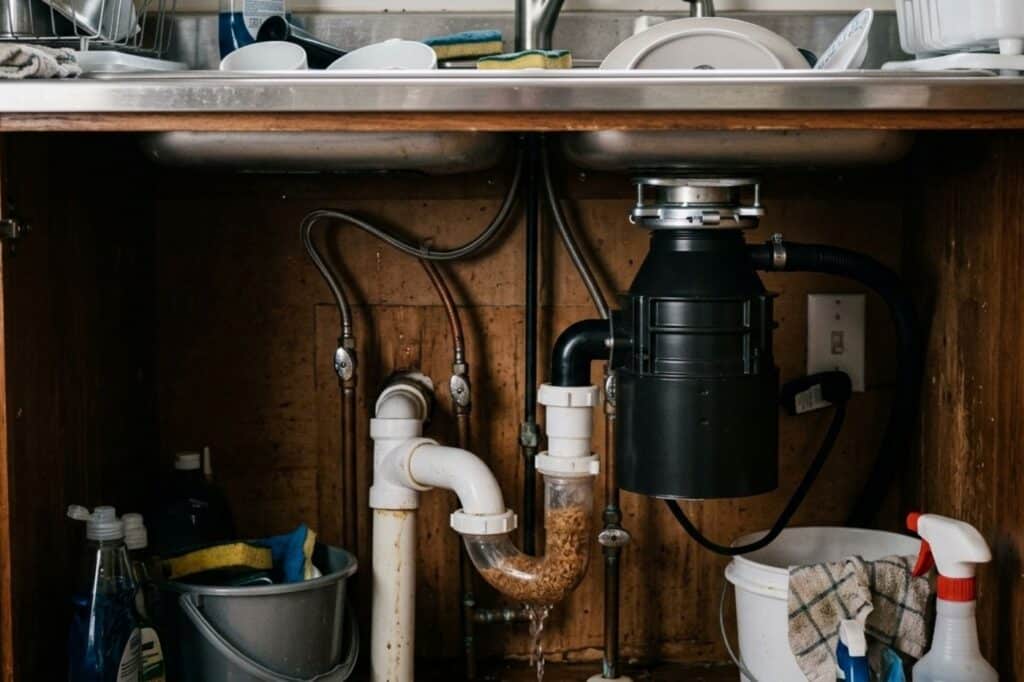
A garbage disposal is an electrically powered device mounted under a kitchen sink between the drain and trap. It uses a spinning plate and impellers to grind food scraps into particles small enough to flow through your plumbing. The unit was invented in 1927 by architect John Hammes and became widely available in 1938 when InSinkErator launched commercial production. Today more than half of American households rely on disposals to divert food waste from landfills, with an estimated 80 million tons kept out of landfill over the decades.
Shower drains face entirely different challenges. Hair, soap residue, body oils, and mineral deposits from Sydney’s hard water combine to form sticky clumps that cling to pipe walls. A disposal’s grinding mechanism cannot break down long strands of hair or dissolve soap scum. The impellers would tangle with hair within minutes, burning out the motor and leaving you with a broken unit and a still-blocked drain.
Plumbing codes in New South Wales prohibit installing kitchen appliances in bathroom drainage systems. AS/NZS 3500 specifies fixture requirements, trap sizes, and waste pipe grades for each type of drain. Mixing kitchen and bathroom systems creates cross-contamination risks, violates your building approval, and voids manufacturer warranties. If you’re facing recurring shower blockages, the solution lies in proper drain maintenance and professional cleaning—not retrofitting equipment designed for a completely different purpose.
Common Myths About Garbage Disposals in Bathrooms
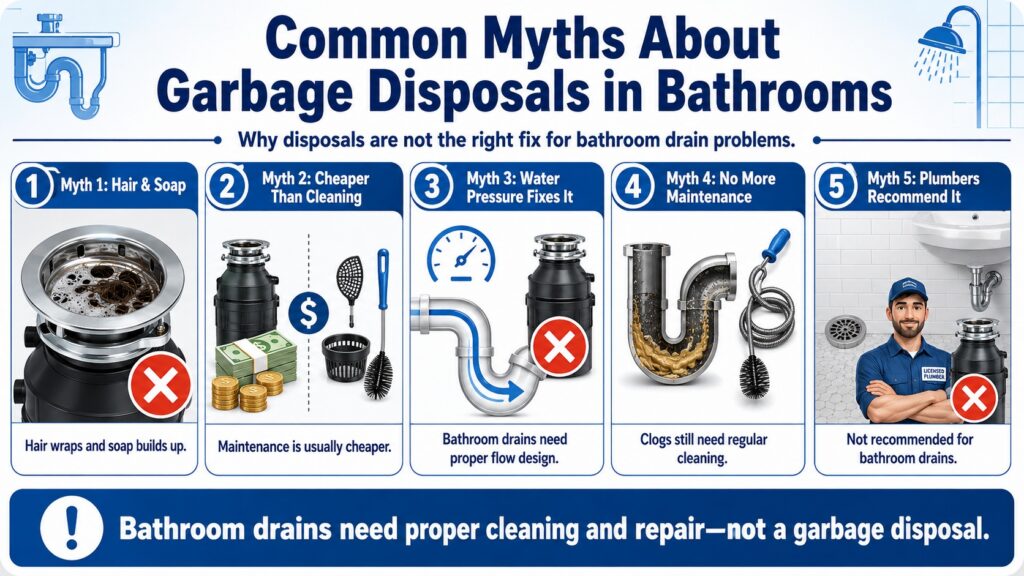
There are several misconceptions about using garbage disposals in bathroom drains, especially when homeowners are looking for quick ways to deal with hair, soap buildup, and recurring clogs. While the idea may seem practical at first, bathroom plumbing systems are not designed to handle waste in the same way kitchen sinks do. Understanding these myths helps explain why garbage disposals are not a suitable or compliant solution for bathroom drainage problems.
Myth 1: A Disposal Will Grind Up Hair and Soap
Hair is fibrous and flexible. It wraps around the disposal’s flywheel and impellers like thread on a spool. Soap scum is waxy and sticky, coating internal chambers rather than breaking apart. Within days the unit seizes, the motor overheats, and you’re left with an expensive repair bill. Disposals are engineered to handle vegetable peels, fruit rinds, and soft food scraps—not the long, stringy, and greasy waste that exits a shower.
Myth 2: Installing a Disposal Is Cheaper Than Regular Drain Cleaning
A mid-range garbage disposal costs several hundred dollars plus installation labour. Bathroom drains require different trap configurations and smaller pipe diameters than kitchen sinks, so retrofitting becomes complex and costly. Regular drain maintenance—hair catchers, enzyme treatments, and annual CCTV inspections—costs a fraction of that amount and actually prevents blockages instead of attempting to grind through them after the fact.
Myth 3: Any Drain Can Accept a Disposal if You Have Enough Water Pressure
Water pressure has nothing to do with it. Disposals need a continuous flow of 2 to 5 gallons per cycle to flush ground waste through the trap and into the sewer. Shower drains are designed for intermittent flow during bathing, not the sustained high-volume flush a disposal requires. Forcing that much water through a bathroom drain every time you shower would overwhelm your trap, break the seal, and allow sewer gases into your home.
Myth 4: Disposals Eliminate the Need for Drain Maintenance
Even in kitchens, disposals don’t eliminate blockages. Grease, bones, fibrous vegetables like celery, and starchy foods like pasta can still clog pipes downstream. In a shower the problem multiplies because hair and soap scum build up gradually along the entire pipe run, not just at the trap. A disposal can’t reach those deposits. Only mechanical snaking, hydro-jetting, or chemical treatments designed for bathroom waste will clear them.
Myth 5: Plumbers Recommend Disposals for Shower Drains
No licensed plumber in Sydney will suggest installing a garbage disposal in a bathroom. It violates the Plumbing Code of Australia, puts your household at risk of cross-contamination, and creates a safety hazard with electrical equipment near water in a wet area. We diagnose the root cause of your blockage—whether it’s hair buildup, pipe scale, or tree root intrusion—and recommend compliant, effective solutions tailored to your drainage system.
Believing these myths can lead homeowners toward expensive, impractical, or non-compliant bathroom plumbing decisions. Garbage disposals are not designed to solve the kinds of waste problems that typically affect bathrooms, and trying to use them that way can create more harm than benefit. By understanding what bathroom drains actually need, homeowners can make better choices about maintenance, repairs, and long-term drainage performance.
Safe and Effective Solutions for Shower Drain Care
Preventing shower blockages starts with simple habits and low-cost tools. A stainless steel or silicone hair catcher sits over your drain and traps strands before they enter the pipe. Empty it weekly—more often if you have long hair or multiple people using the same shower. This one step eliminates the majority of blockage material.
Enzyme-based drain cleaners break down organic matter without the harsh chemicals found in caustic drain openers. Pour the recommended dose down your drain once a month and let it sit overnight. Enzymes digest hair, soap, and oils gradually, keeping pipes clear without damaging seals or corroding metal. Avoid chemical drain cleaners that contain sodium hydroxide or sulfuric acid because they generate heat, crack older pipes, and harm your fixtures.
Hot water flushes help too. After every shower run hot tap water for 30 seconds to melt and move soap residue and oils before they solidify. If you notice slow drainage don’t wait for a full blockage. Call us for a CCTV drain inspection. We insert a high-resolution camera into your pipe to pinpoint the exact location and nature of the buildup, then recommend the most cost-effective fix—whether that’s mechanical snaking, hydro-jetting, or pipe relining if the pipe itself is damaged.
Why Proper Bathroom Drainage Matters for Sydney Homes
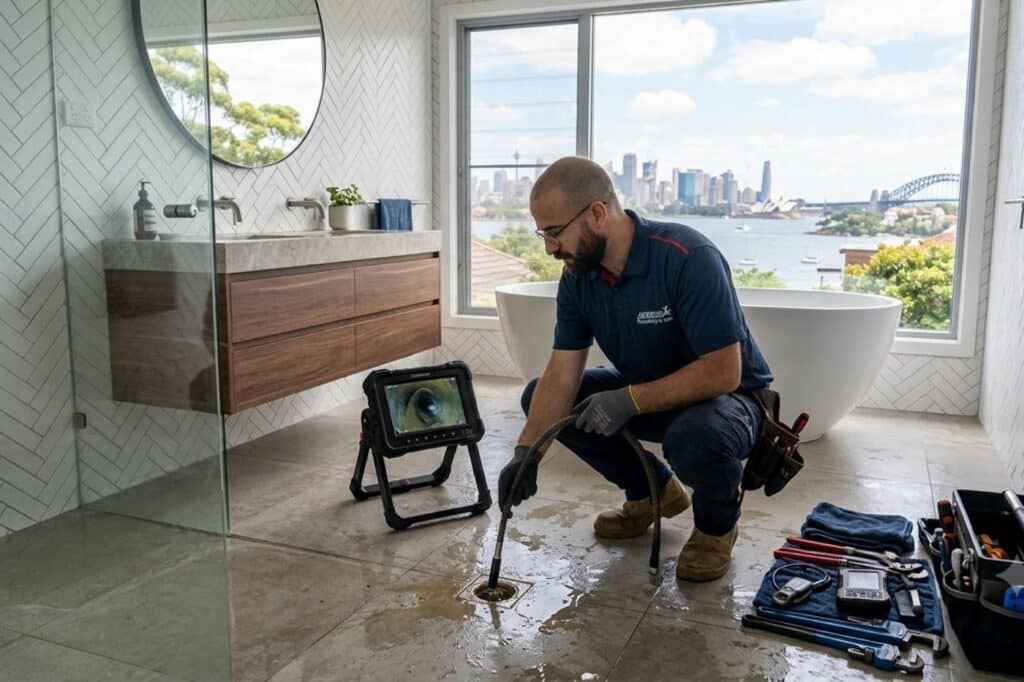
Sydney’s mix of heritage homes, modern apartments, and coastal properties creates unique plumbing challenges. Older Inner West and Eastern Suburbs homes often have clay or cast-iron pipes that corrode over time. Tree roots from figs and gums seek out moisture and infiltrate cracked joints. North Shore and Northern Beaches properties face high water tables and stormwater pressure that can back up into your drains during heavy rain.
A blocked shower drain isn’t just inconvenient—it can cause water to pool on your bathroom floor, seep into wall cavities, and promote mould growth. Persistent moisture damages tiles, rots timber frames, and compromises structural integrity. In strata buildings a leak in one unit can affect neighbours below, leading to insurance claims and costly remediation. Keeping your drains clear protects your investment and your family’s health.
Compliance with AS/NZS 3500 plumbing standards is mandatory for all work in New South Wales. Our team holds current licensing (Lic: 210933C) and insurance, so every job meets legal requirements and passes inspection. We document our findings with photos and video, provide clear quotes before starting work, and leave your space clean. You get peace of mind knowing your plumbing is safe, compliant, and built to last.
When to Call a Professional Plumber
You should contact us as soon as you notice any of these warning signs. Water draining slowly from your shower indicates a partial blockage forming. Gurgling sounds from the drain mean air is trapped behind a clog. Foul odours suggest organic matter decomposing in your pipes. Standing water that won’t drain at all is an emergency—your main waste line may be blocked or your trap may have failed.
DIY methods have limits. A plunger can dislodge a shallow clog near the trap, but it won’t reach blockages further down the line. Store-bought chemical cleaners often make the problem worse by pushing debris deeper or damaging old pipes. Attempting to dismantle traps without the right tools can crack fittings and cause leaks. Our plumbers carry professional-grade equipment, replacement parts, and the training to handle any blockage safely.
We offer 24/7 emergency service across Sydney with no call-out fee from 7am to 3pm on weekdays. After-hours and weekend calls are answered by a qualified plumber, not an answering service. We provide upfront fixed-rate pricing so you know the cost before we start. Whether you’re in the Inner West, Eastern Suburbs, North Shore, Hills District, Western Sydney, or Sutherland Shire, we can be on-site the same day to restore your drainage and get your bathroom back in service.
Comparing Kitchen Disposals and Bathroom Drain Solutions
Kitchen garbage disposals and bathroom drain systems are designed for completely different purposes, even though both deal with water and waste movement. A kitchen disposal is built to grind soft food scraps under controlled conditions, while bathroom drain maintenance focuses on preventing and removing buildup like hair, soap scum, oils, and mineral deposits. Comparing these two systems makes it easier to understand why bathroom drainage problems need different solutions from those used in the kitchen.
| Feature | Kitchen Garbage Disposal | Shower Drain Maintenance |
|---|---|---|
| Primary Function | Grind food waste into small particles | Trap and remove hair, soap, oils |
| Waste Type | Vegetable peels, fruit rinds, soft scraps | Hair, soap scum, body oils, mineral scale |
| Installation Location | Under kitchen sink, between drain and trap | Shower floor drain with removable grate |
| Water Usage | 2–5 gallons per cycle | Intermittent flow during bathing |
| Maintenance | Avoid grease, bones, fibrous foods | Hair catcher, enzyme cleaner, annual inspection |
| Compliance | Approved for kitchen use under AS/NZS 3500 | Must meet bathroom fixture standards |
| Lifespan | ~10 years with proper use | Pipes last decades with regular care |
Understanding the differences between kitchen disposals and bathroom drain solutions helps prevent the wrong fixes from being applied to the wrong plumbing system. What works under a kitchen sink is not designed for the waste type, water flow, or compliance requirements of a shower drain. By choosing maintenance methods that match the way bathroom drains actually function, homeowners can reduce blockages, protect their plumbing, and avoid unnecessary complications.
How Our Team Keeps Your Drains Flowing

We don’t just clear blockages—we diagnose why they happened in the first place. During every service call we inspect your entire drainage system, check trap seals, test water flow, and look for signs of corrosion or damage. If we find an issue we explain it in plain English, show you the CCTV footage, and present your options with pros, cons, and realistic cost estimates. You decide what makes sense for your home and budget.
Our commitment to quality starts with licensing and training. Every plumber on our team is fully qualified under NSW Fair Trading requirements and stays current with changes to Australian Standards. We use branded parts from trusted suppliers, document our work with photos and compliance certificates, and back every job with a lifetime labour warranty. If something goes wrong because of our workmanship we return and fix it at no charge.
We also respect your home. We lay drop sheets, wear boot covers, and clean up thoroughly before we leave. No mess, no jargon, no surprises. Just honest advice, skilled work, and the confidence that comes from 25 years of protecting Sydney properties. Whether you need a simple drain clean, a complex pipe reline, or a full bathroom renovation, we’re ready to help.
Conclusion
Garbage disposals belong in kitchens, not shower drains. Trying to install one in your bathroom wastes money, violates plumbing codes, and leaves you with a bigger problem than you started with. The right approach combines simple prevention—hair catchers and enzyme cleaners—with professional service when blockages do occur.
Antons Plumbing & Gas provides expert blocked drain clearing and CCTV inspections across Sydney Metro for shower drain issues. Our licensed team diagnoses the root cause with upfront pricing and same-day service. Call 0493 824 176 to get started today.
Related Articles
- Sink Only Drains When Garbage Disposal Runs? Here’s Why
- How to Drain a Kitchen Sink That Won’t Empty
- Why Is My Hose Bib Leaking from Wall? Causes and Repair Options
FAQs
What Is A Garbage Disposal In Shower Drains?
A garbage disposal in shower drains typically refers to a myth, as these units are not designed for wastewater disposal in showers. Instead, they are meant for kitchen sinks to grind food waste. Our experienced Sydney team at Antons Plumbing & Gas can help you with proper drain solutions tailored to your needs.
Can You Put Food Waste Down The Shower Drain?
No, putting food waste down the shower drain can lead to clogs and plumbing issues, and may breach Sydney Water wastewater rules. Shower drains are designed for water and bodily waste. If you’re experiencing drainage problems, our licensed plumbers can provide effective solutions to keep your drains clear.
Do Garbage Disposals Prevent Clogs In Shower Drains?
No, garbage disposals do not prevent clogs in shower drains. They are not compatible with shower plumbing. For reliable drain maintenance and repairs, trust Antons Plumbing & Gas, where we focus on tailored solutions to ensure your plumbing works efficiently.
Are There Alternatives To Garbage Disposals For Shower Drains?
Yes, alternatives include proper drainage systems and regular maintenance to prevent clogs. Our team can inspect your plumbing and recommend solutions that suit your home’s needs, ensuring your shower drains function effectively.
What Should You Do If Your Shower Drain Is Clogged?
If your shower drain is clogged, it’s best to avoid using chemical drain cleaners, as they can damage pipes. Instead, contact Antons Plumbing & Gas. We offer expert leak detection and drain cleaning services to resolve any issues quickly and efficiently.
How Can You Prevent Clogs In Shower Drains?
To prevent clogs, use drain covers to catch hair and debris, and avoid rinsing soap residue down the drain. Regular maintenance by our experienced plumbers can also help keep your drains clear and functioning properly.
Do You Provide Same-Day Blocked Drain Service In Sydney?
Yes. We offer same-day blocked drain service across Sydney Metro, including the Inner West, Eastern Suburbs, North Shore, Hills District, Western Sydney and Sutherland Shire. Call +61 493 824 176 and we’ll confirm the earliest available time slot.
Are Your Plumbers Fully Licensed In NSW?
Yes. Antons Plumbing & Gas operates under NSW Lic. 210933C, and every plumber on our team is qualified under NSW Fair Trading requirements. This means our work is compliant, insured and inspection-ready.
How Much Will A CCTV Drain Inspection Or Drain Clean Cost?
Pricing depends on access, blockage location and the extent of the problem. We always provide an upfront, fixed-rate quote in AUD before any work begins, so you know the exact cost with no surprises. Call us for a quote specific to your property.
Do You Offer Emergency Plumbing After Hours?
Yes, we run a genuine 24/7 emergency service across Sydney. After-hours and weekend calls are answered by a qualified plumber, not an answering service, so you get real advice straight away.
Is There A Call-Out Fee?
There’s no call-out fee for jobs booked between 7am and 3pm on weekdays. After-hours and weekend rates are explained upfront before we dispatch a plumber, so you can decide with full pricing information in hand.
Do You Provide A Warranty On Drain Repairs?
Yes. Every job we complete is backed by a lifetime labour warranty. If an issue arises from our workmanship, we return and fix it at no additional charge.
Can I Get A Fixed Price Quote Before Work Starts?
Yes. We provide clear, upfront fixed-rate pricing in AUD before any work begins, so you can approve the cost before we touch your pipes.
What If My Shower Blockage Involves Tree Roots?
Tree root intrusion is common in older Sydney suburbs with clay or cast-iron pipework. We use CCTV inspection to confirm the cause, then recommend hydro-jetting or pipe relining as needed, with the options and costs explained before we proceed.
Do You Comply With Sydney Water And AS/NZS 3500 Requirements?
Yes. All our drainage work is carried out in line with AS/NZS 3500 plumbing standards and Sydney Water’s wastewater and trade waste requirements, so your plumbing stays compliant and passes inspection.
How Quickly Can You Attend A Blocked Drain Emergency In Sydney?
We aim to have a licensed plumber on-site the same day for blocked drain emergencies across Sydney Metro. Call +61 493 824 176 and we’ll give you a realistic arrival window based on your suburb.
Do You Service Strata And Apartment Buildings In Sydney?
Yes, we regularly work with strata managers and apartment owners across Sydney on blocked drains, CCTV inspections and pipe relining, with documentation provided for strata records.
What Should I Do Right Now If My Shower Won’t Drain?
Stop running water into the drain, avoid pouring in chemical cleaners, and check whether a hair catcher or visible debris is the cause. If the blockage doesn’t clear or water is pooling, call Antons Plumbing & Gas on +61 493 824 176 for a same-day licensed plumber.
How Do I Book A Plumber With Antons Plumbing & Gas?
You can call us on +61 493 824 176 or use our online booking link to arrange a same-day visit anywhere across Sydney Metro. We’ll confirm your appointment and provide upfront pricing in AUD before any work begins.
Will Using A Garbage Disposal In My Shower Void My Home Insurance?
Non-compliant plumbing work, including retrofitting a kitchen disposal into a bathroom drain, can create issues with insurance claims if it leads to water damage. Using a licensed Sydney plumber for compliant repairs helps protect both your plumbing and your cover.