

A clogged toilet bowl can throw off your entire day, especially when a heavy flush of toilet paper turns into a slow drain or a full backup. While toilet paper is designed to break down, low-flow toilets, compacted wads, and residue inside the trap can keep it from dispersing quickly. Understanding how to dissolve toilet paper clogs safely and effectively can help Sydney homeowners fix the issue before it turns into an overflow onto the bathroom floor.
This guide explains practical DIY methods such as hot water and dishwashing liquid for quick lubrication, bicarb soda and vinegar for agitation, and enzyme treatments for gradual cellulose breakdown. You’ll also learn when a plunger or toilet auger is the smarter next step, which products to avoid, and the warning signs of deeper drain problems like sewer blockages or pipe damage. If the clog keeps returning or multiple fixtures are affected, Anton’s Plumbing & Gas (NSW Lic. 210933C) can restore flow quickly with same-day service, CCTV diagnosis, and safe drain clearing across Sydney.
Key Takeaways
- Hot water and dishwashing liquid can soften and lubricate fresh toilet paper clogs in about 20–30 minutes.
- Bicarb soda and vinegar help loosen compacted paper through fizzing agitation, especially when followed by hot water.
- Enzyme-based drain treatments are best for recurring soft clogs and need several hours to overnight to work.
- If DIY methods stall, a flange plunger or toilet auger clears deeper blockages more reliably than repeated flushing.
- Multiple slow drains, gurgling, foul odours, or recurring backups may signal a main line issue needing CCTV inspection and a licensed Sydney plumber.
How to Dissolve Toilet Paper Clogs: Comparing the Most Effective Methods
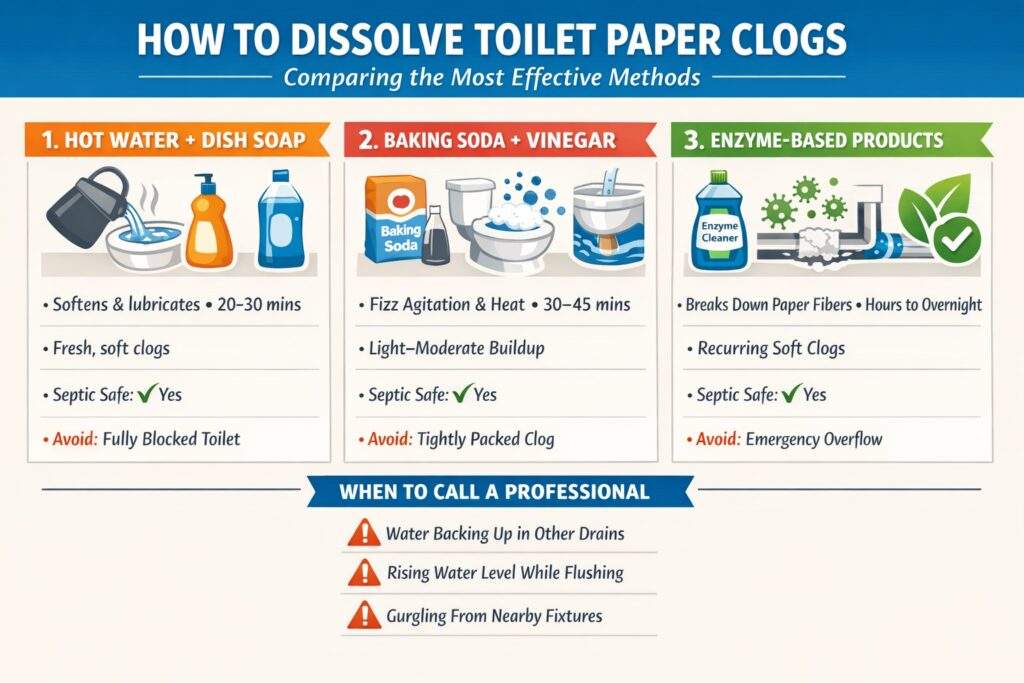
Understanding how to dissolve toilet paper clogs starts with knowing that not all blockages are the same. Some clogs are fresh and soft, while others are compacted or sitting deeper in the drain line. Choosing the right method can mean the difference between a quick fix and a messy overflow — and in most Sydney homes, anything past the toilet’s own trap is heading straight towards Sydney Water’s sewer network, so it pays to know your limits.
| Method | How It Works | Speed | Best For | Septic/Non-Sewered Safe | When to Avoid |
|---|---|---|---|---|---|
| Hot Water + Dishwashing Liquid | Softens fibres and lubricates the pipe to help paper slide through | 20–30 minutes | Fresh, soft toilet paper clogs | Yes | Deep or fully sealed blockages |
| Bicarb Soda + Vinegar + Hot Water | Creates fizzing agitation, then softens with heat | 30–45 minutes | Light-to-moderate paper clogs with minor buildup | Yes | Severe, tightly packed clogs |
| Enzyme-Based Products | Biologically breaks down cellulose over time | Several hours to overnight | Recurrent or deeper soft clogs | Yes | Emergency overflow situations |
Each method targets toilet paper clogs differently — some soften and lubricate, others agitate, and enzymes break paper down gradually. For immediate issues, start with hot water and dishwashing liquid; for mild buildup, try the fizzing method; and for recurring problems, enzymes provide longer-term support. If none of these improve drainage or you notice water backing up in other fixtures, the issue may extend beyond toilet paper and require mechanical clearing or professional help.
1. Hot Water and Dishwashing Liquid Method
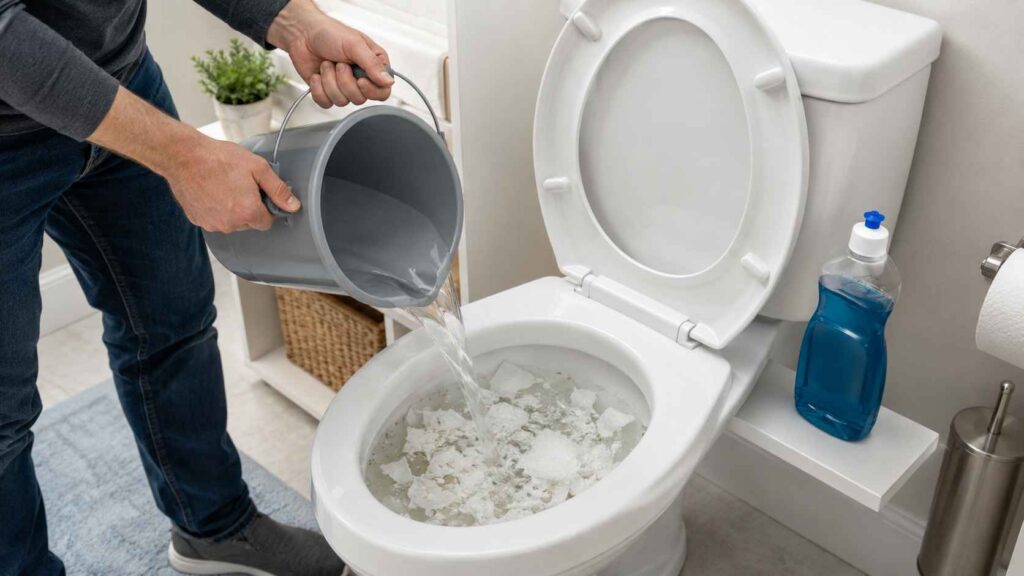
Hot water and dishwashing liquid won’t literally “melt” toilet paper, but they do soften the fibres and reduce friction so the wad can separate and move through the trap. Heat weakens the paper structure, while the detergent lubricates both the clog and the pipe walls to help water slip through. This method is gentle, septic-friendly, and often effective for fresh toilet paper clogs.
Why Hot Water and Detergent Loosen Toilet Paper Clogs
Heat and detergent work together to weaken a compacted paper mass without using harsh chemicals. The goal is to soften the fibres, reduce sticking, and help water penetrate the clog more deeply. Once the blockage loosens, even a small flow can start pulling fragments through the trap.
- Heat: Hot water causes toilet paper fibres to swell, weaken, and separate more easily than in cold water.
- Surfactants: Dishwashing liquid reduces surface tension, lubricates the pipe walls and the clog, and helps water penetrate deeper into the paper mass.
- Flow Assistance: Pouring water from height adds kinetic energy, pushing against the clog while it’s softened.
This works best when the clog is mostly toilet paper and it’s still relatively fresh. If you see the water level drop or hear gurgling, that’s a strong sign the method is breaking the blockage apart. If nothing changes after one full cycle, it’s usually better to switch to plunging or an auger rather than repeating endlessly.
Step-by-Step: Hot Water and Dishwashing Liquid Clearing Process
This method is most effective when you create space in the bowl, add lubrication, then push controlled heat into the trap. The timing matters because the detergent needs a few minutes to coat the clog, and the hot water needs time to soften the fibres. Done correctly, it can clear a paper blockage with minimal mess and minimal force.
- Step 1 – Check the water level: If the bowl is almost full, scoop some water out into a bucket so you have room for at least 1 bucket of hot water.
- Step 2 – Add dishwashing liquid: Squirt 60–125 mL (¼–½ cup) of dishwashing liquid into the bowl, targeting the drain opening if possible, then let it sit 5–10 minutes.
- Step 3 – Prepare hot water (not boiling): Use very hot tap water or kettle water that has cooled slightly; aim for just below boiling (no rolling boil) to reduce the risk of porcelain damage.
- Step 4 – Pour correctly: From about waist height, slowly pour the hot water into the bowl to push hot, soapy water into the clog with controlled force.
- Step 5 – Wait, then test: Let it sit 10–20 minutes, then try one flush if the level drops or you hear movement; repeat once if needed, then plunge to finish.
If the water begins to move, avoid repeated full flushes that can cause overflow while the clog is still partially intact. Instead, give it time, test once, and use plunging only after softening if it needs a final push. If the toilet backs up into other drains or the bowl keeps rising fast, treat it as a bigger line issue and stop forcing it.
Best Situations to Use Hot Water and Dishwashing Liquid
This approach works best when the blockage is soft and shallow rather than deep in the line. It’s ideal when the toilet is draining slowly, meaning some water is still slipping past the clog. It’s also a safer option for septic or non-sewered NSW properties because it avoids harsh chemical drain cleaners.
- Fresh Clogs: Too much toilet paper in one flush.
- Slow-Drain Situations: Some water is still moving through.
- Septic-Friendly Clearing: Detergent and hot water are generally safe for septic and non-sewered systems.
If your clog matches these conditions, hot water and dishwashing liquid is often the quickest “low-effort” option. It’s also a smart first move before plunging because it reduces friction and makes plunging more effective. If it only partially improves, switch to a plunger or auger rather than repeating multiple cycles.
2. Bicarb Soda, Vinegar, and Hot Water Method
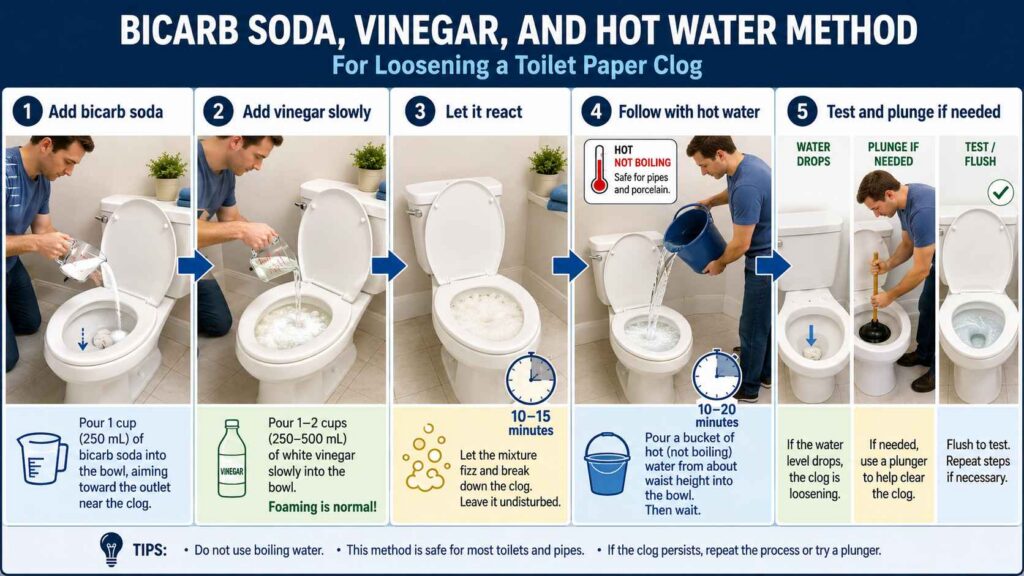
Bicarb soda and vinegar don’t chemically eat toilet paper, but the fizzing reaction can agitate a compacted clog and help loosen it. The bubbling action creates movement inside the paper mass, helping water penetrate and break it into smaller fragments. When followed by hot water, you add a softening effect that increases the chance of the clog releasing.
Why Bicarb Soda and Vinegar Help Break Up Paper Clogs
This method works by combining agitation (bubbles) with mild cleaning and heat-assisted softening. The fizzing can disturb and lift parts of a paper plug, especially if it’s compacted near the trap. It’s not a miracle fix, but it can make plunging or flushing more effective after the clog loosens.
- Fizzing Action: The reaction creates carbon dioxide bubbles that disturb and penetrate the paper mass.
- Mild Cleaning: Bicarb soda deodorises and provides slight abrasion; vinegar can loosen light mineral buildup that may trap paper.
- Heat Boost: Following with hot water adds the fibre-softening effect and improves flow.
This approach is best used as a “prep step” rather than a stand-alone solution for severe clogs. If you notice bubbling, gurgling, or a slow drop in the water level, it’s doing its job by creating movement and separation. If nothing changes after one full cycle, move to plunging or a toilet auger instead of repeating multiple times.
Step-by-Step: Bicarb Soda and Vinegar Clearing Process
The key is adding ingredients slowly so the reaction stays in the drain path instead of foaming up and spilling. Timing also matters because the fizz needs a few minutes to agitate the clog, then hot water needs additional time to soften the fibres. When done in order, it often creates enough loosening for a flush or short plunging session to finish the job.
- Step 1 – Add bicarb soda: Pour about 250 mL (1 cup) of bicarb soda into the toilet bowl, aiming for the outlet so it sits close to the clog.
- Step 2 – Add vinegar slowly: Pour 250–500 mL (1–2 cups) of white vinegar slowly into the bowl and let it foam (normal).
- Step 3 – Let it react: Leave it for 10–15 minutes so the fizzing can loosen paper and light buildup.
- Step 4 – Follow with hot water: Pour a bucket of hot (not boiling) water from waist height, then let it sit 10–20 minutes.
- Step 5 – Test and plunge if needed: If the level drops, try one flush; if partially improved, plunge to clear remaining fragments.
If the water rises quickly at any point, pause and remove some water to prevent overflow before continuing. Once you see improvement, avoid repeated flushes and use short, controlled tests instead. If the toilet remains fully blocked with no movement, switch to mechanical clearing methods rather than adding more vinegar and bicarb soda.
Best Times to Use the Bicarb Soda and Vinegar Method
This is a good option when you want something mild and accessible before using tools. It’s also useful if you suspect there’s some light residue helping paper cling inside the trap. Most importantly, it can make plunging more successful by loosening and aerating the blockage first.
- Pantry-Ingredient Preference: You want a mild assist without commercial chemicals.
- Mixed Minor Buildup: Paper plus light soap scum or mineral film.
- Pre-Plunge Boost: You want to soften and loosen before plunging.
When used in the right scenario, this method can turn a stubborn “paper plug” into a softer, fragmented clog that clears quickly. It’s especially handy when you’re trying to avoid harsh drain cleaners. If symptoms suggest a deeper main-line problem, skip pantry fixes and move straight to professional methods.
3. Enzyme-Based Treatments for Toilet Paper Breakdown
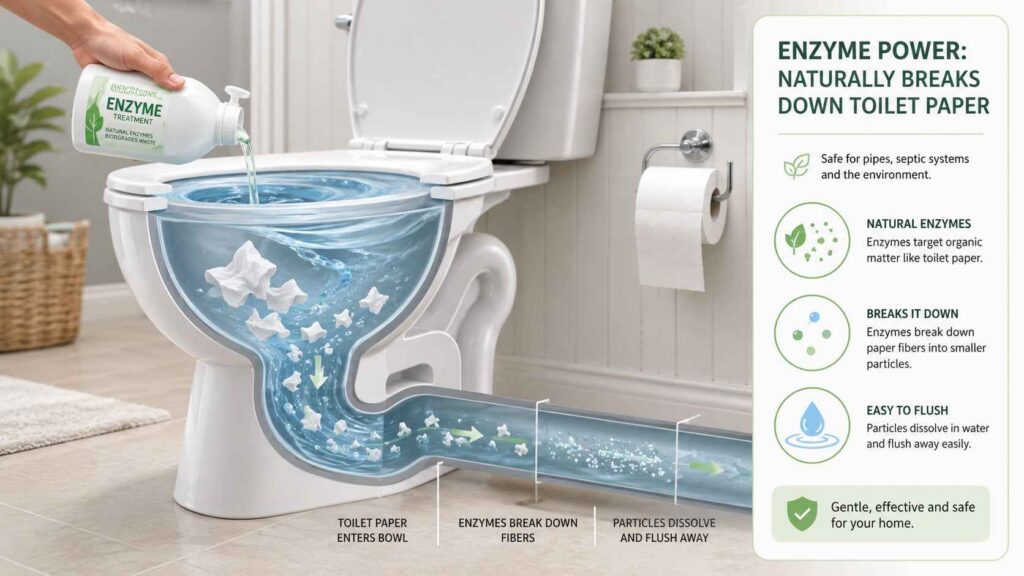
Enzyme and bacterial drain treatments are the closest thing to truly “dissolving” toilet paper because they break down cellulose over time. Instead of relying on force, they use biological action to reduce paper fibres into smaller components that can wash away. They’re slower than other methods, but they can be very useful for recurring soft clogs and septic-safe maintenance on outer-Sydney and regional NSW properties not connected to the town sewer.
How Enzymes Break Down Toilet Paper Over Time
Enzymes work by targeting the structure of toilet paper and other organic waste rather than “burning through” it like harsh chemicals. Over several hours, they can significantly weaken paper fibres and reduce buildup that holds paper in place. This makes them ideal when clogs are frequent or when the issue is deeper than the trap.
- Cellulose Digestion: Cellulase enzymes break down cellulose fibres into smaller components that rinse away more easily.
- Organic Matter Blend: Many products include enzymes for fats and proteins, helping remove sludge that traps paper.
- Biological Support: Some formulas add bacteria that feed on broken-down waste and support cleaner lines over time.
This method is most effective when you give it time and avoid flushing repeatedly during the treatment window. It’s also a good fit for septic systems because it supports biological processes rather than disrupting them. If you need an immediate fix for an overflowing toilet, use mechanical clearing first and reserve enzymes for follow-up treatment.
Step-by-Step: How to Use Enzyme Drain Products Safely
Enzyme treatments require patience because they don’t work instantly like plunging or augers. The goal is to deliver the product to the clog area, then let it sit long enough to break down paper fibres. When you follow the label directions closely, the result is usually improved flow and fewer repeat blockages.
- Step 1 – Choose a toilet-safe, septic-safe enzyme product: Look for labels mentioning toilet use, septic safety, and tissue/cellulose breakdown.
- Step 2 – Dose correctly: Add the recommended amount to the bowl, then flush once to move it into the line where the clog sits.
- Step 3 – Give it time: Wait several hours to overnight, avoiding heavy flushing that dilutes or washes it away too quickly.
- Step 4 – Follow up: Flush and check flow; if partially moving, use brief plunging or normal flow to clear remaining fragments.
If you don’t see immediate results, don’t assume it failed — enzymes work gradually. The biggest mistake is diluting the product too quickly with repeated flushing and lots of water. If flow improves even slightly, you can usually clear the rest with light plunging or normal use after the wait period.
Best Use Cases for Enzyme-Based Toilet Treatments
Enzymes are best when the problem is recurring, soft, and related to paper or organic buildup rather than a hard object. They’re also helpful when you want to avoid harsh chemicals and support septic biology. Over time, they can reduce sludge that catches paper and keeps clogs coming back.
- Recurring Soft Clogs: Heavy toilet paper use causing repeated slow drains.
- Septic Systems: You want to avoid harsh chemicals and support tank biology.
- Deeper Line Buildup: Paper accumulation further down the line, often improved with repeated treatments.
This is a maintenance-friendly option that can reduce how often you deal with slow flushes and paper backups. It’s especially useful when you’re solving the “why it keeps happening” problem, not just the one-time blockage. For urgent overflows, combine enzymes with mechanical methods after the immediate clog is cleared.
Signs You Need a Licensed Sydney Plumber
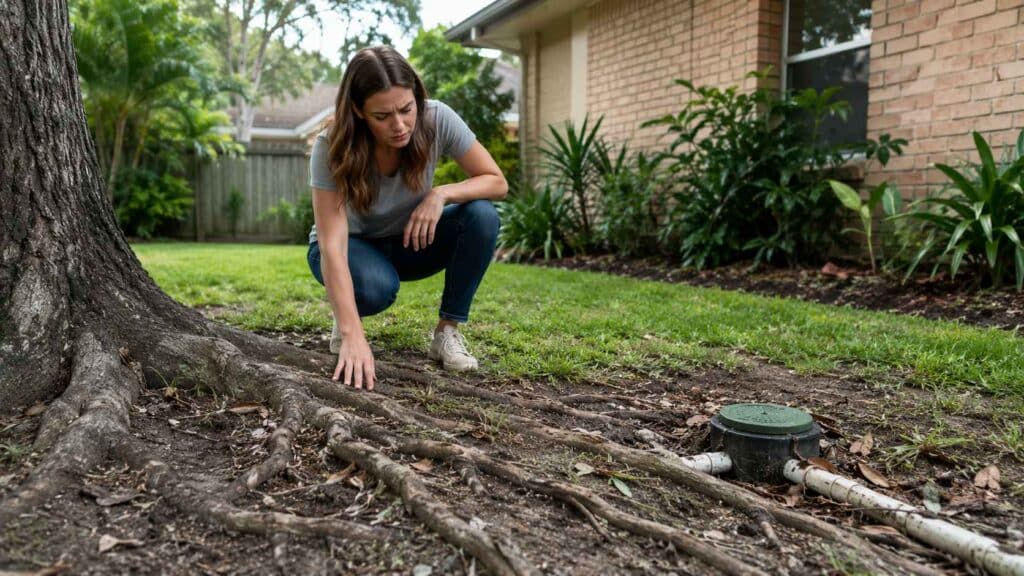
DIY methods work well for simple paper clogs near the bowl, but some situations call for licensed expertise and specialised tools. Recognising the warning signs early can prevent water damage, sewage backup, and costly emergency repairs. In NSW, any work on the sewer main or fixed plumbing beyond a simple clear must legally be carried out by a licensed plumber — Anton’s Plumbing & Gas holds NSW Lic. 210933C.
- Multiple fixtures drain slowly at once. If your shower, sink, and toilet all back up together, the blockage is in your main sewer line.
- Gurgling sounds from other drains. Air trapped by a deep clog escapes through nearby fixtures, creating bubbling or gurgling noises.
- Foul odours that persist after flushing. Sewage smells indicate waste is not moving through the system properly.
- Water pooling around the toilet base. A leaking wax ring or cracked flange can allow water to seep out during a clog, damaging your subfloor.
- Visible tree roots in your yard near the sewer line. Roots seek moisture and can infiltrate clay or PVC pipes through tiny cracks — common in older Sydney suburbs with established street trees.
When you call a licensed Sydney plumber like Anton’s Plumbing & Gas, our team arrives the same day with a CCTV drain camera to pinpoint the exact location and cause of the blockage. We clear the line using high-pressure water jetting or mechanical augering, then provide a clear report with photos so you understand what happened and how to prevent it. Our work complies with AS/NZS 3500 plumbing standards and NSW Fair Trading licensing requirements, and we back every job with a lifetime labour warranty. Note that any blockage found in the shared sewer main beyond your property boundary is Sydney Water’s responsibility, not the homeowner’s — our CCTV inspection can confirm exactly where the fault sits.
How Anton’s Plumbing & Gas Clears Blocked Toilets Across Sydney

When DIY attempts fail or you need a fast, guaranteed solution, our licensed plumbers (NSW Lic. 210933C) bring the right tools and training to resolve any toilet clog. We serve the Inner West, Eastern Suburbs, North Shore, Northern Beaches, Hills District, Western and South-Western Sydney, and Sutherland Shire with same-day response and 24/7 emergency availability.
Our process starts with a clear explanation of what we will do and how much it will cost in AUD — no surprises, no hidden fees. We use CCTV cameras to diagnose the blockage, then choose the safest, most effective clearing method: mechanical augering for solid obstructions, hydro jetting for grease and scale, or pipe relining for damaged sections. Every job is completed to AS/NZS 3500 standards, and we leave your bathroom clean and tidy.
You can reach us anytime at 0493 824 176, and there is no call-out fee. We charge a fixed rate for each service, quoted in AUD, so you know the total before we begin. Our lifetime labour warranty means if the same issue returns due to our workmanship, we come back and fix it at no extra charge.
Conclusion
Hot water, dishwashing liquid, bicarb soda, and a plunger can dissolve most toilet paper clogs in under an hour. When those methods fall short or blockages return, Anton’s Plumbing & Gas (NSW Lic. 210933C) delivers same-day drain clearing across Sydney with CCTV diagnosis, upfront AUD pricing, and a lifetime labour warranty. Call 0493 824 176 anytime for fast, reliable plumbing across Sydney.
Antons Plumbing & Gas specialises in blocked drains and emergency repairs across Sydney Metro. Our experienced, licensed team solves stubborn toilet clogs fast, with same-day service available. Contact us today to get started.
Related Articles
- Can Too Much Toilet Paper Clog a Toilet? Here’s What You Should Know
- Will Toilet Paper dissolve in Clogged Toilet?
- 5 Reasons Why Toilet Paper Can Clog Your Toilet
FAQs
What Can I Use To Dissolve Toilet Paper In A Clogged Toilet?
You can use hot water, dishwashing liquid, or a mixture of vinegar and bicarb soda to help dissolve toilet paper clogs. Pouring very hot water can break down the paper, while dishwashing liquid lubricates the pipes. If the clog persists, our licensed team at Antons Plumbing & Gas (NSW Lic. 210933C) can provide professional assistance to clear the blockage efficiently, anywhere in Sydney.
How Long Does It Take For Toilet Paper To Dissolve In A Toilet?
Toilet paper typically begins to break down within a few minutes when exposed to water, but complete breakdown can take longer, especially if the clog is substantial. If you’re facing a persistent blockage, we recommend contacting Antons Plumbing & Gas for a quick and effective solution.
Will Vinegar And Bicarb Soda Dissolve Toilet Paper?
Yes, a mixture of vinegar and bicarb soda can help loosen toilet paper clogs. The chemical reaction between the two creates bubbles that can help break down the paper. However, for tougher clogs, it’s best to consult with our experienced team at Antons Plumbing & Gas for reliable solutions.
Can I Use A Plunger To Unclog Toilet Paper?
Yes, using a plunger can be effective in unclogging toilet paper blockages. Ensure you use a flange plunger for better suction. If plunging doesn’t work, our skilled, licensed plumbers at Antons Plumbing & Gas are ready to assist with more advanced techniques.
What Are The Best Methods To Unclog A Toilet With Toilet Paper?
The best methods include using a plunger, hot water, or a mixture of vinegar and bicarb soda. If these methods don’t resolve the issue, you may need professional help. Antons Plumbing & Gas has over 25 years of experience handling all types of plumbing issues, ensuring your toilet is cleared and functioning smoothly.
Are Antons Plumbing & Gas Plumbers Licensed In NSW?
Yes. Antons Plumbing & Gas holds NSW Lic. 210933C, and every plumber we send is fully licensed and insured to carry out drain clearing, gas fitting, and general plumbing work anywhere in the Sydney metro area.
Do You Offer Same-Day Blocked Toilet Repairs In Sydney?
Yes, we offer same-day service across the Inner West, Eastern Suburbs, North Shore, Northern Beaches, Hills District, Western and South-Western Sydney, and Sutherland Shire. Call 0493 824 176 and we’ll get a licensed plumber to you as soon as possible.
Is There A Call-Out Fee For A Blocked Toilet Inspection?
No, Antons Plumbing & Gas does not charge a call-out fee. We provide a fixed, upfront quote in AUD before any work begins, so there are no surprises on the invoice.
Do You Provide 24/7 Emergency Plumbing In Sydney?
Yes, we’re available 24 hours a day, 7 days a week for blocked toilets, overflowing drains, and other plumbing emergencies across Sydney. Simply call 0493 824 176, day or night.
What If The Blockage Is In My Sewer Main, Not Just The Toilet?
If a CCTV inspection shows the blockage is in your main sewer line rather than the toilet trap, our licensed plumbers can clear it with hydro jetting or mechanical augering. If the fault is found in the shared sewer main beyond your property boundary, that section is generally Sydney Water’s responsibility, and we can help confirm where the boundary sits.
Do You Offer A Warranty On Blocked Drain Repairs?
Yes, every job completed by Antons Plumbing & Gas is backed by a lifetime labour warranty. If the same issue returns due to our workmanship, we return and fix it at no extra charge.
How Do I Book A Plumber For A Blocked Toilet Today?
You can call us directly on 0493 824 176 or use our online booking page to arrange a same-day visit from a licensed Sydney plumber.
Can A Blocked Toilet Cause Damage To My Sydney Home?
Yes, an unresolved blockage can lead to overflow, water damage to flooring and subfloors, and even sewage backing up into other fixtures. If DIY methods aren’t working, it’s safest to call a licensed plumber before the situation worsens.
Do You Service Strata And Rental Properties As Well As Houses?
Yes, we work with homeowners, landlords, tenants, and strata managers across Sydney. Our licensed plumbers can liaise directly with strata committees or property managers on blocked drain and toilet repairs.
What Areas Of Sydney Do You Cover For Blocked Toilets?
We cover the Sydney metro area including the Inner West, Eastern Suburbs, North Shore, Northern Beaches, Hills District, Western and South-Western Sydney, and Sutherland Shire.
Will You Give Me A Price Before You Start Work?
Yes, we always provide a fixed, upfront price in AUD before starting any job, so you know exactly what you’re paying with no hidden call-out fees or surprise extras.
Should I Try DIY Methods First Or Just Call A Plumber?
For a simple, fresh toilet paper clog, it’s fine to try hot water, dishwashing liquid, or bicarb soda and vinegar first. But if multiple fixtures are affected, water is pooling around the base, or the clog keeps returning, stop DIY attempts and call a licensed Sydney plumber to avoid water damage or a bigger repair bill.