

When you notice cloudy hot water from tap fixtures in your kitchen, bathroom, or laundry, it’s natural to feel concerned about your family’s safety. This unsettling sight raises immediate questions about whether the water is safe to drink, bathe in, or use for cooking.
This article will help you understand exactly why your hot water comes out cloudy, how to determine if it’s safe, and what steps you can take to restore clear, reliable hot water throughout your Sydney home.
Key Takeaways
- Cloudy hot water is usually caused by harmless air bubbles that dissipate within seconds of sitting in a glass.
- Mineral sediment buildup, common with Sydney’s water supply, can create persistent cloudiness that requires professional attention.
- Simple home tests can help you distinguish between safe aeration and potential contamination issues.
- Regular water heater maintenance, in line with Australian Standards, prevents most cloudy water problems before they start.
- Professional diagnosis from a licensed NSW plumber ensures your hot water system operates safely and efficiently for your family.
Main Causes Why Does My Hot Water Come Out Cloudy
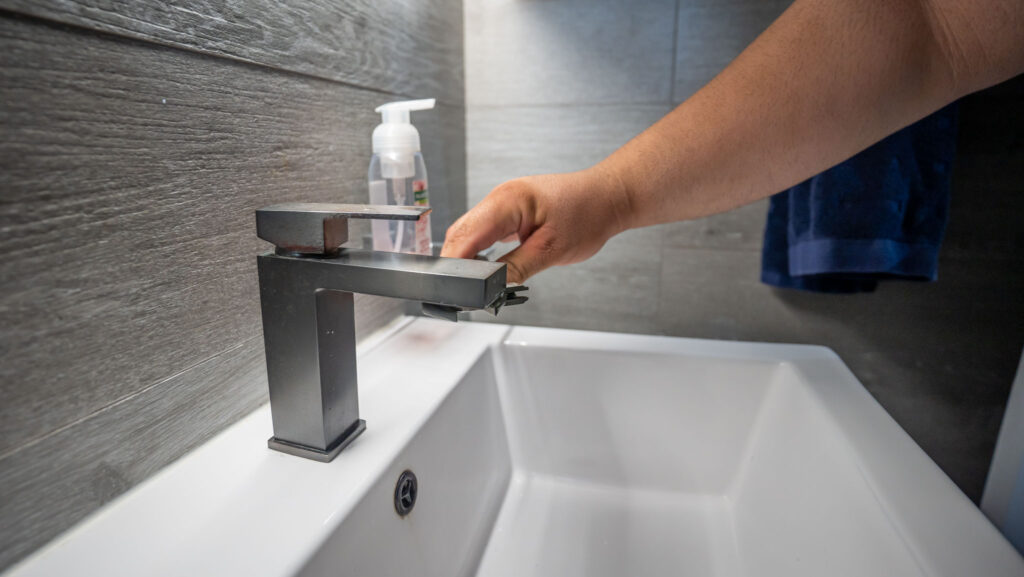
Understanding the specific causes behind cloudy hot water helps you determine whether you’re dealing with a minor issue or something requiring professional attention. The root cause often determines both the appearance of the cloudiness and how long it persists in a glass of water. Let’s examine each major cause and what it means for your home’s water system.
| Cause | Duration | Safety Level | Action Needed |
|---|---|---|---|
| Air Bubbles | 30 seconds | Safe | Monitor only |
| Mineral Sediment | Persistent | Generally safe | Professional cleaning |
| System Age | Ongoing | Usually safe | Inspection recommended |
| Pressure Issues | Variable | Safe | System check |
1. Air in Hot Water Lines
Air infiltration into your hot water lines represents the most common cause of cloudy water. This happens when your water heater refills after heavy usage, during maintenance work on your plumbing system, or after Sydney Water carries out mains work in your street.
The trapped air gradually works its way through your system and exits through your taps, creating temporary cloudiness that clears within 30 seconds.
2. Mineral Buildup and Sediment
Sydney’s water supply contains natural minerals that accumulate in your water heater over time. Calcium carbonate and other mineral deposits settle at the bottom of your tank, and vigorous heating can stir up these sediments.
This type of cloudiness often appears more persistent and may have a slightly different colour than simple air bubbles.
3. Water Heater Age and Condition
Older water heaters develop internal corrosion and sediment buildup that affects water clarity. Systems over 8-10 years old may produce increasingly cloudy water as internal components deteriorate.
The heating elements and tank walls can develop mineral deposits that break free during normal operation, creating ongoing cloudiness issues.
4. Pressure Fluctuations
Changes in your home’s water pressure can increase the amount of air dissolved in your hot water system. New appliances, plumbing modifications, or issues with your pressure relief valve can alter the normal pressure balance. Sydney’s water main pressure can also fluctuate during peak demand periods or nearby Sydney Water works.
These fluctuations often create more pronounced cloudiness that may take longer to clear from your water.
5. Faulty Tap Aerators
Blocked or damaged aerators at your taps can create additional turbulence that increases bubble formation. These small screens at the end of your tap can accumulate mineral deposits that disrupt normal water flow.
Cleaning or replacing aerators often reduces cloudiness caused by excessive aeration at the point of use, while a shower head won’t stop dripping may point to a worn washer, faulty cartridge, or pressure issue.
6. System Maintenance Effects
Recent work on your plumbing system, water heater servicing, or Sydney Water mains maintenance can introduce air into your hot water lines. This temporary condition usually resolves within 24-48 hours as the system stabilises.
Professional maintenance may temporarily increase cloudiness as sediments are disturbed during cleaning or repair work.
What Cloudy Hot Water Is Telling You About Your Plumbing

Your plumbing system communicates through various signs, and cloudy hot water, pressure changes, or a suspected leak in wall can all indicate that your system needs closer inspection. The appearance of milky or cloudy hot water typically indicates changes in pressure, temperature, or the condition of your water heating system. Understanding these signals helps you respond appropriately to protect your family’s water supply.
Normal Air Bubble Formation
The heating process naturally creates conditions for air bubble formation in your hot water system. As water heats up in your water heater, dissolved gases become less soluble and form microscopic bubbles throughout the water. These bubbles remain suspended until the water exits your tap, where the sudden pressure change causes them to become visible as cloudiness.
Pressure Changes in Your System
Your hot water system operates under significant pressure to deliver water efficiently throughout your home. When this pressurised water encounters the atmospheric pressure at your tap, the rapid decompression releases dissolved air. This process is similar to opening a carbonated beverage, though much more subtle and with completely different gases involved.
Temperature-Related Reactions
Hot water holds less dissolved air than cold water, which explains why you typically see cloudiness only from your hot water taps. The heating process drives out dissolved gases, but some remain trapped until the water exits your plumbing system. This temperature-related phenomenon is completely normal and poses no health risks to your family.
Most cases of cloudy hot water stem from completely harmless causes. Air bubbles trapped in pressurised hot water lines create the most frequent source of cloudiness. When hot water travels through your pipes under pressure and suddenly exits through your tap, dissolved air is released and forms tiny bubbles that give the water its cloudy appearance.
How to Check If Cloudy Hot Water Is Safe to Use

Determining the safety of your cloudy hot water requires simple observation tests you can perform at home. These straightforward checks help distinguish between harmless aeration and potential issues that need professional attention. Your family’s safety depends on recognising when cloudiness indicates a problem versus normal system operation.
The Clear Glass Test
Fill a transparent glass with your cloudy hot water and set it on a bench where you can observe it clearly. Safe, aerated water will begin clearing from the bottom of the glass upward as air bubbles rise to the surface. Complete clearing within 2-3 minutes indicates harmless air bubbles that pose no safety concerns for your family.
Colour and Odour Assessment
Examine your cloudy water for any unusual colours beyond the white or milky appearance of air bubbles. Safe cloudy water should have no distinct odour and should appear uniformly white or slightly grey. Any brown, yellow, or metallic colours, or unusual smells, suggest contamination that requires immediate professional evaluation and, where needed, notifying Sydney Water.
Temperature Comparison Test
Run both hot and cold water from the same tap to compare their appearance. If only your hot water appears cloudy while cold water runs clear, the issue likely stems from your water heating system rather than your main water supply. This distinction helps identify whether the problem requires water heater attention or broader plumbing system evaluation.
Multiple Tap Testing
Check several hot water taps throughout your home to determine if the cloudiness affects your entire system or just specific locations. Widespread cloudiness typically indicates water heater issues, while localised problems may stem from individual tap components. This information helps our technicians diagnose your system more efficiently when you call for professional service.
Duration Monitoring
Track how long the cloudiness persists in your glass test and whether it’s getting worse over time. Harmless air bubbles should clear consistently, while persistent cloudiness may indicate sediment or other issues requiring attention. Keep notes about timing and appearance changes to share with professional technicians if needed.
Simple Troubleshooting Steps Before You Call a Plumber

Several straightforward troubleshooting steps can help resolve minor cloudy water issues and provide valuable information for professional diagnosis if needed. These safe, simple procedures often restore clear hot water without requiring immediate professional intervention. Always prioritise safety and stop any procedure if you notice unusual smells, colours, or system behaviours.
1. Run Hot Water for an Extended Period
Turn on your hot water tap and let it run for 3-5 minutes to flush any trapped air from the lines. This process often clears temporary cloudiness caused by air infiltration after system maintenance or heavy usage periods.
Monitor the water during this process to see if clarity improves as the system cycles fresh water through the lines.
2. Check and Clean Tap Aerators
Remove the aerator from your tap by unscrewing it anticlockwise (use pliers with a cloth if it’s tight). Rinse the aerator under cold water and use an old toothbrush to remove any mineral deposits from the screen.
Reinstall the aerator and test your hot water to see if reduced turbulence decreases cloudiness at that tap.
3. Test Multiple Taps Systematically
Check hot water from kitchen, bathroom, and laundry taps to identify whether the issue affects your entire system or a specific location, especially if you are also dealing with slow bathroom drainage and wondering how to dissolve hair in drain safely. Start with the tap closest to your water heater and work outward through your home.
This systematic approach helps identify whether you’re dealing with a water heater issue or localised plumbing problems.
4. Monitor Water Heater Sounds
Listen to your water heater during operation for unusual noises like popping, crackling, or rumbling sounds that might indicate sediment buildup. These sounds often accompany persistent cloudiness caused by mineral deposits.
Document any unusual noises to report to professional technicians if the cloudiness persists after basic troubleshooting.
5. Check Water Heater Age and Maintenance History
Review when your water heater was last serviced and note its age to help determine if the cloudiness relates to normal wear or maintenance needs. Systems over 5 years old benefit from annual professional maintenance to prevent sediment-related issues.
Gather this information before calling for professional service to help technicians prepare appropriate solutions.
6. Document Patterns and Changes
Keep track of when cloudiness occurs, how long it lasts, and any recent changes to your plumbing system or water usage patterns. This information helps professional diagnostics and can reveal simple solutions.
Note whether cloudiness happens after specific activities like running multiple hot water appliances simultaneously.
7. Verify Safety Shut-offs
Before inspecting your system, make sure you know where the hot water shut off valve is located, and check that your water heater’s temperature and pressure relief valve shows no signs of leaking or corrosion. These safety components affect system pressure and can influence cloudiness patterns, and must comply with AS/NZS plumbing standards.
Never attempt to adjust or repair these safety devices yourself. If your troubleshooting doesn’t resolve the cloudiness, or you’re not confident working on the system, call a licensed Sydney plumber (NSW Lic. 210933C) on +61 493 824 176 for any safety-related concerns.
Clear, Reliable Hot Water With Antons Plumbing and Gas

When troubleshooting steps don’t resolve your cloudy hot water issues, professional diagnosis ensures your family’s safety and system reliability. Our licensed technicians (NSW Lic. 210933C) bring 25+ years of experience diagnosing water heater problems throughout Sydney, from simple sediment buildup to complex system failures. We use specialised equipment to test water quality, inspect internal components, and identify the exact cause of persistent cloudiness, in line with NSW plumbing regulations and Sydney Water requirements.
Our comprehensive hot water system services include tank flushing to remove accumulated sediment, heating element inspection and replacement, and complete system evaluation for safety and efficiency. We work with all major water heater brands, provide upfront pricing in AUD, and can explain plumber near me prices so you understand whether repair or replacement offers the best value for your situation.
Professional Water Heater Inspection
Our technicians perform thorough internal inspections using specialised cameras and testing equipment to identify sediment levels, corrosion, and component wear. This diagnostic process reveals exactly why your hot water comes out cloudy and determines the most effective solution.
We document our findings with clear explanations and photos so you understand your system’s condition and recommended repairs.
Sediment Removal and Tank Flushing
Professional tank flushing removes accumulated minerals and debris that cause persistent cloudiness in your hot water supply, a common issue given Sydney’s mineral water content. Our process includes draining your tank, flushing with clean water, and inspecting internal components for damage or excessive wear.
This service often restores clear hot water immediately and extends your water heater’s operational life significantly.
System Pressure and Safety Testing
We test your water heater’s pressure relief systems, temperature controls, and safety shut-offs to ensure proper operation and compliance with Australian Standards. These components directly affect water clarity and system safety for your family.
Our testing identifies potential safety issues before they become serious problems requiring emergency repairs.
For immediate assistance with persistent cloudy hot water issues, leaking pipes, blocked drains, or installing a drainage system in your yard, call us or book online for same-day service throughout Sydney and greater NSW. Our licensed, insured technicians (Lic: 210933C) provide reliable solutions that restore clear, safe hot water for your entire household.
Conclusion
Cloudy hot water usually results from harmless air bubbles that clear within minutes, though persistent cloudiness may indicate sediment buildup requiring professional attention. Simple home tests help distinguish safe aeration from potential system issues that need expert diagnosis. Professional water heater maintenance ensures your family enjoys clear, reliable hot water while preventing costly emergency repairs.
Antons Plumbing & Gas diagnoses cloudy hot water issues with expert hot water system repairs across Sydney Metro. Our licensed NSW technicians (Lic. 210933C) identify root causes and provide lasting solutions with upfront pricing. Get started with same-day service today.
FAQs
Why Is Only My Hot Water Cloudy And Not My Cold Water?
Cloudy hot water is often caused by the presence of air bubbles or minerals in the water, which can be more noticeable when heated. If your cold water remains clear, it indicates that the issue is likely with the hot water system or the heating process itself. Our experienced Sydney team can diagnose the exact cause and recommend the best solution.
Is Cloudy Hot Water Dangerous?
In most cases, cloudy hot water is not dangerous and is typically due to harmless air bubbles or minerals. However, if you notice persistent cloudiness accompanied by unusual odours or tastes, it’s wise to consult a professional. Our licensed plumbers are here to ensure your water quality meets NSW health and safety standards.
Can A Failing Water Heater Cause Cloudy Water?
Yes, a failing water heater can cause cloudy water. Sediment buildup or corrosion within the tank may release particles into the water, leading to cloudiness. If you suspect your water heater is the culprit, our skilled technicians can conduct a thorough inspection and recommend necessary repairs or replacements.
How Do You Fix Cloudy Hot Water?
Fixing cloudy hot water typically involves flushing the water heater to remove sediment or checking for air bubbles. Our team at Antons Plumbing & Gas has over 25 years of experience in addressing plumbing and gas issues and can provide targeted solutions to restore your water clarity.
When Should I Call A Plumber For Cloudy Or Milky Water?
If your hot water remains cloudy or milky for an extended period, or if you notice any accompanying unusual smells or tastes, it’s time to call a plumber. Our 24/7 emergency service means we can quickly assess cloudy hot water concerns and other urgent plumbing issues, including how to fix a toilet that won’t flush, blocked drains, and leaking fixtures.
Do You Offer Same-Day Hot Water Repairs In Sydney?
Yes, we offer same-day service across Sydney Metro for cloudy hot water, leaks, and other urgent plumbing problems. Call +61 493 824 176 or book online and our team will organise a visit at a time that suits you.
Are Your Plumbers Licensed To Work On Hot Water Systems In NSW?
Yes. Antons Plumbing & Gas holds NSW Lic. 210933C, and all hot water system repairs, replacements, and gas work are carried out by fully licensed and insured tradespeople in accordance with NSW regulations.
How Quickly Can I Book An Emergency Plumber Near Me?
We prioritise emergency calls for issues like persistent cloudy water, no hot water, or leaks. Phone us directly on +61 493 824 176 and we’ll advise on the fastest available appointment for your suburb.
Do You Service All Sydney Suburbs?
We service Sydney Metro and surrounding NSW suburbs. If you’re unsure whether we cover your area, give us a call and we’ll confirm availability and arrange a booking.
What Does A Hot Water System Inspection Include?
Our inspections cover tank condition, sediment levels, pressure relief valve function, and overall compliance with Australian Standards. We’ll walk you through the findings and recommend the right fix before any work begins.
Can You Replace My Old Hot Water System If Repairs Aren’t Cost-Effective?
Yes, if your system is old or beyond economical repair, our technicians will explain your options and provide an upfront quote in AUD for a replacement that suits your household’s needs.
Do You Provide Upfront Pricing Before Starting Work?
Yes, we always confirm pricing with you in AUD before any work begins, so there are no surprises. You’ll know the cost of diagnosis and repair upfront.
Is My Hot Water System Covered By Sydney Water Regulations?
Hot water systems connected to the mains fall under NSW plumbing regulations and Sydney Water requirements. Our licensed plumbers ensure any repair or installation work meets these obligations.
What Brands Of Hot Water Systems Do You Service?
We service all major hot water system brands commonly installed in Sydney homes, including gas, electric, and heat pump systems. Let us know your system type when booking so we arrive with the right parts.
How Often Should I Have My Hot Water System Serviced?
Systems over 5 years old benefit from annual professional servicing to prevent sediment buildup and extend operational life. We can set up a maintenance visit as part of your booking.
Can I Book A Plumber Online?
Yes, you can book online for cloudy hot water diagnosis, general repairs, or maintenance, or call us directly if you need same-day attention.
Do You Handle Both Gas And Electric Hot Water Systems?
Yes, our licensed technicians work on both gas and electric hot water systems, including diagnosis, repair, servicing, and replacement, all carried out under NSW Lic. 210933C.
What Should I Do If My Hot Water Suddenly Stops Working After Cloudiness?
If your hot water stops completely after a period of cloudiness, turn off the system at the isolation valve and call us straight away so a licensed technician can assess the fault safely.
Do You Offer Warranties On Repairs?
We stand behind our workmanship on hot water system repairs and replacements. Ask our technician about the specific warranty terms that apply to your job when you book.
How Do I Get A Quote For Hot Water System Repair Or Replacement?
Call +61 493 824 176 or book online and describe your cloudy hot water issue. We’ll arrange an inspection and provide an upfront quote in AUD before any work starts.