

Hot water systems work hard every day, heating water that carries dissolved minerals like calcium, magnesium and iron. Over time, these minerals settle and form sediment build-up at the bottom of the tank, reducing efficiency, increasing energy costs and shortening the lifespan of your unit. Recognising the early warning signs helps you avoid cold showers, costly breakdowns and emergency call-outs — particularly relevant across Sydney and NSW, where water hardness and older plumbing can speed up the process.
This article explains what sediment build-up looks like from a technician’s perspective, the signs our team checks during inspections, and how regular servicing protects your investment. You will learn how to spot problems early and when to call a licensed plumber for a professional assessment. Any work touching the temperature-pressure relief valve, tempering valve, or gas and electrical connections on a hot water system must legally be carried out by a licensed plumber under NSW Fair Trading rules — Antons Plumbing & Gas holds NSW Licence 210933C.
Key Takeaways
- Sediment build-up forms when dissolved minerals and particles accumulate at the base of hot water tanks, reducing heating efficiency and increasing wear.
- Common signs include rumbling noises, inconsistent water temperature, discoloured water, and longer heating times.
- Technicians inspect anode rods, temperature-pressure relief valves, and sediment layers using drain tests and visual checks.
- Regular flushing and annual inspections extend system life and prevent costly emergency repairs.
- Sydney’s hard water accelerates sediment deposition, making proactive maintenance essential for tank longevity.
Understanding Sediment Buildup in Hot Water Tanks

Sediment is solid material made of loose particles, including sand, silt, rust, and mineral deposits. In hot water systems, sediment deposition occurs when water is heated and minerals like calcium and magnesium precipitate out of solution, settling at the bottom of the tank. This layer grows thicker over time, creating a barrier between the heating element and the water.
The build-up acts like an insulating blanket, forcing the heating element to work harder and longer to raise water temperature. Energy consumption climbs, and the element itself can overheat, crack, or fail prematurely.
Across Sydney, where water hardness varies from suburb to suburb depending on the Sydney Water supply zone, sediment accumulation happens faster in areas with higher mineral content. Homes in Western Sydney and parts of the Inner West often see accelerated build-up compared with properties on softer water supplies.
Why Sediment Deposition Happens Faster in Some Systems

Not all hot water systems develop sediment at the same rate. Several factors influence how quickly particles accumulate and how much damage they cause. Understanding these variables helps you predict maintenance needs and plan inspections.
1. Water Hardness and Mineral Content
Water with high concentrations of calcium and magnesium leaves more residue. Each heating cycle deposits a fresh layer, and over months or years, the sediment layer can reach several centimetres thick.
2. Tank Temperature Settings
Higher thermostat settings accelerate mineral precipitation. Tanks set above 60°C produce more sediment than those running at lower temperatures, though lower settings may not meet Australian Standards or NSW Health guidelines for Legionella control.
3. Frequency of Use
Systems that heat water constantly, such as those in large families or commercial settings, cycle minerals through the tank more often. More heating cycles mean more sediment deposition over the same period.
4. Age of the System
Older tanks with corroded anode rods or worn linings release rust and metal particles into the water. These fragments mix with mineral deposits, creating a denser, harder sediment layer that is more difficult to flush.
5. Lack of Regular Flushing
Tanks that have never been drained or flushed accumulate sediment without interruption. The build-up compacts over time, reducing tank capacity and increasing the risk of element failure or tank corrosion.
Signs a Technician Looks for During Inspections
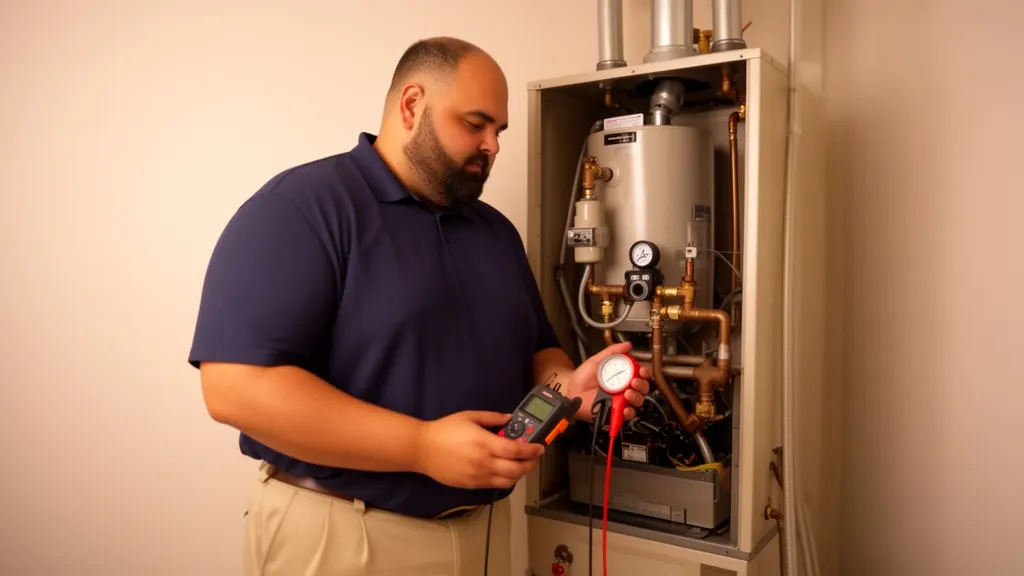
When our team inspects a hot water system, we follow a systematic process to identify sediment build-up and assess its impact. These checks reveal problems before they escalate into emergency repairs or complete system failure. Early detection saves money and extends the life of your unit.
Rumbling or Popping Noises
One of the clearest indicators is sound. When sediment covers the heating element, pockets of water trapped beneath the layer boil and escape, creating rumbling, popping, or banging noises. This sound is often described as a kettle boiling and signals that the element is overheating.
Inconsistent Water Temperature
Sediment build-up reduces the effective volume of hot water available. You may notice shorter showers before the water turns lukewarm, or taps that deliver hot water intermittently. The heating element struggles to maintain consistent temperature because the sediment layer insulates it from the bulk of the water.
Discoloured or Cloudy Water
Rust-coloured, brown, or cloudy hot water often indicates sediment disturbance or corrosion inside the tank. When sediment mixes with water during high-demand periods, it flows through taps and showerheads, leaving stains and affecting water clarity.
Longer Heating Times
If your system takes noticeably longer to reheat after use, sediment may be insulating the element. The unit runs longer cycles, consuming more electricity or gas while delivering less hot water.
Reduced Water Pressure from Hot Taps
Sediment can block or partially obstruct outlet pipes, reducing flow from hot taps while cold taps maintain normal pressure. This symptom is common in older systems where sediment has hardened and spread beyond the tank base.
Visible Sediment During Drain Tests
Technicians open the drain valve and collect a sample of water. If the discharge is cloudy, gritty, or contains visible particles, sediment build-up is present. The colour and texture of the sample help us estimate the severity and composition of the deposits.
Corroded or Depleted Anode Rod
The sacrificial anode rod protects the tank from corrosion. During inspections, we remove and inspect the rod. If it is heavily corroded or reduced to a thin wire, the tank is vulnerable, and sediment build-up often accelerates as rust particles enter the water.
How Sediment Buildup Damages Hot Water Systems
Left unchecked, sediment deposition causes progressive damage that shortens system life and increases repair costs. Understanding the mechanics helps you appreciate why regular maintenance is not optional. The consequences range from minor inefficiencies to catastrophic tank failure.
Overheating and Element Failure
When sediment insulates the heating element, the element cannot transfer heat to the water efficiently. It overheats, and the metal expands and contracts repeatedly, leading to cracks, breaks, or complete burnout. Replacing an element is straightforward, but repeated failures indicate a deeper sediment problem.
Accelerated Tank Corrosion
Sediment traps moisture against the tank floor, creating an environment where corrosion thrives. The protective glass lining inside the tank can crack under thermal stress, exposing bare steel to water. Once corrosion begins, it spreads, and the tank may develop leaks or fail entirely.
Increased Energy Consumption
A sediment-laden tank uses more energy to heat the same volume of water. The heating element runs longer, and standby heat loss increases because the insulating sediment layer retains heat poorly. Your electricity or gas bills climb without any increase in hot water output.
Reduced Tank Capacity
Sediment occupies space at the bottom of the tank, reducing the volume available for hot water. A 250-litre tank with ten centimetres of sediment may only deliver 200 litres of usable hot water, forcing the system to reheat more frequently.
Valve and Pipe Blockages
Sediment can migrate into outlet pipes, temperature-pressure relief valves, and drain valves, causing blockages or preventing valves from seating correctly. A stuck relief valve poses a safety risk, as it cannot release excess pressure during overheating events.
Sediment Traps and Prevention Strategies
While sediment build-up is inevitable in any hot water system, several strategies reduce the rate of accumulation and protect your investment. These methods range from simple homeowner tasks to professional interventions that extend system life and maintain efficiency.
- Annual flushing: Draining the tank once a year removes loose sediment before it compacts and hardens, keeping the base clear and the element exposed to water.
- Anode rod replacement: Replacing the sacrificial anode rod every three to five years prevents rust particles from mixing with mineral deposits, slowing sediment formation.
- Temperature adjustment: Setting the thermostat to the minimum safe temperature (60°C for Legionella control, per AS/NZS 3500 and NSW Health guidance) reduces mineral precipitation without compromising safety or compliance.
- Water softening: Installing a water softener or sediment filter upstream of the hot water system removes calcium and magnesium before they enter the tank, dramatically reducing sediment deposition.
- Professional inspections: Annual inspections by a licensed Sydney plumber identify early signs of sediment build-up, allowing timely intervention before damage occurs.
Many homeowners ask whether sediment traps, similar to those used in stormwater or gas lines, can be installed in hot water systems. While sediment forebays and sediment socks are effective in stormwater management, hot water tanks rely on regular flushing rather than external traps to manage sediment. Any wastewater discharged during flushing should go to the sewer in line with Sydney Water’s plumbing and trade waste rules, which is another reason to have this work done by a licensed plumber.
The Role of Regular Maintenance in Managing Sediment Buildup
Routine maintenance is the most effective way to control sediment deposition and prevent costly breakdowns. Our team recommends a proactive approach that combines homeowner vigilance with professional servicing. This strategy keeps systems running efficiently and extends their operational life well beyond the manufacturer’s minimum warranty period.
During a standard hot water service, we drain the tank completely, flush the interior with clean water, and inspect the anode rod, heating element, and temperature-pressure relief valve. We also test the thermostat, check for leaks, and measure recovery time to ensure the system meets performance standards under AS/NZS 3500.
For systems showing heavy sediment build-up, we may recommend a chemical descaling treatment or complete tank replacement if corrosion has compromised the tank shell. We explain all options clearly, with upfront pricing in AUD and no obligation to proceed.
When to Call a Licensed Plumber for Sediment Issues

Some sediment problems require professional attention. Attempting DIY repairs on pressurised hot water systems is dangerous and may void warranties or breach Australian Standards and NSW plumbing regulations. Knowing when to call for help protects your safety and your investment.
1. No Hot Water or Severely Reduced Output
If your system fails to produce hot water or delivers only a trickle of lukewarm water, sediment may have blocked the element or outlet pipes. We diagnose the root cause using pressure tests and visual inspections, then clear blockages or replace damaged components.
2. Persistent Rumbling or Banging Noises
Loud noises that continue after flushing indicate compacted sediment or a failing element. We remove the element, clean the tank interior, and replace worn parts to restore quiet, efficient operation.
3. Visible Leaks or Corrosion
Leaks around the base of the tank, at pipe connections, or from the relief valve often signal advanced sediment damage. We assess whether repair is viable or if replacement is the safer, more cost-effective option.
4. Discoloured Water That Does Not Clear
If flushing the system does not resolve discoloured water, internal corrosion or a failed anode rod is likely. We inspect the tank interior, test water quality, and recommend the appropriate repair or replacement.
5. High Energy Bills Without Increased Usage
A sudden spike in electricity or gas costs, with no change in household hot water use, points to inefficiency caused by sediment build-up. We measure system performance and restore efficiency through cleaning or component replacement.
Our team provides same-day service across Sydney, with no call-out fee for jobs booked between 7am and 3pm on weekdays. We carry common parts and tools on every van, so most sediment-related repairs are completed in a single visit. As a fully licensed plumbing business (NSW Lic. 210933C), we ensure every repair meets NSW plumbing and gasfitting regulations.
How We Service Hot Water Systems at Antons Plumbing & Gas
Our hot water servicing process is designed to identify and resolve sediment build-up before it causes failure. We follow Australian Standards and manufacturer guidelines, using quality parts and transparent communication at every step. Every job is backed by our lifetime labour warranty, giving you confidence that the work is done right.
We start by isolating the system and allowing it to cool. We then attach a hose to the drain valve and open it to release water and sediment, directed to an appropriate sewer connection in line with Sydney Water requirements. If the discharge is heavily contaminated, we flush the tank multiple times until the water runs clear.
Next, we remove the anode rod and inspect it for corrosion. If the rod is depleted, we install a new one to protect the tank. We also check the heating element for scale build-up, cracks, or signs of overheating, and replace it if necessary.
Finally, we test the temperature-pressure relief valve, verify thermostat settings, and refill the tank. We monitor the first heating cycle to confirm the system reaches temperature efficiently and quietly. Before we leave, we clean up completely and walk you through what we found and what we did.
For homes with persistent sediment issues, we discuss long-term solutions such as water softeners, upgraded anode rods, or replacement with a more efficient model. We present clear options with honest advice and upfront pricing in AUD, so you can make an informed decision based on your budget and needs.
Sediment Buildup in Different Hot Water System Types
Electric storage tanks, gas storage tanks, and continuous flow systems each handle sediment differently. Understanding these differences helps you tailor maintenance schedules and set realistic expectations for performance and longevity.
Electric Storage Tanks
Electric systems are most vulnerable to sediment build-up because the element sits at the base of the tank, directly in the sediment layer. Overheating and element failure are common if the tank is not flushed regularly. Annual servicing is essential for these units.
Gas Storage Tanks
Gas systems heat water via a burner beneath the tank, so the flame does not contact sediment directly. Sediment still reduces efficiency and tank capacity, but element failure is not a concern. Flushing every 12 to 18 months is usually sufficient. Any gas connection work must be carried out by a licensed gasfitter, which is part of our NSW licence.
Continuous Flow (Instantaneous) Systems
These systems do not store water, so sediment deposition is minimal. Scale can build up on the heat exchanger, reducing flow and efficiency, but the risk is lower than in storage tanks. Descaling every few years maintains performance.
Heat Pump Systems
Heat pumps use a storage tank and are subject to the same sediment issues as electric storage systems. The compressor and evaporator are separate from the tank, so sediment does not affect those components, but the tank still requires regular flushing.
Solar Hot Water Systems
Solar systems with storage tanks accumulate sediment in the tank, while the roof-mounted collectors remain unaffected. The tank should be flushed annually, and the collectors inspected for scale build-up in hard water areas.
Common Mistakes That Worsen Sediment Buildup
Homeowners sometimes take actions that accelerate sediment accumulation or make it harder to remove. Avoiding these mistakes protects your system and reduces long-term maintenance costs.
One common error is ignoring early warning signs. Rumbling noises or discoloured water are not normal and will not resolve on their own. Delaying action allows sediment to compact and harden, making flushing less effective and increasing the risk of element or tank failure.
Another mistake is setting the thermostat too high. While hotter water may seem more convenient, temperatures above 65°C accelerate mineral precipitation and sediment deposition. The Australian Standard AS/NZS 3500 recommends 60°C for Legionella control, which balances safety and efficiency and is consistent with NSW Health guidance.
Attempting to flush the tank without proper tools or knowledge can cause leaks or damage. Drain valves can become clogged with sediment, and forcing them open may break the valve or strip the threads. We recommend leaving flushing to a licensed plumber who can handle complications safely and in line with NSW plumbing regulations.
Finally, neglecting the anode rod is a critical oversight. This inexpensive component protects the tank from corrosion, and replacing it every few years prevents rust particles from mixing with sediment. Once the rod is fully consumed, the tank begins to corrode, and sediment build-up accelerates.
Why Sydney Homes Face Unique Sediment Challenges
Sydney’s water supply varies in hardness depending on the source and distribution zone managed by Sydney Water. Homes in areas served by Warragamba Dam generally receive softer water, while suburbs relying on bore water or desalinated supplies may experience higher mineral content. This variation means sediment build-up rates differ across the city.
Older homes with original clay or galvanised steel pipes can introduce additional sediment into the hot water system. Rust and pipe scale mix with mineral deposits, creating a dense, abrasive sediment layer that damages tanks and elements faster than mineral-only build-up.
Heritage homes and properties with older plumbing infrastructure benefit from regular inspections and proactive sediment management. We tailor our maintenance schedules to suit the age, condition, and location of your system, ensuring reliable hot water year-round across Sydney and NSW.
Conclusion
Sediment build-up is a natural consequence of heating mineral-rich water, but it does not have to shorten the life of your hot water system. Recognising the signs early and scheduling regular maintenance keeps your unit running efficiently, safely, and reliably. Our fully licensed team (NSW Lic. 210933C) is ready to inspect, flush, and service your system with same-day availability and upfront pricing in AUD. Call +61 493 824 176 or book online to protect your investment and enjoy consistent hot water across Sydney.
Antons Plumbing & Gas provides expert hot water system maintenance across Sydney Metro for sediment flushing and efficiency repairs. Our licensed technicians diagnose build-up issues with precision and upfront pricing. Get started with same-day service today.
Related Articles
- Pressure Relief Valve Types: What They Mean for Australian Hot Water Systems
- Water Heater Anode Rod Replacement: When Your Hot Water System Needs Attention
- Pipes Clogged With Sediment? Why Your Water Flow May Be Slowing Down
FAQs
What Causes Sediment Buildup?
Sediment build-up in hot water systems is typically caused by minerals such as calcium and magnesium in the water supply. Over time, these minerals accumulate at the bottom of the tank, especially in areas with hard water like parts of Sydney. Additionally, rust and debris can contribute to sediment formation, particularly in older systems.
How Do You Remove Sediment Buildup?
Removing sediment build-up often involves flushing the hot water system. This process includes draining the tank and rinsing it with water to dislodge the sediment. Our experienced, licensed technicians at Antons Plumbing & Gas can efficiently perform this service, ensuring your system runs smoothly and effectively.
Is Sediment Buildup Harmful?
Yes, sediment build-up can be harmful. It can reduce the efficiency of your hot water system, leading to higher energy bills and potentially causing damage over time. In severe cases, it can result in leaks or complete system failure. Regular maintenance by our skilled team can help mitigate these risks.
How Can You Prevent Sediment Buildup?
Preventing sediment build-up involves regular maintenance, including flushing your hot water system annually. Using a water softener can also reduce the hardness of your water. Our qualified technicians can provide tailored solutions to help you maintain a clean and efficient hot water system.
What Are the Signs of Sediment Buildup?
Signs of sediment build-up include discoloured water, strange noises from the tank, fluctuating water temperatures, and reduced hot water supply. If you notice any of these symptoms, it’s advisable to contact Antons Plumbing & Gas for a thorough inspection and prompt service.
How Much Does a Hot Water System Flush Cost in Sydney?
Pricing depends on your system type, its condition, and how much sediment has built up. We provide upfront, obligation-free pricing in AUD before any work begins, so there are no surprises. Call our team on +61 493 824 176 and we’ll talk you through the likely scope and cost for your specific system.
Do You Offer Same-Day Hot Water Repairs in Sydney?
Yes. We offer same-day service across Sydney for sediment flushing, anode rod replacement, and hot water repairs, with no call-out fee for jobs booked between 7am and 3pm on weekdays. Book online or call us to check availability in your suburb.
Are You a Licensed Plumber in NSW?
Yes. Antons Plumbing & Gas holds NSW Licence 210933C, covering plumbing and gasfitting work. This means any sediment flush, valve replacement, or gas hot water repair we carry out meets NSW plumbing regulations and Australian Standards.
What Suburbs Do You Service Around Sydney?
We service homes and businesses across Sydney Metro, including suburbs such as Cherrybrook, West Ryde, Winston Hills, and Dural, among many others. Contact us with your suburb and we’ll confirm availability and the fastest booking slot.
How Often Should I Have My Hot Water System Flushed?
Most Sydney homes benefit from an annual flush, though homes on harder water supplies may need it more often. Our technicians can recommend a schedule tailored to your system type, age, and local water hardness during a routine inspection.
Can Sediment Buildup Void My Hot Water System Warranty?
Many manufacturers require proof of regular servicing to honour a warranty claim, and unaddressed sediment damage can sometimes be used to deny a claim. Booking annual servicing with a licensed plumber gives you documented proof of maintenance and helps protect your warranty.
Do You Offer Emergency Plumbing Services for Hot Water Failures?
Yes, we respond quickly to no-hot-water emergencies, leaks, and unusual noises across Sydney. Call +61 493 824 176 and we’ll get a licensed technician out to diagnose and resolve the sediment or component issue as quickly as possible.
What Should I Do If My Hot Water System Is Making Loud Noises?
Turn the system’s temperature down slightly if it’s safe to do so and avoid using large amounts of hot water until it’s inspected. Rumbling or banging noises usually indicate sediment build-up around the element, so book a service with our team promptly to prevent element or tank failure.
Is a Permit Required to Replace a Hot Water System in Sydney?
Certain hot water system installations and replacements require notification to Sydney Water or a compliance certificate under NSW plumbing regulations, depending on the work involved. As a licensed plumbing business, we handle this documentation for you as part of the job.
Does Sydney Water Have Rules About Draining or Flushing a Hot Water Tank?
Wastewater from flushing a hot water system needs to be discharged appropriately, in line with Sydney Water’s plumbing and trade waste requirements. Our licensed plumbers manage this correctly on every job, so you don’t need to worry about compliance.
Can I Flush My Own Hot Water System, or Should I Hire a Professional?
While basic draining can sometimes be done by homeowners, pressurised systems, gas connections, and safety valves carry real risk if handled incorrectly, and DIY work can void warranties. We recommend booking a licensed plumber to flush the system safely and check for underlying issues at the same time.
How Long Does a Sediment Flush Take?
Most sediment flushes and inspections are completed within a single visit, though heavily sedimented tanks may take a little longer to flush thoroughly. Our vans carry common parts, so if a component like the anode rod needs replacing, we can usually do it on the spot.
Do You Provide Upfront Quotes Before Starting Work?
Yes, we always provide clear, upfront pricing in AUD before starting any job, with no hidden fees. You’ll know exactly what the service involves and what it costs before our technician begins work.
How Do I Book a Hot Water System Inspection With Antons Plumbing & Gas?
You can book online through our website or call us directly on +61 493 824 176. Let us know the symptoms you’re noticing — noises, discoloured water, or reduced hot water — and we’ll schedule a licensed technician to inspect and service your system, often on the same day.
What Happens If My Tank Needs Replacing Instead of Flushing?
If sediment damage or corrosion has compromised the tank shell beyond repair, we’ll explain why flushing alone won’t fix it and provide options for a replacement system, along with transparent AUD pricing. We only recommend replacement when it’s genuinely the safer or more cost-effective path.