

Hot water systems across Sydney rely on pressure relief valves to prevent dangerous over-pressure and temperature spikes. These small safety devices automatically release built-up pressure when it exceeds safe limits, protecting your home from tank rupture, scalding water, and property damage. Understanding the different pressure relief valve types used in Australian hot water systems helps you recognise when maintenance or replacement is needed—and why compliance with AS/NZS 3500 plumbing standards matters.
This guide explains the main pressure relief valve types fitted to electric, gas, and solar hot water systems in Sydney homes. You will learn how each valve works, why regular testing is essential, and when to call a licensed plumber for inspection or replacement. Anton’s Plumbing & Gas is a fully licensed Sydney plumbing business (NSW Lic. 210933C) — if you notice any of the warning signs below, call us on 0493 824 176 for same-day help across Sydney Metro.
Key Takeaways
- Pressure relief valves automatically release excess pressure or temperature from hot water systems to prevent tank failure and injury.
- Spring-operated valves are the most common type in residential hot water systems across Australia.
- Temperature and pressure relief valves combine both functions in a single unit, meeting AS/NZS 3500 requirements for most installations.
- Pilot-operated valves are typically reserved for larger commercial or industrial systems where precise control is needed.
- Regular testing and replacement of faulty valves is a legal requirement under NSW plumbing regulations and protects your household.
- Antons Plumbing & Gas provides same-day hot water system inspections, valve testing, and compliant replacement across Sydney Metro.
What Pressure Relief Valves Do in Hot Water Systems
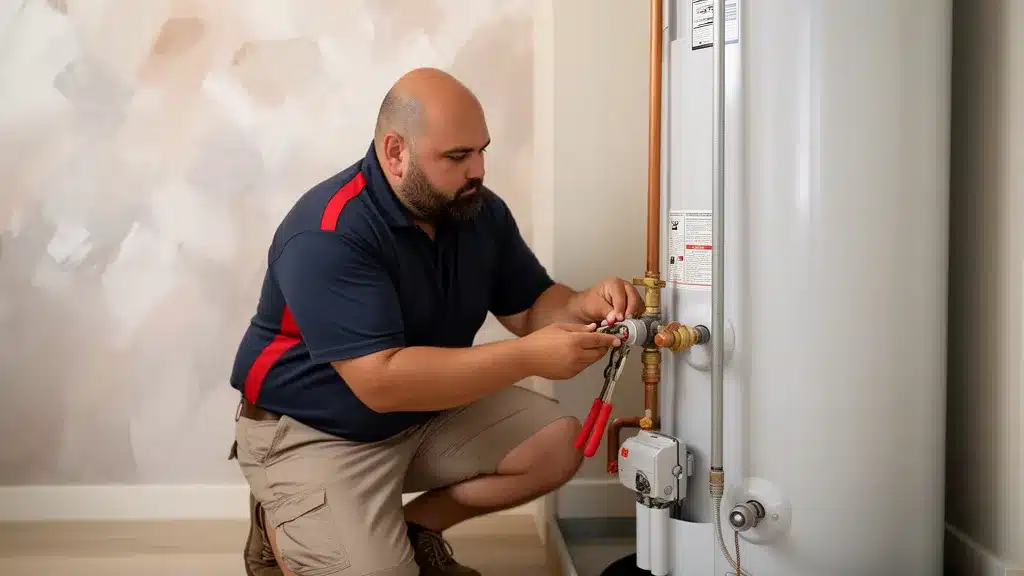
A pressure relief valve is a safety device that automatically releases pressure from a hot water tank when internal pressure or temperature exceeds preset limits. Without this valve, trapped steam or expanding water can cause the tank to rupture, sending scalding water and metal fragments through your home. Every hot water system installed in Australia must include a compliant relief valve that meets Australian Standards and local plumbing codes.
The valve sits on top of or near the hot water cylinder and connects to a discharge pipe that runs safely outside your property. When pressure builds beyond the valve’s rating—usually 1000 kPa for residential systems—the valve opens and releases water until pressure drops back to safe levels.
Sydney homeowners often notice small amounts of water dripping from the relief valve discharge pipe. This is normal during heating cycles, but constant or heavy discharge signals a fault that requires immediate attention from a licensed plumber.
Understanding the Main Pressure Relief Valve Types
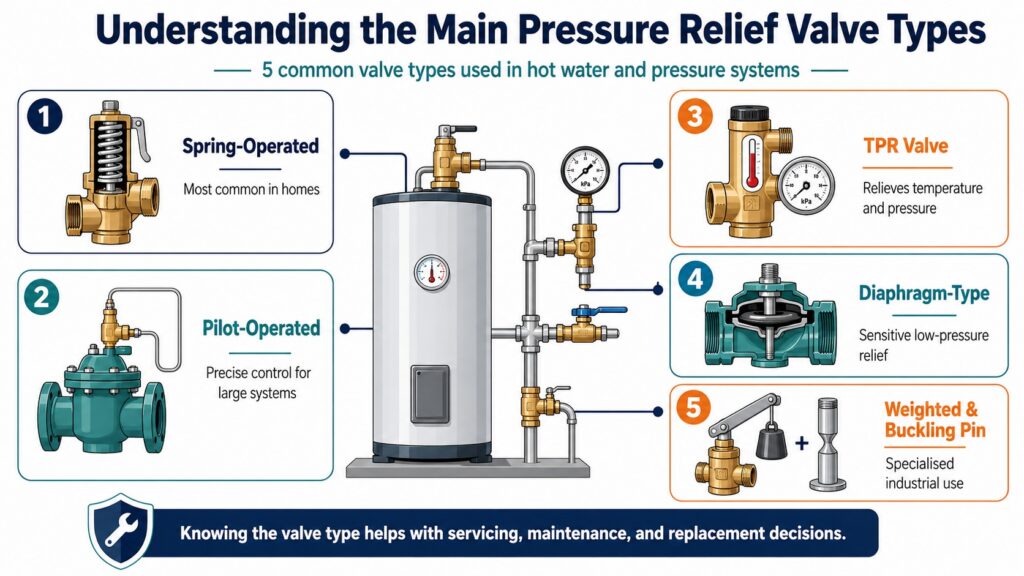
Different hot water systems use specific valve designs based on tank size, pressure rating, and application. The three core types found in Australian homes and businesses are spring-operated valves, pilot-operated valves, and combination temperature-pressure relief valves. Each type responds to different triggers and offers distinct advantages for particular installations.
Knowing which valve type protects your hot water system helps you communicate clearly with your plumber during service calls. It also helps you understand why certain valves need replacement more frequently than others.
1. Spring-Operated Pressure Relief Valves
Spring-operated valves are the most common type fitted to residential hot water systems across Sydney. A calibrated spring holds the valve disc closed against the seat. When water pressure inside the tank exceeds the spring’s preset force, the valve opens and releases water until pressure drops back below the threshold. The spring then closes the valve automatically.
These valves are simple, reliable, and cost-effective for standard domestic installations. They require no external power or pilot control and respond instantly to pressure changes. Most electric storage hot water systems and gas continuous flow units use spring-operated relief valves rated at 1000 kPa.
2. Pilot-Operated Pressure Relief Valves
Pilot-operated valves consist of a main valve body and a smaller pilot valve that monitors system pressure. The pilot valve controls the opening and closing of the main valve, offering more precise pressure regulation than direct spring operation. When pressure exceeds the preset value, the pilot valve triggers the main valve to open and discharge water.
These valves are typically reserved for larger commercial hot water systems, industrial boilers, and high-capacity installations where tight pressure control is critical. Sydney strata buildings with centralised hot water plants sometimes use pilot-operated valves to manage higher flow rates and pressure fluctuations across multiple units.
3. Temperature and Pressure Relief Valves
Temperature and pressure relief valves—often called TPR valves or TPRV—combine both functions in a single unit. The valve responds to either excessive pressure or excessive temperature, whichever occurs first. A spring mechanism controls pressure relief, while a temperature-sensing probe extends into the hot water tank to detect overheating.
Australian Standards require TPR valves on most residential hot water systems because they protect against both pressure and temperature hazards. If the thermostat fails and water temperature climbs above 99°C, the TPR valve opens automatically to prevent steam build-up and tank explosion. This dual protection makes TPR valves the standard choice for electric and gas storage systems installed by licensed plumbers across Sydney.
4. Diaphragm-Type Pressure Relief Valves
Diaphragm-type valves use a flexible diaphragm instead of a spring-loaded disc to control valve opening. Pressure acts on one side of the diaphragm, and when it exceeds the preset limit, the diaphragm flexes and opens the valve. These valves offer good sensitivity and are sometimes used in specialised applications where precise low-pressure relief is needed.
You rarely see diaphragm valves on standard domestic hot water systems in Sydney. They are more common in industrial process equipment and hydraulic systems where contamination or corrosion resistance is a priority.
5. Weighted and Buckling Pin Valves
Weighted valves use a physical weight to hold the valve closed, and pressure must overcome that weight to open the valve. Buckling pin valves rely on a pin that fractures or buckles at a specific pressure, allowing the valve to open. Both types are used in specialised industrial applications and are not found on residential hot water systems.
If you manage commercial premises or industrial facilities in Sydney, you may encounter these valve types on boilers, pressure vessels, or steam systems. Our team can inspect, test, and certify these valves during scheduled maintenance visits.
How Pressure Relief Valve Types Differ From Other Valves
Pressure relief valves serve a distinct safety function and operate differently from the control valves and isolation valves found elsewhere in your plumbing system. A typical home may have gate valves, ball valves, butterfly valves, and solenoid valves—but none of these are designed to automatically release dangerous pressure. Understanding the difference helps you avoid confusion during hot water system repairs or upgrades.
Gate valves and ball valves are isolation devices that you manually open or close to control water flow. They do not respond to pressure changes and offer no automatic safety function. Butterfly valves are used in larger commercial pipework for flow control, while solenoid valves are electrically operated and often found in irrigation or appliance supply lines. A Schrader valve—familiar from car tyres—is a small check valve used for adding or releasing air or refrigerant, not for pressure relief in hot water systems.
Pressure relief valves, by contrast, are always closed during normal operation and open only when pressure or temperature exceeds safe limits. They are passive safety devices that require no user input and must meet strict Australian Standards for materials, pressure rating, and discharge capacity.
How Pressure Relief Valve Types Differ From Other Valves
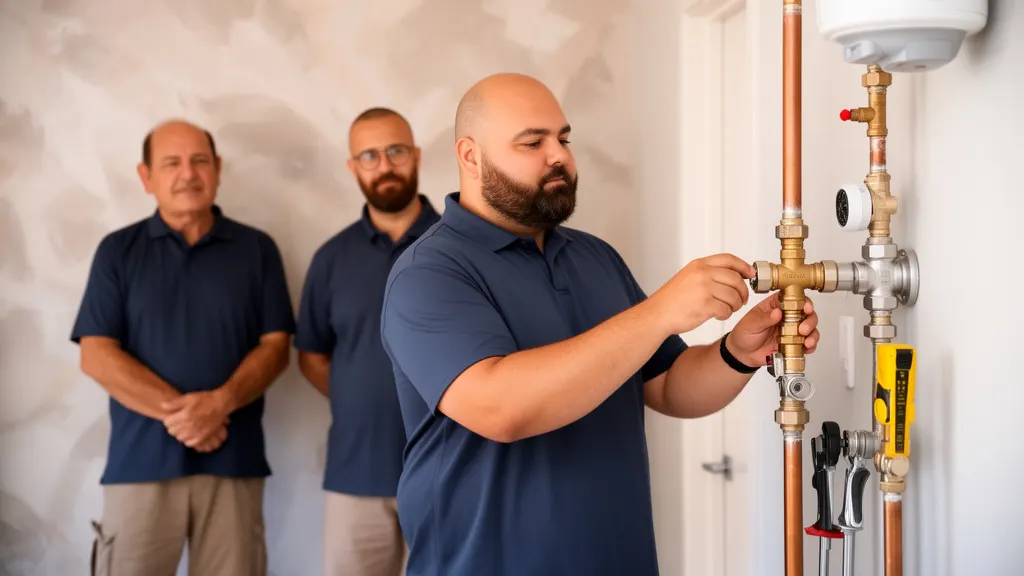
Pressure relief valves serve a distinct safety function and operate differently from the control valves and isolation valves found elsewhere in your plumbing system. A typical home may have gate valves, ball valves, butterfly valves, and solenoid valves—but none of these are designed to automatically release dangerous pressure. Understanding the difference helps you avoid confusion during hot water system repairs or upgrades.
Gate valves and ball valves are isolation devices that you manually open or close to control water flow. They do not respond to pressure changes and offer no automatic safety function. Butterfly valves are used in larger commercial pipework for flow control, while solenoid valves are electrically operated and often found in irrigation or appliance supply lines. A Schrader valve—familiar from car tyres—is a small check valve used for adding or releasing air or refrigerant, not for pressure relief in hot water systems.
Pressure relief valves, by contrast, are always closed during normal operation and open only when pressure or temperature exceeds safe limits. They are passive safety devices that require no user input and must meet strict Australian Standards for materials, pressure rating, and discharge capacity.
Why Pressure Relief Valve Types Matter for Compliance and Safety
Choosing the correct pressure relief valve type for your hot water system is not optional—it is a legal requirement under NSW plumbing regulations, AS/NZS 3500 standards, and Sydney Water’s plumbing requirements. The valve must match the system’s pressure rating, temperature range, and discharge capacity. Installing the wrong valve or omitting it entirely can result in catastrophic tank failure, serious injury, and voided insurance claims.
Licensed plumbers in Sydney—including our team at Anton’s Plumbing & Gas (NSW Lic. 210933C)—are trained to select and install compliant valves based on manufacturer specifications and Australian Standards. We verify that the valve’s pressure rating matches or exceeds the system’s maximum working pressure, that the discharge pipe is correctly sized and routed to a Sydney Water-compliant termination point, and that the valve is accessible for testing and maintenance.
Hot water system manufacturers specify which valve type and rating must be used with their products. Using an incorrect valve or a cheap imported substitute can void your warranty and create a genuine safety hazard. Our team sources quality valves from trusted suppliers and documents every installation with compliance records you can keep for insurance and resale purposes.
Common Issues With Pressure Relief Valves in Sydney Homes
Pressure relief valves can fail or malfunction over time, leading to constant dripping, no discharge when needed, or complete valve seizure. Recognising these issues early helps you avoid emergency repairs and protects your home from water damage or tank failure. Many Sydney homeowners call us after noticing water pooling near the hot water system or hearing unusual hissing sounds from the relief valve.
Constant Dripping From the Discharge Pipe
A small amount of discharge during heating is normal, but continuous dripping or steady flow indicates a problem. The valve may be stuck partially open due to sediment build-up, corrosion, or a worn seat. High incoming water pressure can also cause the valve to weep constantly, especially if your property lacks a pressure-limiting valve on the main supply.
No Discharge When the System Overheats
If the valve fails to open when pressure or temperature rises, the hot water tank is at risk of rupture. This is a dangerous fault that requires immediate replacement. Valves can seize shut due to limescale deposits, corrosion, or age-related fatigue. Regular testing—at least once every 12 months—helps catch this issue before it becomes critical.
Leaking Valve Body or Connections
Cracks in the valve body or loose threaded connections can cause water to leak from the valve itself rather than the discharge pipe. This often signals that the valve has reached the end of its service life and needs replacement. Attempting to tighten or patch a leaking valve body is not safe or compliant.
Incorrect Valve Type or Rating
We sometimes find hot water systems with the wrong valve type installed—such as a standard pressure relief valve on a system that requires a TPR valve, or a valve rated for 500 kPa on a system that operates at 1000 kPa. This usually occurs after DIY repairs or work by unlicensed tradespeople. Correcting these installations is essential for safety and compliance.
Blocked or Undersized Discharge Pipe
The discharge pipe must be correctly sized and routed to a safe termination point outside the building, in line with Sydney Water and AS/NZS 3500 requirements. Blocked, kinked, or undersized pipes prevent the valve from discharging properly, causing back-pressure and potential tank damage. Our plumbers inspect the entire discharge line during hot water system servicing to ensure clear flow and compliant termination.
When to Replace Your Pressure Relief Valve
Pressure relief valves do not last forever. Most manufacturers recommend replacement every five to ten years, depending on water quality and system usage. If your hot water system is more than a few years old and the valve has never been tested or replaced, it is time for a professional inspection.
You should arrange valve replacement if you notice constant dripping, corrosion on the valve body, or if the valve fails to discharge water when you manually lift the test lever. Never ignore a faulty relief valve—it is the only device standing between your household and a potentially catastrophic tank failure.
Our team provides same-day hot water system inspections across Sydney Metro. We test the valve, check the discharge pipe, and replace the valve with a compliant unit if needed. Every replacement is documented with a compliance certificate and backed by our lifetime labour warranty.
How Antons Plumbing & Gas Tests and Replaces Pressure Relief Valves
Testing a pressure relief valve is a simple but essential task that should be performed at least once a year. Our plumbers lift the test lever on the valve to confirm that water discharges freely and that the valve reseats properly when released. If the valve sticks, leaks, or fails to discharge, we recommend immediate replacement.
Replacing a pressure relief valve involves isolating the hot water system, draining a small amount of water from the tank, removing the old valve, and fitting a new valve with the correct pressure and temperature rating. We apply thread sealant or tape to ensure a watertight seal and verify that the discharge pipe is correctly connected and free from obstructions. The system is then refilled, tested, and checked for leaks before we hand over a compliance certificate.
All work complies with AS/NZS 3500 plumbing standards and NSW Fair Trading licensing requirements. We use quality valves from trusted brands and back every installation with our lifetime labour warranty. If you need a hot water system inspection, valve testing, or emergency valve replacement, call us on 0493 824 176 for same-day service across Sydney.
Choosing the Right Pressure Relief Valve Type for Your Hot Water System
The correct valve type depends on your hot water system design, tank size, and pressure rating. Electric storage systems typically require a TPR valve that protects against both pressure and temperature faults. Gas continuous flow systems may use a standard spring-operated pressure relief valve if they do not store water under pressure. Solar hot water systems often need TPR valves due to the risk of overheating during periods of low usage.
Our licensed plumbers assess your system during installation or replacement and select the appropriate valve based on manufacturer specifications and Australian Standards. We explain your options in plain English and provide upfront pricing in AUD before any work begins. You will never be surprised by hidden fees or unnecessary upgrades.
If you are upgrading your hot water system or replacing an old unit, we ensure the new installation includes a compliant pressure relief valve, correctly sized discharge pipe, and proper termination point. Every job is completed to code, documented, and backed by our warranty.
Why Regular Hot Water System Maintenance Protects Your Home
Why Regular Hot Water System Maintenance Protects Your Home
Pressure relief valves are just one part of a safe and efficient hot water system. Regular maintenance includes checking the valve, inspecting the anode rod, flushing sediment from the tank, testing the thermostat, and verifying that all connections are secure. Neglecting these tasks can lead to premature system failure, higher energy bills, and safety hazards.
Sydney water quality varies across suburbs, and hard water areas experience faster sediment build-up and valve corrosion. Our team recommends annual servicing for electric storage systems and biennial servicing for gas continuous flow units. During each visit, we test the pressure relief valve, flush the tank if needed, and provide a written report on system condition.
Proactive maintenance extends the life of your hot water system, reduces the risk of emergency breakdowns, and ensures your household always has safe, reliable hot water. If your system has not been serviced in the past 12 months, book an inspection with our team today.
Conclusion
Pressure relief valves protect your home from dangerous over-pressure and temperature spikes in hot water systems. Choosing the correct valve type and maintaining it properly is essential for safety, compliance, and peace of mind. Our licensed plumbers provide same-day testing, replacement, and hot water system servicing across Sydney Metro—backed by 25 years of experience and a lifetime labour warranty.
Antons Plumbing & Gas specialises in hot water system installation across Sydney Metro for homes and businesses. Our licensed team (NSW Lic. 210933C) ensures your pressure relief valve meets Australian Standards for safe, compliant operation. Contact us on 0493 824 176 to learn more.
Related Articles
- Water Heater Anode Rod Replacement: When Your Hot Water System Needs Attention
- Household Plumbing Pipe Identification: What Each Pipe Type Means
FAQs
What Are The Different Types Of Pressure Relief Valves?
There are several types of pressure relief valves, including spring-loaded valves, pilot-operated valves, and rupture discs. Spring-loaded valves are the most common, using a spring mechanism to release excess pressure, while pilot-operated valves are controlled by a secondary system that allows for more precise pressure regulation. Rupture discs provide a one-time release of pressure when a specific threshold is exceeded.
How Do Pressure Relief Valves Work?
Pressure relief valves work by automatically releasing pressure from a system when it exceeds a predetermined level. When the internal pressure rises, the valve opens, allowing gas or liquid to escape, thus preventing potential damage or failure of the hot water system. Once the pressure normalises, the valve closes again.
What Is The Purpose Of A Pressure Relief Valve?
The primary purpose of a pressure relief valve is to ensure safety by preventing excessive pressure buildup within a hot water system. By venting excess pressure, these valves help protect the system from damage, leaks, or catastrophic failure, ensuring that your home’s plumbing operates safely and reliably.
What Is The Difference Between A Pressure Relief Valve And A Pressure Safety Valve?
The difference between a pressure relief valve and a pressure safety valve lies in their function and application. Pressure relief valves are designed to relieve excess pressure to protect the system, while pressure safety valves are specifically engineered to prevent catastrophic failure by providing an emergency release of pressure in critical situations. Both play essential roles in maintaining safety in hot water systems.
When Should A Pressure Relief Valve Be Used?
A pressure relief valve should be used in any hot water system that operates under pressure, such as storage tanks and continuous flow systems. It is crucial during installation and in systems that may experience pressure fluctuations, ensuring compliance with safety standards and promoting the longevity and efficiency of your plumbing setup. At Antons Plumbing & Gas, we can assess your specific needs and recommend the appropriate solutions.
How Much Does It Cost To Replace A Pressure Relief Valve In Sydney?
Costs vary depending on the valve type, tank access, and whether the job is scheduled or an emergency callout. We provide transparent, upfront pricing in AUD before any work begins—call 0493 824 176 or book online for an obligation-free quote for your Sydney property.
Is It Legal To Replace A Pressure Relief Valve Myself In NSW?
No. Under NSW plumbing regulations, testing and replacing water heater safety valves must be carried out by a licensed plumber. DIY work on TPR valves can void your hot water system’s warranty and create a genuine safety risk. Anton’s Plumbing & Gas (NSW Lic. 210933C) can carry out compliant testing and replacement across Sydney.
Do You Offer Same-Day Pressure Relief Valve Replacement In Sydney?
Yes. We offer same-day inspections and replacements across Sydney Metro, subject to availability. Call us on 0493 824 176 to check same-day slots in your suburb.
How Do I Know If My Pressure Relief Valve Needs Replacing Right Now?
Constant dripping, no discharge when you lift the test lever, visible corrosion, or a hissing sound near the hot water system are all signs you need urgent attention. If you notice any of these, call a licensed Sydney plumber straight away rather than waiting.
Do You Provide A Compliance Certificate After The Valve Is Replaced?
Yes. Every pressure relief valve replacement we carry out is documented with a compliance certificate that meets AS/NZS 3500 and NSW Fair Trading requirements, which you can keep for insurance or resale purposes.
Which Sydney Suburbs Do You Service For Hot Water System Repairs?
We service homes and businesses across Sydney Metro, including areas covered in our suburb guides such as Cranebrook, Turramurra, Elanora Heights, Dean Park, and South Penrith. Call us to confirm coverage for your address.
Can You Replace Pressure Relief Valves On Both Electric And Gas Hot Water Systems?
Yes, our licensed plumbers service and replace pressure relief valves on electric storage, gas storage, gas continuous flow, and solar hot water systems.
Do You Work On Strata Or Commercial Hot Water Plants In Sydney?
Yes, we service centralised hot water plants in strata buildings as well as commercial and industrial pressure relief and safety valves. Contact us to discuss a maintenance schedule for your building.
What Warranty Do You Offer On Pressure Relief Valve Replacements?
All valve replacements are backed by our lifetime labour warranty, and we use quality valves sourced from trusted suppliers to protect your hot water system long term.
How Often Should My Pressure Relief Valve Be Tested?
We recommend testing at least once every 12 months, or as specified by your hot water system manufacturer. Book an annual service with our team to keep your system compliant and safe.
Is A Dripping Pressure Relief Valve An Emergency?
A small drip during heating cycles is normal, but constant dripping or a steady flow is not and should be checked promptly. It’s not usually an immediate emergency, but it shouldn’t be ignored—call us to arrange a prompt inspection.
What Happens If I Ignore A Faulty Pressure Relief Valve?
Ignoring a faulty valve leaves your hot water system without its primary safety protection against pressure and temperature build-up, which can lead to tank rupture, scalding water, property damage, and voided warranty or insurance cover.
How Do I Book A Licensed Plumber For A Pressure Relief Valve Check In Sydney?
You can call us directly on 0493 824 176 or use our online booking form to arrange a same-day inspection. Our licensed team (NSW Lic. 210933C) will test the valve, check the discharge pipe, and advise on replacement if needed.
Do You Provide Emergency Plumbing Service After Hours?
Yes, we understand hot water system faults don’t keep business hours. Call 0493 824 176 to discuss emergency callout availability for your Sydney address.
Will You Give Me An Upfront Price Before Starting Work?
Yes. We always provide upfront pricing in AUD before any work begins, so you know the cost of valve testing or replacement with no hidden fees.
Can A Faulty Pressure Relief Valve Affect My Hot Water System Warranty?
Yes, many manufacturers require valves to be tested and replaced by a licensed plumber to keep the system warranty valid. Using unlicensed work or an incorrect valve type can void your cover, so it pays to book a licensed Sydney plumber (NSW Lic. 210933C) for any valve work.