

A plunger clears a minor blockage by creating alternating pressure and suction inside the drain. When you push down, it forces water towards the obstruction; when you pull up, it moves water in the opposite direction, helping loosen toilet paper, food residue, soap build-up and other soft debris.
Different plunger designs are made for toilets, sinks, baths and other drains. This guide explains what each type does, how to use a plunger correctly and when a persistent blockage should be inspected by the licensed plumbers at Anton’s Plumbing & Gas, servicing Sydney and greater NSW.
Key Takeaways
- A plunger uses air and water pressure to create suction that dislodges blockages in drains and pipes.
- Different plunger types serve different purposes, including cup plungers for sinks and flange plungers for toilets.
- Proper technique matters: creating a tight seal and using controlled force prevents damage and improves results.
- Plungers work best on soft clogs caused by organic matter, not hard obstructions like tree roots or broken pipes.
- When plunging fails repeatedly, it’s time to call a licensed Sydney plumber for CCTV inspection and professional diagnosis. Anton’s Plumbing & Gas holds NSW Lic. 210933C.
Quick answer: A plunger does not simply suck a clog out. It moves water backwards and forwards through the pipe until a soft blockage loosens or shifts enough for the drain to flow.
What Does a Plunger Do in Your Home?
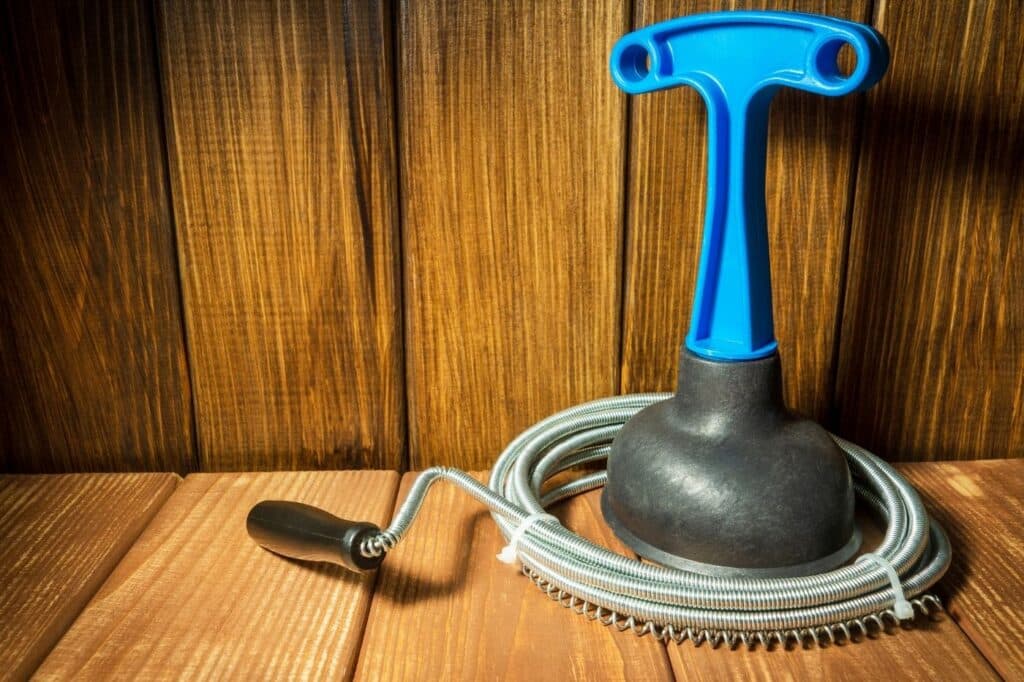
A plunger clears minor blockages by creating alternating pressure and suction inside the drainpipe. The rubber cup forms a seal over the drain opening, and the repeated push-and-pull motion loosens or shifts soft materials such as toilet paper, hair, grease, food waste, and soap scum.
For the best results, the cup should be fully covered with water and pressed firmly over the opening to maintain a tight seal. Plungers are most effective on blockages close to the fixture and are unlikely to remove tree roots, solid objects, or compacted debris deep inside the pipe.
| Application | Common Blockages |
|---|---|
| Toilets | Toilet paper and soft waste |
| Kitchen sinks | Food scraps, grease, and soap residue |
| Bathroom basins | Hair and soap scum |
| Showers and baths | Hair and surface buildup |
| Floor drains | Lint, dirt, and loose debris |
| Outdoor drains | Leaves and minor surface blockages |
If repeated plunging does not restore drainage, Anton’s Plumbing & Gas can inspect the blockage and recommend professional drain cleaning, high-pressure water jetting, or CCTV inspection where required.
Types of Plungers and What Each One Does
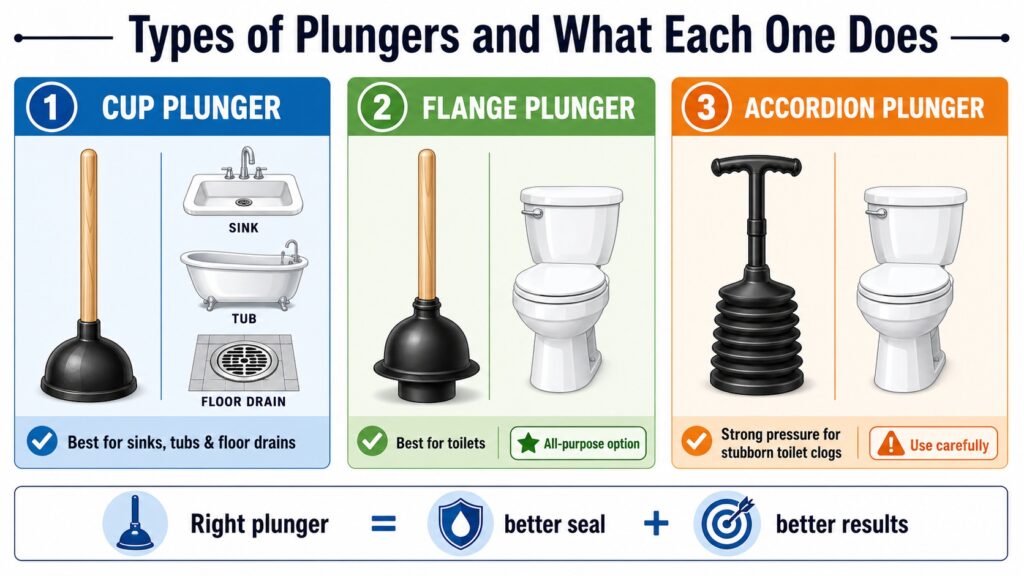
Not all plungers are created equal. Using the wrong type reduces your chances of success and can even damage fixtures. There are three main plunger designs, each suited to specific drain shapes and blockage types. Understanding the differences helps you choose the right tool for the job.
The most common household plungers are the cup plunger and the flange plunger. A third type, the accordion plunger, is less popular but still available in some Sydney hardware stores.
Cup Plunger
The cup plunger features a simple rubber dome attached to a straight handle. It’s designed for flat surfaces like sink drains, shower drains, and bathtub drains. The flat edge of the cup creates a seal on smooth, level surfaces, making it ideal for clearing blockages in basins and floor wastes.
Cup plungers don’t work well on toilets because the curved bowl prevents a tight seal. Forcing a cup plunger into a toilet can splash contaminated water and fail to generate enough pressure to clear the clog.
Flange Plunger
The flange plunger, also called a toilet plunger, has an extended rubber flap that folds out from the bottom of the cup. This flange fits snugly into the curved outlet of a toilet bowl, creating a much better seal than a cup plunger. The design allows for targeted pressure directly into the toilet trap, where most clogs occur.
Flange plungers can also be used on sinks and drains by folding the flange back up into the cup. This versatility makes them a good all-purpose option for homeowners who want a single tool for multiple fixtures.
Accordion Plunger
The accordion plunger has a bellows-like shape that allows it to fit easily into round bowls. The rigid plastic construction generates strong pressure with less effort, but the hard edges can scratch porcelain if you’re not careful. This type is less forgiving and requires more precise handling.
Some plumbers prefer accordion plungers for stubborn toilet clogs, but they’re not as common in residential settings. The bellows design can be harder to clean and store compared to traditional rubber cup plungers.
Choosing the right plunger makes all the difference. If you’re not sure which type you need, our team can recommend the best tool during a service visit or phone consultation.
How to Use a Plunger Correctly
Proper plunger technique is just as important as choosing the right type. Many homeowners make simple mistakes that reduce effectiveness or cause unnecessary mess. Follow these steps to get the best results and avoid damaging your fixtures.
1. Ensure Enough Water Covers the Plunger Cup
The plunger cup needs to be fully submerged to create a seal and generate pressure. If the water level is too low, add water from a bucket or tap until the cup is covered by at least a few centimetres. This prevents air from escaping and ensures the force is directed into the pipe, not into the air.
2. Position the Plunger Over the Drain Opening
Centre the plunger directly over the drain hole and press down gently to expel excess air from the cup. Tilt the plunger slightly if needed to release trapped air bubbles. Once the cup is flat against the surface, press down firmly to create a tight seal.
3. Use Controlled, Rhythmic Plunges
Push down slowly and steadily, then pull up sharply to create suction. Repeat this motion 10 to 15 times without breaking the seal. The key is rhythm and consistency, not brute force. Aggressive plunging can splash water or damage the fixture.
4. Check for Drainage After Each Set
After a series of plunges, lift the plunger and observe whether the water drains. If it does, run the tap briefly to confirm the blockage is cleared. If the water remains stagnant, repeat the plunging process or try a different approach.
5. Clean the Plunger and Fixture After Use
Rinse the plunger thoroughly with hot water and disinfectant, especially if you’ve been working on a toilet. Wipe down the fixture and surrounding area to remove any splashes. Store the plunger in a well-ventilated spot to prevent mould and odours.
If plunging doesn’t clear the blockage after several attempts, stop and call a licensed plumber. Repeated plunging can sometimes push the clog deeper into the system, making professional removal more difficult and costly.
Common Mistakes Homeowners Make When Using a Plunger
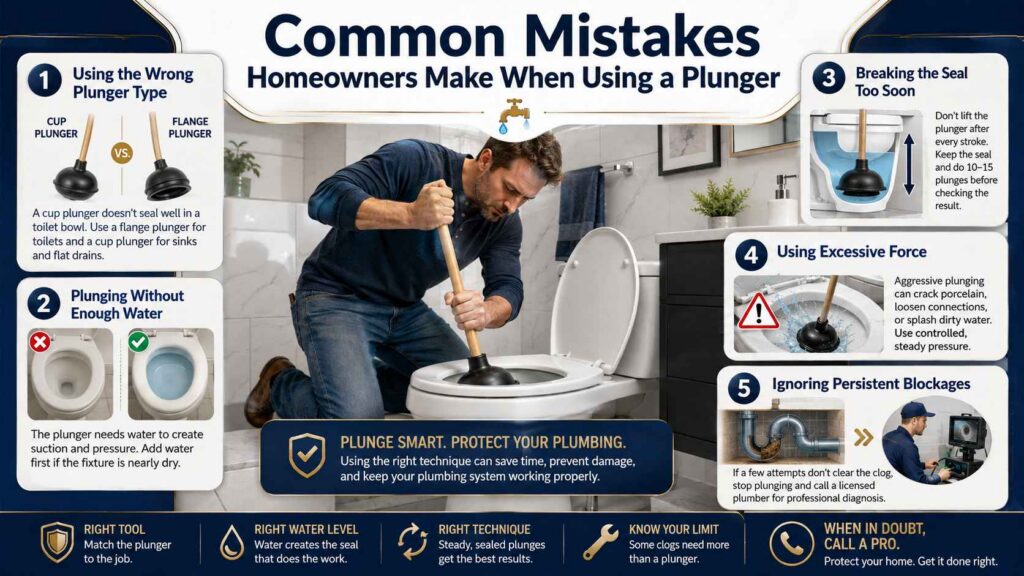
Even with the right plunger and good intentions, many homeowners make errors that reduce effectiveness or cause additional problems. Avoiding these common mistakes improves your chances of success and protects your plumbing from damage.
Using the Wrong Plunger Type
Trying to plunge a toilet with a cup plunger is one of the most frequent mistakes. The flat edge can’t seal against the curved bowl, so most of your effort is wasted. Always use a flange plunger for toilets and a cup plunger for sinks and flat drains.
Plunging Without Enough Water
A dry or nearly dry drain won’t respond to plunging. The plunger needs water to create pressure and suction. If the fixture is empty, add water before you start.
Breaking the Seal Too Soon
Lifting the plunger after every stroke breaks the seal and reduces effectiveness. Keep the plunger pressed against the drain for a full set of 10 to 15 plunges before checking the results.
Using Excessive Force
Aggressive plunging can crack porcelain, loosen pipe connections, or splash contaminated water. Controlled, steady pressure works better and is safer for your fixtures.
Ignoring Persistent Blockages
If plunging doesn’t clear the clog after a few attempts, continuing can push the blockage deeper into the system. At that point, it’s time to call a licensed plumber for CCTV inspection and professional diagnosis.
We see these mistakes often during service calls across Sydney. Homeowners who recognise the limits of DIY plunging save themselves time, stress, and potential damage to their plumbing systems.
When to Call a Licensed Plumber Instead of Plunging
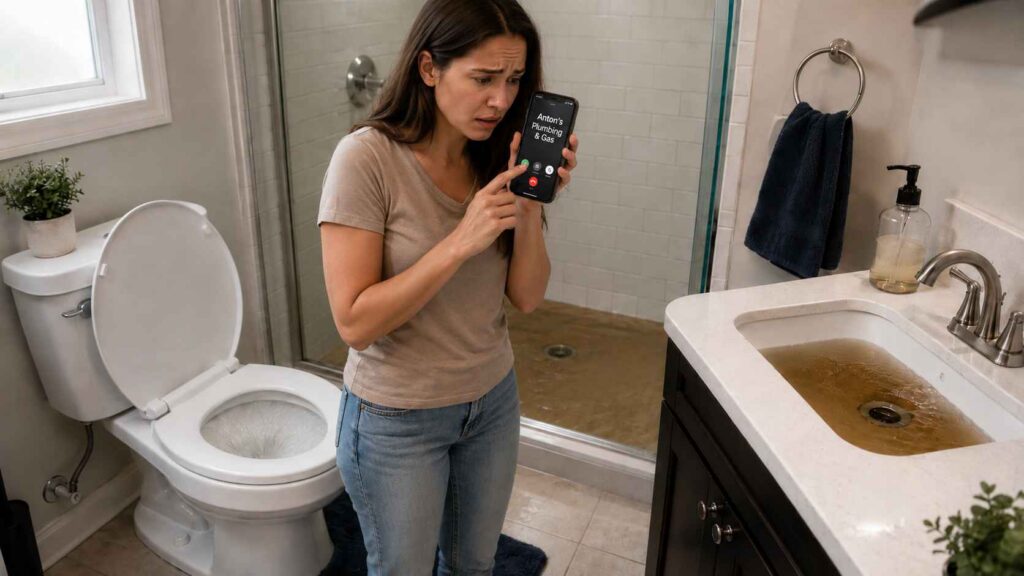
Plungers are great for simple clogs, but they can’t solve every drainage problem. Knowing when to stop plunging and call a professional prevents further damage and gets your plumbing back to normal faster. Here are the key warning signs.
Multiple Fixtures Are Blocked
If more than one drain is slow or blocked, the problem is likely in your main sewer line, not in an individual fixture. Plunging won’t help because the obstruction is beyond the reach of a handheld tool. You need a CCTV drain inspection to locate the blockage and determine the best course of action.
Water Backs Up Into Other Drains
When flushing the toilet causes water to rise in the shower or sink, you’re dealing with a shared drainage issue. This indicates a blockage in the main line or a venting problem. Our team can diagnose the root cause and provide clear options, from hydro jetting to pipe relining.
Foul Odours or Gurgling Sounds
Persistent bad smells or gurgling noises suggest trapped waste, venting issues, or even a broken pipe. These symptoms won’t improve with plunging and may worsen over time. Early intervention prevents more serious problems like sewage backups or structural damage.
Plunging Doesn’t Work After Several Attempts
If you’ve plunged correctly and the blockage remains, the clog is likely too deep, too hard, or too large for a plunger to handle. Tree roots, collapsed pipes, and foreign objects require professional tools and expertise.
You Notice Water Pooling Outside
Water pooling in your yard, especially near the sewer line, indicates a serious blockage or pipe failure. Stop using your plumbing immediately and call for same-day service. Continued use can cause sewage to overflow into your home or property.
Under NSW plumbing regulations, blockages within your property boundary are generally your responsibility, while faults in the council-owned sewer main are managed by Sydney Water. If you’re unsure where a blockage sits, our licensed plumbers can help identify whose responsibility it is before any work begins.
At Anton’s Plumbing & Gas, we respond to drainage emergencies across Sydney 24/7 with no call-out fee. Our licensed plumbers arrive with CCTV cameras, hydro jetting equipment, and pipe relining capabilities to diagnose and fix the problem on the spot. Call 0493 824 176 for same-day service.
How Professional Plumbers Clear Blockages Beyond What a Plunger Can Do
Some drain blockages are too severe, too deep, or too complex for a plunger to remove effectively. In these situations, professional plumbers use specialised tools and proven methods to identify the cause of the blockage and clear it safely. Understanding these professional solutions helps homeowners know what to expect when simple DIY methods no longer work.
| Professional Method | Description |
|---|---|
| CCTV Drain Inspection | A CCTV drain inspection uses a waterproof camera inserted into the pipe to locate the blockage and identify its exact cause. This method removes guesswork and helps determine whether the issue requires jetting, relining, or another repair solution. |
| Hydro Jetting | Hydro jetting uses high-pressure water to remove grease, scale, tree roots, and other stubborn obstructions from inside the pipe. It not only clears the blockage but also helps clean the pipe walls to restore stronger water flow. |
| Drain Snaking | A drain snake, also called an auger, is a flexible cable fed into the drain to break apart or retrieve clogs. It is especially useful for hair buildup, paper blockages, and small foreign objects lodged in the pipe. |
| Pipe Relining | Pipe relining is a no-dig repair method used when pipes are damaged or affected by root intrusion. A resin-coated liner is inserted into the existing pipe and hardened to create a new internal surface without excavation. |
Professional plumbers choose the right blockage-clearing method based on the location of the clog, the pipe material, and the overall condition of the drainage system. These advanced solutions go beyond temporary relief and help address the underlying issue more accurately and effectively. When a plunger is no longer enough, professional equipment and experience can make the difference between a recurring problem and a lasting repair.
Why Choose Antons Plumbing & Gas for Drain and Plumbing Issues
When DIY plunging doesn’t solve the problem, you need a licensed plumber you can trust. Anton’s Plumbing & Gas has served Sydney homeowners, strata managers, and businesses for over 25 years with safe, compliant, and reliable workmanship. We diagnose the root cause, not just the symptoms, and back our work with a lifetime labour warranty.
Our team operates under NSW Fair Trading licensing requirements (Lic: 210933C) and complies with all relevant Australian Standards, including AS/NZS 3500 for plumbing and drainage. Work connecting to the network is also carried out in line with Sydney Water requirements. We use quality parts from trusted brands, provide upfront pricing in AUD, and leave your property clean and tidy. Same-day service is available across the Inner West, Eastern Suburbs, North Shore, Northern Beaches, Hills District, Western and South-Western Sydney, and Sutherland Shire.
From blocked drains and CCTV inspections to pipe relining, hot water installations, and bathroom renovations, we offer end-to-end plumbing solutions tailored to your home, timeline, and budget. Call 0493 824 176 or book online for fast, professional help.
Conclusion
A plunger uses alternating pressure and suction to loosen minor blockages in toilets, sinks and other household drains. Choosing the correct plunger, creating a tight seal and using controlled strokes can resolve many shallow, soft obstructions.
If the blockage persists, affects multiple fixtures or repeatedly returns, contact Anton’s Plumbing & Gas. Our licensed Sydney plumbers (NSW Lic. 210933C) can identify the underlying issue and recommend the appropriate drain-clearing or repair solution..
Related Articles
- How to Clean Floor Drain: A Simple Guide for Homeowners
- How to Clear a Floor Drain With Standing Water Quickly and Safely
- Plunger vs Snake: What’s the Difference and When to Use Each
FAQs
How Does A Plunger Work?
A plunger works by creating a vacuum seal around the drain and using pressure to dislodge blockages. When the plunger is pushed down, it forces air and water down the pipe, and when pulled up, it creates a suction that can pull the blockage free. This simple tool is effective for clearing clogs in sinks, tubs, and toilets.
What Are The Different Types Of Plungers?
There are mainly two types of plungers: cup plungers and flange plungers. Cup plungers are best for flat surfaces like sinks, while flange plungers have an extended rubber flap that fits into toilet drains, making them more effective for toilet clogs. Understanding the right plunger type can improve your chances of successfully clearing a blockage.
When Should You Use A Plunger?
You should use a plunger when you encounter a slow draining sink, a clogged toilet, or a bathtub that won’t drain. It’s typically the first line of defence before calling a professional plumber. If the clog persists after several attempts, it might be time to consult a licensed plumber like Anton’s Plumbing & Gas for expert assistance.
Can A Plunger Fix A Toilet?
Yes, a plunger can often fix a clogged toilet. Using a flange plunger specifically designed for toilets can help create the necessary suction and pressure to clear the blockage. If the clog remains after using a plunger, it may indicate a more serious plumbing issue that our experienced team can address.
What Is The Best Way To Use A Plunger?
The best way to use a plunger is to first ensure there’s enough water in the bowl to cover the plunger’s cup. Firmly place the plunger over the drain, creating a tight seal, and push down and pull up vigorously without breaking the seal. Repeat this motion several times, and then check if the water drains. For persistent issues, it’s wise to contact Anton’s Plumbing & Gas for professional help.
Do You Charge A Call-Out Fee For Blocked Drains In Sydney?
No, Anton’s Plumbing & Gas does not charge a call-out fee anywhere in the Sydney metro area. You’ll receive upfront pricing in AUD before any work begins, so call 0493 824 176 to book an assessment with no surprise costs.
How Quickly Can You Attend A Blocked Drain In Sydney?
We offer same-day service across most of Sydney, including the Inner West, North Shore, Northern Beaches, Hills District, and Sutherland Shire. For urgent blockages, call 0493 824 176 and our team will prioritise your job.
Are Your Plumbers Licensed To Work In NSW?
Yes, all work is carried out under our NSW Fair Trading licence (Lic: 210933C) and complies with AS/NZS 3500. You can confirm licensing details with our team when you book, giving you peace of mind before we start.
Which Sydney Suburbs Do You Service?
We service homes and businesses across the Inner West, Eastern Suburbs, North Shore, Northern Beaches, Hills District, Western and South-Western Sydney, and Sutherland Shire. If you’re unsure whether we cover your suburb, call 0493 824 176 and we’ll confirm straight away.
Do You Offer Emergency Plumbing Service After Hours In Sydney?
Yes, we respond to drainage emergencies across Sydney 24/7. If plunging hasn’t cleared your blockage and it’s affecting your household, call 0493 824 176 any time, day or night, for prompt assistance.
Can You Provide A CCTV Drain Inspection If Plunging Doesn’t Work?
Yes, our licensed plumbers carry CCTV camera equipment to every job so we can locate the exact cause of a stubborn blockage. Book a CCTV inspection online or by phone and we’ll diagnose the issue on the same visit.
Is Pipe Relining Available Instead Of Digging Up My Yard?
Yes, pipe relining is a no-dig repair option we use when pipes are damaged or affected by root intrusion. Ask our team during your inspection whether relining is suitable for your property before any excavation is considered.
Who Is Responsible For Blockages In The Sydney Water Sewer Main Versus My Property?
Generally, blockages within your property boundary are your responsibility, while faults in the council-owned sewer main fall under Sydney Water. If you’re not sure where your blockage sits, our licensed plumbers can inspect the line and advise you before recommending any work.
Do You Work With Strata Managers And Body Corporates In Sydney?
Yes, we regularly work with strata managers across Sydney apartment blocks and complexes. Contact our office to discuss scheduling, compliance documentation, and priority response for strata-managed properties.
How Do I Book A Plumber Online With Anton’s Plumbing & Gas?
You can book directly through our online booking page or call 0493 824 176 to arrange a same-day visit. Simply describe the issue, and our team will confirm a suitable time for your Sydney property.
What Should I Do If My Toilet Keeps Blocking Even After Plunging?
A toilet that blocks repeatedly after plunging may indicate a deeper obstruction, a venting issue, or a damaged pipe. Stop plunging and call 0493 824 176 to book a CCTV inspection so we can identify the underlying cause.
Do You Provide Upfront Pricing Before Starting Work?
Yes, we always provide upfront pricing in AUD before any work begins, so you know the cost before we start. There are no hidden fees, and our licensed plumbers will explain the recommended solution clearly.
Can Hydro Jetting Damage Older Pipes In Sydney Homes?
Hydro jetting pressure is adjusted by our licensed plumbers based on your pipe material and condition, which is especially important in older Sydney homes. We assess your pipes first, often with a CCTV inspection, before recommending jetting.
What Happens If I Ignore A Persistent Blocked Drain?
Ignoring a persistent blockage can lead to sewage backups, water damage, or costly structural repairs over time. It’s best to call a licensed plumber promptly at 0493 824 176 rather than waiting for the problem to worsen.
How Can I Contact Anton’s Plumbing & Gas For A Same-Day Appointment?
Call 0493 824 176 or book through our website to arrange a same-day appointment across the Sydney metro area. Our licensed plumbers (NSW Lic. 210933C) will assess the blockage and recommend the right fix, from plunging advice to CCTV inspection or pipe relining.