
Nobody wants to deal with a blocked toilet, but it happens to every homeowner at some point. The panic sets in as the water level rises, the smell becomes overwhelming, and you’re left wondering how to fix this embarrassing mess without flooding your bathroom.
This guide walks you through the proper technique for using a plunger to clear toilet blockages, common mistakes to avoid, and when to call professional help. You’ll also discover simple prevention tips to keep your toilet flowing smoothly.
Key Takeaways
- Choose a flange plunger specifically designed for toilets to create the proper seal over the drain opening.
- Position the plunger correctly and use steady, controlled thrusts without breaking the seal between attempts.
- Avoid overfilling the toilet bowl and never mix chemical drain cleaners with plunging efforts.
- Call professional plumbers when DIY methods fail or blockages keep returning frequently.
- Prevent future clogs by only flushing toilet paper and human waste down your toilet.
Why Your Toilet Won’t Clear and What’s Really Going On
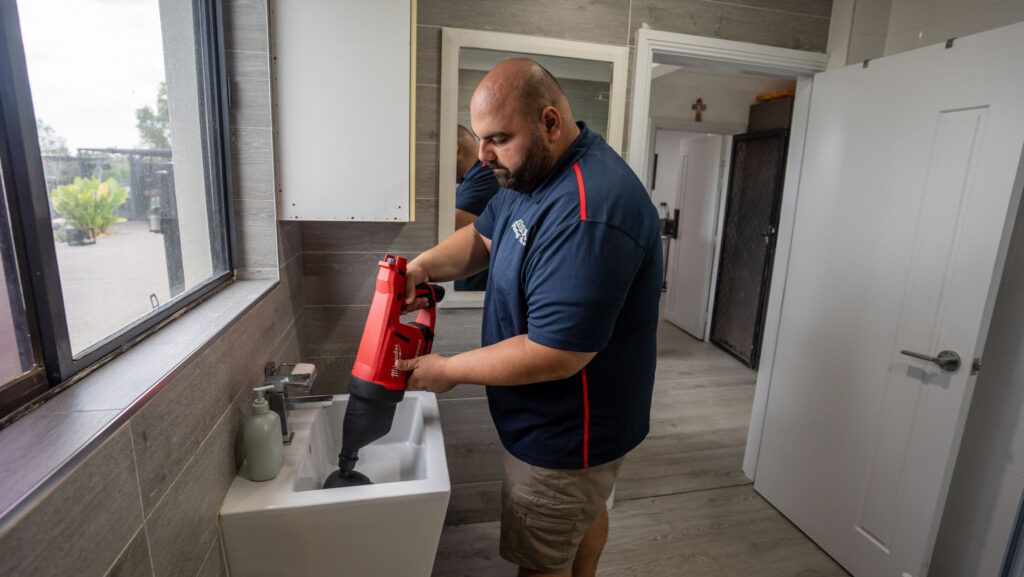
That sinking feeling when you flush and the water starts rising instead of draining hits every homeowner eventually. The smell, the panic, the embarrassment of a clogged toilet creates stress that makes you want to fix it immediately. Your mind races through worst-case scenarios while you’re standing there with rubber gloves, hoping this won’t turn into a bigger disaster.
Most toilet blockages happen close to the toilet trap, that curved section designed to keep sewer gases from entering your bathroom. Excessive toilet paper, sanitary products, or items that shouldn’t be flushed create these clogs.
The science behind clearing blockages involves pressure changes that follow Boyle’s law. When you press down on a plunger, you decrease the air volume in the drain while increasing pressure. This pressure change, combined with the suction created when you pull up, helps dislodge whatever is blocking your toilet’s flow.
How to Use a Plunger to Unclog Your Toilet Without Making a Bigger Mess
Getting the technique right prevents water from splashing everywhere and actually clears the blockage effectively. The wrong approach turns a simple fix into a bathroom disaster that requires extensive cleanup. Start by gathering the right tools and setting up your workspace properly.
1. Choose the Right Plunger Type
Flange plungers work best for toilets because they have an extended rubber piece that fits into the toilet drain opening. Standard cup plungers are designed for flat surfaces like sink drains and won’t create the proper seal in your toilet bowl.
2. Prepare Your Workspace
Put on rubber gloves and lay old towels around the toilet base to catch any splashes. Turn off the water supply valve behind the toilet if the bowl is too full. Remove excess water with a bucket if needed, leaving enough to cover the plunger head.
3. Position the Plunger Correctly
Insert the plunger into the toilet bowl at an angle to minimize air bubbles trapped underneath. Press down gently to create a complete seal around the drain opening. The flange should fit snugly into the toilet’s outlet.
4. Use Proper Plunging Technique
Push down firmly but don’t slam the plunger with excessive force. Pull up sharply to create suction, then push down again in a steady rhythm. Keep the seal intact throughout this process and repeat 15-20 times before checking results.
5. Test and Repeat if Necessary
Remove the plunger and see if water drains normally from the bowl. Flush the toilet to test if the blockage has cleared completely. Repeat the plunging process if water still drains slowly or doesn’t drain at all.
6. Clean and Disinfect
Rinse the plunger in the toilet bowl before the final flush. Clean the plunger with disinfectant and store it properly. Wash your hands thoroughly and clean any surfaces that may have been splashed during the process.
Follow these steps to plunge your toilet correctly and restore normal function.
Plunging Mistakes That Actually Make Your Toilet Blockage Worse
Many homeowners unknowingly make their toilet problems worse by using incorrect techniques or the wrong tools. These common mistakes can push blockages deeper into your plumbing system or create additional problems that require professional repair. Avoiding these errors saves you time, money, and frustration.
| Mistake | Why It’s Harmful | Better Approach |
|---|---|---|
| Wrong plunger type | Poor seal, ineffective pressure | Use flange plunger for toilets |
| Excessive force | Toilet damage, water splashing | Steady, controlled movements |
| Chemical cleaners | Toxic fumes, pipe damage | Stick to mechanical removal |
| Overfilled bowl | Overflow risk, poor suction | Remove excess water first |
Here are the most frequent plunging mistakes that can escalate your toilet troubles.
Using the Wrong Plunger
Cup plungers designed for sinks don’t create proper seals in toilet bowls and push water around without generating effective pressure. Accordion plungers are difficult to control and often splash water everywhere without clearing blockages effectively.
Plunging Too Aggressively
Slamming the plunger with excessive force can crack toilet bowls or damage internal components. Violent plunging motions also splash contaminated water throughout your bathroom, creating sanitation issues and cleanup problems.
Adding Chemical Drain Cleaners
Chemical drain cleaners can react dangerously with other cleaning products and create toxic fumes in enclosed spaces. These chemicals also damage toilet components and plumbing pipes while rarely solving toilet blockages effectively.
Overfilling the Toilet Bowl
Too much water in the bowl reduces plunging effectiveness and increases the risk of overflow during the process. Excess water also makes it harder to create the pressure changes needed to dislodge blockages.
Breaking the Seal Between Thrusts
Lifting the plunger completely out of the water between attempts eliminates the suction effect that helps clear blockages. Maintaining consistent contact with the drain opening throughout the process produces better results.
Giving Up Too Quickly
Most toilet blockages require sustained effort over several minutes to clear completely. Stopping after just a few attempts often leaves partial blockages that will cause problems again soon.
Simple Habits to Prevent Future Toilet Blockages in Your Home
Prevention costs far less than emergency plumber visits and keeps your bathroom functioning smoothly year-round. Simple changes to what goes down your toilet and regular maintenance habits eliminate most blockage problems before they start. These practices protect your plumbing system and save you from dealing with unpleasant clogs.
Building these habits into your household routine prevents the majority of toilet blockages that homeowners experience.
- Only flush toilet paper and human waste – Sanitary products, wipes, cotton swabs, and other items don’t break down properly in your plumbing system.
- Use reasonable amounts of toilet paper – Excessive toilet paper overwhelms your toilet’s flushing capacity and creates blockages in the trap.
- Teach children proper toilet habits – Kids often flush toys, excessive paper, or other inappropriate items that cause serious blockages.
- Install toilet paper holders at appropriate distances – Proper placement encourages reasonable usage and prevents overuse that leads to clogs.
- Keep a plunger near every toilet – Quick action on minor blockages prevents them from becoming major problems requiring professional help.
- Schedule annual plumbing inspections – Professional assessments catch developing problems before they cause emergency situations in your home.
Regular maintenance includes checking that your toilet flushes completely each time and watching for early warning signs like slow drainage or weak flushing action. These small changes in toilet performance often indicate developing blockages that are easier to address before they become complete clogs.
When a Blocked Toilet Needs Antons Plumbing & Gas Instead of More DIY
Some toilet blockages go beyond what a plunger can handle and require professional diagnosis and repair. Repeated clogs, sewer backups, or blockages that don’t respond to proper plunging technique indicate deeper plumbing issues. Continuing DIY attempts in these situations often makes problems worse and increases repair costs.
Our licensed plumbers at Antons Plumbing & Gas use CCTV drain inspections to identify root causes of persistent toilet problems. We diagnose issues throughout your plumbing system, not just the symptoms you see in your toilet bowl.
Recurring Blockages
Toilets that clog frequently despite careful use often have underlying issues like partial pipe blockages or venting problems. Our plumbers identify these root causes and provide permanent solutions rather than temporary fixes.
Multiple Fixtures Backing Up
When your toilet, shower, or floor drains all back up simultaneously, the problem exists in your main sewer line. This requires professional equipment and expertise that goes far beyond plunging techniques.
Sewage Odors
Strong sewer smells coming from your toilet or bathroom indicate venting issues or damaged pipes that need immediate professional attention. These problems affect your family’s health and require compliance with Australian plumbing standards.
Water Level Changes
Toilet water levels that drop significantly or rise on their own suggest problems with your toilet’s internal components or connecting pipes. Our qualified technicians diagnose and repair these issues efficiently.
Gurgling Sounds
Strange noises from your toilet or other drains when you flush indicate air trapped in your plumbing system. This often signals blockages or venting problems that require professional assessment and repair.
We provide same-day service across Sydney with no call-out fees and upfront pricing for all toilet repairs. Our work complies with NSW Fair Trading requirements and Australian Standards, backed by our lifetime labour warranty. Call our team when you notice these warning signs that indicate professional help is needed.
Conclusion
Proper plunging technique solves most toilet blockages when you use the right tools and methods consistently. Prevention through smart flushing habits keeps your toilet flowing smoothly and reduces emergency situations. Call Antons Plumbing & Gas at 1300 411 797 when blockages persist or indicate deeper plumbing problems requiring professional expertise.
When DIY plunging fails, Antons Plumbing & Gas offers expert blocked drain solutions across Sydney Metro. Our licensed team provides same-day service with no call-out fees. Learn more about our professional toilet repair services.
Related Articles
- Sewer Vent Pipe Issues: Causes and Fixes
- Burst Hot Water Heater: Why This Happens and What to Do Next
FAQs
Why Isn’t My Toilet Unclogging Even When I Use A Plunger?
There could be several reasons why your toilet isn’t unclogging. It may be due to a deeper blockage in the plumbing system or a malfunctioning toilet component. If repeated plunging doesn’t work, it might be time to call a professional plumber like Antons Plumbing & Gas, who can diagnose and resolve the issue effectively.
What Type Of Plunger Works Best For A Blocked Toilet?
The best type of plunger for a blocked toilet is a flange plunger. This design has an extended rubber flap that creates a better seal in the toilet bowl, allowing for more effective plunging. Our experienced technicians can recommend the right tools for your plumbing needs.
How Much Force Should I Use When Plunging A Toilet?
When plunging a toilet, use firm, consistent pressure and a vigorous up-and-down motion. Start gently to create a seal, then increase the force as needed. If you’re not seeing results, it may be wise to consult with a plumbing expert from Antons Plumbing & Gas to avoid potential damage.
When Should I Stop Plunging And Call A Plumber Instead?
If you’ve been plunging for several minutes without success, or if the toilet is backing up frequently, it’s a good idea to call a plumber. Our qualified team at Antons Plumbing & Gas is ready to tackle more complex issues safely and efficiently.
Can Plunging A Toilet Damage The Pipes Or Toilet Seal?
While plunging is generally safe, excessive force can potentially damage the toilet seal or pipes. If you’re unsure about the condition of your plumbing, it’s best to reach out to Antons Plumbing & Gas for a professional assessment to prevent further issues.