

Water damage is one of the most expensive problems a property owner can face. A single poorly installed drain pipe can lead to flooding, foundation cracks, mould growth, and thousands of dollars in repairs. Professional drain pipe installation protects your Sydney home or business by ensuring water flows away safely, slopes are correct, and materials meet Australian Standards and Sydney Water requirements.
This guide explains how expert installation prevents water damage, what goes into a compliant drainage system, and when to call a licensed plumber. You’ll learn the key steps, common mistakes, and how our team at Antons Plumbing & Gas delivers reliable drainage solutions across Sydney and NSW.
Key Takeaways
- Correct pipe slope prevents pooling, clogs, and backflow that cause water damage.
- Professional installation meets AS/NZS 3500 standards for long-term safety and compliance.
- Quality materials and secure joints stop leaks before they start.
- Expert plumbers diagnose site conditions like tree roots, clay soil, and water table depth common across Sydney suburbs.
- Same-day service and CCTV inspections identify issues early, saving you money.
Why Proper Drain Pipe Installation Matters for Water Damage Prevention
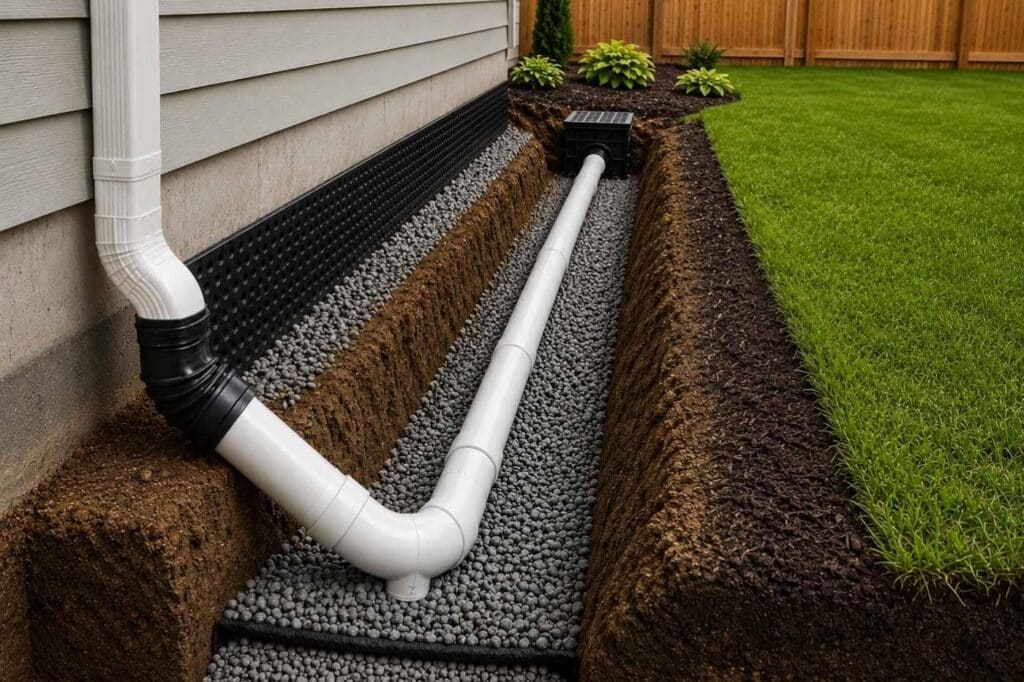
Drainage systems are the first line of defence against water damage. When pipes are installed incorrectly, water pools in trenches, backs up into buildings, or erodes foundations. Poor slope, weak joints, or the wrong pipe material can turn a minor issue into a major emergency, and in Sydney’s clay-heavy soils and heavy summer storms, these failures show up fast.
Professional drain pipe installation ensures water moves away from your property at the right speed and volume. Licensed plumbers calculate fall rates, select appropriate materials, and test the system before backfilling. This prevents leaks, blockages, and structural damage down the track.
We’ve seen countless Sydney properties suffer from DIY drainage attempts. Tree roots invade cracked joints, clay soil shifts poorly bedded pipes, and stormwater floods basements during heavy rain. A qualified plumber prevents these problems by following Australian Standards, Sydney Water requirements, and local council rules from the start.
How Professional Drain Pipe Installation Prevents Common Water Damage Issues
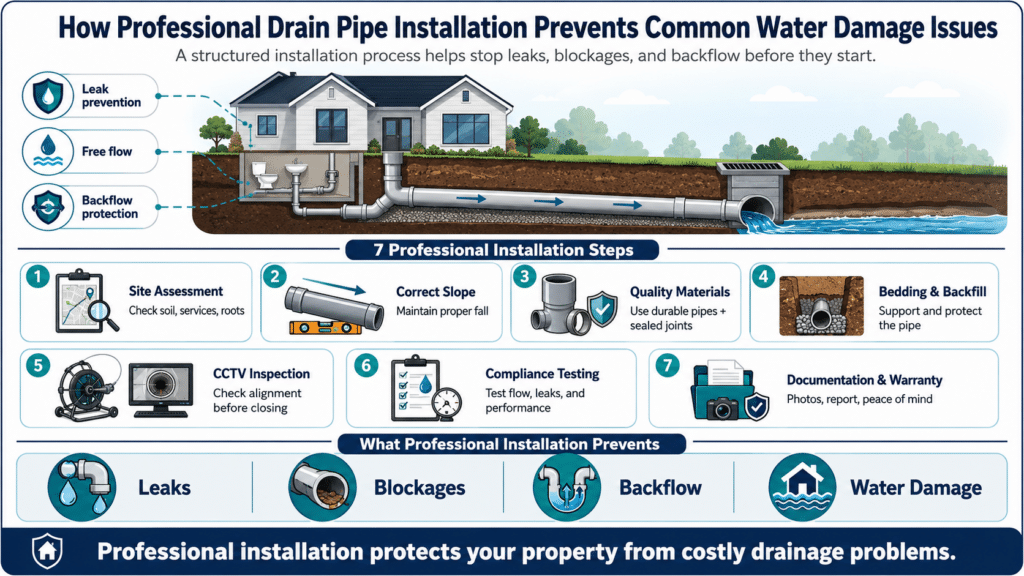
Expert plumbers follow a structured process that addresses every potential failure point. From site assessment to final testing, each step is designed to prevent leaks, blockages, and backflow. Here’s how professional installation stops water damage before it starts.
1. Accurate Site Assessment and Planning
Before digging, we inspect your property to identify soil type, existing services, tree roots, and water table depth. This information determines trench depth, pipe material, and bedding requirements. Skipping this step is the number one cause of drainage failure in Sydney.
2. Correct Pipe Slope and Fall Rate
Australian Standards (AS/NZS 3500) require a minimum fall of 1 in 60 for most drainage pipes, though steeper slopes are often better. We calculate the elevation drop from your collection point to the discharge point, ensuring water flows freely without pooling or backing up. A grade of roughly 20mm of fall per metre of pipe run is typical for residential systems, preventing clogs and slow drainage.
3. Quality Materials and Secure Joints
We use PVC, HDPE, or clay pipes depending on your site conditions and budget. Each joint is sealed with solvent cement or rubber ring fittings to prevent leaks. Cheap materials and loose connections are common in DIY jobs, leading to water damage within months.
4. Proper Bedding and Backfill
Pipes sit on a 100mm to 150mm layer of compacted sand or fine gravel. This bedding supports the pipe evenly and prevents cracking under load. We backfill with clean fill, avoiding rocks or debris that could damage the pipe over time. A minimum of 300mm cover protects the system from surface traffic and ground movement.
5. CCTV Inspection Before Backfilling
We run a camera through the entire system to check for misalignment, debris, or joint defects. This step catches problems while the trench is still open, saving you from costly excavation later. CCTV footage also provides a baseline for future maintenance and insurance claims.
6. Compliance Testing and Certification
Once installed, we test the system for leaks and flow rate. This includes water testing, smoke testing, or pressure testing depending on the pipe type. You receive a compliance certificate that proves the work meets NSW Fair Trading, Sydney Water, and AS/NZS 3500 standards.
7. Clear Documentation and Warranty
We provide photos, CCTV footage, and a detailed report showing pipe locations, depths, and materials. Our lifetime labour warranty covers installation defects, giving you peace of mind long after we leave. This documentation is critical if you ever need to locate or repair the system, or provide evidence to Sydney Water or your insurer.
Common Drain Pipe Installation Mistakes That Cause Water Damage
Even small errors during installation can lead to serious water damage. Understanding these mistakes helps you recognise poor workmanship and avoid costly repairs. Here are the issues we see most often across Sydney properties.
- Insufficient slope: Pipes installed too flat allow water to pool, leading to clogs and backflow. This is especially common in flat Sydney yards where achieving proper fall requires careful planning.
- Wrong pipe material: Using thin-walled PVC in high-traffic areas or clay pipes in unstable soil increases the risk of cracking and leaks.
- Poor joint sealing: Loose or dry-fitted joints separate over time, letting water escape into surrounding soil and foundations.
- Inadequate bedding: Pipes laid directly on hard ground or uneven surfaces crack under pressure, especially in the reactive clay soils common across western Sydney.
- No allowance for tree roots: Installing pipes near large trees without root barriers invites root intrusion, the leading cause of blocked drains in older Sydney suburbs.
- Ignoring existing services: Cutting through water pipes, gas lines, or electrical cables during excavation creates immediate hazards and expensive repairs.
We’ve repaired hundreds of drainage systems damaged by these mistakes. In one Inner West property, a DIY installation with no fall caused sewage to back up into the laundry during heavy rain. The homeowner faced weeks of disruption and over $8,000 (AUD) in remediation costs. Professional installation would have prevented the entire problem.n and over $8,000 in remediation costs. Professional installation would have prevented the entire problem.
Key Materials and Techniques in Professional Drain Pipe Installation
The right materials and methods make the difference between a drainage system that lasts decades and one that fails within years. Licensed plumbers select components based on site conditions, load requirements, and Australian Standards. Here’s what goes into a quality installation.
| Material | Best Use | Advantages | Limitations |
|---|---|---|---|
| PVC (Polyvinyl Chloride) | Residential stormwater and sewer | Lightweight, affordable, corrosion-resistant | Can crack under heavy loads or UV exposure |
| HDPE (High-Density Polyethylene) | Commercial and high-traffic areas | Flexible, impact-resistant, long lifespan | Higher cost, requires specialist fittings |
| Clay (Vitrified Clay) | Heritage homes, sewer mains | Durable, resistant to chemicals and roots | Heavy, brittle, difficult to repair |
| Concrete | Large-diameter stormwater systems | Strong, handles high flow rates | Heavy, expensive, prone to cracking in reactive soil |
We also use perforated pipes for French drain installation and agricultural drainage. These pipes collect groundwater and direct it away from foundations, preventing moisture buildup and soil erosion. Holes face down to filter water through a gravel bed, reducing sediment entry.
Fittings and adhesives must match the pipe material and meet Australian Standards. Solvent cement creates a chemical weld in PVC systems, while rubber ring joints allow movement in HDPE and clay pipes. Using the wrong adhesive or skipping primer leads to joint failure and leaks.
When to Call a Blocked Drain Plumber for Water Pipe Issues
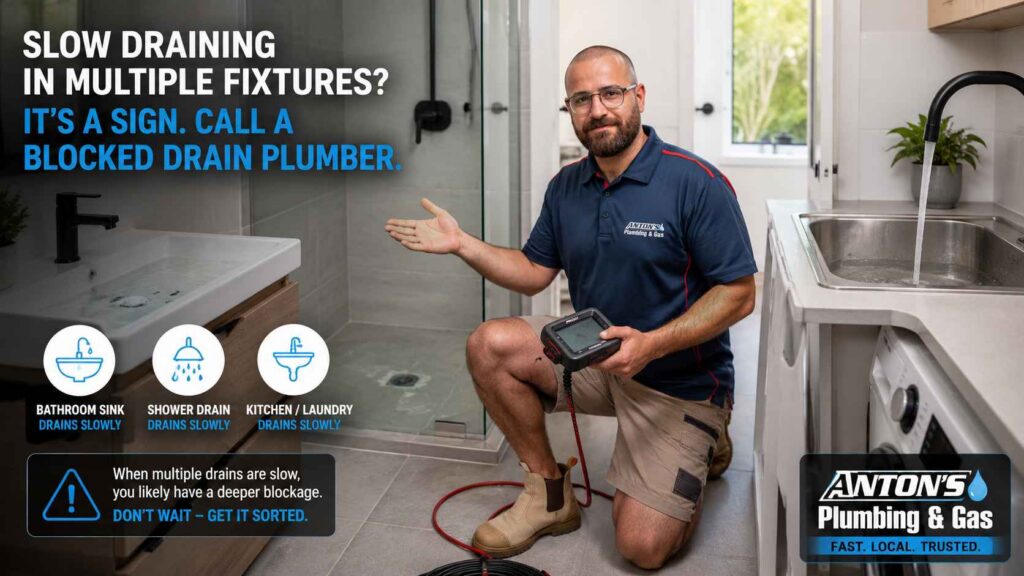
Some drainage problems require immediate professional attention. Delaying repairs increases the risk of water damage, health hazards, and structural failure. Here’s when to call a licensed plumber instead of attempting a DIY fix.
If you notice slow drainage in multiple fixtures, gurgling sounds, or sewage odours, your drain pipe system may be blocked or damaged. These symptoms often indicate a deeper issue like root intrusion, pipe collapse, or incorrect slope. A CCTV drain inspection pinpoints the problem without guesswork, saving you time and money.
Water pooling around your foundation, damp patches on walls, or unexplained increases in your water bill suggest a hidden leak. Our team uses acoustic leak detection to locate the source, even when pipes are buried under concrete or paving. Early detection prevents extensive damage and keeps repair costs manageable.
If you spot any of these warning signs, stop attempting a DIY fix and call a licensed Sydney plumber. Antons Plumbing & Gas holds NSW Lic. 210933C and is fully insured, so any work we carry out satisfies council, Sydney Water, and NSW Fair Trading requirements — protecting your insurance cover and your property.
We offer same-day service across Sydney, from the Inner West to the Sutherland Shire. Call +61 493 824 176 anytime for emergency drainage repairs, or book online for routine inspections and maintenance. Our plumbers arrive with the tools and parts to fix most issues on the first visit, minimising disruption to your home or business.
Compliance, Standards, and Licensing in Drain Pipe Installation
All drainage work in NSW must comply with AS/NZS 3500 Plumbing and Drainage standards, local council regulations, and Sydney Water requirements where work connects to public water or sewer infrastructure. Licensed plumbers understand these requirements and design systems that pass inspection first time. DIY or unlicensed work often fails compliance, leaving you with fines, insurance issues, and unsafe drainage.
Antons Plumbing & Gas operates under NSW Lic: 210933C, with full insurance and qualifications to install, repair, and maintain drainage systems across Sydney. We follow NSW Fair Trading guidelines, obtain necessary permits, notify Sydney Water where required, and provide compliance certificates for every job. This documentation proves your system meets legal standards and protects your property value.
Council approval is required for some drainage work, especially if you’re connecting to public stormwater or Sydney Water sewer mains. We handle the paperwork, liaise with council and Sydney Water inspectors, and ensure your project stays on schedule. This saves you the hassle of navigating bureaucracy and reduces the risk of costly delays.
Our lifetime labour warranty covers installation defects, giving you confidence that our work will last. If a problem arises due to faulty workmanship, we return to fix it at no charge. This commitment to quality and accountability sets us apart from contractors who disappear after the job is done.
How Antons Plumbing & Gas Delivers Reliable Drainage Solutions
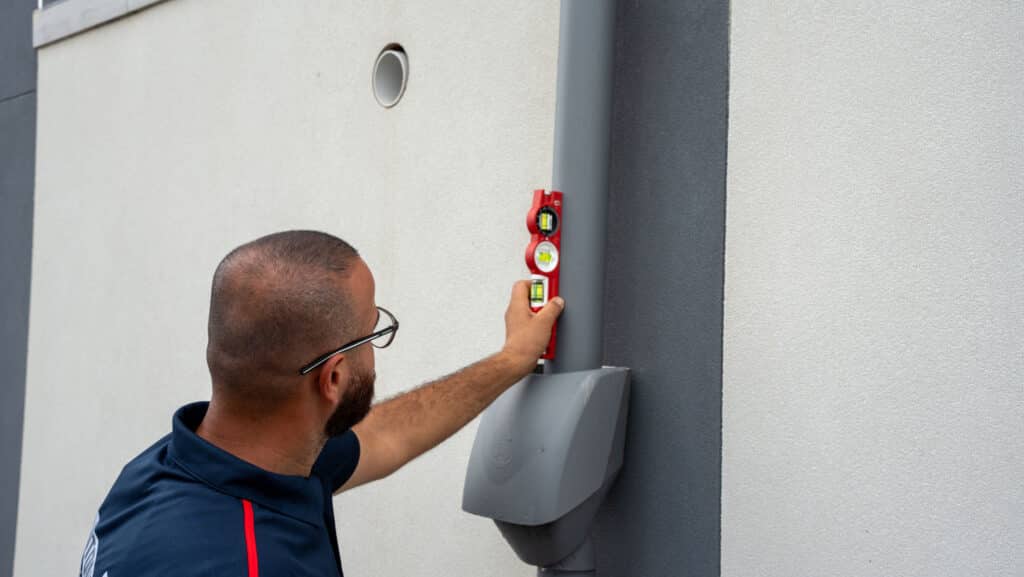
We’ve spent over 25 years protecting Sydney properties with compliant, long-lasting drainage systems. Our approach combines technical expertise, quality materials, and clear communication. You get a system that works, documentation that proves it, and a team you can trust.
Every job starts with a thorough assessment. We inspect your property, discuss your concerns, and explain the best solution for your situation. Whether you need a new stormwater system, shower drain repair, or French drain installation, we tailor our work to your home, timeline, and budget.
Our plumbers use CCTV cameras, acoustic leak detectors, and other diagnostic tools to identify problems accurately. This technology saves you money by avoiding unnecessary excavation and guesswork. We show you the footage, explain what we found, and present clear options for repair or replacement.
We source quality parts from trusted brands and install them to Australian Standards. Every joint is sealed correctly, every slope is checked, and every system is tested before we backfill. You receive photos, CCTV footage, and a compliance certificate that documents the work.
Our lifetime labour warranty backs our workmanship. If a problem arises due to faulty installation, we return to fix it at no charge. This warranty gives you confidence that your drainage system will perform as designed, protecting your property for years to come.
We serve the entire Sydney Metro, including the Inner West, Eastern Suburbs, North Shore, Northern Beaches, Hills District, Western and South-Western Sydney, and Sutherland Shire. Same-day service and 24/7 emergency response mean help is always close by. Call +61 493 824 176 or book online to get started.
Conclusion
Professional drainage installation is an investment that prevents water damage, protects your foundation, and maintains your property value. Licensed plumbers deliver compliant systems with the right materials, correct slopes, and secure joints. When you choose Antons Plumbing & Gas, you get upfront pricing in AUD, quality workmanship, and a lifetime warranty that gives you peace of mind.
Antons Plumbing & Gas brings over 25 years of experience in professional drain pipe installation across Sydney. Our licensed team (NSW Lic. 210933C) ensures proper installation to protect your property from costly water damage. Contact us today to learn more.
Related Articles
- 5 Common Mistakes to Avoid When Putting a Drain in Your Yard
- Beginner’s Guide on How to Install Drainage Pipe in Yard
FAQs
What Is The Best Way To Install A Drain Pipe?
The best way to install a drain pipe involves careful planning, proper slope for gravity flow, and secure connections. At Antons Plumbing & Gas, we leverage over 25 years of experience to ensure each installation is performed with precision and adheres to relevant NSW standards, safeguarding your property against future water damage.
How Deep Should A Drain Pipe Be Buried?
Drain pipes typically need to be buried at a depth of at least 300mm to 600mm, depending on local council regulations and the type of soil. Our qualified team at Antons Plumbing & Gas is well-versed in NSW guidelines, ensuring your installation meets all necessary depth requirements for optimal performance.
What Materials Are Used For Drain Pipe Installation?
Common materials for drain pipe installation include PVC, HDPE, and vitrified clay, each offering different benefits for various applications. With our extensive industry knowledge, Antons Plumbing & Gas selects high-quality, Australian Standards-compliant materials that best suit your specific plumbing needs and conditions.
Can I Install A Drain Pipe Myself?
While DIY installation is possible, it requires a thorough understanding of NSW plumbing codes and techniques to avoid costly mistakes. At Antons Plumbing & Gas, we recommend professional installation to ensure safety and compliance, leveraging our expertise to protect your home effectively.
How Do You Connect Drain Pipes Together?
Connecting drain pipes typically involves using fittings like couplings, elbows, and tees to ensure a secure and watertight connection. Our experienced team at Antons Plumbing & Gas utilises the right techniques and materials to guarantee that all connections are robust, minimising the risk of leaks and water damage.
Is Antons Plumbing & Gas Licensed To Install Drain Pipes In NSW?
Yes. Antons Plumbing & Gas holds NSW Lic. 210933C and is fully insured for drain pipe installation, repair, and maintenance across Sydney. Every job is carried out to AS/NZS 3500 and NSW Fair Trading requirements, so you’re covered from day one.
Do I Need Council Or Sydney Water Approval For A New Drain Pipe?
If your drainage work connects to a public stormwater system or the Sydney Water sewer main, approval is usually required. We handle all council and Sydney Water paperwork on your behalf so your installation stays compliant and your project doesn’t stall.
How Quickly Can You Book A Licensed Plumber For Drain Pipe Installation?
We offer same-day service across most of Sydney and 24/7 emergency response for urgent drainage issues. Call +61 493 824 176 or book online and we’ll arrange a licensed plumber to assess your property as soon as possible.
Do You Provide A Compliance Certificate After Installation?
Yes. Every drain pipe installation we complete comes with photos, CCTV footage, and a compliance certificate confirming the work meets AS/NZS 3500 and NSW Fair Trading requirements — useful for council records, resale, and insurance.
What Suburbs In Sydney Do You Service For Drain Pipe Installation?
We service the whole Sydney Metro area, including the Inner West, Eastern Suburbs, North Shore, Northern Beaches, Hills District, Western and South-Western Sydney, and the Sutherland Shire. Contact us to confirm coverage for your suburb.
Can You Fix A Drain Pipe That Was Installed Without Council Approval?
Yes. We regularly correct non-compliant DIY and unlicensed drainage work, bringing it up to AS/NZS 3500 and NSW Fair Trading standards and, where required, arranging retrospective council or Sydney Water sign-off.
Do You Offer Emergency Drain Pipe Repairs On Weekends?
Yes, our team provides 24/7 emergency drainage repairs, including weekends and public holidays. If you’re dealing with flooding, sewage backup, or a burst pipe, call +61 493 824 176 straight away.
How Do I Book A Drain Camera Inspection Before New Drainage Work?
You can book a CCTV drain camera inspection online or by phone. We’ll run a camera through your existing system, show you the footage, and recommend whether repair or a full drain pipe installation is the better option for your property.
Will My Home Insurance Cover Damage From A Previous DIY Drain Installation?
Many insurers reduce or decline claims linked to unlicensed or non-compliant plumbing work. Getting a licensed Sydney plumber to inspect and, if needed, reinstall your drainage to Australian Standards protects your cover going forward.
Do You Offer A Warranty On Drain Pipe Installation Work?
Yes. All drain pipe installation carried out by Antons Plumbing & Gas is backed by a lifetime labour warranty. If a defect arises from our workmanship, we return and fix it at no charge.
How Do I Get A Quote For Drain Pipe Installation In Sydney?
Call +61 493 824 176 or book online and describe your property and drainage issue. We’ll arrange a site visit, assess soil, slope, and existing services, then provide an upfront quote in AUD before any work begins.
Do You Service Strata Properties And Apartment Blocks In Sydney?
Yes, we work with strata managers and body corporates across Sydney on shared drainage and stormwater systems, ensuring works comply with council, Sydney Water, and AS/NZS 3500 requirements for multi-unit dwellings.
How Do I Know If My Old Drain Pipes Need Replacing Rather Than Repairing?
A CCTV inspection is the fastest way to tell. If our licensed plumbers find widespread root intrusion, cracked clay pipe, or incorrect fall across the system, full replacement is usually more cost-effective than repeated repairs. Book an inspection and we’ll give you a clear recommendation.