

Emergency Plumber Londonderry for Acreage Water and Drains
Londonderry properties may use tanks, pumps and extended private services between dwellings and outbuildings. Establishing which supply and building are affected avoids treating a pump or storage problem as a street-main fault. For Londonderry callers dealing with private water failures, blocked drains and urgent hot water faults, Anton’s Plumbing & Gas matches 24/7 triage to rural-residential homes, acreage blocks and sheds and plans the route through long unsealed drives, tanks, pumps, gates and distant plumbing points.

First Response Steps for a Londonderry Plumbing Fault
During a Londonderry incident involving private water failures, blocked drains and urgent hot water faults, protect people, reduce contributing water and identify long unsealed drives, tanks, pumps, gates and distant plumbing points. Repeatedly testing the failing service can enlarge damage across rural-residential homes, acreage blocks and sheds. At a Londonderry property, a suspected gas leak is a life-safety issue; follow the NSW Government gas-safety steps and call 000 from outside for immediate danger.
- Turn off taps and appliances before checking the customer meter.
- Photograph the reading and movement without forcing the valve.
- Use the customer shut-off only when it is safe and identifiable.
- Keep water away from switchboards, outlets and appliances.
- Report whether the movement stops after isolation.
- End all connected household water use immediately.
- Close the affected room and keep people away from contaminated surfaces.
- Do not flush again to test the restriction.
- Leave an outside overflow point open to do its intended job.
- Arrange safe access to the nearest known inspection point.
- Contact the person who can provide access through long unsealed drives, tanks, pumps, gates and distant plumbing points.
- Confirm the lot, unit, tenancy or property address before shutdown.
- Explain which neighbouring properties show reported clues.
- Keep parking and equipment routes clear.
- Send access instructions before the plumber is dispatched.
A useful Londonderry handover names the rural-residential homes, acreage blocks and sheds setting, the first plumbing point that changed and the practical route to long unsealed drives, tanks, pumps, gates and distant plumbing points.
Is Your Londonderry Plumbing Fault an Emergency?
In Londonderry, problems involving private water failures, blocked drains and urgent hot water faults become time-critical when it threatens sanitation, electricity, another occupancy or the only essential amenity across rural-residential homes, acreage blocks and sheds. Clock time alone is not the test.
- Water escaping that you can't stop
- Any smell of gas
- Sewage backing up inside the house
- No water at all to the property
- Water near electrics, downlights or the switchboard
- A hot water system leaking heavily or venting steam
- The only toilet in the house blocked
- A leak affecting a neighbour or common property
- A business that can't safely trade until it's fixed
- A dripping tap
- One slow drain, everything else normal
- A running toilet cistern
- Hot water that's cooler than usual but still working
- Low pressure at a single fixture
- A hot water system leaking heavily or venting steam
- A toilet you can stop by turning off its isolation tap
- A leak you've successfully isolated and contained
- Noisy pipes or water hammer
A new Londonderry clue—another changed fitting, meter movement or moisture in a different area—can redirect testing and the equipment needed for long unsealed drives, tanks, pumps, gates and distant plumbing points.
Emergency Plumbing Across Londonderry Rural-Residential Homes, Acreage Blocks And Sheds
Londonderry properties may use tanks, pumps and extended private services between dwellings and outbuildings. Establishing which supply and building are affected avoids treating a pump or storage problem as a street-main fault. Our emergency plumbing and gas service uses the reported pattern of private water failures, blocked drains and urgent hot water faults and access through long unsealed drives, tanks, pumps, gates and distant plumbing points to prepare the visit; the actual pipe, appliance or drain condition is still confirmed on site. For a Londonderry public-side water, pressure or wastewater concern, Sydney Water’s fault-reporting guidance helps distinguish network issues from private pipework. Nearby coverage includes Richmond and North Richmond.

Emergency Plumbing Problems We Trace in Londonderry
A Londonderry response to private water failures, blocked drains and urgent hot water faults starts by mapping the active plumbing points through rural-residential homes, acreage blocks and sheds, then containing the narrowest effective service zone.

01
Gas Odours and Appliance Faults
Evacuation from the Londonderry risk area comes before licensed gas testing and repair; an isolated supply serving rural-residential homes, acreage blocks and sheds is never casually restored.

02
Recurring Drain Restrictions
When Londonderry drain behaviour returns, a purposeful drain camera inspection near long unsealed drives, tanks, pumps, gates and distant plumbing points can help locate roots, movement or damaged pipework.
03
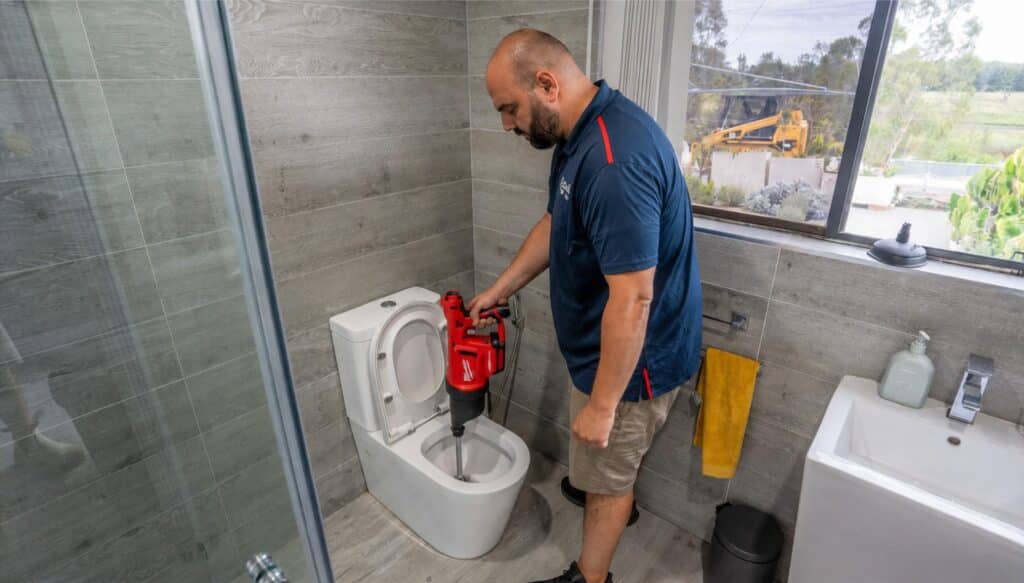
Blocked Drains and Sewage Backups
We map Londonderry plumbing points across rural-residential homes, acreage blocks and sheds before using blocked-drain equipment. Flow restoration near long unsealed drives, tanks, pumps, gates and distant plumbing points and structural pipe repair remain separate decisions.
04
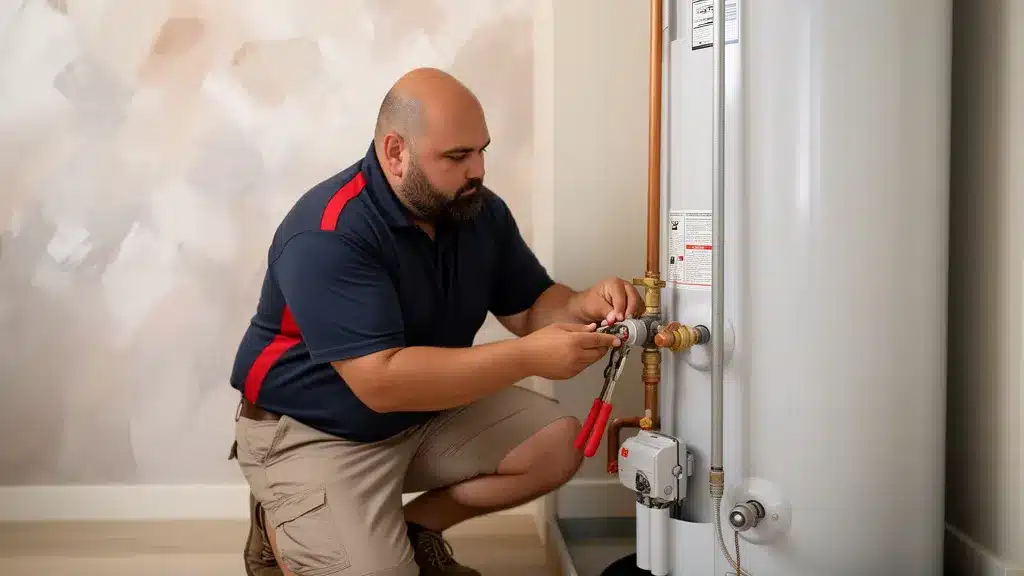
Burst and Escaping Water
The Londonderry supply is contained before a burst-pipe repair is planned around the actual failure within rural-residential homes, acreage blocks and sheds and the available route through long unsealed drives, tanks, pumps, gates and distant plumbing points.

05
Hidden Wall and Ceiling Leaks
Londonderry meter, moisture and service-path evidence guides targeted leak detection through rural-residential homes, acreage blocks and sheds before finished areas are opened.
06
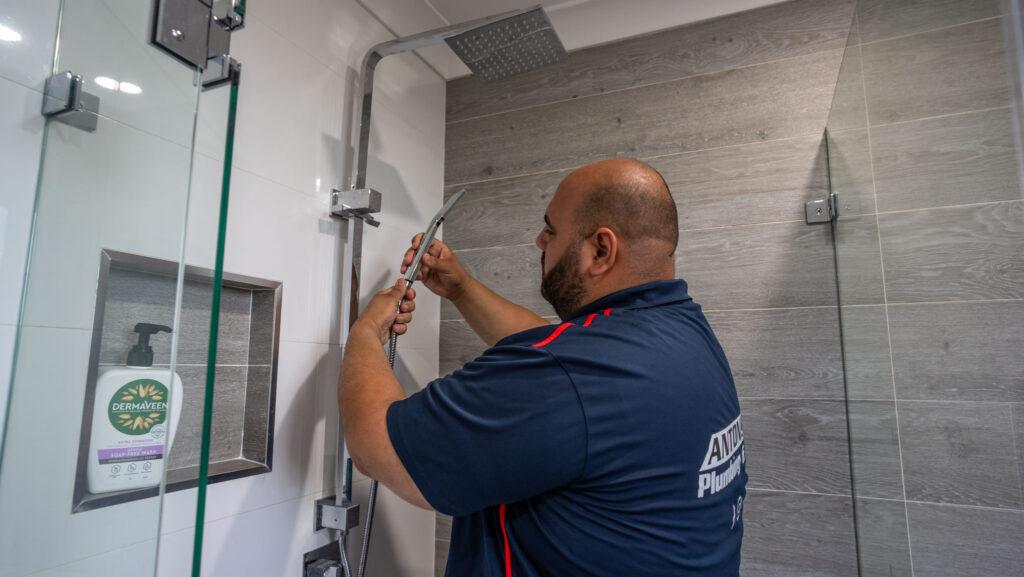
Hot Water Emergencies
Leaking tanks, unsafe discharge and loss of essential hot water across Londonderry rural-residential homes, acreage blocks and sheds are assessed through our hot water service.
Londonderry Water, Drain and Building Isolation Guide
Across Londonderry rural-residential homes, acreage blocks and sheds, the useful control might belong to one fitting, a lot, a boundary service or a managed bank. Its label and effect must match before operation. For Londonderry, Sydney Water’s wastewater blockage guidance explains common indicators of a public-network fault, while its leak-detection advice outlines customer and utility responsibilities.
- Find the customer-side valve without opening utility equipment.
- Check for visible movement only after internal use stops.
- Close the valve clockwise if it moves safely.
- Report water that continues despite isolation.
- Use a local tap, cistern, laundry or appliance valve when it fully controls the leak.
- Place the appliance out of service.
- Do not disconnect pressurised or hot hoses.
- Label the control used for the plumber.
- Confirm keys and access for long unsealed drives, tanks, pumps, gates and distant plumbing points.
- Identify any common service before shutdown.
- Avoid interrupting unaffected lots unnecessarily.
- Keep loading, lift or side access available.
A Londonderry readiness check should record long unsealed drives, tanks, pumps, gates and distant plumbing points, the customer-side controls and the person authorised to reach any managed service after hours.
The Londonderry Emergency Plumbing Process
For private water failures, blocked drains and urgent hot water faults in Londonderry, safety questions and access through long unsealed drives, tanks, pumps, gates and distant plumbing points are resolved before diagnostics expand beyond the most likely route through rural-residential homes, acreage blocks and sheds.
Immediate water, sewage, gas and electrical precautions come first.
Owner, tenant, strata or site access is clarified for Londonderry.
Plumbing Points, floors and outside points narrow the probable service route.
Drain, pressure, moisture or gas testing is selected for the failure.
Urgent containment and longer work are explained as different scopes.
Flow, pressure or appliance operation is checked where safe and relevant.
Londonderry Emergency Plumbing Cost Factors
A Londonderry quote reflects the route through long unsealed drives, tanks, pumps, gates and distant plumbing points, the evidence needed for private water failures, blocked drains and urgent hot water faults, available parts and whether rural-residential homes, acreage blocks and sheds permit an immediate lasting repair.
A make-safe may be separated from a permanent repair when specific parts are required.
Drain-camera, pressure, moisture or gas tests are selected only when useful.
rural-residential homes, acreage blocks and sheds use different meters, valves and drain routes.
Several reported clues expand technical finding beyond one local fitting.
long unsealed drives, tanks, pumps, gates and distant plumbing points can change preparation and safe trade time.
Finished areas and common services require targeted evidence and authority.
Contributing water or appliance use for private water failures, blocked drains and urgent hot water faults is reduced across rural-residential homes, acreage blocks and sheds.
Levels, outside points and changed fittings reveal the likely route toward long unsealed drives, tanks, pumps, gates and distant plumbing points.
The water meter, drain, equipment or managed Londonderry service area can be reached without avoidable delay.
You approve a scope grounded in evidence from rural-residential homes, acreage blocks and sheds, not a generic assumption.
Restoration and the Londonderry warning signs worth monitoring are explained to the responsible contact.
For Londonderry, we ask how problems involving private water failures, blocked drains and urgent hot water faults present across rural-residential homes, acreage blocks and sheds, who controls the affected service and how equipment can reach long unsealed drives, tanks, pumps, gates and distant plumbing points. Those details prepare the visit; inspection still determines the actual failure and justified repair. Londonderry customers can independently check a NSW tradesperson licence. Properties exposed to severe weather can also use the NSW Government’s flood-preparation guidance; floodwater and a private plumbing blockage require different emergency responses. For practical checks before attendance, use our guides to signs of a concealed wall leak and blocked stormwater warning signs.
- Locate your water meter isolation tap and check it actually turns.
- Replace braided flexi hoses on a sensible cycle rather than waiting for one to burst.
- Have mains pressure checked — high pressure wears every joint and seal in the house.
- Act on small leaks, weeping joints and damp patches early.
- Have an ageing hot water system assessed before it fails, not after.
- Get recurring blockages diagnosed with a camera rather than cleared over and over.
- Clear gutters, downpipes and stormwater pits before storm season.
- In a rental, make sure whoever lives there knows how to isolate the water.
- Turn the water off at the meter if the property will be empty for a long stretch.
Emergency Plumbing for Londonderry Occupants and Property Operators
Water, sewage, gas and electrical risks around private water failures, blocked drains and urgent hot water faults are prioritised before repair.
Relevant work within rural-residential homes, acreage blocks and sheds is handled by appropriately licensed tradespeople.
Testing follows the probable route through long unsealed drives, tanks, pumps, gates and distant plumbing points before finished areas are opened.
For Londonderry drains, restoring flow and repairing a structural defect remain separate decisions.
The Londonderry scope, diagnostic basis and cost are explained before repair proceeds.
The live queue, Londonderry address and long unsealed drives, tanks, pumps, gates and distant plumbing points are checked before an arrival window is offered.
People responsible for rural-residential homes, acreage blocks and sheds receive a clear account of findings and work completed.
Londonderry emergency calls are triaged at any hour within the operating service area.
Questions reflect rural-residential homes, acreage blocks and sheds, not a generic house-call script.
Londonderry Plumbing Questions, Answered
Straight answers on pricing, response times and what to expect.
How do I book emergency plumbing for a Londonderry property?
How do I book emergency plumbing for a Londonderry property?
Call 0493 824 176 with the address, affected building and active fault. Explain whether water comes from mains, a tank or a pump-fed supply.
Can you trace a leak along a private line to an outbuilding?
Can you trace a leak along a private line to an outbuilding?
Describe which buildings retain water and any visible wet areas. Our guide to finding hidden leaks explains how testing can narrow the route before excavation.
What if a pipe bursts between the tank and house?
What if a pipe bursts between the tank and house?
Use only an identified safe water control and report the supply arrangement. Our guide to burst pipes provides background; avoid wet electrical pump equipment.
Can you investigate no water without assuming a street-main fault?
Can you investigate no water without assuming a street-main fault?
Tell us whether the home uses mains or stored water and whether other buildings are affected. Supply, storage and pump issues require different checks.
Can you assess a blockage on a property with on-site wastewater?
Can you assess a blockage on a property with on-site wastewater?
Identify the wastewater system when booking so scope can be confirmed. Tank servicing or specialist equipment may require a separate provider; do not open or enter tanks.
What if the house drains normally but a shed bathroom overflows?
What if the house drains normally but a shed bathroom overflows?
Stop using affected fixtures and describe the separate building connection. The branch route may need investigation before the whole system is treated.
Can you inspect recurring drain trouble across a large yard?
Can you inspect recurring drain trouble across a large yard?
Provide plans, prior footage and known openings if available. The pipe route and condition should guide equipment and repair choices.
Can you assess a leaking hot water unit in a detached building?
Can you assess a leaking hot water unit in a detached building?
Send the label and leak location if safe. Describe the supply source and vehicle or foot access to that building.
What if the pump keeps running when taps are off?
What if the pump keeps running when taps are off?
Report the behaviour and any visible leaks from a safe position. Do not open electrical controls; confirm whether plumbing or a pump specialist is needed.
What acreage access details should I provide?
What acreage access details should I provide?
Describe driveway condition, gates, turning space and the distance to the fault. Arrange animals and an authorised contact before attendance.
How are long private-line repair costs assessed?
How are long private-line repair costs assessed?
Confirm attendance and diagnostics first. Ask for the proposed route, access, excavation and any reinstatement to be explained before approval.
Can you document findings for an owner or insurer?
Can you document findings for an owner or insurer?
Request observations and completed work to be recorded. Responsibility, coverage and specialist follow-up need separate confirmation.
Can a contained outbuilding leak wait for a planned visit?
Can a contained outbuilding leak wait for a planned visit?
Ask about scheduling if a safe valve fully isolates it and no damage continues. Explain whether essential facilities elsewhere remain available.
What should I confirm after emergency containment?
What should I confirm after emergency containment?
Ask which buildings and fixtures may be used and what remains isolated. Agree any specialist testing or permanent repair separately.
What should I do if I suspect a gas leak?
What should I do if I suspect a gas leak?
Leave the affected area and avoid flames, switches and using a phone near the leak. From a safe location, call 000 for immediate danger or Jemena on 131 909 for a suspected natural gas leak. Follow Jemena's gas safety guidance before arranging licensed repair work.
Should I contact Sydney Water about a public water fault?
Should I contact Sydney Water about a public water fault?
For major leaks or wastewater overflows in public spaces, call Sydney Water on 13 20 90. Use Sydney Water's faults and works guidance to check outages or report a problem. Describe the location and supply arrangement if you are unsure whether the fault is in private plumbing or the public network.
How should a tenant arrange an urgent plumbing repair?
How should a tenant arrange an urgent plumbing repair?
Contact the landlord or agent first and retain your communication records. If they cannot be reached, consult the lease and NSW guidance on rental repairs for the applicable process. Confirm access and approval arrangements when booking.
How soon can a plumber attend Londonderry?
How soon can a plumber attend Londonderry?
Call to confirm the current attendance window for your exact Londonderry address. Describe active water escape, sewage overflow or loss of essential facilities. Existing jobs, access and required equipment affect timing, so confirm availability when booking.
Do you provide emergency plumbing in areas near Londonderry?
Do you provide emergency plumbing in areas near Londonderry?
You can also view our emergency-plumber pages for Richmond, North Richmond, Cranebrook, South Windsor, Bligh Park. Give the exact property address when calling to confirm coverage and available attendance.
What happens if the repair needs a replacement part or return visit?
What happens if the repair needs a replacement part or return visit?
Ask what can be safely contained or restored during the initial visit, which fittings must remain unused and what follow-up is needed. Confirm the proposed parts, timing and additional costs before authorising the next stage.
CALL WITH THE PROPERTY DETAILS
Call an Emergency Plumber in Londonderry
Plumbing emergency in Londonderry?
Don’t wait on a form, call now for 24/7 priority response.
- Fully Stocked Vehicles
- Your local Londonderry experts
- Same day service where available
- Upfront fixed pricing
- Licensed & insured. Lic: 210933C
