Water gushing across your floor from a burst hot water heater creates instant panic and potential property damage. This plumbing emergency demands immediate action to protect your home and family from flooding, electrical hazards, and structural issues.
This guide walks you through critical first-aid steps for burst hot water system emergencies, explains why these failures happen, and shows how professional intervention can restore your hot water safely. You’ll discover damage control techniques and maintenance tips to prevent future catastrophic failures.
Key Takeaways
- Turn off water supply and electricity immediately when your hot water system bursts to prevent flooding and electrical hazards.
- Age, sediment buildup, and pressure issues are the primary causes of burst hot water heater failures.
- Quick water removal and proper drying prevent mold growth and structural damage after a burst.
- Professional assessment determines whether repair or complete system replacement offers the best long-term solution.
- Regular maintenance and annual inspections help identify warning signs before catastrophic failure occurs.
Burst Hot Water Emergencies: What to Do in the First Five Minutes

Panic sets in fast when water floods your laundry, bathroom, or wherever your hot water system lives. Those first five minutes determine whether you face minor cleanup or major property damage. Quick thinking and immediate action can save thousands in repairs.
Your safety comes first during any burst hot water system emergency. Water and electricity create deadly combinations that require immediate attention.
1. Shut Off the Main Water Supply
Locate your main water shut-off valve and turn it clockwise to stop water flow throughout your home. This valve typically sits near your water meter or where the main line enters your property. Stopping the water supply prevents continuous flooding and gives you time to assess the damage.
2. Turn Off Electricity to the Hot Water System
Electric hot water systems require immediate power disconnection at the circuit breaker or fuse box. Gas systems need the gas supply valve turned off at the unit itself. Never touch electrical switches or outlets if water has reached those areas.
3. Drain Remaining Water from the System
Open hot water taps throughout your home to drain remaining water from the pipes and tank. This reduces pressure on damaged components and minimizes additional leakage. Start with taps closest to the hot water system and work outward.
4. Move Valuables and Furniture Away from Water
Protect belongings by moving them to dry areas immediately. Water damage spreads quickly through carpets, floorboards, and into wall cavities. Electronics, documents, and furniture need immediate relocation to prevent permanent damage.
5. Contact Emergency Plumbing Services
Professional help becomes essential once you’ve secured the immediate area. We provide 24/7 emergency response across Sydney with same-day service and no call-out fees. Our licensed plumbers assess the situation, contain further damage, and begin repairs immediately.
Document the damage with photos for insurance purposes while waiting for professional help. Quick action during these critical first minutes often means the difference between minor inconvenience and major home repairs.
Why a Burst Hot Water Heater Happens in the First Place
Understanding why hot water systems fail helps you recognize warning signs before catastrophic failure strikes. Most burst hot water heater incidents result from predictable causes that develop over time. Age, maintenance neglect, and environmental factors all contribute to system breakdown.
These failures rarely happen without warning. Recognizing the underlying causes helps prevent emergency situations.
System Age and Component Wear
Hot water systems typically last 8-12 years before major components begin failing. Steel tanks develop rust and corrosion that weakens the structure over time. Older systems lack modern safety features and pressure relief mechanisms that prevent catastrophic failure.
Sediment Buildup and Corrosion
Mineral deposits from Sydney’s water supply accumulate at the bottom of storage tanks over years of operation. This sediment creates hot spots that accelerate tank corrosion and reduce heating efficiency. The buildup eventually weakens the tank structure until pressure causes rupture.
Excessive Water Pressure
High water pressure throughout your home puts constant stress on hot water system components. Pressure above 500 kPa can cause premature failure of tanks, fittings, and relief valves. Thermal expansion during heating cycles adds additional pressure that compounds the problem.
Faulty Temperature and Pressure Relief Valves
Relief valves protect hot water systems from dangerous pressure buildup during normal operation. When these safety devices fail or become blocked, pressure builds beyond safe limits. The tank becomes a pressure vessel that eventually fails at its weakest point.
Poor Installation and Maintenance
Incorrect installation creates stress points and premature wear on system components. Lack of regular servicing allows minor issues to develop into major problems. Professional installation and annual maintenance prevent most catastrophic failures before they occur.
Environmental Factors and Location Issues
External factors like ground movement, temperature extremes, and poor ventilation accelerate system deterioration. Hot water systems installed in damp areas or without proper support develop problems faster. Exposure to corrosive elements shortens system lifespan significantly.
How to Limit Water Damage and Protect Your Home After a Burst
Water damage spreads rapidly once a hot water system fails, but strategic action limits the destruction. The key lies in quick water removal, proper drying techniques, and damage documentation. Every minute counts when protecting your property from ongoing harm.
Professional water damage restoration often becomes necessary for significant flooding. Quick initial response reduces the scope of professional intervention required.
Remove Standing Water Immediately
Use mops, towels, and buckets to remove standing water as quickly as possible. Wet/dry vacuums speed up the process for larger volumes of water. Focus on preventing water from spreading to unaffected areas of your home.
Increase Air Circulation and Ventilation
Open windows and doors to promote air movement throughout affected areas. Set up fans to accelerate drying and prevent moisture from settling into building materials. Good ventilation reduces the risk of mold growth in damp conditions.
Check Adjacent Rooms and Lower Levels
Water travels through floor cavities, wall spaces, and down to lower levels of your home. Inspect rooms below and adjacent to the burst system for signs of water penetration. Early detection prevents hidden damage from developing into major problems.
Document All Damage with Photos
Take comprehensive photos of the damaged hot water system, flooded areas, and affected belongings before cleanup begins. Insurance claims require detailed documentation of damage extent and affected items. Include close-up shots of specific damage and wide shots showing the overall impact.
Remove Wet Materials and Belongings
Carpets, rugs, and soft furnishings absorb water quickly and become breeding grounds for mold and bacteria. Remove these items to dry areas or outside if possible. Quick removal prevents permanent damage and reduces drying time for structural elements.
Monitor for Signs of Electrical Damage
Water and electricity create dangerous situations that require professional assessment. Turn off power to affected areas and avoid using electrical devices until safety can be confirmed. Look for signs of water in electrical outlets, switches, or appliances.
Professional water damage restoration services become necessary when flooding affects large areas or structural elements. We work with trusted restoration specialists to coordinate complete recovery from burst hot water system emergencies.
Preventing the Next Burst: Maintenance Tips for Long-Lasting Hot Water Systems
Regular maintenance prevents most burst hot water system emergencies through early problem detection and component care. Simple inspection routines and professional servicing catch issues before they become disasters. Proactive care extends system life and maintains reliable hot water supply.
Prevention costs far less than emergency repairs and property damage restoration. These maintenance practices protect your investment and prevent future emergencies.
- Annual Professional Inspections: Schedule yearly service appointments to check system components, test safety valves, and identify developing problems before they cause failures.
- Regular Pressure Relief Valve Testing: Test your temperature and pressure relief valve every six months by lifting the lever briefly to ensure proper operation and prevent dangerous pressure buildup.
- Monitor Water Pressure Throughout Your Home: Install a pressure gauge and check that your home’s water pressure stays below 500 kPa to prevent excessive stress on hot water system components.
- Flush Sediment from Storage Tanks: Annual tank flushing removes mineral buildup that accelerates corrosion and reduces heating efficiency, extending system lifespan significantly.
- Check for Visible Corrosion and Leaks: Monthly visual inspections of your hot water system can identify rust, small leaks, or component deterioration before major failures occur.
- Maintain Proper Ventilation and Access: Ensure adequate airflow around your hot water system and keep the area clear for inspections, maintenance, and emergency access when needed.
Warning signs that demand immediate professional attention include unusual noises, water discoloration, reduced hot water supply, or visible corrosion around fittings. These symptoms often indicate developing problems that could lead to catastrophic failure without prompt intervention.
We provide comprehensive hot water system maintenance services across Sydney, helping homeowners avoid emergency situations through proactive care. Our maintenance programs identify potential problems early and keep your system operating safely and efficiently for years.
How Anton’s Plumbing and Gas Repairs or Replaces Burst Hot Water Systems
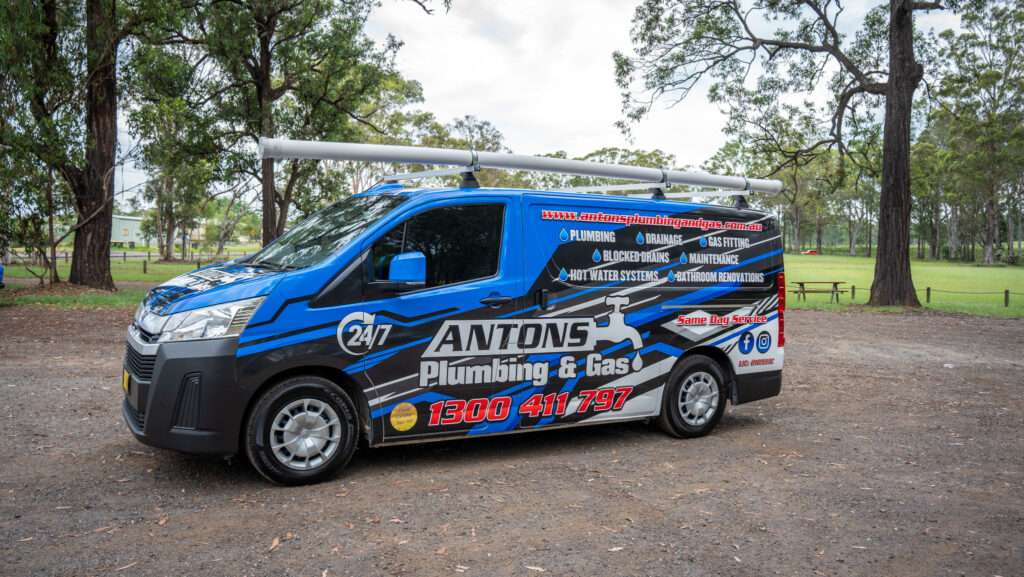
Our emergency response team arrives equipped to handle burst hot water system situations from initial damage control through complete system replacement. With over 25 years of experience, we diagnose problems quickly and provide clear options for restoration. Same-day service means your hot water returns as soon as possible.
Every job starts with safety assessment and immediate damage control. We then evaluate whether repair or replacement offers the best long-term solution for your specific situation.
Rapid Emergency Response and Assessment
Our 24/7 emergency service reaches Sydney properties within hours of your call with no call-out fees. We arrive with diagnostic equipment, safety gear, and common repair parts to begin work immediately. The initial assessment identifies the failure cause and determines the best course of action.
Immediate Damage Control and Safety Measures
We secure the area by confirming water and power shut-offs, then assess electrical and structural safety. Our team identifies any immediate hazards and implements temporary measures to prevent additional damage. Safety compliance with Australian Standards guides every step of our emergency response.
System Diagnosis and Repair Evaluation
Professional diagnosis determines whether your burst hot water system can be repaired or requires complete replacement. We examine the tank, fittings, relief valves, and supporting infrastructure to identify all damage. This comprehensive assessment helps you make informed decisions about repairs versus replacement.
Repair vs Replacement Recommendations
Minor leaks and component failures often allow for cost-effective repairs that restore system function. Major tank damage or systems approaching end-of-life typically require complete replacement for safety and reliability. We present clear options with honest assessments of each approach’s benefits and limitations.
Quality System Installation and Compliance
New hot water system installation follows strict Australian Standards for safety and performance. We handle all permits, inspections, and compliance documentation required by NSW regulations. Our lifetime labor warranty backs every installation with confidence in our workmanship.
Coordination with Insurance and Restoration Services
We work directly with insurance companies to document damage and coordinate claims processing. Our detailed reports and photos support your insurance claim with professional documentation. When water damage restoration is needed, we coordinate with trusted specialists for complete property recovery.
Licensed under NSW Fair Trading (Lic: 210933C), our work meets all regulatory requirements for plumbing and gas fitting. You can trust our team to restore your hot water safely and reliably, backed by comprehensive insurance and professional standards.
Conclusion
Burst hot water system emergencies require immediate safety action followed by professional intervention for lasting solutions. Quick water shut-off, electrical disconnection, and damage control protect your property during those critical first minutes. Professional assessment and quality repairs restore safe, reliable hot water while preventing future failures through proper maintenance.
When your hot water heater bursts, Antons Plumbing & Gas provides expert hot water system repairs across Sydney Metro. Our licensed team offers same-day service with upfront pricing. Learn more about our emergency plumbing solutions.
Related Articles
FAQs
What Are The Warning Signs That My Hot Water Heater Is About To Burst?
Common warning signs include unusual noises such as banging or popping, water pooling around the base of the heater, discolored water, and fluctuating water temperatures. If you notice any of these symptoms, it’s important to contact a qualified plumber like Antons Plumbing & Gas to assess the situation promptly.
What Should I Do First If My Hot Water System Bursts?
The first step is to turn off the power supply to the hot water system, and if it’s gas-operated, shut off the gas supply. Next, turn off the water supply to prevent further flooding and contact a licensed plumber immediately to address the issue.
Who Do I Call For A Burst Hot Water Heater—Plumber, Electrician, Or Both?
In most cases, you should call a licensed plumber who specializes in hot water systems, as they can handle the repairs and assess any damage. If electrical components are involved, they may recommend an electrician as well. At Antons Plumbing & Gas, we provide comprehensive services to address both plumbing and gas-fitting needs.
Will Insurance Cover Damage From A Burst Hot Water System?
Coverage for damage caused by a burst hot water system typically depends on your home insurance policy. It’s advisable to consult with your insurance provider to understand your coverage and any necessary steps to make a claim.
How Can I Prevent My Hot Water Heater From Bursting Again In Future?
Regular maintenance is key to preventing future issues. Schedule routine inspections with a qualified plumber, flush your tank annually to remove sediment buildup, and keep an eye on the age of your unit. Antons Plumbing & Gas can help with maintenance and ensure your hot water system operates safely and efficiently.