

Understanding the key differences between a handyman and a licenced plumber can save you money, prevent legal issues, and protect your property from costly damage. In New South Wales, strict licensing laws govern who can perform plumbing work, and the consequences of choosing the wrong professional can be severe. While handymen excel at minor maintenance tasks, licensed plumbers handle complex installations and repairs that require specialised knowledge and compliance with Australian Standards, including Sydney Water requirements.
This article examines the critical differences between handymen and licensed plumbers in Sydney and across NSW, covering legal requirements, insurance implications, technical expertise, and practical scenarios to help you make informed decisions. You’ll learn exactly what plumbing work a handyman can legally perform, when you must hire a licensed professional, and how these choices impact your safety and compliance.
Key Takeaways
- Licensed plumbers in NSW must hold specific qualifications, a current licence and insurance that handymen typically lack.
- Handymen can perform basic maintenance like tap washers and toilet seats but cannot install or modify plumbing systems.
- Insurance claims may be denied if unlicensed work causes water damage or system failures.
- Complex plumbing work requires compliance with AS/NZS 3500 standards and Sydney Water requirements that only licensed professionals understand.
- Emergency plumbing situations always require licensed professionals for safety and legal compliance.
Can a Handyman Do Plumbing Work Under NSW Law
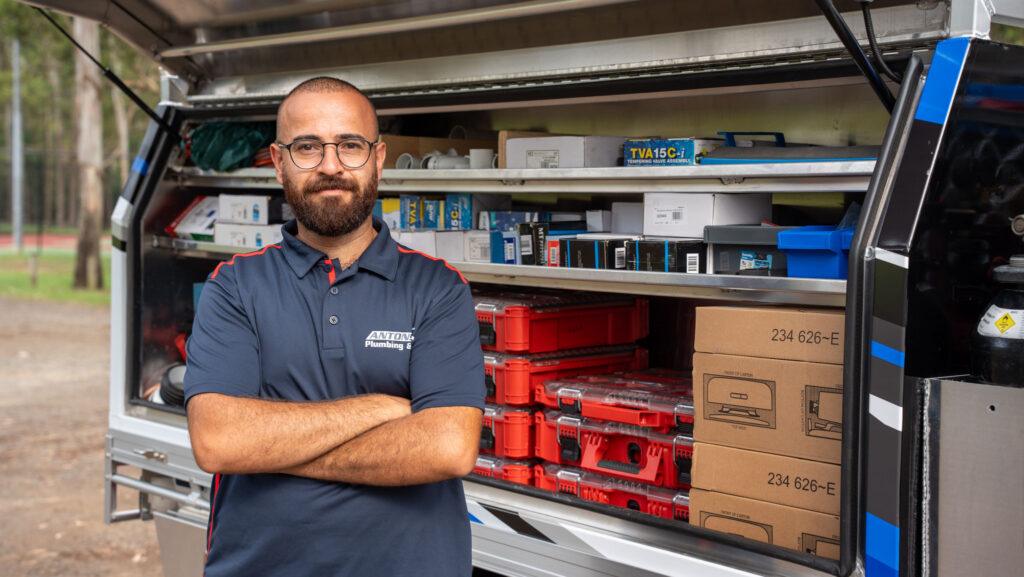
NSW Fair Trading regulations clearly define what constitutes licensed plumbing work versus general maintenance. Under current legislation, handymen can perform basic maintenance tasks that don’t involve modifying existing plumbing systems or installing new components. The key distinction lies in whether the work affects the structural integrity or functionality of your plumbing system.
Licensed plumbers must complete a Certificate III in Plumbing and hold a current licence through NSW Fair Trading. They’re also required to maintain professional indemnity insurance and public liability cover, and in many cases must notify Sydney Water before starting work on connections to the water or sewer main.
1. Basic Maintenance Tasks Handymen Can Perform
Handymen can legally replace tap washers, adjust toilet seats, and clear simple blockages using basic tools. These tasks don’t require specialised knowledge of water pressure, pipe sizing, or compliance certificates.
2. Installing New Fixtures Requires Licensing
Any work involving new water connections, pipe modifications, or fixture installations must be performed by licensed professionals. This includes connecting dishwashers, installing new taps, or relocating plumbing components.
3. Gas Work is Strictly Regulated
All gas-related work requires specific gas fitting licences in addition to plumbing qualifications. Handymen cannot legally touch gas appliances, connections, or safety devices under any circumstances.
4. Compliance Certificates and Documentation
Licensed plumbers provide compliance certificates for completed work, which are required for insurance claims, council records and property sales. Where work affects Sydney Water infrastructure, a Sydney Water Certificate of Compliance may also be needed. Handymen cannot issue these documents, potentially affecting your property value.
5. Emergency Response Limitations
During plumbing emergencies like burst pipes or gas leaks, handymen lack the training and legal authority to perform necessary repairs. Licensed professionals understand emergency protocols and safety procedures required across Sydney homes.
At Antons Plumbing & Gas, we maintain a current NSW licence (Lic: 210933C) and provide same-day emergency response across Sydney. If your job involves gas, hot water, new installations, or anything beyond a simple washer change, call a licensed Sydney plumber on +61 493 824 176 rather than risk unlicensed work.
What Are the Key Technical and Safety Differences Between a Handyman and a Licenced Plumber?

The technical knowledge gap between handymen and licensed plumbers becomes apparent when dealing with complex plumbing systems. Licensed professionals undergo years of training covering water hydraulics, pipe materials, pressure calculations, and safety protocols. This expertise proves critical when diagnosing problems, selecting appropriate solutions, and ensuring long-term system reliability.
Handymen typically lack specialised training in plumbing codes, water quality standards, and cross-connection prevention. These knowledge gaps can lead to improper repairs that create bigger problems down the line.
- Diagnostic Capabilities: Licensed plumbers use CCTV cameras, acoustic leak detection, and pressure testing to identify root causes rather than just addressing symptoms.
- Material Selection: Professional plumbers understand pipe compatibility, water chemistry effects, and appropriate fittings for different applications and environments.
- Code Compliance: Licensed professionals stay current with AS/NZS 3500 plumbing standards, Sydney Water requirements, and local council requirements that affect installation methods.
- Safety Protocols: Proper training covers electrical safety around water, confined space procedures, and hazardous material handling that handymen may not understand.
- System Integration: Complex installations require understanding how different building systems interact, including structural, electrical, and ventilation considerations.
- Quality Assurance: Licensed plumbers test their work using specialised equipment and provide warranties backed by professional insurance cover.
Our team at Antons Plumbing & Gas uses advanced diagnostic tools and follows strict safety protocols to ensure every job meets professional standards. We provide detailed explanations of our findings and recommendations in plain English.
Insurance and Liability Considerations

Insurance implications represent one of the most overlooked aspects when choosing between handymen and licensed plumbers. Most home insurance policies contain specific clauses requiring licensed professionals for plumbing work, and violations can void cover entirely. When water damage occurs from unlicensed work, insurers routinely deny claims, leaving homeowners facing thousands of dollars in repair costs.
Professional plumbers carry public liability insurance and professional indemnity cover that protects both the tradesperson and property owner. Handymen may have general liability insurance, but this typically excludes specialised trade work.
| Coverage Type | Licensed Plumber | Handyman |
|---|---|---|
| Public Liability | $2-20 million typical | $1-5 million typical |
| Professional Indemnity | Required for licensing | Often excluded |
| Home Insurance Acceptance | Fully covered | May void policy |
| Workmanship Warranty | Industry standard | Limited or none |
The financial risk extends beyond immediate repairs. Water damage from faulty plumbing work can affect structural elements, electrical systems, and personal belongings. Licensed professionals understand these risks and take appropriate precautions during installation and repair work.
When to Choose Each Professional

Making the right choice between a handyman and licensed plumber depends on understanding the scope, complexity, and legal requirements of your specific situation. Simple maintenance tasks that don’t involve system modifications suit handymen perfectly, while anything affecting water supply, drainage, or gas connections requires professional licensing. The decision often comes down to risk tolerance and long-term implications rather than just immediate cost considerations.
Emergency situations always demand licensed professionals due to safety risks and insurance requirements. Non-urgent cosmetic work may be appropriate for skilled handymen within their legal scope.
Choose a Handyman For:
- Cosmetic Repairs: Replacing toilet seats, cabinet hardware, or non-plumbing bathroom accessories that don’t affect water connections.
- Basic Maintenance: Cleaning aerators, adjusting toilet handles, or replacing worn washers in existing taps without disconnecting water supply.
- Minor Blockages: Clearing simple drain blockages using plungers or basic drain snakes that don’t require pipe disassembly.
- Painting and Tiling: Bathroom renovations that don’t involve moving or installing plumbing fixtures or water connections.
- General Repairs: Fixing loose towel rails, mirrors, or other bathroom fixtures that don’t connect to water or gas systems.
Choose a Licensed Plumber For:
- New Installations: Installing taps, toilets, showers, or any fixture requiring new water connections or modifications to existing plumbing.
- Leak Repairs: Fixing leaks in pipes, joints, or fixtures that require disconnecting water supply or accessing concealed plumbing.
- Hot Water Systems: All work involving hot water units, including repairs, maintenance, and installations that affect gas or electrical connections.
- Drainage Issues: Complex blockages requiring pipe inspection, tree root removal, or pipe relining that affects the main drainage system.
- Emergency Situations: Burst pipes, gas leaks, or sewage backups that require immediate professional intervention and compliance documentation.
- Renovation Projects: Bathroom or kitchen renovations involving moving plumbing fixtures or installing new water and waste connections.
We provide same-day service across Sydney for both planned installations and emergency repairs. Our diagnostic approach identifies the root cause of problems rather than just treating symptoms, ensuring lasting solutions.
Cost Implications and Long-term Value

While handymen typically charge lower hourly rates than licensed plumbers, the true cost comparison requires considering potential consequences of improper work. Licensed plumbers may cost more upfront but provide compliance documentation, insurance protection, and warranties that protect your investment. The apparent savings from choosing unlicensed work can quickly disappear if problems arise or insurance claims are denied.
Professional plumbing work also adds value to your property and ensures compliance during sales inspections. Buyers and building inspectors look for proper documentation and quality workmanship that only licensed professionals can provide.
- Upfront Costs: Licensed plumbers charge rates in AUD that include compliance certificates, quality materials, and professional warranties in their pricing structure.
- Hidden Expenses: Unlicensed work may require complete redoing by licensed professionals if problems develop or compliance issues are discovered during inspections.
- Insurance Savings: Some insurers offer discounts for homes with documented professional plumbing work and regular maintenance by licensed contractors.
- Property Value: Professional installations and documentation can increase property value and appeal to quality-conscious buyers during sales.
- Maintenance Costs: Properly installed systems require less frequent repairs and last longer than work performed by unqualified individuals.
- Emergency Prevention: Professional installation and maintenance can prevent costly emergency situations that require immediate expensive repairs.
Our transparent pricing (in AUD) includes all materials, labour, and compliance documentation with no hidden fees. We provide detailed quotes explaining exactly what work will be performed and why each step is necessary for compliance and safety.
Conclusion
The choice between a handyman and licensed plumber ultimately depends on legal requirements, technical complexity, and risk tolerance for your specific plumbing needs. Licensed professionals provide compliance, insurance protection, and specialised expertise that handymen cannot legally offer for most plumbing work. When in doubt, consulting a licensed Sydney plumber ensures safety, compliance with Sydney Water and NSW regulations, and long-term value for your property investment.
Antons Plumbing & Gas brings 25+ years licensed expertise that handymen simply can’t match. Our qualified team (Lic: 210933C) ensures safe, compliant work backed by lifetime warranties. Learn more about professional plumbing solutions today.
Related Articles
FAQs
What Types Of Plumbing Can A Handyman Do?
A handyman can typically handle minor plumbing tasks such as fixing leaky taps, unclogging drains, and replacing fixtures. However, for more complex issues like extensive pipe repairs or installations, it’s best to hire a licensed plumber like Antons Plumbing & Gas, who has the expertise and tools to ensure the job is done safely and correctly.
Are Handymen Licensed To Do Plumbing Work?
In general, handymen are not licensed to perform plumbing work that requires a permit or involves significant plumbing systems. Only fully qualified plumbers, like those at Antons Plumbing & Gas (NSW Lic: 210933C), hold the necessary licences and certifications to ensure compliance with local regulations and safety standards.
How Much Can A Handyman Charge For Plumbing Services?
The cost of hiring a handyman for plumbing services can vary widely based on the task and location. While handymen may offer competitive rates, it’s important to consider the value of hiring a licensed plumber like Antons Plumbing & Gas, who provides upfront AUD pricing and a lifetime labour warranty for peace of mind.
What Is The Difference Between A Handyman And A Plumber?
The primary difference between a handyman and a plumber lies in the scope of work and licensing. Handymen can perform minor repairs and maintenance, while licensed plumbers, such as those at Antons Plumbing & Gas, are trained to handle complex plumbing installations and repairs, ensuring compliance with safety standards and local NSW regulations.
Can A Handyman Fix A Leaky Tap?
Yes, a handyman can typically fix a leaky tap, as it is considered a minor plumbing task. However, for more complicated plumbing issues or to ensure a long-lasting solution, it’s advisable to consult a licensed plumber like Antons Plumbing & Gas, who can provide expert diagnosis and reliable repairs.
How Do I Know If My Sydney Job Needs A Licensed Plumber Or A Handyman?
If the job involves new water or gas connections, moving pipework, hot water systems, or anything affecting Sydney Water infrastructure, you need a licensed plumber. For cosmetic or purely maintenance tasks, a handyman may be fine. If you’re unsure, call Antons Plumbing & Gas (Lic: 210933C) and we’ll tell you honestly which trade you need.
Does Antons Plumbing & Gas Service My Sydney Suburb?
We cover metropolitan Sydney including the North Shore, Inner West, Eastern Suburbs and surrounding council areas. Contact us on +61 493 824 176 to confirm coverage for your address.
How Quickly Can A Licensed Plumber Attend An Emergency In Sydney?
We offer same-day emergency response across Sydney for burst pipes, gas leaks and blocked drains. Call us directly rather than attempting a DIY fix on anything involving gas or hidden pipework.
Do You Charge A Call-Out Fee For Licensed Plumbing Work?
No, we operate on a $0 call-out fee promise for our licensed plumbing services across Sydney. See our related article for full details.
Will You Provide A Compliance Certificate After The Job?
Yes. As a licensed NSW plumber (Lic: 210933C), we issue the required compliance documentation for completed work, including Sydney Water Certificates of Compliance where applicable, so your insurance and any future property sale are protected.
Can You Help With Strata Or Rental Properties In Sydney?
Yes, we regularly work with strata managers, landlords and tenants across Sydney. We provide written quotes and compliance paperwork suitable for strata records and rental property files.
Do I Need Council Or Sydney Water Approval For My Plumbing Work?
Some plumbing work, particularly connections to the water main or sewer, requires notification to Sydney Water and may need council approval. Our licensed team handles this notification process for you as part of the job.
How Do I Check A Plumber’s Licence Before Booking In NSW?
You can verify any plumber’s licence number through the NSW Fair Trading public register. Our licence number is 210933C — feel free to check it before booking, and always ask for it if hiring elsewhere.
Do You Offer Same-Day Hot Water System Installation?
Yes, our licensed plumbers can often install or replace hot water systems the same day, including gas and electric units, with all compliance paperwork completed on the spot.
Is Your Plumbing Work Guaranteed?
Yes, all licensed work completed by Antons Plumbing & Gas is backed by a lifetime labour warranty, giving Sydney homeowners confidence the job is done right the first time.
Do You Work Weekends And Public Holidays In Sydney?
Yes, our licensed plumbers are available for emergency and scheduled work on weekends and public holidays across Sydney — call +61 493 824 176 to book a time.
What Payment Methods Do You Accept?
We accept standard payment methods with transparent AUD pricing agreed upfront before any work begins, so there are no surprises on your invoice.
How Do I Book A Licensed Plumber With Antons Plumbing & Gas?
You can book online through our booking page or call us directly on +61 493 824 176. We’ll confirm the scope of work, provide an upfront AUD quote, and schedule a licensed plumber at a time that suits you.
What Happens If Unlicensed Work Has Already Caused Damage To My Home?
If unlicensed work has caused water damage, a licensed plumber can assess the damage, carry out compliant repairs, and provide the documentation your insurer will likely require to process a claim. Contact Antons Plumbing & Gas for an assessment.
Can You Quote My Job Over The Phone Or Do I Need A Site Visit?
For straightforward jobs we can often provide an indicative AUD quote over the phone; more complex installations or diagnostics usually require a site visit so we can confirm compliance requirements before starting.