Nobody wants to deal with a blocked toilet, but it happens to almost every homeowner in Sydney at some point. The panic sets in as the water level rises, the smell becomes overwhelming, and you’re left wondering how to fix this embarrassing mess without flooding your bathroom.
This guide walks you through the proper technique for how to use a plunger to unclog a toilet, common mistakes to avoid, and when to call professional help. You’ll also discover simple prevention tips to keep your toilet flowing smoothly and compliant with Sydney Water requirements.
Key Takeaways
- Choose a flange plunger specifically designed for toilets to create the proper seal over the drain opening.
- Position the plunger correctly and use steady, controlled thrusts without breaking the seal between attempts.
- Avoid overfilling the toilet bowl and never mix chemical drain cleaners with plunging efforts.
- Call a licensed Sydney plumber when DIY methods fail or blockages keep returning frequently.
- Prevent future clogs by only flushing toilet paper and human waste down your toilet, in line with Sydney Water’s “3 P’s” guidance (pee, poo and paper only).
Why Your Toilet Won’t Clear and What’s Really Going On
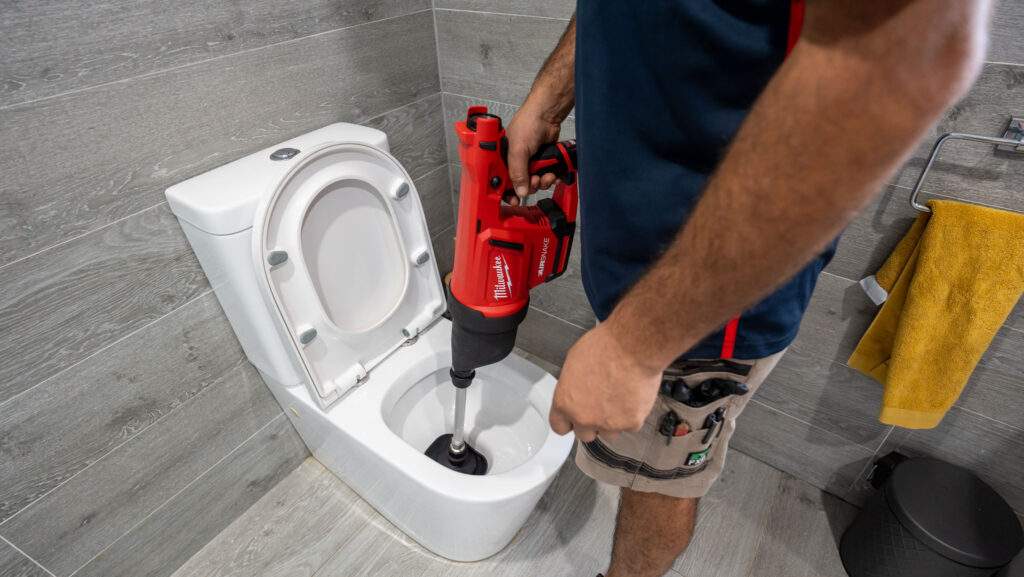
That sinking feeling when you flush and the water starts rising instead of draining hits every homeowner eventually. The smell, the panic, the embarrassment of a clogged toilet creates stress that makes you want to fix it immediately. Your mind races through worst-case scenarios while you’re standing there with rubber gloves, hoping this won’t turn into a bigger disaster.
Most toilet blockages happen close to the toilet trap, that curved section designed to keep sewer gases from entering your bathroom. Excessive toilet paper, sanitary products, wet wipes, or other items that shouldn’t be flushed create these clogs. Sydney Water actively campaigns against flushing anything other than the “3 P’s” (pee, poo and paper) precisely because these blockages are so common in Sydney homes.
The science behind clearing blockages involves pressure changes that follow Boyle’s law. When you press down on a plunger, you decrease the air volume in the drain while increasing pressure. This pressure change, combined with the suction created when you pull up, helps dislodge whatever is blocking your toilet’s flow.
Get The Best Plumbing Service Now!
The Best Plunger for a Toilet Clog (And Which Types to Avoid)

Choosing the right toilet plunger is the easiest way to clear a clog quickly without splashing or wasting effort. While several plungers exist, only certain designs can seal properly in a toilet outlet and create the pressure needed to dislodge a blockage. Use the table below to pick the correct plunger for toilet clogs and understand when the others are better (or best avoided).
| Plunger Type | Best Use | What to Know |
|---|---|---|
| Flange (Toilet) Plunger | Toilets (most household clogs) | The flange fits into the toilet outlet to create a tight seal and drive pressure straight into the clog—this is the best all-round choice for toilet blockages. |
| Accordion (Bellows) Plunger | Toilets (tough, stubborn clogs) | Very powerful pressure bursts, but harder to control and more likely to splash; rigid plastic can scratch porcelain if used roughly. |
| Cup (Standard) Plunger | Flat drains (sinks, tubs, showers) | Works well on flat surfaces, but seals poorly in toilet bowls due to the curve—often ineffective for toilet clogs. |
| Taze Plunger (Specialty/Pro Tool) | Deep/severe blockages (pro use) | A professional tool designed to push out deeper pipe blockages; not typically kept for normal household toilet clogs. |
For most toilet clogs at home, keep a flange plunger in your bathroom—it’s the most reliable and easiest to use. An accordion plunger can be useful for stubborn blockages, but it requires more care to avoid splashing or scratching the bowl. If repeated proper plunging doesn’t improve drainage, the clog may be deeper than the toilet trap and you may need a toilet auger or a licensed Sydney plumber.
How to Use a Plunger to Unclog Your Toilet Without Making a Mess
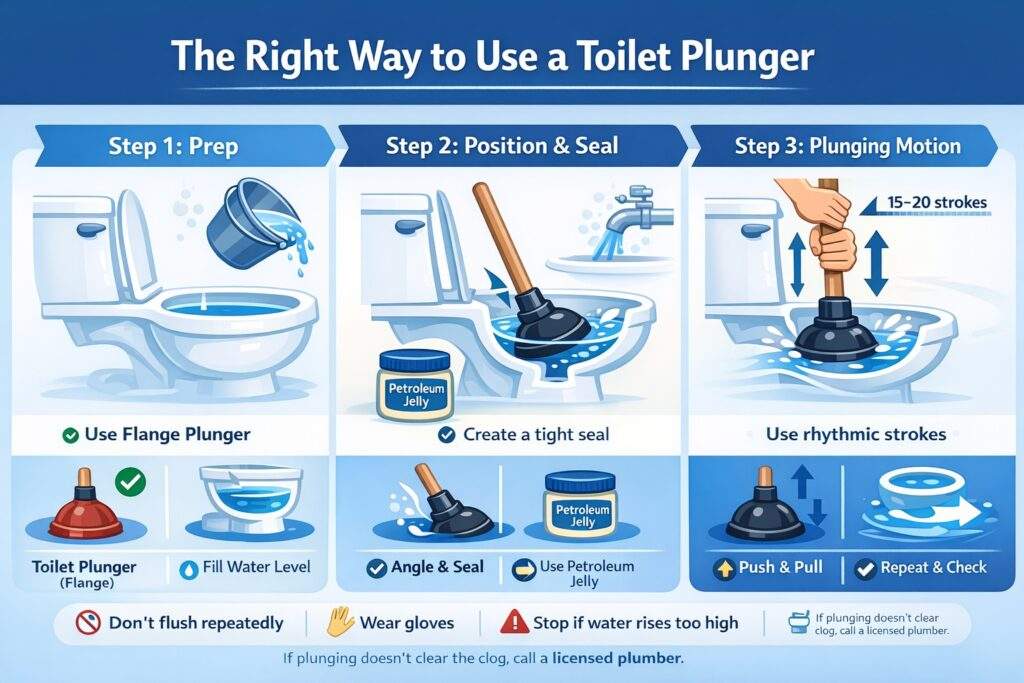
Unclogging a toilet doesn’t have to mean splashing water everywhere or turning your bathroom into a cleanup job. The key is using the right plunger, creating a tight seal, and working with controlled pressure instead of aggressive force. Follow these steps to clear the blockage efficiently while keeping mess to a minimum.
Step 1: Prep
Start by using a flange plunger, which has an extra rubber sleeve designed specifically for toilets. A standard cup plunger is meant for flat drains like sinks and tubs and won’t create the proper seal inside a toilet outlet. Make sure the water level in the bowl covers the rubber cup—if it’s too low, add water using a bucket so you can drive water pressure through the clog. If the rubber feels stiff, run it under warm water first to soften it. This helps create a tighter seal and makes plunging more effective.
Step 2: Positioning and Seal
Angle the plunger so the flange fits securely into the toilet drain opening and the cup sits flat against the bowl surface. Press down slowly once or twice to squeeze out trapped air and allow the cup to fill completely with water. This step is important because you want to push water—not air—through the blockage. These slow presses also help you test whether you have a good seal before you begin stronger plunging. For an even tighter seal and less splashing, you can apply a thin layer of petroleum jelly around the rim of the plunger.
Step 3: Plunging Motion
Once the seal is secure and the cup is filled with water, begin using firm, quick strokes about 2–5 cm up and down while keeping the plunger sealed to the bowl. Focus on a steady, rhythmic push–pull motion for about 15–20 strokes, then pause to check if the water begins draining. If it doesn’t clear right away, repeat in sets. The goal is to create consistent water pressure changes that dislodge the clog—not to wildly churn the bowl.
When done correctly, plunging is clean, controlled, and surprisingly fast. If the water still won’t drain after several proper sets, stop before overflowing and consider a toilet auger or a licensed plumber. A calm, seal-first approach will clear most blockages without the mess.
Plunging Mistakes That Actually Make Your Toilet Blockage Worse

Many homeowners accidentally make a toilet blockage worse by using the wrong tools or the wrong technique. Instead of pulling the clog free, these mistakes can push it deeper into the drain or create damage that leads to a bigger repair. Knowing what to avoid saves time, prevents mess, and reduces the chance you’ll need a plumber.
Using the Wrong Plunger
Cup plungers (meant for sinks) don’t seal properly in a toilet, so they move water around without building the pressure needed to clear the blockage. Poor seals also cause splashing and wasted effort.
Plunging Too Aggressively
Slamming the plunger can crack the bowl, damage internal parts, and spray contaminated water around the bathroom. Controlled strokes work better because they maintain steady pressure changes.
Adding Chemical Drain Cleaners
Chemical cleaners can produce harmful fumes, react with other products, and damage pipes or toilet components. They also rarely solve toilet clogs effectively, especially when the blockage is solid material, and pouring them down the drain isn’t something Sydney Water recommends either.
Overfilling the Toilet Bowl
Too much water increases the risk of overflow and makes plunging harder to control. The goal is enough water to cover the plunger cup—not so much that it spills during the process.
Breaking the Seal Between Thrusts
Lifting the plunger completely out of the water breaks the seal and eliminates the suction and pressure cycle that loosens the clog. Keeping the seal intact improves effectiveness and reduces splashing.
Giving Up Too Quickly
Most clogs need sustained plunging in sets over a few minutes to fully clear. Stopping too early often leaves a partial blockage that comes back again soon.
Avoiding these plunging mistakes keeps your toilet safer, cleaner, and easier to clear. If the bowl keeps filling, drains very slowly after repeated proper plunging, or you suspect a deeper blockage, it’s better to stop and seek help from a licensed Sydney plumber. A quick, correct approach now can prevent a bigger plumbing problem later.
When a Blocked Toilet Needs Antons Plumbing & Gas Instead of More DIY
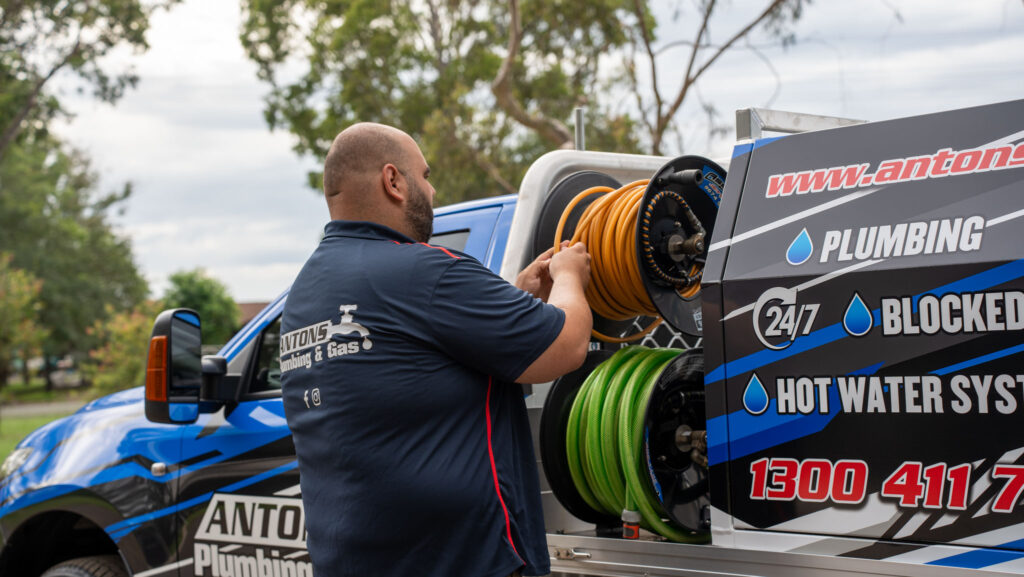
Some toilet blockages go beyond what a plunger can fix and need a licensed plumber to diagnose the real cause. If you’re dealing with repeated clogs, sewer-style backups, foul smells, or a blockage that won’t clear even with proper plunging, the issue is usually deeper in the system. Continuing DIY in these cases can push the blockage further, trigger overflow, or damage pipes—often turning a simple fix into a more expensive repair, and in NSW, plumbing and drainage work beyond basic DIY plunging legally needs to be carried out by a licensed practitioner.
Antons Plumbing & Gas is the right call when the warning signs point to a system-level problem, not a one-off clog in the bowl. Recurring blockages often mean partial pipe obstructions or venting faults that keep catching waste. Multiple fixtures backing up (toilet, shower, floor drain) strongly suggests a main sewer line issue that needs professional tools. Sewage odours, unexplained water level changes, and gurgling sounds after flushing can indicate venting problems, trapped air, or pipe damage—issues that require compliant repair rather than trial-and-error.
Our licensed plumbers (NSW Lic. 210933C) use CCTV drain inspections to locate the root cause accurately, so you’re not paying for guesswork or temporary fixes. We assess the full drainage system, then recommend the safest, most cost-effective solution based on what we find—work that connects into the Sydney Water network, so it needs to be done right the first time. With same-day service across Sydney, no call-out fees, upfront pricing, and work completed to NSW Fair Trading requirements and Australian Standards, you’ll get a proper repair backed by our lifetime labour warranty—so the problem doesn’t keep coming back.
Conclusion
Proper plunging technique solves most toilet blockages when you use the right tools and methods consistently. Prevention through smart flushing habits keeps your toilet flowing smoothly and reduces emergency situations. Call Antons Plumbing & Gas (NSW Lic. 210933C) on 0493 824 176 when blockages persist or indicate deeper plumbing problems requiring professional expertise.
When DIY plunging fails, Antons Plumbing & Gas offers expert blocked drain solutions across Sydney Metro. Our licensed team provides same-day service with no call-out fees. Learn more about our professional toilet repair services.
Related Articles
- Sewer Vent Pipe Issues: Causes and Fixes
- Burst Hot Water Heater: Why This Happens and What to Do Next
- Can Too Much Toilet Paper Clog a Toilet? Here’s What You Should Know
FAQs
Why Isn’t My Toilet Unclogging Even When I Use A Plunger?
There could be several reasons why your toilet isn’t unclogging. It may be due to a deeper blockage in the plumbing system or a malfunctioning toilet component. If repeated plunging doesn’t work, it might be time to call a licensed Sydney plumber like Antons Plumbing & Gas, who can diagnose and resolve the issue effectively.
What Type Of Plunger Works Best For A Blocked Toilet?
The best type of plunger for a blocked toilet is a flange plunger. This design has an extended rubber flap that creates a better seal in the toilet bowl, allowing for more effective plunging. Our experienced technicians can recommend the right tools for your plumbing needs.
How Much Force Should I Use When Plunging A Toilet?
When plunging a toilet, use firm, consistent pressure and a vigorous up-and-down motion. Start gently to create a seal, then increase the force as needed. If you’re not seeing results, it may be wise to consult with a plumbing expert from Antons Plumbing & Gas to avoid potential damage.
When Should I Stop Plunging And Call A Plumber Instead?
If you’ve been plunging for several minutes without success, or if the toilet is backing up frequently, it’s a good idea to call a plumber. Our qualified, licensed team at Antons Plumbing & Gas is ready to tackle more complex issues safely and efficiently.
Can Plunging A Toilet Damage The Pipes Or Toilet Seal?
While plunging is generally safe, excessive force can potentially damage the toilet seal or pipes. If you’re unsure about the condition of your plumbing, it’s best to reach out to Antons Plumbing & Gas for a professional assessment to prevent further issues.
How Quickly Can Antons Plumbing & Gas Get To My Sydney Home For A Blocked Toilet?
We offer same-day service across Sydney Metro for blocked toilets and blocked drains. Call 0493 824 176 and our team will arrange a time that works for you as soon as possible.
Do You Charge A Call-Out Fee To Look At A Blocked Toilet?
No. Antons Plumbing & Gas doesn’t charge call-out fees, and we provide upfront pricing before any work begins, so you know exactly what you’re paying for before we start.
Is Antons Plumbing & Gas Licensed To Work On My Sydney Property?
Yes. We hold NSW Licence 210933C and complete all work to NSW Fair Trading requirements and Australian Standards, so you can be confident the repair is done properly and legally.
Do You Cover My Suburb In Sydney?
Antons Plumbing & Gas services suburbs across Sydney Metro. Give us a call on 0493 824 176 and we’ll confirm we can get a licensed plumber out to you.
What Happens During A CCTV Drain Inspection For A Blocked Toilet?
We feed a camera into the drainage system to see exactly where the blockage sits and what’s causing it, whether that’s a build-up, a pipe fault, or a venting issue. This means we fix the actual cause instead of guessing or applying a temporary patch.
Could My Blocked Toilet Be A Sydney Water Issue Rather Than My Own Pipes?
It’s possible, particularly if multiple fixtures in your home are backing up at once. Our licensed plumbers can determine whether the blockage is in your private plumbing or further down the line, and advise on the right next step.
Do You Offer Emergency Plumbing Services After Hours In Sydney?
Yes, Antons Plumbing & Gas provides prompt service for urgent blocked toilet and blocked drain issues. Call 0493 824 176 to discuss your situation and arrange a visit.
What Guarantee Do You Offer On Blocked Toilet Repairs?
All our repair work is backed by a lifetime labour warranty, so if the same issue returns due to our workmanship, we’ll come back and make it right.
How Do I Book A Plumber For A Blocked Toilet With Antons Plumbing & Gas?
You can book online through our booking page or call us directly on 0493 824 176, and our team will organise a licensed plumber to attend your Sydney property.
Can A Blocked Toilet Damage My Sydney Home If Left Untreated?
Yes. An unresolved blockage can lead to overflow, water damage to flooring and fixtures, and worsening pipe damage over time. Getting it looked at early, either by correct plunging or a licensed plumber, helps avoid a bigger repair bill.
Do You Provide Upfront Pricing Before Starting Work?
Yes, we always confirm pricing with you before any work begins, so there are no surprises once the job is done.
Is It Safe To Use Chemical Drain Cleaners While I Wait For The Plumber?
We recommend avoiding chemical drain cleaners. They can damage pipes and toilet components, create hazardous fumes, and make it harder for our plumbers to safely assess and clear the blockage once they arrive.
How Do I Know If My Blocked Toilet Is Linked To A Bigger Sewer Problem?
Warning signs include multiple fixtures backing up at once, gurgling sounds after flushing, sewage odours, or blockages that keep returning despite proper plunging. If you notice any of these, it’s best to book a licensed Antons Plumbing & Gas technician for a proper assessment.
What Should I Do While Waiting For The Plumber To Arrive?
Avoid flushing the toilet again, keep chemical cleaners away from the bowl, and if the water is close to the rim, avoid adding more water. If it’s an emergency, call us on 0493 824 176 and we’ll advise you on next steps until we arrive.