
Sydney homeowners often unknowingly sabotage their own plumbing systems through well-intentioned but misguided blocked drain cleaning attempts. These common mistakes can transform minor clogs into expensive repairs, damage pipes, and create health hazards that professional drain cleaning could have prevented.
This guide reveals the hidden drain-damaging habits you might be practising daily, explains why popular DIY solutions often backfire, and shows you when to tackle blockages yourself versus calling our licensed team at Antons Plumbing & Gas.
Key Takeaways
- Daily habits like pouring grease and flushing wipes gradually destroy your drain system without obvious warning signs.
- Chemical drain cleaners can corrode pipes and mask serious underlying blockages that require professional attention.
- Improper DIY tool use often pushes clogs deeper into pipes, creating more expensive problems.
- Multiple fixtures backing up simultaneously indicates main line issues requiring CCTV drain inspection.
- Simple preventive maintenance reduces emergency blocked drain cleaning calls by up to 80%.
Everyday Habits That Quietly Destroy Your Drains
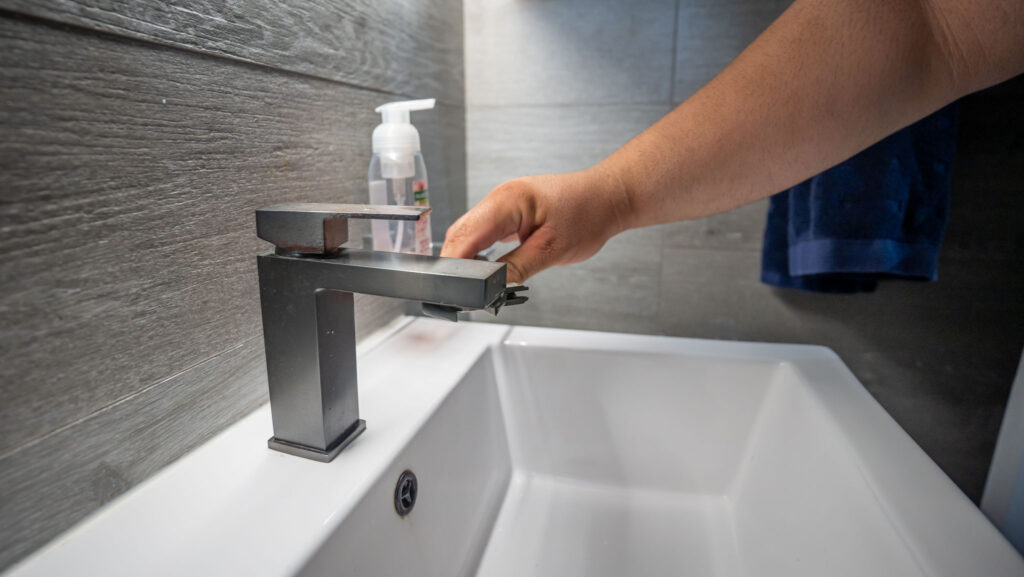
Most blocked drain cleaning emergencies start with seemingly harmless daily routines that gradually build up over months or years. These innocent-looking habits create the perfect conditions for major blockages that catch homeowners completely off guard. Understanding these drain destroyers helps you avoid costly professional drain cleaning services down the track.
Pouring Cooking Grease and Oils Down the Sink
Hot grease flows like water initially, making it seem safe to wash down your kitchen drain. Once it cools inside your pipes, it solidifies into a sticky trap that catches food particles, hair, and debris. This creates layers of buildup that narrow your pipe diameter over time. Even small amounts add up quickly. A tablespoon of cooking oil daily can create significant blockages within months, especially in older Sydney homes with narrower pipes.
Flushing “Flushable” Wipes and Feminine Products
Marketing claims about flushable wipes are misleading – these products don’t break down like toilet paper in your sewer system. They combine with other debris to form tough clogs that require professional blocked drain cleaning equipment to remove. Baby wipes, makeup removal wipes, and cleaning wipes are particularly problematic. Feminine hygiene products expand when wet, creating immediate blockages in toilet traps and branch lines.
Ignoring Hair Accumulation in Bathroom Drains
Long hair wraps around pipe joints and catches soap residue, creating dense mats that block water flow. Short hair is equally problematic – it combines with soap scum to form stubborn clogs that resist basic DIY drain cleaning methods. Pet hair from bathing dogs adds another layer of complexity.
Using Drain Strainers Incorrectly
Many homeowners install drain strainers but rarely clean them properly. Clogged strainers force water to find alternative paths, often pushing debris past the protective barrier. Others remove strainers entirely when they become inconvenient, defeating their purpose completely.
Washing Food Scraps Into Kitchen Sinks
Coffee grounds, rice, pasta, and vegetable peels don’t break down in your drainage system. They settle in pipe bends and create foundations for larger blockages. Even homes with garbage disposals face problems when these items combine with grease and soap residue.
Why Relying on Over-the-Counter Chemical Drain Cleaners Can Backfire
Chemical drain cleaners promise quick fixes for blocked drains, but they often create more problems than they solve. These harsh products can damage your pipes, pose health risks, and mask underlying issues that require professional diagnosis. Understanding their limitations helps you make better decisions about home drain maintenance.
Pipe Damage From Repeated Chemical Use
Most chemical drain cleaners contain sodium hydroxide or sulfuric acid that generates heat when mixed with water. This chemical reaction can soften PVC pipes and corrode metal fittings over time. Repeated use weakens pipe joints and creates leak points that require expensive repairs. Older Sydney homes with cast iron or clay pipes are particularly vulnerable to chemical damage.
Health Risks and Toxic Fume Exposure
Chemical drain cleaners release dangerous vapours that can irritate your respiratory system and eyes. Mixing different products accidentally creates toxic gas combinations that pose serious health risks. Splashing during application can cause chemical burns on skin and damage bathroom fixtures. Poor ventilation in many Sydney bathrooms increases exposure risks significantly.
Masking Deeper Drainage Problems
Chemical cleaners might clear surface clogs temporarily while leaving root causes untouched. Tree root intrusion, pipe belly issues, and main line problems require CCTV drain inspection and professional blocked drain cleaning techniques. Chemicals simply push problems further down the line. This false sense of success delays proper diagnosis until emergency situations develop.
Environmental Impact on Sydney’s Water System
Chemical drain cleaners eventually reach Sydney’s water treatment facilities, where they can disrupt bacterial processes essential for water purification. Some products contain ingredients that persist in the environment long after use. This creates broader ecological impacts beyond your immediate plumbing system.
Ineffectiveness Against Common Blockage Types
Chemicals work poorly against hair clogs, soap scum buildup, and grease accumulation – the most common blockage types in residential drains. They’re completely useless against foreign objects, tree roots, and structural pipe problems. Many homeowners waste money on multiple chemical treatments before calling professional drain cleaning services.
DIY Blocked Drain Cleaning Fixes That Make Blockages Worse
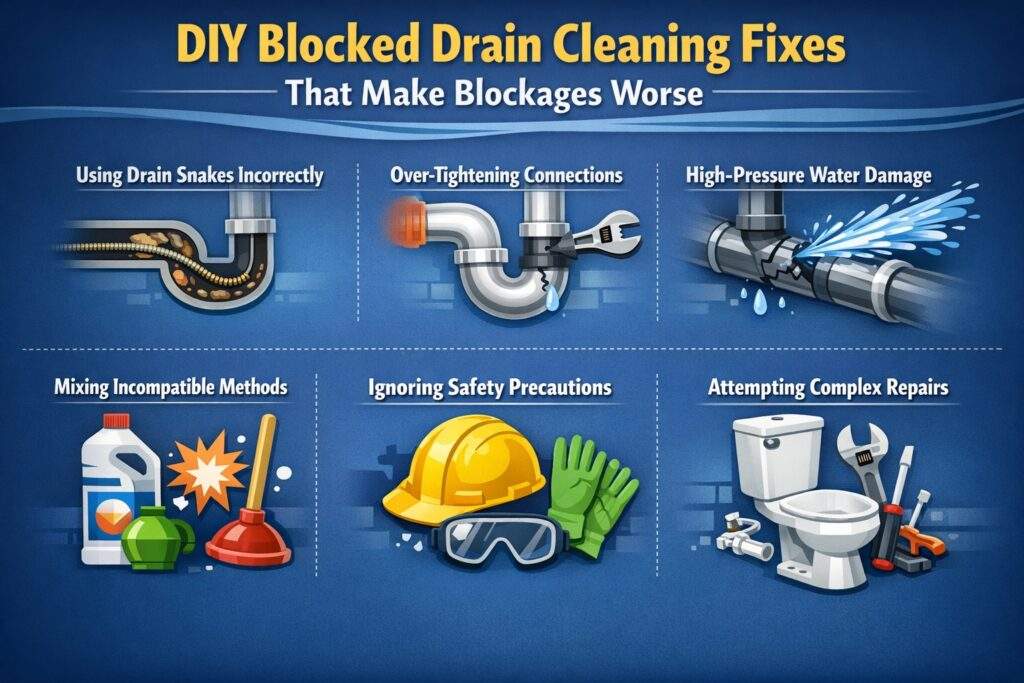
Well-intentioned DIY drain cleaning attempts often worsen blockages by pushing debris deeper into pipe systems or damaging plumbing components. Learning proper techniques prevents costly mistakes and helps you recognize when professional intervention becomes necessary. Here are the most common errors we see in our Sydney service calls.
1. Using Drain Snakes Incorrectly
Forcing drain snakes through pipes without proper technique can push clogs further downstream or damage pipe interiors. Many homeowners use excessive force when they encounter resistance, potentially cracking older pipes or creating new blockage points. The key is gentle, consistent pressure with frequent withdrawal to remove debris.
2. Over-Tightening Pipe Connections
DIY enthusiasts often over-tighten P-trap connections when reassembling after cleaning, causing thread damage or cracking plastic components. This creates leak points that require professional repair and can lead to water damage under sinks. Hand-tight plus one quarter turn is usually sufficient for most residential applications.
3. Using High-Pressure Water Incorrectly
Garden hoses or pressure washers can damage pipe seals and push blockages into main sewer lines where they become more expensive to remove. The water pressure can also force debris into branch lines that weren’t previously affected. Professional hydro-jetting equipment uses controlled pressure with proper safety measures.
4. Mixing Incompatible Cleaning Methods
Combining chemical cleaners with mechanical tools or different chemical products creates dangerous reactions and reduces effectiveness. Some homeowners use chemicals first, then immediately try plunging, which can splash caustic materials. Each method should be attempted separately with proper safety intervals.
5. Ignoring Safety Precautions
DIY drain cleaning without proper protective equipment exposes you to harmful bacteria, toxic fumes, and chemical burns. Many homeowners work in poorly ventilated areas or fail to wear gloves and eye protection. Professional blocked drain cleaning includes proper safety protocols and protective equipment.
6. Attempting Complex Repairs Without Experience
Removing toilet fixtures or dismantling complex pipe assemblies without proper knowledge often creates new problems. Incorrect reassembly can cause leaks, improper sealing, or damage to wax rings and gaskets. Our team at Antons Plumbing & Gas sees many expensive repairs that started as simple DIY attempts.
Warning Signs You Need Professional Blocked Drain Cleaning Instead of DIY Guesswork

Certain symptoms indicate serious drainage problems that require professional diagnosis and specialized equipment to resolve safely. Recognizing these warning signs early prevents extensive damage and reduces repair costs significantly. Our CCTV drain inspection technology can identify root causes that DIY methods simply cannot address.
Gurgling Sounds From Multiple Fixtures
When toilets gurgle while you run the washing machine, or sinks bubble when you flush, your main drainage line likely has significant blockages. This indicates air displacement issues that suggest major clogs or structural problems in your sewer connection. DIY methods cannot reach these deep blockages effectively.
These sounds often precede complete drainage failure, making immediate professional attention crucial.
Repeated Blockages in the Same Location
Clogs that return within days or weeks of DIY cleaning indicate underlying structural issues like pipe bellies, root intrusion, or damaged pipe sections. Chemical treatments and basic snaking only provide temporary relief while the root cause remains untreated. Our pipe relining services can address these persistent problems permanently.
Sewage Odors Throughout Your Home
Persistent sewer smells indicate serious ventilation problems or main line blockages that allow gases to escape through fixture traps. These odors pose health risks and suggest your drainage system cannot handle normal waste flow. Professional diagnosis with CCTV equipment identifies exact problem locations.
Strong odors often accompany dangerous gas buildup that requires immediate professional attention.
Water Backing Up Into Multiple Fixtures
When water from your washing machine appears in floor drains, or toilet waste backs up into shower stalls, your main sewer line has major blockages. This cross-contamination creates serious health hazards and indicates complete drainage system failure. Emergency professional blocked drain cleaning becomes essential.
Slow Drainage Despite Multiple DIY Attempts
Persistent slow drainage after trying various DIY methods suggests deep blockages or pipe damage that requires professional equipment. Tree roots, collapsed pipe sections, or major grease accumulation need specialized removal techniques. Continued DIY attempts often worsen these underlying problems.
Water Pooling Around Exterior Drain Points
Standing water near external gully traps or inspection points indicates main line problems that affect your entire property’s drainage capacity. These issues can cause foundation problems and require immediate professional assessment. Our same-day service across Sydney ensures rapid response to these emergency situations.
Simple Preventive Home Drain Maintenance That Keeps Your Home Flowing
Consistent preventive maintenance reduces blocked drain cleaning emergencies by up to 80% while extending your pipe system’s lifespan significantly. These simple routines take minutes but save thousands in emergency repairs and professional drain cleaning costs. Most preventive measures use common household items and require no special tools or expertise.
Weekly Hot Water Flushes
Pour a kettle of hot water down each drain weekly to dissolve soap residue and minor grease accumulation before they harden into blockages. This simple practice keeps pipes clear and identifies slow-draining fixtures early. Use hot tap water for PVC pipes and boiling water for metal pipes only.
Monthly Natural Cleaning Treatments
Combine half a cup of baking soda with half a cup of white vinegar, pour down drains, wait 30 minutes, then flush with hot water. This natural reaction breaks down organic buildup without damaging pipes or creating toxic fumes. Repeat monthly for all bathroom and kitchen drains.
Proper Waste Disposal Habits
Scrape plates thoroughly before washing, dispose of cooking grease in containers, and use sink strainers consistently. Keep a small compost container near your sink for food scraps instead of washing them down drains. These simple changes prevent most common blockage causes.
Regular Drain Strainer Maintenance
Clean bathroom drain strainers weekly and kitchen strainers after each use to maintain proper water flow. Replace damaged or worn strainers immediately to prevent debris from entering your pipe system. Quality strainers pay for themselves by preventing blocked drain cleaning calls.
Seasonal Professional Inspections
Annual CCTV drain inspections identify developing problems before they become emergencies, especially important for older Sydney homes with aging pipe systems. Our professional assessments catch tree root intrusion, pipe deterioration, and structural issues early. Prevention costs significantly less than emergency blocked drain cleaning services. Professional maintenance also ensures compliance with NSW plumbing standards and maintains your property value.
Smart Water Usage Practices
Run cold water while using garbage disposals to keep grease solid until it reaches the main sewer line. Space out water-intensive activities like laundry and dishwashing to prevent overwhelming your drainage capacity. These practices reduce stress on your entire plumbing system.
Conclusion
Blocked drain cleaning mistakes cost Sydney homeowners thousands annually through pipe damage and emergency repairs. Professional diagnosis identifies root causes that DIY methods cannot address safely or effectively. Call Antons Plumbing & Gas at 0493 824 176 for same-day blocked drain cleaning services across Sydney Metro.
Antons Plumbing & Gas prevents costly drain damage with professional CCTV drain inspections that identify hidden blockages. Our licensed technicians use proper techniques to clear drains safely without pipe damage. Learn more about protecting your Sydney home today.
Related Articles
- What Are the Warning Signs of a Clogged Toilet? Act Fast!
- Why Do Shower Drains Smell? Common Causes and Solutions
FAQs
What Are The Most Common Drain Cleaning Mistakes Homeowners Make?
Homeowners often overlook proper maintenance, use harsh chemical cleaners, or attempt to clear blockages without understanding the underlying issue. These mistakes can lead to more severe problems, making professional help necessary. At Antons Plumbing & Gas, we emphasize the importance of diagnosing the root cause to provide effective solutions.
Why Can Chemical Drain Cleaners Damage Pipes?
Chemical drain cleaners can corrode pipes over time, especially if used frequently or on older plumbing systems. These harsh chemicals can lead to deterioration, leaks, and costly repairs. Our team at Antons Plumbing & Gas recommends safer, more effective methods for clearing blockages that protect your plumbing system.
How Can DIY Drain Cleaning Make Blockages Worse?
DIY methods can sometimes push blockages further down the line or cause pipe damage, leading to more significant issues. Without the right tools and expertise, it’s easy to misdiagnose the problem. Our experienced team can efficiently identify and resolve blockages, ensuring your drains function properly.
When Should You Call A Professional Plumber For Drain Cleaning?
If you experience frequent blockages, slow drainage, or unusual odors, it’s time to call a professional. Attempting to fix persistent issues can result in further complications. At Antons Plumbing & Gas, we provide same-day service and 24/7 emergency response to address your plumbing needs promptly.
How Can Homeowners Prevent Recurring Blocked Drains?
Regular maintenance, mindful disposal of waste, and using drain strainers can help prevent blockages. Additionally, scheduling routine inspections with a licensed plumber like Antons Plumbing & Gas can keep your plumbing system in top condition and catch issues before they escalate.