

Nine possible causes, not nine diagnoses from symptoms alone
Grease, hair and soap residue, wipes, food waste, roots, foreign objects, damaged or sagging pipes, unsuitable installation and mineral deposits can restrict drainage. Their likelihood depends on the fixture, pipe and site. Slow flow alone cannot identify which cause applies.
Match the pattern to an investigation
One slow fixture can differ from several backing up together. Record whether the problem returns after clearing and whether rainfall or particular appliances coincide with it. Our blocked drain service team can assess the blockage; drain camera inspection may help where recurring symptoms suggest a deeper defect.
Use prevention that does not push waste downstream
Keep fats, wipes and food solids out of drains, use suitable strainers and report recurring symptoms early. Do not rely on boiling water or chemical mixtures to resolve an unknown obstruction. See Sydney Water blockage guidance for practical wastewater-disposal guidance.
Every Sydney homeowner faces blocked drains at some point, but understanding the root causes helps you prevent costly plumbing emergencies. From kitchen grease buildup to tree roots infiltrating your pipes, most drain blockages stem from predictable household habits and environmental factors. Recognising these nine common culprits means you can take simple preventive steps and know when professional help is needed.
This guide explores the nine most common causes of blocked drains in Sydney homes, from grease and hair buildup to damaged or poorly installed pipes. You’ll also find practical prevention tips, quick DIY fixes, and advice on when to call a licensed Sydney plumber. By the end, you’ll know exactly how to keep your drains clear and your plumbing system running smoothly year-round.
Key Takeaways
- Grease, hair, and food scraps cause most household drain blockages through gradual accumulation.
- Tree roots and damaged pipes create serious blockages requiring professional CCTV inspection and repair.
- Maintenance should follow the condition, use and history of the system. Ask for the evidence supporting the proposed scope; a generic percentage does not establish the likely outcome for your property.
- Multiple slow drains or sewage odours indicate main sewer line problems needing immediate attention.
- DIY fixes work for minor clogs, but recurring issues require licensed plumber diagnosis.
1. Grease, Fats and Cooking Oils Create Stubborn Blockages
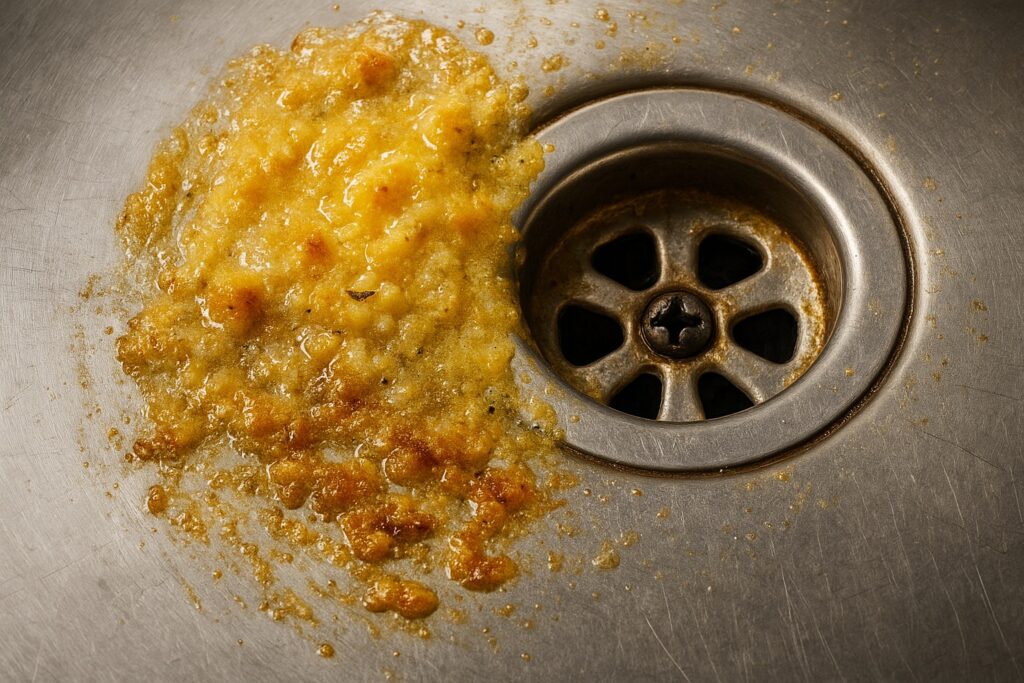
Kitchen sinks face constant assault from cooking byproducts that seem harmless when hot but solidify as they cool. Grease from meat, butter, cooking oils, and even small food particles combine to form thick, sticky masses inside your pipes. These accumulations catch other debris, creating blockages that worsen over time.
The problem intensifies in Sydney’s cooler months when fats solidify faster in underground pipes.
Prevention tips:
- Scrape plates thoroughly before washing
- Wipe greasy pans with paper towels before washing
- Pour cooking oils into containers for bin disposal
- Keep grease and solids out of the drain and arrange assessment for persistent blockage. Do not rely on boiling water or chemical mixtures to resolve an unknown obstruction.
Keep grease and solids out of the drain and arrange assessment for persistent blockage. Do not rely on boiling water or chemical mixtures to resolve an unknown obstruction.
2. Hair and Soap Scum Form Dense Bathroom Blockages
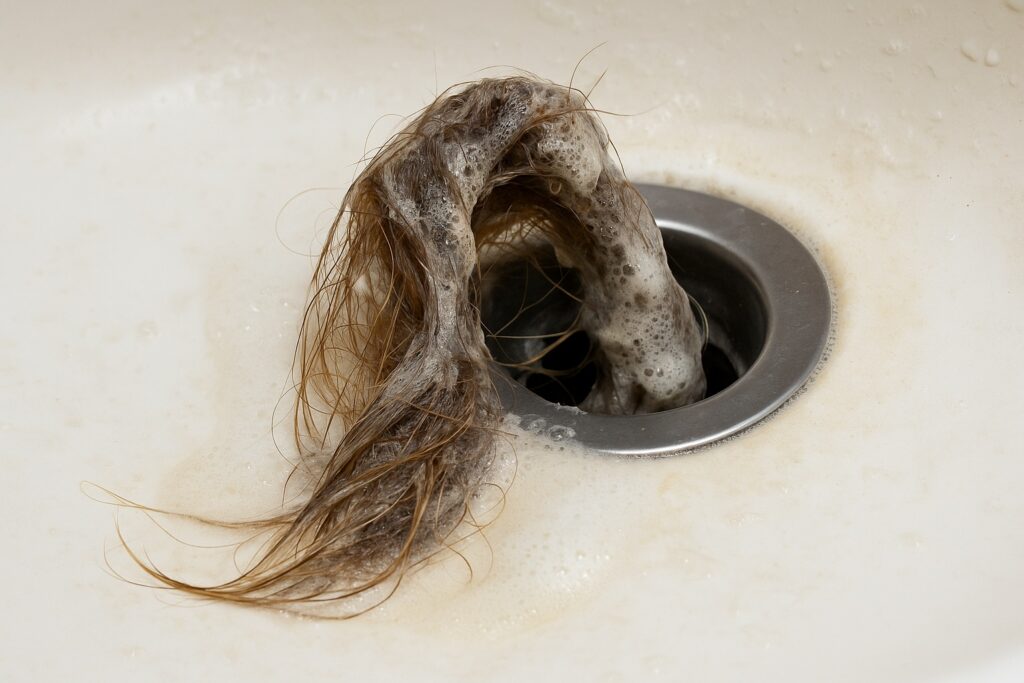
Bathroom drains, especially in showers and linear shower drains, collect hair that combines with soap residue to create dense, mat-like blockages. Long hair wraps around existing buildup, while soap scum provides the sticky base that holds everything together. Modern body washes and shampoos often contain oils that make this combination even more stubborn.
Strip drains in contemporary bathrooms can be particularly vulnerable due to their design.
Prevention tips:
- Install drain covers or hair catchers
- Remove visible hair after each shower
- Use liquid soap instead of bar soap when possible
- Rinse drains with hot water weekly
Quick fixes: Remove drain covers and manually extract hair buildup. Use a drain snake for deeper clogs, followed by hot water flush.
3. Wet Wipes and Sanitary Items Cause Immediate Blockages
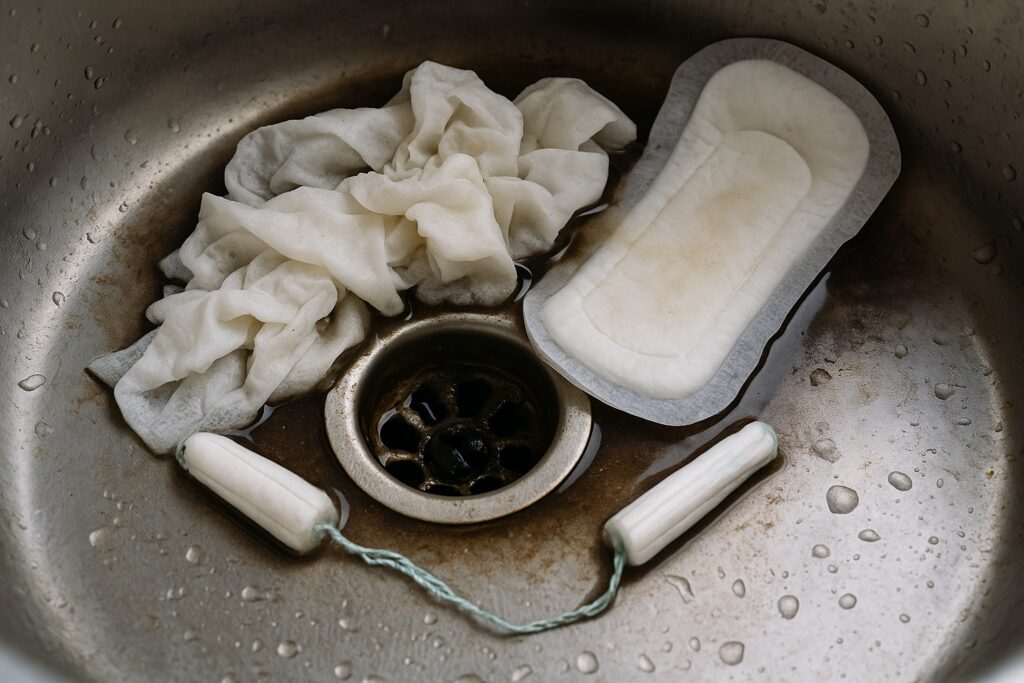
Despite “flushable” labels, wet wipes don’t break down like toilet paper and create instant blockages in home plumbing systems. Sanitary products, cotton buds, and dental floss compound the problem by catching on pipe joints and creating collection points for other debris. These items often cause sudden, complete blockages rather than gradual slow drainage.
Sydney Water regularly reports that wet wipes cause major sewer system problems across the metropolitan area.
Prevention tips:
- Bin all wet wipes, even those labeled flushable
- Provide bathroom bins for sanitary products
- Educate household members about what can be flushed
- Keep dental floss and cotton buds away from drains
Quick fixes: These blockages typically require professional removal. Plunging may push items deeper into the system, creating bigger problems.
4. Food Scraps and Coffee Grounds Accumulate Over Time
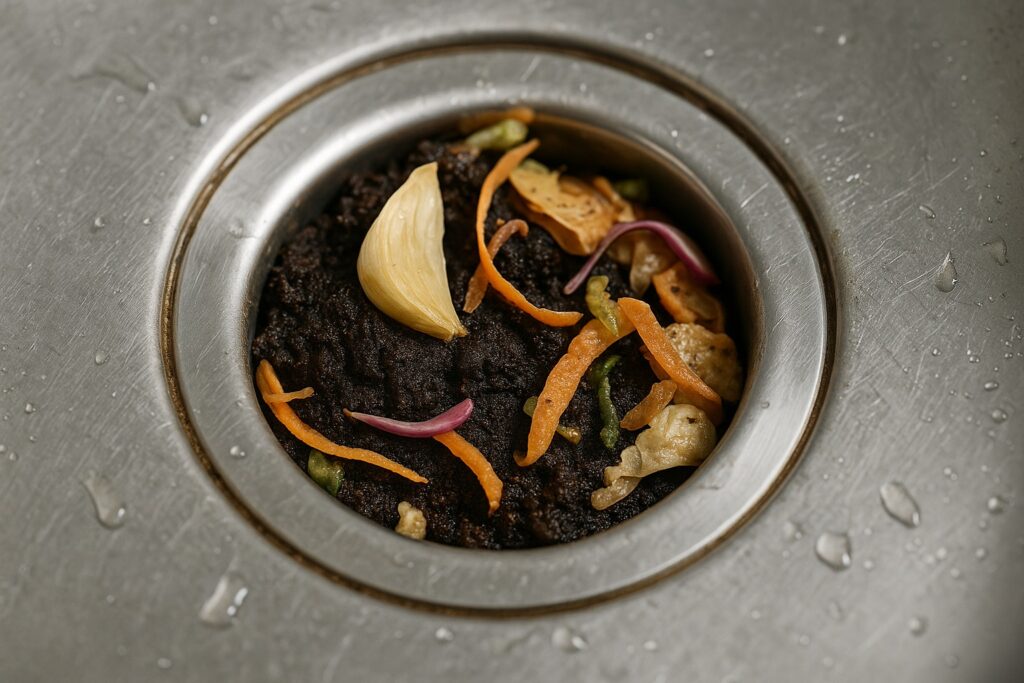
Even homes with garbage disposals face problems from food scraps that slip past the grinding mechanism. Coffee grounds, rice, pasta, and fibrous vegetables create particularly stubborn blockages because they expand when wet or don’t break down naturally. These organic materials also encourage bacterial growth, leading to unpleasant odours.
The combination of food scraps with grease creates some of the most difficult blockages to clear.
Prevention tips:
- Compost coffee grounds instead of washing them down drains
- Use sink strainers to catch food particles
- Scrape dishes thoroughly before washing
- Avoid putting fibrous vegetables down garbage disposals
Keep grease and solids out of the drain and arrange assessment for persistent blockage. Do not rely on boiling water or chemical mixtures to resolve an unknown obstruction.
5. Tree Roots Infiltrate and Damage Underground Pipes
Sydney’s abundant tree coverage creates ongoing challenges for underground drainage systems. Tree roots naturally seek water sources and can infiltrate even small cracks in pipes, growing into major blockages over time. Clay pipes, common in older Sydney homes, are particularly vulnerable to root intrusion.
Root problems often start small but can completely destroy pipe sections if left untreated.
Prevention tips:
- Plant trees away from main sewer lines
- Choose root-barrier plants near drainage areas
- Schedule regular CCTV drain inspections for older homes
- Address small leaks promptly to prevent root attraction
Professional solutions: Root problems require professional diagnosis and treatment. Hydro-jetting or pipe relining may be necessary depending on the extent of damage.
6. Foreign Objects Block Drains Suddenly
Children’s toys, jewelry, cotton buds, and other small objects create instant, complete blockages when they lodge in pipe bends or narrow sections. Unlike gradual buildup from organic matter, foreign objects typically cause immediate drainage problems that are obvious to homeowners. These blockages often occur in toilet traps or shower drain covers.
Retrieving foreign objects sometimes requires professional equipment to avoid pushing them deeper into the system.
Prevention tips:
- Keep small objects away from bathroom areas
- Install drain covers with appropriate mesh sizes
- Supervise young children during bath time
- Store jewelry safely away from sinks
Quick fixes: Visible objects near drain openings can sometimes be retrieved with tweezers or needle-nose pliers. Deeper objects require professional removal.
7. Damaged or Sagging Pipes Create Persistent Problems
Older homes often develop pipe problems from ground movement, age-related deterioration, or poor-quality original installation. Sagging pipes create low points where debris accumulates, while cracked or collapsed sections cause recurring blockages that resist conventional clearing methods. These structural problems require professional assessment to determine repair or replacement needs.
CCTV inspection reveals the exact location and extent of pipe damage without excavation.
Prevention tips:
- Schedule regular drain inspections for homes over 20 years old
- Address slow drainage problems promptly
- Monitor for signs of ground movement or settling
- Avoid heavy vehicle traffic over sewer lines
Professional solutions: Pipe relining technology can repair damaged sections without excavation. Severe damage may require pipe replacement using modern materials.
8. Poor Installation and Incorrect Fall Cause Ongoing Issues
Drainage systems require precise installation with correct pipe falls (gradients) to function properly. Insufficient fall prevents proper water flow, allowing debris to settle and create blockages. Conversely, excessive fall can cause water to flow too quickly, leaving solids behind. These installation problems create chronic drainage issues that worsen over time.
Strip drain installations in modern bathrooms require particular attention to fall and connection details.
Prevention tips:
- Use licensed plumbers for all drainage work
- Ensure renovations include proper drainage design
- Address slow drainage in new installations immediately
- Request compliance certificates for major plumbing work
Professional solutions: Correcting installation problems may require pipe replacement or rerouting to achieve proper gradients and connections.
9. Mineral Scale From Hard Water Reduces Pipe Capacity
Some Sydney areas have harder water that deposits minerals inside pipes over many years. These scale deposits gradually reduce pipe diameter and create rough surfaces that catch debris more readily. The problem is particularly common in older galvanized steel pipes and can affect both hot and cold water lines.
Scale buildup progresses slowly but can eventually cause significant flow restrictions.
Prevention tips:
- Consider water softening systems in hard water areas
- Flush hot water systems regularly
- Address scale buildup in fixtures promptly
- Replace old galvanized pipes during renovations
Professional solutions: Hydro-jetting can remove scale buildup from accessible pipes. Severe cases may require pipe replacement with modern materials.
Professional Blocked Drain Solutions in Sydney
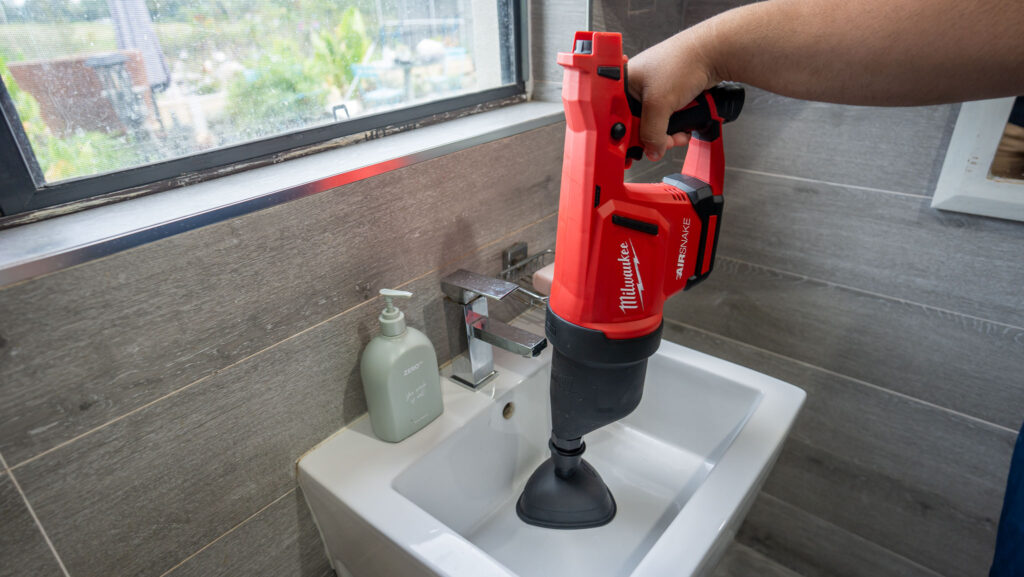
When DIY methods fail or blockages recur frequently, professional diagnosis identifies the root cause and provides lasting solutions. Our team at Antons Plumbing & Gas uses CCTV drain inspection technology to locate blockages precisely and assess pipe condition throughout Sydney’s metro area. This approach saves time and prevents unnecessary excavation work.
We provide same-day service across Sydney‘s Inner West, Eastern Suburbs, North Shore, and beyond with upfront pricing and no call-out fees.
Our licensed plumbers (Lic: 210933C) handle everything from simple drain clearing to complex pipe relining projects. Each job complies with Australian Standards and comes with our lifetime labour warranty for complete peace of mind.
Conclusion
Most blocked drain causes stem from everyday household activities that accumulate over time. Simple prevention habits and prompt attention to slow drainage prevent most emergency situations. Professional diagnosis and repair ensure lasting solutions when problems persist or recur frequently.
Antons Plumbing & Gas offers expert blocked drain solutions across Sydney Metro with 25+ years experience. Our licensed team provides same-day service and lifetime labour warranty. Learn more about preventing these common drain problems.
Related Articles
- Reliable Commercial Plumbing Solutions in Kellyville
- Small Job Plumber Near You: 10 Common Fixes Under $200
Frequently Asked Questions
What are common causes of blocked household drains?
Grease, hair, wipes, food solids, roots, foreign objects and pipe defects are possible causes; inspection may be needed to distinguish them.
Does slow drainage identify the blockage material?
No. Different obstructions and pipe conditions can produce similar symptoms, so avoid diagnosing from speed alone.
Why does cooking grease cause trouble in drains?
Fats can accumulate along pipework and hold other waste. Collect them separately instead of washing them into the sink.
Will hot water permanently remove a grease blockage?
Do not rely on it. Moving grease farther along the system does not establish that the underlying accumulation is resolved.
How do hair and soap residue affect bathroom drains?
They can collect around accessible strainers and within waste lines, gradually restricting flow and trapping other debris.
Can wipes block a toilet or sewer?
Yes. Keep wipes and sanitary products out of toilets; use appropriate waste disposal rather than relying on marketing descriptions.
Should coffee grounds go down the kitchen sink?
No. Dispose of grounds and other food solids separately to reduce material entering the waste pipe.
How do roots get into a drain?
They may enter through defects or joints. Clearing roots does not necessarily repair the opening or prevent recurrence.
Can a small toy cause a toilet blockage?
Yes. Stop repeated flushing and explain the suspected object to the plumber rather than pushing it farther into the line.
What does a sagging pipe do to drainage?
It can retain water and solids, contributing to recurrence. Assessment is needed to determine the extent and suitable correction.
Can poor pipe fall contribute to blockages?
Yes, unsuitable alignment or installation can affect drainage, but it should be established from the site’s condition and evidence.
Are mineral deposits the main cause in every Sydney home?
No. Deposit formation varies with water and pipe conditions; do not assume it explains an uninspected blockage.
Why do several fixtures back up together?
A shared branch or downstream restriction may be involved. Describe the pattern and avoid adding water to affected plumbing.
Why does a drain block again after clearing?
The obstruction may recur or a structural problem may remain. Ask whether further inspection is warranted.
When can CCTV be useful?
It may help locate and explain recurring problems where pipe access and visibility allow a useful inspection.
Does drain clearing also repair cracks?
No. Restoring flow and repairing a confirmed pipe defect are separate tasks with different scopes.
Should I mix drain-cleaning products?
No. Do not mix products or add chemicals to an unknown blockage; tell the plumber what has already been used.
What if wastewater begins overflowing indoors?
Stop using affected fixtures, keep people away from contaminated water and arrange prompt professional help.
What daily habits help reduce avoidable blockages?
Keep fats, wipes and solids out, clean accessible strainers and report recurring symptoms instead of repeatedly masking them.
How do I book help for a blocked drain?
Contact our blocked drain service team with the affected fixtures, symptom history and any overflow or previous treatments.