Emergency Plumber Shalvey for Drains, Pipes and Hot Water
Shalvey’s residential properties can have long private service routes between the street, house and rear yard. Fixture sequence and outside overflow behaviour help narrow the affected section before equipment is selected. For Shalvey callers dealing with sewer blockages, burst water lines and hot water failures, Anton’s Plumbing & Gas matches 24/7 triage to detached homes, duplexes, rentals and community premises and plans the route through front boundaries, fenced side routes, yards and inspection openings.

First Response Steps for a Shalvey Plumbing Fault
During a Shalvey incident involving sewer blockages, burst water lines and hot water failures, protect people, reduce contributing water and identify front boundaries, fenced side routes, yards and inspection openings. Repeatedly testing the failing service can enlarge damage across detached homes, duplexes, rentals and community premises. At a Shalvey property, a suspected gas leak is a life-safety issue; follow the NSW Government gas-safety steps and call 000 from outside for immediate danger.
- Turn off taps and appliances before checking the customer meter.
- Photograph the reading and movement without forcing the valve.
- Use the customer shut-off only when it is safe and identifiable.
- Keep water away from switchboards, outlets and appliances.
- Report whether the movement stops after isolation.
- End all connected household water use immediately.
- Close the affected room and keep people away from contaminated surfaces.
- Do not flush again to test the restriction.
- Leave an outside overflow point open to do its intended job.
- Arrange safe access to the nearest known inspection point.
- Contact the person who can provide access through front boundaries, fenced side routes, yards and inspection openings.
- Confirm the lot, unit, tenancy or property address before shutdown.
- Explain which neighbouring properties show reported clues.
- Keep parking and equipment routes clear.
- Send access instructions before the plumber is dispatched.
A useful Shalvey handover names the detached homes, duplexes, rentals and community premises setting, the first plumbing point that changed and the practical route to front boundaries, fenced side routes, yards and inspection openings.
Is Your Shalvey Plumbing Fault an Emergency?
In Shalvey, problems involving sewer blockages, burst water lines and hot water failures become time-critical when it threatens sanitation, electricity, another occupancy or the only essential amenity across detached homes, duplexes, rentals and community premises. Clock time alone is not the test.
- Water escaping that you can't stop
- Any smell of gas
- Sewage backing up inside the house
- No water at all to the property
- Water near electrics, downlights or the switchboard
- A hot water system leaking heavily or venting steam
- The only toilet in the house blocked
- A leak affecting a neighbour or common property
- A business that can't safely trade until it's fixed
- A dripping tap
- One slow drain, everything else normal
- A running toilet cistern
- Hot water that's cooler than usual but still working
- Low pressure at a single fixture
- A hot water system leaking heavily or venting steam
- A toilet you can stop by turning off its isolation tap
- A leak you've successfully isolated and contained
- Noisy pipes or water hammer
A new Shalvey clue—another changed fitting, meter movement or moisture in a different area—can redirect testing and the equipment needed for front boundaries, fenced side routes, yards and inspection openings.
Emergency Plumbing Across Shalvey Detached Homes, Duplexes, Rentals And Community Premises
Shalvey’s residential properties can have long private service routes between the street, house and rear yard. Fixture sequence and outside overflow behaviour help narrow the affected section before equipment is selected. Our emergency plumbing and gas service uses the reported pattern of sewer blockages, burst water lines and hot water failures and access through front boundaries, fenced side routes, yards and inspection openings to prepare the visit; the actual pipe, appliance or drain condition is still confirmed on site. For a Shalvey public-side water, pressure or wastewater concern, Sydney Water’s fault-reporting guidance helps distinguish network issues from private pipework. Nearby coverage includes Lethbridge Park and Tregear.

Emergency Plumbing Problems We Trace in Shalvey
A Shalvey response to sewer blockages, burst water lines and hot water failures starts by mapping the active plumbing points through detached homes, duplexes, rentals and community premises, then containing the narrowest effective service zone.
01
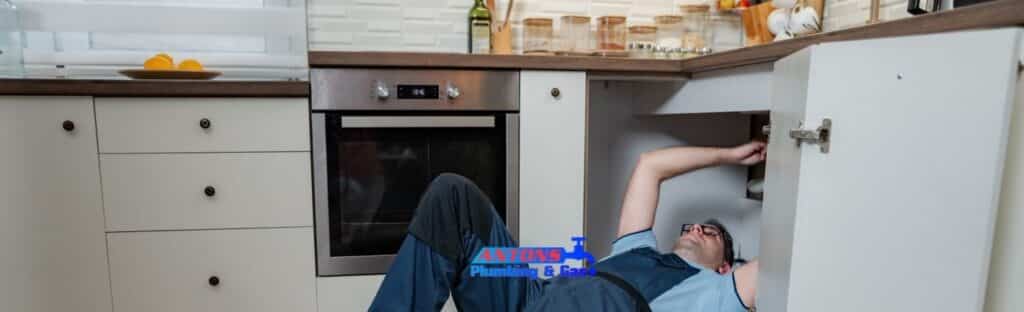
Gas Odours and Appliance Faults
Evacuation from the Shalvey risk area comes before licensed gas testing and repair; an isolated supply serving detached homes, duplexes, rentals and community premises is never casually restored.

02
Recurring Drain Restrictions
When Shalvey drain behaviour returns, a purposeful drain camera inspection near front boundaries, fenced side routes, yards and inspection openings can help locate roots, movement or damaged pipework.
![Blocked Drain & Toilet Services in [sububrb]](https://antonsplumbingandgas.com.au/wp-content/uploads/2026/02/When-to-Call-a-Professional-Plumber-1024x583.jpg)
03
Blocked Drains and Sewage Backups
We map Shalvey plumbing points across detached homes, duplexes, rentals and community premises before using blocked-drain equipment. Flow restoration near front boundaries, fenced side routes, yards and inspection openings and structural pipe repair remain separate decisions.
04
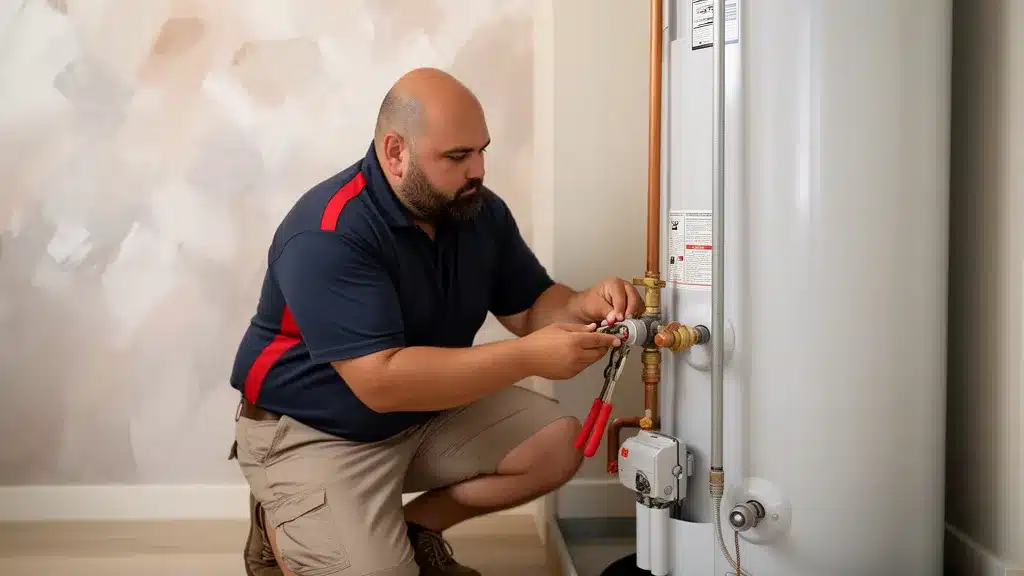
Burst and Escaping Water
The Shalvey supply is contained before a burst-pipe repair is planned around the actual failure within detached homes, duplexes, rentals and community premises and the available route through front boundaries, fenced side routes, yards and inspection openings.

05
Hidden Wall and Ceiling Leaks
Shalvey meter, moisture and service-path evidence guides targeted leak detection through detached homes, duplexes, rentals and community premises before finished areas are opened.
06
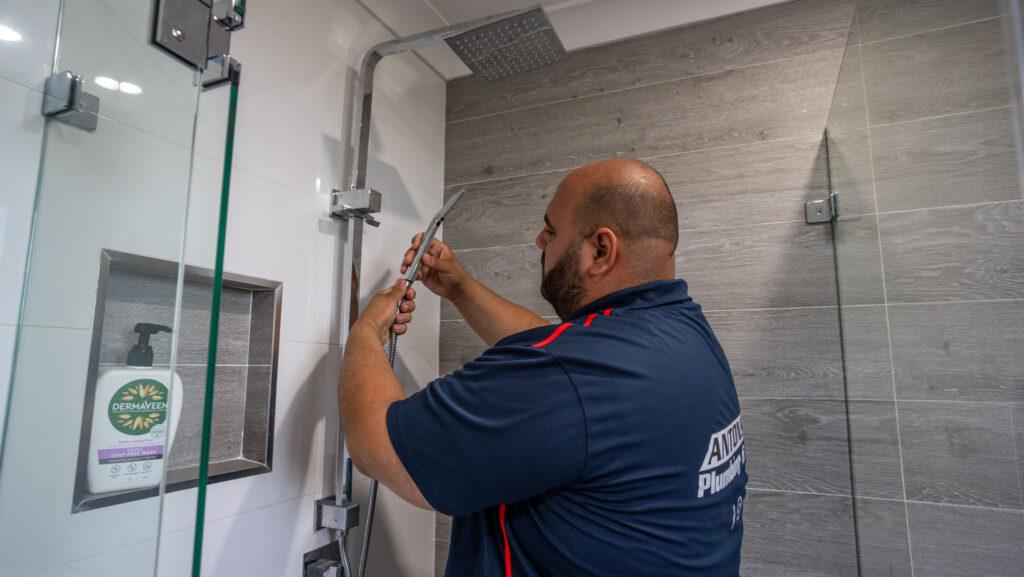
Hot Water Emergencies
Leaking tanks, unsafe discharge and loss of essential hot water across Shalvey detached homes, duplexes, rentals and community premises are assessed through our hot water service.
Shalvey Water, Drain and Building Isolation Guide
Across Shalvey detached homes, duplexes, rentals and community premises, the useful control might belong to one fitting, a lot, a boundary service or a managed bank. Its label and effect must match before operation. For Shalvey, Sydney Water’s wastewater blockage guidance explains common indicators of a public-network fault, while its leak-detection advice outlines customer and utility responsibilities.
- Find the customer-side valve without opening utility equipment.
- Check for visible movement only after internal use stops.
- Close the valve clockwise if it moves safely.
- Report water that continues despite isolation.
- Use a local tap, cistern, laundry or appliance valve when it fully controls the leak.
- Place the appliance out of service.
- Do not disconnect pressurised or hot hoses.
- Label the control used for the plumber.
- Confirm keys and access for front boundaries, fenced side routes, yards and inspection openings.
- Identify any common service before shutdown.
- Avoid interrupting unaffected lots unnecessarily.
- Keep loading, lift or side access available.
A Shalvey readiness check should record front boundaries, fenced side routes, yards and inspection openings, the customer-side controls and the person authorised to reach any managed service after hours.
The Shalvey Emergency Plumbing Process
For sewer blockages, burst water lines and hot water failures in Shalvey, safety questions and access through front boundaries, fenced side routes, yards and inspection openings are resolved before diagnostics expand beyond the most likely route through detached homes, duplexes, rentals and community premises.
Immediate water, sewage, gas and electrical precautions come first.
Owner, tenant, strata or site access is clarified for Shalvey.
Plumbing Points, floors and outside points narrow the probable service route.
Drain, pressure, moisture or gas testing is selected for the failure.
Urgent containment and longer work are explained as different scopes.
Flow, pressure or appliance operation is checked where safe and relevant.
Shalvey Emergency Plumbing Cost Factors
A Shalvey quote reflects the route through front boundaries, fenced side routes, yards and inspection openings, the evidence needed for sewer blockages, burst water lines and hot water failures, available parts and whether detached homes, duplexes, rentals and community premises permit an immediate lasting repair.
A make-safe may be separated from a permanent repair when specific parts are required.
Drain-camera, pressure, moisture or gas tests are selected only when useful.
detached homes, duplexes, rentals and community premises use different meters, valves and drain routes.
Several reported clues expand technical finding beyond one local fitting.
front boundaries, fenced side routes, yards and inspection openings can change preparation and safe trade time.
Finished areas and common services require targeted evidence and authority.
Contributing water or appliance use for sewer blockages, burst water lines and hot water failures is reduced across detached homes, duplexes, rentals and community premises.
Levels, outside points and changed fittings reveal the likely route toward front boundaries, fenced side routes, yards and inspection openings.
The water meter, drain, equipment or managed Shalvey service area can be reached without avoidable delay.
You approve a scope grounded in evidence from detached homes, duplexes, rentals and community premises, not a generic assumption.
Restoration and the Shalvey warning signs worth monitoring are explained to the responsible contact.
For Shalvey, we ask how problems involving sewer blockages, burst water lines and hot water failures present across detached homes, duplexes, rentals and community premises, who controls the affected service and how equipment can reach front boundaries, fenced side routes, yards and inspection openings. Those details prepare the visit; inspection still determines the actual failure and justified repair. Shalvey customers can independently check a NSW tradesperson licence. Properties exposed to severe weather can also use the NSW Government’s flood-preparation guidance; floodwater and a private plumbing blockage require different emergency responses.
- Locate your water meter isolation tap and check it actually turns.
- Replace braided flexi hoses on a sensible cycle rather than waiting for one to burst.
- Have mains pressure checked — high pressure wears every joint and seal in the house.
- Act on small leaks, weeping joints and damp patches early.
- Have an ageing hot water system assessed before it fails, not after.
- Get recurring blockages diagnosed with a camera rather than cleared over and over.
- Clear gutters, downpipes and stormwater pits before storm season.
- In a rental, make sure whoever lives there knows how to isolate the water.
- Turn the water off at the meter if the property will be empty for a long stretch.
Emergency Plumbing for Shalvey Occupants and Property Operators
Water, sewage, gas and electrical risks around sewer blockages, burst water lines and hot water failures are prioritised before repair.
Relevant work within detached homes, duplexes, rentals and community premises is handled by appropriately licensed tradespeople.
Testing follows the probable route through front boundaries, fenced side routes, yards and inspection openings before finished areas are opened.
For Shalvey drains, restoring flow and repairing a structural defect remain separate decisions.
The Shalvey scope, diagnostic basis and cost are explained before repair proceeds.
The live queue, Shalvey address and front boundaries, fenced side routes, yards and inspection openings are checked before an arrival window is offered.
People responsible for detached homes, duplexes, rentals and community premises receive a clear account of findings and work completed.
Shalvey emergency calls are triaged at any hour within the operating service area.
Questions reflect detached homes, duplexes, rentals and community premises, not a generic house-call script.
Shalvey Plumbing Questions, Answered
Straight answers on pricing, response times and what to expect.
What if the Shalvey water meter keeps moving with every tap off?
What if the Shalvey water meter keeps moving with every tap off?
Turn off appliances and irrigation serving detached homes, duplexes, rentals and community premises, note the water meter behaviour and arrange leak checks through front boundaries, fenced side routes, yards and inspection openings. Isolate the customer supply if water is actively damaging the site.
Can you repair a leaking hot water unit in Shalvey?
Can you repair a leaking hot water unit in Shalvey?
Yes. Stay away from hot discharge and send the Shalvey system label, energy source and leak position. Heavy flow, steam or loss of the only system raises priority.
What should I do if I smell gas at a Shalvey property?
What should I do if I smell gas at a Shalvey property?
Move everyone outside the Shalvey premises, avoid switches and flames, and call 000 for a strong smell, illness, fire or immediate danger. Share access details for front boundaries, fenced side routes, yards and inspection openings only from a safe location.
Will you open a tiled wall immediately in Shalvey?
Will you open a tiled wall immediately in Shalvey?
Not without evidence. Controls, meter behaviour, moisture and the likely route through detached homes, duplexes, rentals and community premises are checked before invasive Shalvey access is proposed. For a Shalvey fault limited to the pan or cistern, see our toilet repair service and toilet flushing guide.
How quickly can an emergency plumber reach Shalvey?
How quickly can an emergency plumber reach Shalvey?
We give a realistic window after checking the active queue, exact Shalvey address, front boundaries, fenced side routes, yards and inspection openings and equipment appropriate for sewer blockages, burst water lines and hot water failures. Our Shalvey guide context explains how plumbers trace hidden leaks without unnecessary opening.
Can you provide notes for a Shalvey landlord, strata manager or insurer?
Can you provide notes for a Shalvey landlord, strata manager or insurer?
We can document observations across detached homes, duplexes, rentals and community premises and the work completed. Coverage, liability and ownership remain decisions for the appropriate Shalvey stakeholders.
What determines the cost of a Shalvey emergency callout?
What determines the cost of a Shalvey emergency callout?
Access through front boundaries, fenced side routes, yards and inspection openings, the number of involved plumbing points, diagnostic work, parts and whether containment or a permanent repair is possible all influence scope.
Will you quote before repairing my Shalvey plumbing fault?
Will you quote before repairing my Shalvey plumbing fault?
We explain the diagnostic evidence, access requirements around front boundaries, fenced side routes, yards and inspection openings and suitable repairs for sewer blockages, burst water lines and hot water failures before approved work proceeds. Immediate safety actions can come first. A dripping Shalvey fixture can be assessed through our leaking tap repair service.
How can I reduce another Shalvey plumbing emergency?
How can I reduce another Shalvey plumbing emergency?
Keep front boundaries, fenced side routes, yards and inspection openings accessible, know the customer shut-off, act on recurring drain reported clues and maintain hot water and gas equipment. At a Shalvey property, avoid improvising with tools; review our drain plunger guide and leave shared-line clearing to suitable equipment.
Why does local Shalvey property context matter?
Why does local Shalvey property context matter?
Shalvey's residential properties can have long private service routes between the street, house and rear yard. Fixture sequence and outside overflow behaviour help narrow the affected section before equipment is selected. It changes the questions and access plan, while inspection still determines the actual fault. For established Shalvey yards, see our guide to trees that commonly affect sewer lines.
How can you tell whether my Shalvey problem is local or shared?
How can you tell whether my Shalvey problem is local or shared?
We compare changed plumbing points across detached homes, duplexes, rentals and community premises, ask about neighbours and trace accessible parts of front boundaries, fenced side routes, yards and inspection openings. That Shalvey pattern guides entry without pretending to decide legal ownership.
Can you attend both detached homes and duplexes in Shalvey?
Can you attend both detached homes and duplexes in Shalvey?
Yes. Report the site format, lot or floor, meter location and who can provide access through front boundaries, fenced side routes, yards and inspection openings.
What should I do when several Shalvey drains gurgle together?
What should I do when several Shalvey drains gurgle together?
End toilets, showers, sinks and connected appliances across the involved part of detached homes, duplexes, rentals and community premises. That sequence can place the restriction beyond one local trap near front boundaries, fenced side routes, yards and inspection openings.
Is one overflowing toilet in Shalvey an emergency?
Is one overflowing toilet in Shalvey an emergency?
It becomes time-critical when it is the only toilet, sewage escapes or another fitting in the Shalvey site changes. End flushing and restrict the room.
Can a Shalvey ceiling leak come from another room or lot?
Can a Shalvey ceiling leak come from another room or lot?
Yes. Within detached homes, duplexes, rentals and community premises, water can follow framing and services away from its source. Pause plumbing above, warn occupants and avoid wet electrical zones while access to front boundaries, fenced side routes, yards and inspection openings is arranged.
Should I turn off the whole Shalvey property supply?
Should I turn off the whole Shalvey property supply?
Use the smallest identified control that fully contains sewer blockages, burst water lines and hot water failures. Move to the Shalvey customer meter only when local isolation fails and its route is safe.
What access details help before you travel to Shalvey?
What access details help before you travel to Shalvey?
Provide parking, gates, unit or tenancy, floor, meter, drain opening and access instructions for front boundaries, fenced side routes, yards and inspection openings. For broader Shalvey cost context, read our guide to common plumber pricing factors.
Can a contained appliance hose leak in Shalvey wait?
Can a contained appliance hose leak in Shalvey wait?
It may be scheduled when a local control completely stops the Shalvey leak and no moisture is moving toward electricity or another part of detached homes, duplexes, rentals and community premises. Continue monitoring it.
Do you use a drain camera on every Shalvey blockage?
Do you use a drain camera on every Shalvey blockage?
No. Restoring flow may come first for sewer blockages, burst water lines and hot water failures. Camera evidence becomes useful when the route near front boundaries, fenced side routes, yards and inspection openings, pipe condition or a repeat defect remains uncertain. For recurring Shalvey toilet-paper restrictions, see the toilet-paper blockage guide; for drain chemicals, review why chemical cleaners may be unsuitable.
Can tree roots cause recurring blocked drains in Shalvey?
Can tree roots cause recurring blocked drains in Shalvey?
Roots can enter underground lines around established Shalvey sites. Clearing restores flow; inspection distinguishes recurring entry from other faults before structural repair is priced.
CALL WITH THE PROPERTY DETAILS
Call an Emergency Plumber in Shalvey
Plumbing emergency in Shalvey?
Don’t wait on a form, call now for 24/7 priority response.
- Fully Stocked Vehicles
- Your local Shalvey experts
- Same day service where available
- Upfront fixed pricing
- Licensed & insured. Lic: 210933C