
A toilet clogged with toilet paper can often be cleared when the blockage is shallow and no foreign object is involved. Stop flushing immediately, wait for the paper to soften, and then try warm water, dishwashing liquid or a flange plunger without allowing the bowl to overflow.
Do not use boiling water or continue flushing a rising bowl. This guide explains five practical methods, what to avoid and when a recurring or serious blockage should be inspected by the licensed plumbers at Anton’s Plumbing & Gas.
Key Takeaways
- Excess toilet paper is the leading cause of household toilet clogs, even when using biodegradable varieties.
- Hot water, dish soap, baking soda, and vinegar offer effective DIY solutions for minor blockages.
- A plunger remains the most reliable first-response tool for clearing toilet paper clogs.
- Recurring clogs may indicate low flush pressure, partial blockages, or aging pipes that need professional assessment.
- Antons Plumbing & Gas provides same-day emergency service across Sydney with CCTV inspections and fixed-rate pricing.
Quick answer: Stop flushing and allow the toilet paper time to soften. If the water level has dropped, try dishwashing liquid with warm—not boiling—water, followed by a flange plunger. Call Anton’s Plumbing & Gas if the toilet remains blocked, repeatedly clogs or affects other drains.
Why Too Much Toilet Paper Can Block a Toilet
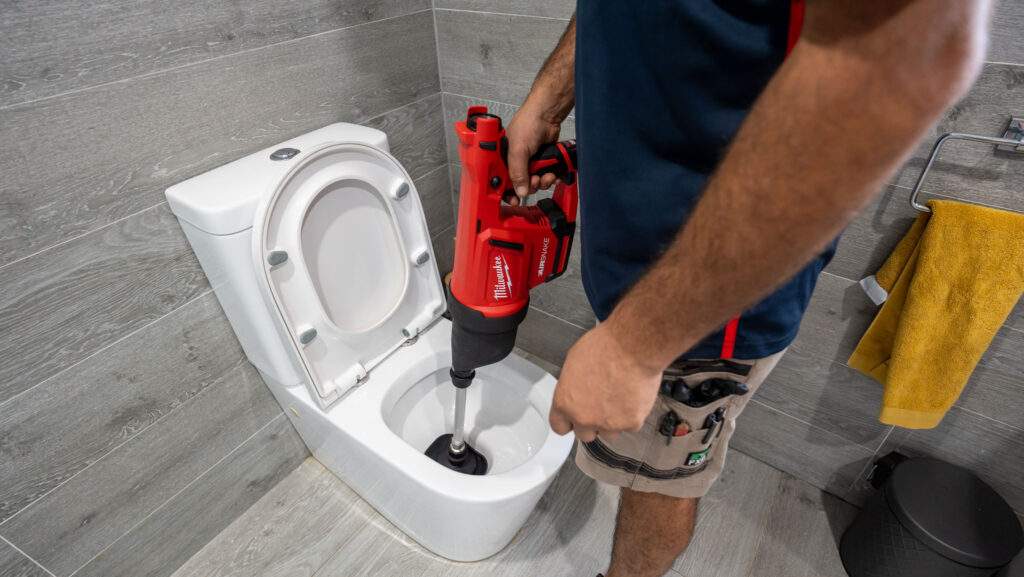
Toilet paper is manufactured to break down in water, but the process takes time. When you flush a large amount in one go, the paper doesn’t have enough time to dissolve before it reaches the trap—the curved section of pipe beneath your toilet bowl. This trap is designed to hold water and prevent sewer gases from entering your home, but it also creates a narrow passage where excess paper can bunch up and form a blockage.
Even high-quality, biodegradable toilet paper can clog your system if used in excessive quantities. The issue becomes worse in older toilets with lower flush pressure, as they lack the force needed to push material through the trap and into your drain line.
Some Sydney homes, particularly in the Inner West and older suburbs, still have clay or cast-iron pipes. These materials can develop rough interior surfaces over time, creating catch points where toilet paper snags and accumulates. If your toilet clogs frequently, the root cause may extend beyond the bowl itself.
Fix 1: Use Warm Water to Soften the Toilet Paper
Hot water helps soften and break apart a fresh toilet paper clog, especially when it’s sitting near the trap rather than deep in the drain line. This method is best for minor blockages where the bowl still drains slowly instead of completely backing up. Use hot (not rolling-boil) water to reduce the risk of cracking porcelain.
Boil a kettle, let it cool for around 30 seconds, then pour the water into the bowl from about waist height to add gentle force. Wait 10–15 minutes to let the heat work through the paper, then try flushing once. If the water level drops but doesn’t fully clear, repeat once more or move to another method—avoid repeated flushes if the bowl is close to overflowing.
Fix 2: Add Dish Soap and Warm Water
Dish soap works like a lubricant, coating the toilet paper and reducing friction so the clog can slide through the trap more easily. This technique is ideal when the clog hasn’t compacted and the water level is high but not at the rim. It’s also gentle on plumbing and safe to repeat.
Pour about half a cup of liquid dish soap into the bowl, aiming toward the drain opening, then let it sit for 10–15 minutes. After that, add a bucket of warm (not boiling) water from waist height to create pressure and movement. If the clog partially clears, wait another 10 minutes and repeat the warm-water pour once more before trying a single test flush.
Fix 3: Try Baking Soda and Vinegar for a Soft Clog
Baking soda and vinegar create a fizzing reaction that can help agitate and loosen a partial toilet paper blockage. This works best when the toilet drains slowly but doesn’t fully clear, because the mixture needs some flow to work through the clog. It’s a safe option for most plumbing systems, including septic setups.
Pour one cup of baking soda into the bowl, then slowly add two cups of white vinegar to control the foam. Let it sit for 20–30 minutes without flushing so the reaction can break up compacted paper. Follow with hot water to help push loosened material through, then flush once to test and flush again only if the first flush clears cleanly.
Fix 4: Use a Flange Plunger the Right Way
A plunger is often the fastest way to clear a toilet clog, but it only works well with the right type and technique. A flange plunger (with the rubber extension) seals properly in a toilet drain, unlike a flat sink plunger. Getting a tight seal is the difference between real suction and splashing water around.
Position the flange fully into the drain opening, then push down slowly to expel air and pull up sharply to create suction—pulling is what shifts the blockage. Repeat the push-pull cycle 10–15 times while keeping the seal tight, then pause and see if the water level drops. Once the bowl drains, do one test flush; if it doesn’t clear after several rounds, stop before overflow and switch methods or call a plumber.
Fix 5: Call a Plumber When the Clog Will Not Clear
If DIY methods aren’t working, the clog may be deeper in the drain line or caused by something more than toilet paper. Repeated plunging and flushing can push the blockage further into the pipes, damage seals, or cause an overflow that becomes a bigger clean-up problem. It’s also a red flag if clogs keep returning, even after they “seem” to clear.
Antons Plumbing & Gas can locate the exact cause with CCTV drain cameras and clear the blockage using professional equipment that reaches beyond the toilet trap. This is especially important in Sydney homes where issues like tree root intrusion, aging pipes, or partial main-line blockages can mimic a simple toilet paper clog. With same-day service across Sydney areas like the Inner West and Northern Beaches, we can fix the immediate problem and recommend long-term solutions to prevent it happening again.
How to Prevent Toilet-Paper Clogs From Returning
Prevention starts with mindful flushing habits. Use only the amount of toilet paper you need, and if you require more, flush partway through rather than waiting until the end. This simple step reduces the volume of paper entering your drain at once and gives it more time to break down.
Consider switching to a thinner, faster-dissolving toilet paper if you have an older toilet with lower flush pressure. Some brands are specifically labeled as septic-safe or quick-dissolving, making them ideal for homes with sensitive plumbing systems. You can test your current toilet paper by placing a few sheets in a jar of water and shaking it—if the paper breaks apart quickly, it’s a good choice for your system.
Regular maintenance also helps prevent clogs. Have your drains inspected every few years, especially if you live in an older Sydney home with clay or cast-iron pipes. Our CCTV drain inspections can identify early warning signs like partial blockages, root intrusion, or pipe deterioration before they cause a full clog. We also offer pipe relining services that restore aging pipes without the need for excavation.
Signs the Blockage Is Deeper Than the Toilet Trap
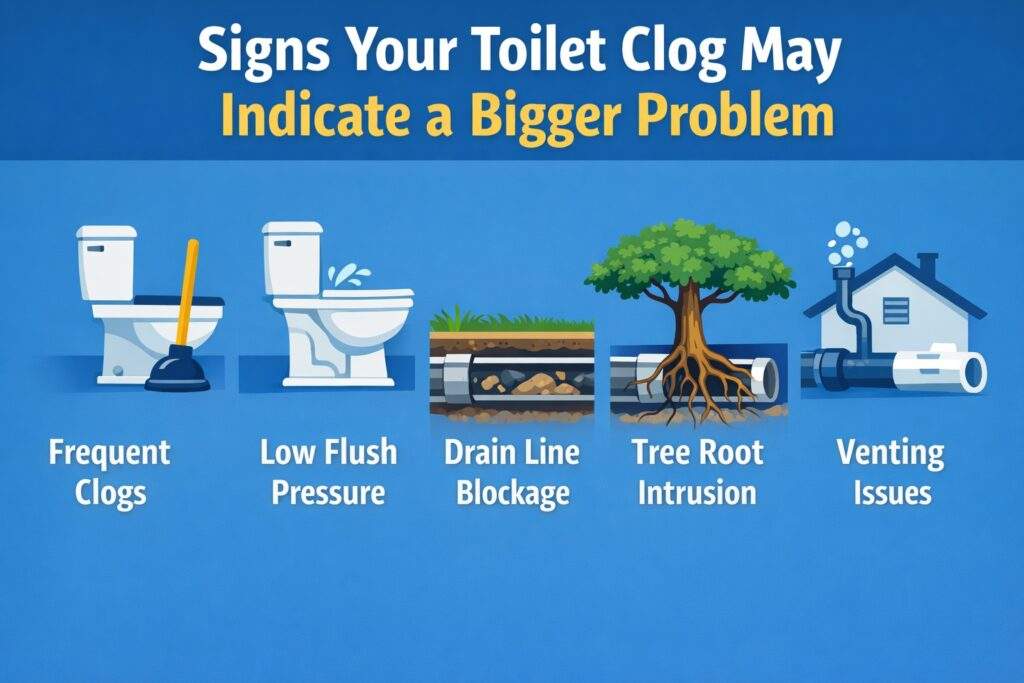
A one-off clog from extra toilet paper is usually harmless, but recurring clogs often point to an underlying drainage or toilet performance issue. If your toilet is clogging weekly or even monthly, it’s a sign the blockage may be forming deeper in the system. Addressing the cause early helps prevent overflows, pipe damage, and more expensive repairs later.
- Frequent or recurring clogs: Regular blockages usually indicate a restriction in the drain line rather than a simple surface-level issue.
- Low flush pressure in older toilets: Older models may not generate enough force to move waste through the trap and into the drain line, leading to gradual buildup over time.
- Partial blockage in the main drain line: Accumulated debris or pipe issues can narrow the line and trigger repeat clogs, especially when multiple fixtures are used.
- Tree root intrusion (common in leafy Sydney suburbs): Roots can enter clay pipes through small cracks or joints, catch waste, and create persistent blockages.
- Slow flushing or gurgling from blocked vent pipes: Venting allows airflow to keep drainage moving; debris or nests in vents can cause slow drainage and frequent clogs.
- CCTV inspection as the next step: A camera inspection confirms whether the problem is roots, a damaged pipe, or a developing blockage so the right fix can be applied.
- Targeted solutions based on findings: Depending on the cause, the best option may be root cutting, pipe relining, or full pipe replacement.
If your toilet problems are becoming a pattern, it’s better to treat them as a warning sign rather than a minor inconvenience. The right diagnosis prevents repeat clogs and protects the health of your entire plumbing system. A professional inspection can quickly pinpoint the source and restore reliable flushing and drainage.
Why Choose Antons Plumbing & Gas for Blocked Toilet Repairs

When your toilet clogged with toilet paper won’t respond to DIY fixes, you need a plumber who can diagnose the real cause and fix it properly the first time. Antons Plumbing & Gas brings 25+ years of experience to blocked toilet repairs across Sydney, handling everything from minor clogs to deeper drain line issues. We focus on fast response, clean workmanship, and long-lasting results so the problem doesn’t keep coming back.
Our process starts with a thorough inspection using CCTV drain cameras to pinpoint the exact location and cause of the blockage, eliminating guesswork. We then clear the clog using professional-grade equipment such as high-pressure hydro-jetting for stubborn blockages and mechanical augers for precise removal, while explaining any underlying issues like tree roots, collapsed pipes, or low flush pressure. We service the entire Sydney Metro with 24/7 emergency support, same-day response, and no call-out fee—call 0493 824 176 or book online to get your plumbing back on track.
Conclusion
A soft toilet-paper clog may clear with careful plunging or warm water, but repeated flushing can quickly cause an overflow. If the toilet remains slow, the blockage returns or nearby drains begin to gurgle, the obstruction may be deeper than the toilet trap.
Contact our licensed plumbing team serving Dural for professional toilet and drain clearing. Antons Plumbing & Gas provides fixed-rate pricing, same-day service and 24/7 emergency plumbing throughout Sydney. Our $0 call-out fee applies from 7:00 am to 3:00 pm on weekdays, excluding public holidays.
Get an Estimate for Your Blocked Toilet Repair
When a toilet-paper clog does not clear with a plunger, warm water or a toilet auger, the blockage may require professional removal or further drain inspection. Our free plumbing quote estimator lets you describe symptoms such as overflowing, slow drainage, repeated blockages or gurgling fixtures, helping you get a clearer idea of the plumbing service that may be required before arranging a visit.
Related Articles
- What Are the Warning Signs of a Clogged Toilet? Act Fast!
- 5 Simple Ways to Unclog Toilet Without a Plunger
- Can a Gurgling Toilet Fix Itself, or Are You Ignoring a Bigger Plumbing Disaster?
FAQs
Can toilet paper really clog a toilet?
Yes. Toilet paper is designed to break down in water, but a large amount can form a dense mass inside the toilet trap. The risk is higher when the toilet has a weak flush or the drain is already partially restricted.
What should I do first when the toilet is clogged with toilet paper?
Stop flushing and allow the water level to fall. Repeated flushing can cause the bowl to overflow. Once the level is safe, use a flange plunger to create a firm seal over the drain opening.
Will a toilet-paper clog dissolve on its own?
A small, soft clog may gradually break down after sitting in water. However, waiting may not help when too much paper is tightly packed or when wipes, foreign objects or an existing drain restriction are involved.
How long should I wait before trying to unclog the toilet?
Wait until the water level has dropped enough to use a plunger safely. This may take several minutes. Do not add more water while the bowl remains close to the rim.
Can warm water dissolve toilet paper?
Warm water can help soften a toilet-paper blockage. Do not use boiling water because sudden heat may damage the porcelain or seals. Pour warm water slowly and stop if the bowl begins to rise.
Does dish soap help clear a toilet-paper clog?
Dish soap may lubricate the toilet trap and help softened paper move through the drain. Use a small amount and allow it to sit before adding warm water. It will not remove toys, wipes or solid objects.
Is baking soda and vinegar effective for a clogged toilet?
It may help loosen a mild, organic blockage, but it is less reliable than a flange plunger or toilet auger. Add the ingredients cautiously because the reaction can foam and raise the bowl’s water level.
What type of plunger works best for a toilet?
A flange plunger is designed for toilets. Its extended rubber section fits into the drain opening and creates a stronger seal than a flat sink plunger.
How should I plunge a toilet clogged with paper?
Place the flange over the drain opening, ensure there is enough water to cover the rubber and begin with gentle pushes to remove trapped air. Then use steady push-and-pull movements while maintaining the seal.
How many times should I plunge the toilet?
Try several controlled plunges, then check whether the water begins to drain. Avoid excessive force. Stop if the bowl rises, the plunger cannot form a seal or there is no improvement after repeated attempts.
Can I use a toilet auger for a paper clog?
Yes. A toilet auger can break through or retrieve a blockage that sits deeper in the toilet trap. It is designed to reduce the risk of scratching the porcelain when used correctly.
Should I use chemical drain cleaner in a toilet?
Chemical drain cleaners are generally unsuitable for toilets. They may remain in the bowl, create a splash hazard and damage some plumbing components. They also cannot remove solid objects.
Why does my toilet keep clogging with toilet paper?
Recurring clogs may be caused by excessive paper, a weak flush, mineral buildup, a partial drain blockage, poor venting or an object lodged in the toilet trap.
Can low-flow toilets clog more easily?
Some older low-flow toilets may struggle to move large amounts of paper in one flush. Modern efficient toilets usually perform better, but any toilet can clog when too much paper is used at once.
How can I prevent a toilet-paper clog?
Use smaller amounts of toilet paper, flush in stages when necessary and never flush wipes, paper towels or sanitary products. Repeated slow drainage should be inspected before it becomes a complete blockage.
Why does the toilet in East Ryde keep clogging even after plunging?
A recurring blockage may mean that toilet paper is catching on an existing restriction rather than forming a one-off clog. If the problem continues in East Ryde homes, the toilet trap and connected drain may need closer inspection.
What does it mean if the toilet in Eastwood drains slowly after the clog clears?
Slow drainage may indicate that part of the blockage remains in the trap or that the drain is partially restricted. In Eastwood properties, repeated slow drainage should be investigated before another complete blockage occurs.
Why does a clogged toilet in Epping make nearby drains gurgle?
Gurgling can occur when trapped air is forced through connected pipes because the blockage is deeper than the toilet trap. For Epping households experiencing this problem, repeated flushing should be avoided until the drainage line is checked.
Can a toilet-paper blockage in Agnes Banks cause water to back up into the shower?
Yes. If the obstruction is in a shared branch or main drain, flushing the toilet may force wastewater into a lower fixture such as a shower or floor drain. This type of backup in Agnes Banks homes suggests a deeper drainage problem.
When should a recurring toilet-paper clog in Artarmon be inspected?
Inspection is advisable when the toilet repeatedly blocks, drains slowly after clearing or affects nearby fixtures. In Artarmon properties, these symptoms may indicate a partial obstruction rather than simply too much toilet paper.