

When a drain blocks again after clearing, the useful question is what remains unresolved. A CCTV inspection can record visible conditions inside accessible pipework and help compare the next repair options. It cannot guarantee that every defect will be seen or that the inspected section explains every symptom.
What a camera survey can show
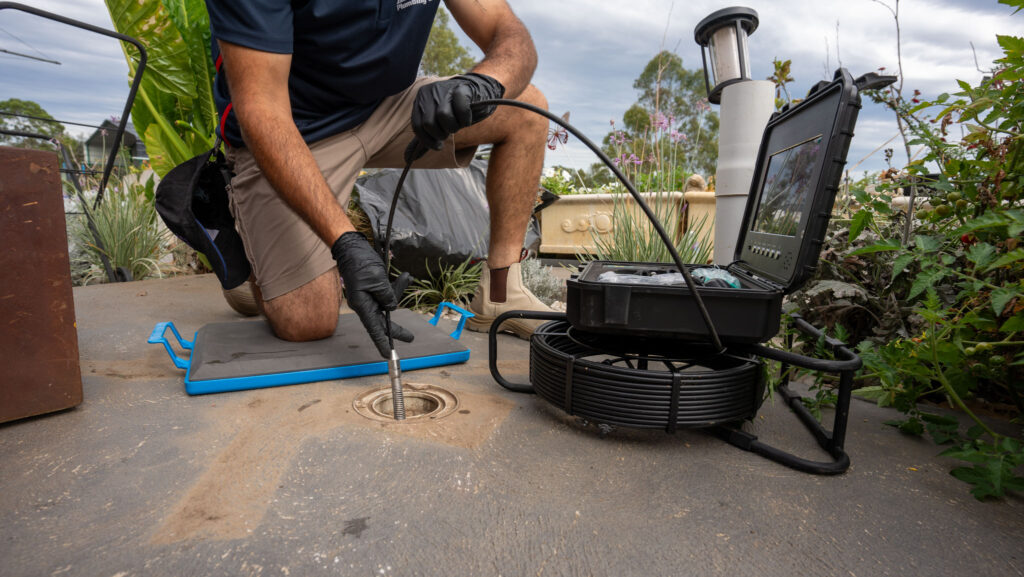
Useful findings can include visible roots, deposits, displaced joints, cracks or changes in the pipe’s shape. A report should distinguish observations from suspected causes. A camera view of pooled water, for example, may justify further investigation; it is not a complete measurement of the pipe’s grade or external condition.
What can limit an inspection
Standing wastewater, heavy debris, tight bends and missing access points can interrupt a survey. A camera cannot see through an obstruction or directly inspect the outside of a buried pipe. Ask where the inspection started, how far it reached and which sections remain unexamined. Locating equipment may assist with position, subject to site conditions and equipment limitations.
How to prepare for a recurring-blockage investigation
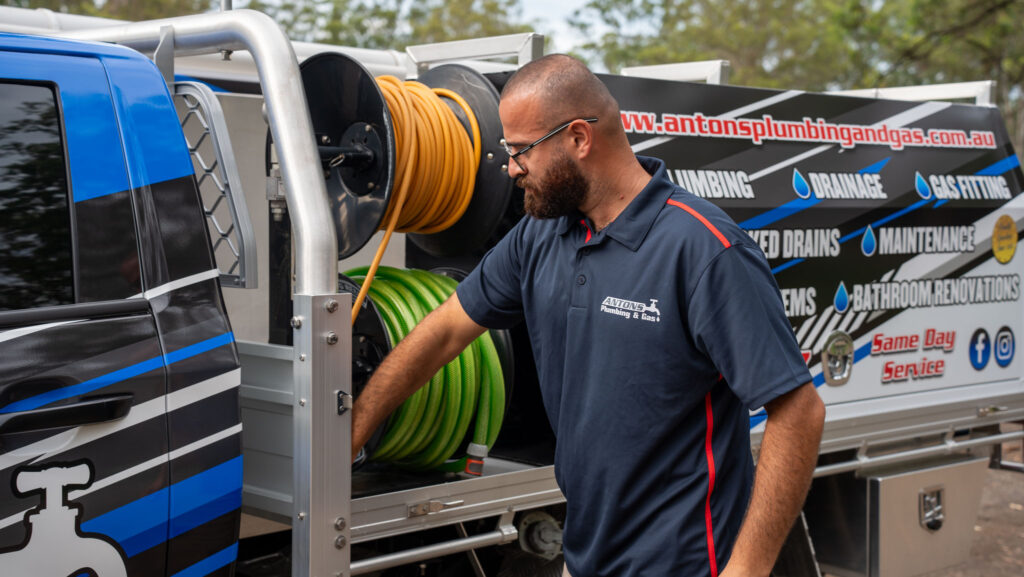
Bring previous footage, invoices and the dates blockages returned. Identify which fixtures were affected and whether the problem follows rainfall or normal use. Arrange keys and authority for shared areas. Leave pits, confined spaces and unsafe covers alone; describe access rather than attempting to create it yourself.
Turn findings into a repair decision
A removable obstruction may call for suitable clearing. A confirmed damaged section may justify targeted repair, relining assessment or replacement. Ask what evidence supports each option, what preparation is included and whether further inspection is needed after clearing. A recommendation should explain uncertainty instead of promising a permanent result from incomplete footage.
Book an inspection with a clear scope
Arrange CCTV drain inspection with the address, symptoms and previous records. Read the sewer and stormwater comparison if the system is uncertain. For an active overflow, follow Sydney Water’s wastewater blockage guidance and report the urgent symptoms before booking a routine survey.
Frequently asked questions
When is CCTV useful for a recurring blockage?
It can help when clearing gives only temporary relief, pipe damage is suspected or a repair needs supporting evidence. Explain the history and affected fixtures.
What does a CCTV drain camera record?
It records the visible interior of accessible pipe sections. The useful result is footage linked to a route, access point and explanation of observed conditions.
Can CCTV reveal tree roots?
Roots may be visible where the camera can reach and obtain a clear view. Their extent beyond the inspected section may remain uncertain.
Can CCTV identify every crack?
No. Deposits, water, camera angle and access limitations can obscure defects. Ask which areas were clearly inspected and which could not be assessed.
Can a camera see outside the pipe?
No. Interior footage does not directly show surrounding soil or the external pipe wall. Additional investigation may be necessary.
Does standing water prove the pipe has collapsed?
No. It can obscure the view and may have several explanations. Further assessment is needed before concluding that a collapse or grade problem exists.
Can a camera measure pipe depth?
A compatible locator may assist with position and approximate depth. Do not assume camera footage alone establishes exact measurements for excavation.
Must the drain be cleared first?
Sometimes. Heavy obstruction may prevent a useful survey, while other situations allow inspection before clearing. Ask why the proposed sequence suits the pipe.
Will the inspection damage landscaping?
An accessible inspection opening may allow a survey without excavation. Missing or unsuitable access can change the scope, which should be discussed first.
Does inspection include jetting?
Not automatically. Confirm whether the quote covers camera work, locating, clearing, reporting and any return visit as separate inclusions.
What should I receive after the survey?
Ask for the findings, inspected route, footage arrangements and any limitations, plus an explanation of the recommended next step.
Can old footage replace a new inspection?
It provides useful history but may not reflect current conditions or cover the relevant section. The plumber should explain whether a new survey is needed.
Should I approve relining from one camera image?
Request the full relevant findings, suitability assessment, repair extent and alternatives. A single image may not establish the complete condition or access requirements.
What if the camera cannot pass a bend?
The survey may need another access point or method. The report should clearly identify the uninspected section rather than treating it as defect-free.
Can CCTV inspect stormwater drains?
Suitable accessible stormwater pipes may be inspected. Confirm the system and access points, because the route and fault may differ from sewer drainage.
How do I prepare a strata building?
Arrange management approval, entry and access to shared inspection points. Identify affected units and any prior building drainage reports.
Can CCTV guarantee the drain will not block again?
No. Inspection is diagnostic, and even repair outcomes depend on condition, scope and later use. Ask for specific written warranty terms.
What if the footage shows no visible defect?
Confirm that the relevant route was inspected under useful conditions. The symptoms may require another investigation; a clear section does not prove the entire system is sound.
How should I compare inspection prices?
Compare the same scope: accessible length or area, locating, clearing, footage delivery, report and exclusions. Ask about charges if the survey is incomplete.
How do I book a Sydney CCTV drain inspection?
Use the booking page with the address, symptoms and earlier reports. Confirm the assessment scope, access and appointment with Anton’s.