
Burst pipes are one of the most devastating plumbing emergencies Sydney homeowners face, causing thousands of dollars in water damage within minutes. Understanding why pipes fail helps you spot warning signs early and take preventive action before a minor issue becomes a costly disaster.
This guide explains the most common reasons pipes burst in residential properties, from pressure buildup and corrosion to temperature changes and aging materials. You’ll learn practical warning signs to watch for and when it’s time to call a licensed plumber for professional assessment.
Key Takeaways
- Freezing temperatures cause water to expand, creating pressure that cracks pipes from the inside out.
- Corrosion gradually weakens pipe walls, making them vulnerable to sudden failure under normal water pressure.
- High water pressure puts constant stress on pipes, joints, and fittings until they eventually give way.
- Tree roots infiltrate underground pipes through tiny cracks, expanding over time and causing catastrophic breaks.
- Aging pipe materials like galvanized steel and clay deteriorate naturally, becoming brittle and prone to bursting.
The reality is that most burst pipes don’t happen overnight – they’re the result of gradual deterioration or mounting pressure that finally reaches a breaking point.
1. Temperature Changes and Freezing Conditions
Freezing temperatures are the leading cause of burst pipes across Sydney, particularly during unexpected cold snaps that catch homeowners unprepared. When water inside pipes freezes, it expands by roughly 9%, creating immense pressure against pipe walls. This expansion force can generate pressure exceeding 2,000 pounds per square inch – far more than most residential pipes can withstand.
The most vulnerable areas are exposed pipes in unheated spaces like garages, basements, crawl spaces, and exterior walls. Even pipes inside walls can freeze if they’re located on exterior-facing walls without adequate insulation.
Ice Blockage Creates Pressure Buildup
When ice forms in a pipe, it doesn’t just expand – it creates a complete blockage that traps water between the ice plug and closed faucets. This trapped water has nowhere to go as more ice forms, building pressure until the pipe cracks or bursts at its weakest point.
Repeated Freeze-Thaw Cycles Weaken Pipes
Multiple freeze-thaw cycles throughout winter gradually weaken pipe materials, creating microscopic cracks that grow larger with each temperature fluctuation. These stress fractures eventually compromise the pipe’s structural integrity, leading to sudden failure even under normal water pressure.
Rapid Temperature Changes Cause Thermal Shock
Quick temperature swings – like when hot water suddenly flows through cold pipes – create thermal shock that can crack brittle materials. This is particularly problematic with older galvanized steel pipes and rigid plastic pipes that lack flexibility.
Insulation Gaps Leave Pipes Vulnerable
Poor insulation around pipes allows cold air to reach water lines, even inside heated homes. Small gaps in wall insulation, open cabinet doors under sinks, or missing pipe insulation in crawl spaces can expose pipes to freezing temperatures.
Outdoor Hose Connections Freeze First
Garden hose connections and outdoor taps are typically the first to freeze since they’re directly exposed to outside temperatures. When these freeze, the ice can travel back into interior pipes, causing bursts well inside the home.
Our emergency plumbers respond to dozens of freeze-related burst pipes each winter, often providing same-day repairs to minimize water damage and restore heating systems quickly.
2. Water Pressure Issues and System Overload
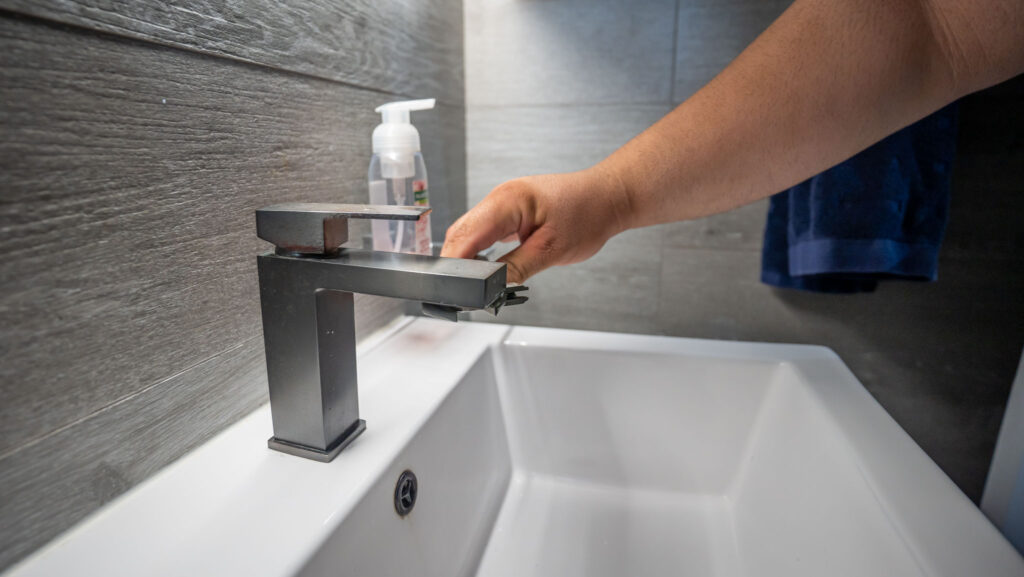
High water pressure might seem like a luxury when you’re enjoying a powerful shower, but it’s actually one of the most destructive forces in your plumbing system. Normal residential water pressure should range between 40-60 PSI (pounds per square inch), but many Sydney homes experience pressure levels of 80 PSI or higher. This constant stress gradually weakens pipes, joints, and fixtures until they fail catastrophically.
Pressure-related burst pipes often occur suddenly without warning, typically at joints, elbows, or areas where pipes change direction. The force of escaping water can cause significant property damage within minutes.
Municipal Water Pressure Fluctuations
City water systems sometimes deliver inconsistent pressure due to demand changes, pump malfunctions, or infrastructure upgrades. These pressure spikes can overwhelm residential plumbing systems designed for steady, moderate pressure.
Faulty Pressure Regulators
Pressure reducing valves are designed to protect your home’s plumbing from excessive municipal water pressure, but when they malfunction, dangerous pressure levels can damage pipes throughout your system. Regular testing and replacement of these devices prevents costly burst pipe emergencies.
We install and maintain pressure regulators across Sydney, helping homeowners protect their plumbing investments with proper pressure management systems.
3. Pipe Corrosion and Material Deterioration
Corrosion is a silent destroyer that gradually weakens pipes from the inside out, often going unnoticed until a catastrophic failure occurs. Different pipe materials corrode at different rates, but all are susceptible to chemical reactions with water, soil, and environmental factors. Sydney’s water chemistry, combined with varying soil conditions across different suburbs, creates unique corrosion challenges for local homeowners.
Corroded pipes don’t just burst – they also contaminate drinking water, reduce water pressure, and create ideal conditions for bacterial growth. Understanding corrosion patterns helps identify at-risk pipes before they fail.
Galvanized Steel Pipes Face Rapid Deterioration
Galvanized steel pipes, common in homes built before 1960, develop rust from the inside out as their protective zinc coating deteriorates. This internal rusting creates rough surfaces that restrict water flow and weak spots that eventually burst under normal pressure. Most galvanized pipes have a lifespan of 40-70 years, meaning many Sydney homes are overdue for replacement.
Copper Pipes Develop Pinhole Leaks
Copper pipes can last 50-70 years but are vulnerable to specific types of corrosion, including pitting corrosion that creates small holes and stress corrosion that causes cracks. Water chemistry, electrical grounding issues, and contact with dissimilar metals can accelerate copper pipe deterioration.
Cast Iron Pipes Rust From Multiple Directions
Cast iron sewer and water lines face both internal corrosion from water chemistry and external corrosion from soil conditions. These pipes often develop scale buildup that restricts flow while simultaneously thinning pipe walls, creating perfect conditions for sudden failure.
PVC Pipes Become Brittle Over Time
While PVC pipes resist corrosion, they become brittle with age and UV exposure, making them prone to cracking under pressure or impact. Temperature changes can also cause PVC to expand and contract, loosening joints and creating leak points.
Our CCTV drain inspections reveal the true condition of underground pipes, helping homeowners make informed decisions about repairs versus replacement before burst pipes cause water damage.
4. Tree Root Infiltration and Ground Movement
Tree roots are incredibly persistent in their search for water, and even the smallest crack in a pipe can attract root infiltration that eventually destroys the entire line. This problem is particularly common in Sydney’s established suburbs where mature trees and aging underground pipes create perfect conditions for root-related pipe bursts. What starts as minor root intrusion can quickly escalate to complete pipe collapse and devastating water damage.
Ground movement from soil expansion, settling, or construction activity also shifts pipes out of alignment, creating stress points that lead to cracks and eventual failure.
| Cause | Warning Signs | Typical Damage |
|---|---|---|
| Tree Root Infiltration | Slow drains, gurgling sounds, sewage odors | Complete pipe blockage, cracked pipes |
| Soil Settlement | Uneven floors, wall cracks, low water pressure | Pipe misalignment, joint separation |
| Ground Shifting | Wet spots in yard, foundation issues | Pipe breaks, connection failures |
Roots Follow Pipe Joints and Connections
Tree roots typically enter pipes through joints, connections, or existing small cracks where they detect moisture. Once inside, roots grow rapidly in the nutrient-rich environment, expanding to fill the entire pipe diameter and creating immense pressure against pipe walls.
Clay Pipes Are Most Vulnerable
Older clay sewer pipes are particularly susceptible to root infiltration due to their porous nature and tendency to develop cracks over time. Roots can completely destroy clay pipes, requiring full replacement rather than simple repairs.
Seasonal Ground Movement Stresses Pipes
Sydney’s clay soils expand and contract significantly with moisture changes, shifting underground pipes and creating stress at connection points. This movement is most pronounced during drought periods followed by heavy rains.
Construction Activity Damages Nearby Pipes
Excavation, heavy machinery, and construction vibrations can crack or shift pipes even when contractors avoid direct contact. These stress-induced weaknesses often don’t manifest as burst pipes until months or years later.
We use acoustic leak detection and CCTV inspections to locate root damage and ground-movement issues before they cause catastrophic pipe bursts, offering trenchless repair solutions that minimize property disruption.
5. Aging Infrastructure and Material Failure
Every pipe material has a finite lifespan, and many Sydney homes are reaching or exceeding the expected service life of their original plumbing systems. Aging pipes don’t just wear out gradually – they often fail suddenly when accumulated wear finally exceeds the material’s structural limits. Understanding your home’s pipe age and material helps predict when replacement becomes necessary to prevent burst pipe emergencies.
Different pipe materials age differently, with some becoming brittle while others develop corrosion or joint failures that lead to catastrophic water damage.
Material Lifespans Vary Significantly
Galvanized steel pipes typically last 40-70 years, copper pipes 50-70 years, cast iron 75-100 years, and PVC 25-40 years. However, these lifespans can be shortened by water chemistry, installation quality, and environmental factors specific to each property.
Joint Failures Cause Sudden Flooding
Pipe joints often fail before the pipes themselves, particularly in systems with threaded connections, soldered joints, or rubber gaskets that deteriorate over time. These failures can release large volumes of water quickly, causing extensive property damage.
Manufacturing Defects Surface Over Time
Some pipe failures result from manufacturing defects that don’t become apparent until years after installation. These can include weak welds, improper material composition, or inadequate quality control during production.
Installation Errors Create Long-Term Problems
Poor installation practices like inadequate support, improper joint preparation, or mixing incompatible materials can cause premature pipe failure. These issues often don’t manifest until years later when the accumulated stress finally causes a burst.
Environmental Factors Accelerate Aging
Exposure to chemicals, extreme temperatures, UV light, and soil conditions can accelerate pipe deterioration beyond normal aging patterns. Pipes in harsh environments may fail well before their expected lifespan.
Our experienced team has seen every type of pipe failure across Sydney’s diverse housing stock, from heritage homes with century-old cast iron to modern developments with premature PVC failures.
Warning Signs and When to Call a Professional
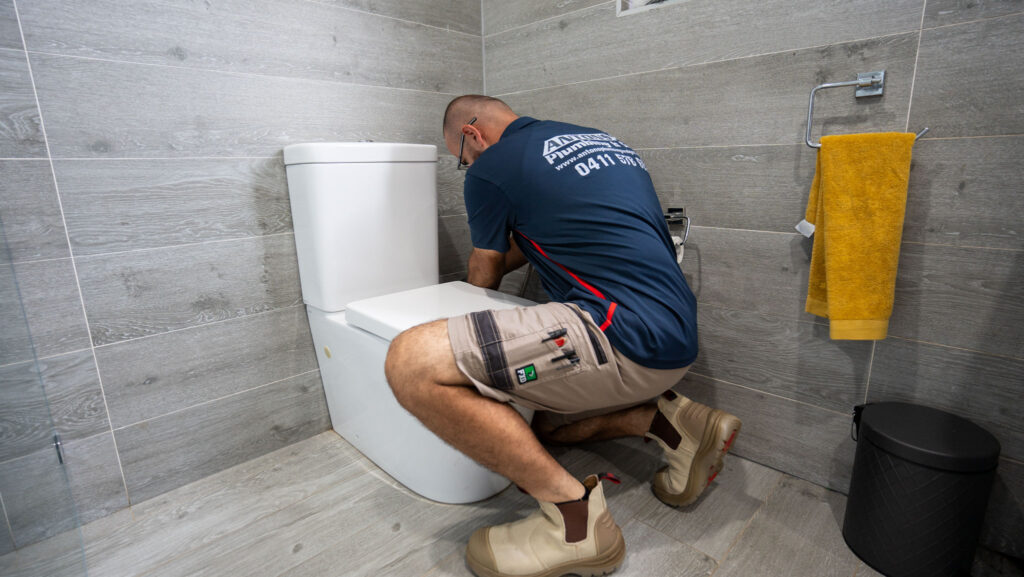
Recognizing early warning signs of potential pipe failure can save thousands of dollars in water damage and emergency repairs. Most burst pipes give some indication of impending failure, whether through changes in water pressure, unusual sounds, or visible signs of deterioration. The key is knowing what to look for and acting quickly when you notice these red flags.
Professional assessment becomes critical when warning signs appear, as licensed plumbers can use specialized equipment to diagnose problems before they become emergencies.
- Water pressure changes – Sudden drops or increases in water pressure often indicate pipe problems
- Discolored water – Brown, yellow, or metallic-tasting water suggests pipe corrosion
- Unusual sounds – Banging, gurgling, or whistling in pipes indicates pressure or blockage issues
- Wet spots – Unexplained moisture in walls, ceilings, or yard areas
- High water bills – Sudden increases without changed usage patterns suggest hidden leaks
- Temperature fluctuations – Inconsistent water temperatures can indicate pipe restrictions
Don’t wait for a full pipe burst to address these warning signs. Early intervention through professional inspection and targeted repairs prevents the extensive water damage and costly emergency repairs that come with catastrophic pipe failures.
We provide same-day diagnostic services across Sydney, using CCTV cameras, pressure testing, and acoustic leak detection to identify pipe problems before they cause flooding and property damage.
Conclusion
Burst pipes result from predictable causes like freezing temperatures, high water pressure, corrosion, tree roots, and aging materials. Recognizing warning signs early and scheduling professional inspections prevents costly water damage. Call Us for same-day burst pipe repairs and preventive plumbing assessments across Sydney.
When pipes burst, Antons Plumbing & Gas provides expert burst pipe repairs backed by 25 years experience. Our licensed team offers same-day service across Sydney Metro with lifetime labour warranty. Learn more about our reliable plumbing solutions today.
Related Articles
FAQs
What Causes Burst Pipes?
Burst pipes can be caused by several factors, including freezing temperatures, high water pressure, corrosion, and blockages. As a licensed plumbing company with over 25 years of experience, we understand the complexities that lead to pipe failures and can help prevent them before they occur.
How Do You Know If A Pipe Has Burst?
Signs of a burst pipe include sudden drops in water pressure, water pooling in unexpected areas, damp walls or ceilings, and unexplained increases in your water bill. If you suspect a burst pipe, it’s essential to contact a professional plumber to assess the situation promptly.
What Should You Do If A Pipe Bursts?
If a pipe bursts, the first step is to turn off your water supply to prevent further damage. Next, contact Antons Plumbing & Gas immediately for expert assistance. Our team is available 24/7 to address emergencies and ensure your property is safe and dry.
How Much Does It Cost To Fix A Burst Pipe?
The cost to fix a burst pipe can vary based on the severity of the damage, the location of the pipe, and the necessary repairs. At Antons Plumbing & Gas, we provide upfront pricing and will present clear options tailored to your specific situation.
Can Burst Pipes Be Prevented?
Yes, burst pipes can often be prevented through regular maintenance, proper insulation, and timely repairs of any existing issues. Our qualified team can conduct thorough inspections and provide solutions to help protect your plumbing system from future problems.