

Put people before property protection
Keep occupants away from sewage, water near electrical equipment and damaged ceilings. Do not enter an unsafe area to move belongings, photograph damage or reach a valve. Call 000 when there is immediate danger.
Prepare a short incident record
Note when symptoms started, affected fixtures and whether a safe water isolation changed the flow. Tell the plumber about drain chemicals, previous repairs or shared-service restrictions. For a gas smell, leave the affected area and follow Jemena gas safety guidance rather than investigating it yourself.
Make access and approval straightforward
Provide the exact address, safe entry instructions and an authorised contact when requesting our emergency plumbing service. Notify the agent or building manager where relevant. Read our emergency attendance guide to clarify assessment and follow-up costs.
Plumbing emergencies strike without warning, leaving homeowners scrambling to minimize damage while searching for reliable help. The first few minutes determine whether you face a minor cleanup or thousands of dollars in water damage. Taking swift, decisive action before calling plumbers near by me can save your property and reduce repair costs significantly.
This guide walks you through critical emergency steps, safety protocols, and how to identify trustworthy emergency plumber near me services when panic sets in. You’ll learn practical damage control techniques and prevention strategies that protect your Sydney home from future plumbing disasters.
Key Takeaways
- Shut off water immediately at the mains to prevent extensive flooding and structural damage.
- Turn off electricity to affected areas before dealing with any water-related emergencies.
- Document damage with photos for insurance claims while waiting for same day plumbing services.
- Choose licensed plumbers with transparent pricing and 24/7 availability for genuine emergencies.
- Regular maintenance and early warning sign recognition prevent most plumbing crises.
Immediate Steps To Take in a Plumbing Emergency Before Searching Plumbers Near By Me
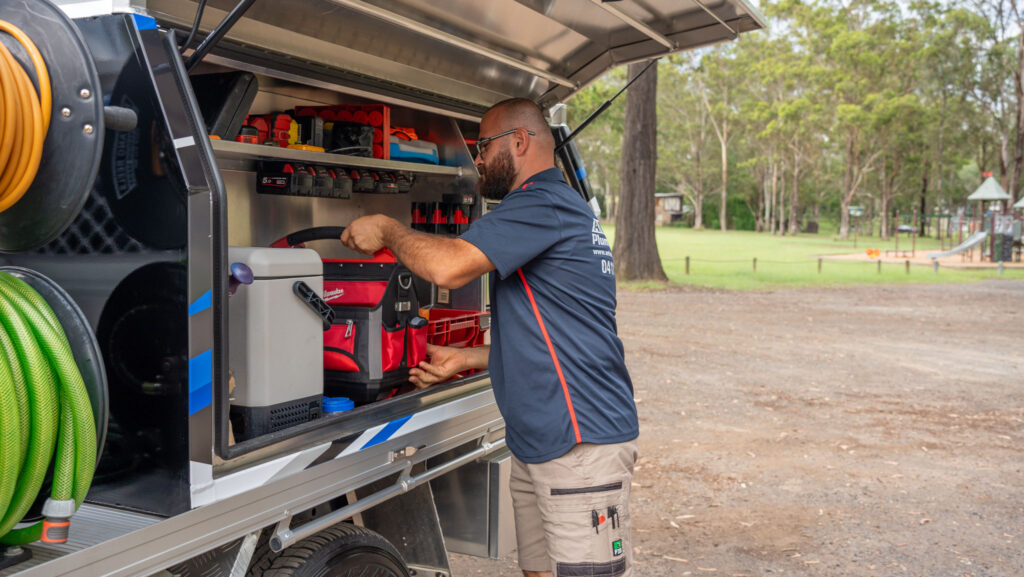
The moment you discover a plumbing emergency, your priority shifts to damage control rather than finding help. Quick thinking and immediate action prevent minor issues from becoming major disasters. These first steps buy you precious time while you locate qualified after hours plumber services.
1. Stop the Water Flow Immediately
Locate your main water shut-off valve, typically found near the water meter or where the main line enters your property. Turn the valve clockwise until it stops completely – this cuts off water supply to your entire home.
2. Address Burst Pipe Situations
For burst pipe repair emergencies, shut off electricity to the affected area first. Use towels or buckets to catch flowing water while directing it away from electrical outlets and appliances.
3. Handle Overflowing Toilets
Remove the toilet tank lid and push the flapper down to stop water entering the bowl. Turn off the water supply valve located behind the toilet base if the problem persists.
4. Manage Gas-Related Emergencies
If you smell gas, evacuate immediately without using electrical switches or creating sparks. Call emergency services from outside your property before contacting any plumber.
5. Control Sewage Backups
If you smell gas, leave the affected area, avoid ignition sources and contact the distributor from a safe location. Call 000 for immediate danger. Do not delay leaving to investigate or ventilate the area.
6. Document Everything
Take photos of damage for insurance purposes once the immediate danger passes. This documentation proves valuable when dealing with claims and repair estimates.
These immediate actions create a safer environment while you search for emergency plumber near me services.
How To Safely Shut Off Water and Power To Limit Damage
Proper shut-off procedures prevent electrical hazards and water damage from escalating beyond control. Understanding your home’s systems helps you respond confidently during high-stress situations. Safety protocols protect your family while preserving your property until same day plumbing professionals arrive.
Locating Your Main Water Shut-Off
Most Sydney homes have the main valve near the front boundary, close to the water meter. Some properties feature shut-offs in basements, garages, or utility rooms. Test your valve quarterly to ensure it operates smoothly during emergencies.
Individual Fixture Controls
Toilets, sinks, and appliances often have individual shut-off valves for localized problems. These smaller valves help isolate issues without affecting your entire water supply. Turn clockwise to close, counterclockwise to open.
Electrical Safety Measures
Switch off power at the circuit breaker for any rooms with standing water or active leaks. Water conducts electricity, creating electrocution risks around outlets, switches, and appliances. Use a flashlight rather than overhead lights in affected areas.
Gas Appliance Precautions
Natural gas shut-offs require special attention and should only be handled by licensed professionals. If you suspect gas leaks, evacuate and call emergency services immediately. Never attempt to locate or repair gas-related issues yourself.
Protecting Valuables and Electronics
Move furniture, electronics, and important documents away from water sources quickly. Elevate items on blocks or move them to higher floors if flooding threatens ground-level areas.
Water and electricity create dangerous combinations that require careful handling. Never attempt repairs while power remains connected to wet areas. Antons Plumbing & Gas maintains 24/7 emergency response across Sydney Metro, helping homeowners navigate these critical situations safely.
When a Plumbing Issue Becomes a True Emergency Requiring Same Day Plumbing
Not every plumbing problem demands immediate professional intervention, but certain situations require urgent attention to prevent serious damage. Understanding the difference saves money and prevents unnecessary panic during stressful situations. True emergencies threaten property, health, or safety and cannot wait for regular business hours.
- Burst pipes flooding your home – Water damage spreads rapidly, affecting floors, walls, and electrical systems within minutes
- Sewage backups in living areas – Health hazards from contaminated water require immediate professional cleanup and repair
- No water pressure throughout the house – Complete water loss affects daily activities and may indicate serious system failures
- Gas leaks or strong gas odors – Potential explosion risks demand immediate evacuation and emergency response
- Water heater flooding or gas issues – Faulty hot water systems create fire hazards and extensive water damage
- Frozen pipes in winter – Pipe expansion can cause bursts, leading to significant flooding once thawing begins
Issues that can typically wait include dripping taps, slow drains, running toilets, or minor leaks under sinks. These problems need attention but rarely cause immediate damage or safety concerns.
Emergency situations often worsen rapidly without professional intervention. A small leak can become a burst pipe within hours under certain conditions. Our team at Antons Plumbing & Gas responds to genuine emergencies across Sydney with same day service, helping assess whether immediate action prevents further damage to your property.
How To Choose Reliable Plumbers Near By Me Under Pressure

Finding trustworthy emergency plumber near me services while managing a crisis requires quick decision-making skills and knowledge of key quality indicators. Panic often leads to poor choices that result in overcharging or substandard repairs. Smart homeowners prepare by researching local options before emergencies strike.
| Before approving work | What to confirm |
|---|---|
| Assessment | Fault evidence, accessible inspection scope and limitations. |
| Repair | Included work, equipment, parts, testing and exclusions. |
| Timing | Current availability, access, shutdowns and any return visit. |
| Follow-up | Outstanding defects, applicable records and maintenance advice. |
1. Verify Current Licensing and Insurance
Licensed plumbers carry current NSW Fair Trading credentials and comprehensive insurance coverage. Ask for license numbers and verify them through official channels before allowing work to commence.
2. Check Local Reputation and Reviews
Established local companies build reputations through consistent quality service over many years. Read recent Google reviews and ask neighbors for recommendations from their previous emergency experiences.
3. Confirm 24/7 Availability and Response Times
Genuine emergency services operate around the clock with realistic response timeframes. Be wary of companies promising unrealistic arrival times or those without after hours plumber availability.
4. Request Transparent Pricing Information
Reputable plumbers provide clear pricing structures and explain additional charges for emergency callouts. Avoid companies that refuse to discuss costs or provide vague estimates over the phone.
5. Ask About Warranty Coverage
Quality workmanship comes with warranty protection on both labor and materials used. Professional companies stand behind their emergency repairs with written guarantees.
6. Evaluate Communication and Professionalism
Professional plumbers communicate clearly, arrive in marked vehicles, and carry proper identification. They explain problems in plain language and present multiple solution options when possible.
7. Confirm Service Area Coverage
Local companies familiar with Sydney’s plumbing systems and regulations often provide faster, more effective solutions. Area knowledge helps with parts availability and compliance requirements.
Quality emergency plumbers demonstrate specific characteristics that separate them from unreliable operators. Focus on these critical factors when time pressure mounts. We maintain current licensing (Lic: 210933C) and provide same day emergency response across Sydney Metro with transparent pricing and lifetime labor warranties on all work performed.
Simple Habits That Reduce the Chances of Future Plumbing Emergencies
Prevention costs far less than emergency repairs and keeps your home running smoothly year-round. Simple maintenance routines catch small problems before they become major disasters requiring urgent attention. Smart homeowners invest minimal time in prevention rather than dealing with stressful emergency situations.
Monthly Visual Inspections
Walk through your home monthly checking for water stains, unusual odors, or visible leaks around fixtures and appliances. Early detection prevents minor issues from developing into major problems requiring same day plumbing intervention.
Seasonal Maintenance Tasks
Clean gutters before winter, insulate exposed pipes, and service your hot water system annually. These routine tasks prevent freeze damage and system failures during extreme weather conditions.
Smart Water Usage Habits
Avoid flushing inappropriate items down toilets and keep grease out of kitchen drains. These simple practices prevent blockages that often lead to overflow emergencies and expensive cleanup costs.
Early Warning Sign Recognition
Learn to identify warning signs like unusual sounds, slow drainage, or pressure changes that indicate developing problems. Address these issues promptly before they require emergency intervention.
Professional System Inspections
Schedule annual plumbing inspections to identify potential problems before they cause emergencies. Professional assessments catch issues that homeowners typically miss during routine use.
- Water pressure drops gradually over time
- Unusual sounds from pipes or fixtures
- Persistent odors from drains or fixtures
- Water discoloration or taste changes
- Higher than normal water bills
Regular attention to your plumbing system prevents most common failures that lead to emergency calls. Our preventive maintenance services help Sydney homeowners avoid emergency situations through regular inspections, early problem detection, and proactive repairs that maintain system reliability. Investing in prevention protects your property investment while avoiding the stress and expense of emergency plumbing situations.
Conclusion
Quick action during plumbing emergencies prevents minor problems from becoming costly disasters. Knowing your shut-off locations and safety procedures protects your family and property while you locate qualified help. Choose licensed professionals who offer transparent pricing and same day response for genuine peace of mind.
When plumbing emergencies strike, Antons Plumbing & Gas offers 24/7 emergency response across Sydney Metro. Our licensed team provides same-day service with no call-out fees. Learn more about our emergency plumbing solutions today.
Related Articles
- Plumbers Near By Me: What Affects Pricing—Access, Materials, and Scope
- Plumbing Quote Checklist: Inclusions, Exclusions, and Warranties Explained
- Need an Emergency Plumber Near Me? We’re Here 24/7!
Frequently Asked Questions
What is the first thing to do in a plumbing emergency?
Move people away from immediate hazards and call 000 for immediate danger; arrange the appropriate professional response from a safe place.
Should I try to save belongings before calling?
Only move items if it is safe. Avoid water near electricity, sewage and areas beneath damaged ceilings.
When can I turn off the water myself?
Use a known, safely accessible isolation valve you can operate without force; do not enter danger to reach it.
What if I do not know which valve to use?
Tell the attending plumber and avoid experimenting with unfamiliar valves, particularly in shared buildings.
Should I turn off electricity in a wet area?
Do not touch wet electrical equipment or enter water to reach a switchboard. Arrange qualified emergency assistance.
What should I do if sewage is overflowing?
Stop using affected fixtures, keep people away and arrange prompt assessment. Do not treat contaminated water as a normal spill.
What if I smell gas while checking the problem?
Leave the affected area, avoid ignition sources and contact the distributor safely. Call 000 for immediate danger.
Can I use towels around a small contained leak?
Only where there is no electrical, contamination or structural hazard. Containment does not replace isolation or professional assessment.
Should I take photographs for the plumber?
Safe photographs can help describe the fault. Do not climb, open equipment or enter hazardous areas for images.
Which details should I write down?
Record the start time, affected fixtures, visible symptoms, isolation attempts and any change after stopping water use.
Should I mention chemicals already used in a drain?
Yes. Name the product if known and when it was used so the plumber can plan safe handling.
How do I prepare the entrance for a plumber?
Secure pets, provide clear directions and arrange a safe access contact without entering hazardous areas to clear a route.
What should tenants do before booking?
Use the agent or landlord’s emergency process and retain communication records; confirm who can authorise the work.
What should apartment occupants tell building management?
Report the lot, level, affected services and whether other units or common areas appear involved.
Should I warn neighbours about a shared-service fault?
Coordinate through the building manager or responsible contact so accurate restrictions and updates reach affected occupants.
What cost information should I confirm?
Ask about attendance, assessment, repair approval, after-hours charges and possible follow-up work before agreeing.
Can I keep using other drains during a blockage?
Avoid affected plumbing and ask for advice; connected fixtures may add water to the same blocked line.
What should I ask before the plumber leaves?
Confirm the repair status, safe-use restrictions, outstanding work and how any return visit will be arranged.
How should I store incident records?
Keep photos, findings, invoices and approved variations together for property management, maintenance and any insurer enquiries.
Where can I arrange a Sydney emergency plumbing visit?
Use our emergency plumbing service contact with your suburb, immediate hazard and safe access details.