
Your beautiful garden could be silently destroying your sewer system. Tree roots naturally seek moisture and nutrients, making your underground pipes an irresistible target that can lead to thousands of dollars in repair costs.
This guide reveals which trees pose the greatest threat to your sewer lines and provides practical alternatives that protect your plumbing investment. You’ll learn how to identify warning signs, choose safer landscaping options, and prevent costly root intrusions before they happen.
Key Takeaways
- Willows, poplars, and ficus trees have aggressive root systems that actively seek and damage sewer pipes.
- Tree roots can infiltrate tiny cracks in pipes, expanding them into major blockages and structural damage.
- Safe alternatives include Japanese maples, cherry trees, and ornamental shrubs with shallow root systems.
- Root barriers and strategic planting distances help protect existing sewer infrastructure.
- Regular CCTV drain inspections can detect early root intrusion before expensive repairs become necessary.
How Tree Roots Quietly Destroy Sewer Lines Underground
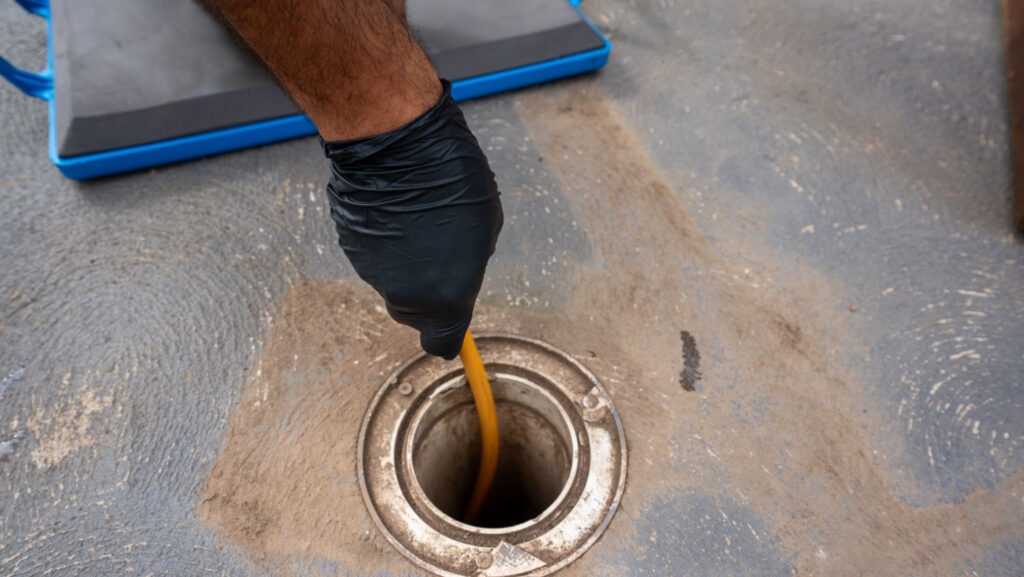
Tree roots don’t randomly attack your pipes – they’re drawn by moisture, warmth, and nutrients found in sewer lines. Even the smallest crack or loose joint becomes an entry point where hair-thin roots begin their invasion. These microscopic intrusions gradually expand, creating major structural damage that can cost thousands to repair.
The Silent Invasion Process
Roots enter through joints, cracks, or any opening larger than a pinhead. They thrive in the nutrient-rich environment inside sewer pipes, growing rapidly and branching extensively. The root mass acts like a net, catching toilet paper, grease, and other waste materials.
Structural Damage Beyond Blockages
Growing roots exert tremendous pressure on pipe walls, widening existing cracks and creating new ones. Clay pipes, common in older Sydney homes, are particularly vulnerable to root penetration. The expanding root system can eventually collapse entire pipe sections, requiring expensive excavation and replacement.
Warning Signs You Shouldn’t Ignore
Slow-draining fixtures often indicate early root intrusion, especially if multiple drains are affected simultaneously. Gurgling sounds from toilets or drains suggest air displacement caused by partial blockages. Sewage odours in your yard may indicate pipe damage allowing waste to leak into surrounding soil.
The process starts innocently enough. Roots detect moisture vapour escaping from tiny pipe imperfections, then grow toward this water source. Once inside, roots behave like living pipe cleaners, collecting debris and forming dense mats that block water flow completely.
Top Worst Trees for Sewer Lines and What Makes Their Roots So Aggressive
Some tree species are notorious for their aggressive, water-seeking root systems that can devastate underground plumbing. These worst trees for sewer lines combine rapid growth with extensive root networks that actively pursue moisture sources. Understanding which species pose the greatest risk helps you make informed landscaping decisions.
Weeping Willows
Willows top the list of worst trees near plumbing due to their massive, water-hungry root systems. These roots can extend up to three times the tree’s height, actively seeking moisture sources like sewer lines. A single willow can send roots 30 metres or more from its trunk, making safe planting distances nearly impossible on typical residential blocks.
Poplar Trees
Poplars develop aggressive surface roots that spread horizontally, often lifting concrete and penetrating shallow sewer connections. Their rapid growth rate means root problems develop quickly, sometimes within just a few years of planting. These trees are particularly problematic because their roots actively grow toward water sources rather than growing randomly.
Large Ficus Varieties
Fig trees, including the popular Moreton Bay Fig, produce incredibly strong roots that can crush pipes through sheer force. Their root systems are both deep and wide-spreading, making them unsuitable for any property with underground utilities. Even mature specimens planted decades ago can suddenly cause pipe failures as their root systems continue expanding.
Elm Trees
Elms develop dense, fibrous root mats that completely fill pipe interiors once they gain entry. Their roots are particularly good at finding and exploiting small pipe joints or cracks. The extensive branching pattern means removing elm roots from pipes often requires professional hydro-jetting or mechanical cutting.
Large Maple Species
While smaller ornamental maples are generally safe, large maple varieties like Silver Maple develop extensive root systems. Their roots grow aggressively toward water sources and can cause significant pipe damage. The combination of size and water-seeking behaviour makes them unsuitable for properties with shallow sewer lines.
Eucalyptus Trees
Many eucalyptus species develop both deep taproots and spreading lateral roots that can interfere with sewer systems. Their roots are particularly strong and can exert enough pressure to crack or displace rigid pipes. The water-seeking nature of eucalyptus roots makes them especially problematic during dry periods when they actively pursue alternative moisture sources.
Large, fast-growing trees typically develop the most problematic root systems. Their roots can extend far beyond the tree’s canopy, reaching depths where sewer pipes are buried.
What to Plant Instead: Safe Trees for Sewer Lines and Landscaping Ideas
Choosing the right trees and shrubs protects your sewer system while maintaining beautiful landscaping. Safe trees for sewer lines typically have shallow, non-aggressive root systems that won’t seek out underground pipes. Smart plant selection combined with proper placement creates an attractive garden that works with your plumbing, not against it.
| Tree Type | Mature Height | Root Spread | Sewer Safety |
|---|---|---|---|
| Japanese Maple | 4-6m | Compact | Very Safe |
| Ornamental Cherry | 5-8m | Moderate | Safe |
| Weeping Willow | 15-20m | Extensive | High Risk |
| Large Ficus | 20-30m | Very Extensive | Extreme Risk |
Japanese Maple
Japanese maples offer stunning seasonal colour with shallow, non-invasive root systems perfect for properties with sewer concerns. Their mature size rarely exceeds 6 metres, and roots typically stay within the drip line. These ornamental trees provide excellent landscape value without threatening underground infrastructure.
Ornamental Cherry Trees
Cherry trees, including flowering varieties, develop relatively shallow root systems that pose minimal risk to sewer lines. Their moderate size and beautiful spring blossoms make them excellent choices for front yards or areas near utilities. Most ornamental cherries mature at 4-8 metres with proportionally smaller root zones.
Eastern Redbud
Redbud trees stay relatively small with heart-shaped leaves and early spring flowers that appear before foliage. Their root systems are shallow and non-aggressive, making them safe choices for landscaping to protect sewer pipes. The compact growth habit suits smaller properties where space is limited.
Dogwood Trees
Dogwoods provide four-season interest with spring flowers, summer foliage, autumn colour, and interesting winter bark. Their fibrous root systems stay relatively shallow and don’t aggressively seek water sources. These trees work well as understory plantings or focal points in smaller landscapes.
Safe Shrub Alternatives
Shrubs like azaleas, boxwood, and holly provide structure and seasonal interest without root concerns. Their smaller size means root systems remain proportionally compact and manageable. Large shrubs can provide similar visual impact to small trees while eliminating sewer line risks entirely.
Strategic Root Barriers
Root barriers made from plastic or fabric can redirect tree roots away from sewer lines when installed properly. These vertical barriers should extend at least 60 centimetres deep and be placed between trees and pipes. Professional installation ensures barriers are positioned correctly and won’t interfere with legitimate root growth.
The key is selecting slow-growing species with compact root systems and avoiding plants known for water-seeking behaviour.
How to Check If Your Existing Trees Are Threatening Your Sewer Line
Assessing your current landscape for potential sewer threats helps prevent expensive surprises down the track. The age, size, and proximity of existing trees all factor into their risk level for roots damaging sewer pipes. Professional evaluation can identify problems before they require emergency repairs.
Several factors determine whether your trees pose immediate or future risks to your sewer system.
Measuring Distance and Tree Size
Trees planted within 10 metres of sewer lines pose the highest risk, especially large or fast-growing species. Measure from your home’s sewer connection point to nearby trees, considering that roots often extend beyond the visible canopy. Mature trees with trunks larger than 30 centimetres diameter have extensive root systems that may already be impacting underground pipes.
Identifying High-Risk Species
Walk your property and identify any willows, poplars, large ficus, or other aggressive species near your sewer line. Even if these trees aren’t currently causing problems, their root systems continue growing throughout their lifetime. Document tree locations with photos and measurements for professional assessment.
Recognizing Early Warning Signs
Slow drains, gurgling sounds, or sewage odours may indicate roots are already infiltrating your pipes. Multiple fixtures draining slowly simultaneously suggests main sewer line involvement rather than individual drain problems. Lush grass patches in your yard during dry periods might indicate sewer line leaks feeding root growth.
Professional CCTV Inspection Benefits
Camera inspections reveal the actual condition inside your pipes without excavation or guesswork. Our team uses advanced CCTV equipment to identify root intrusions, pipe damage, and potential problem areas. This diagnostic approach helps prioritize repairs and prevents minor issues from becoming major emergencies.
Pipe Material Considerations
Older clay pipes are more susceptible to root intrusion than modern PVC systems due to joint design and material porosity. Cast iron pipes can develop rust holes that provide easy root entry points. Understanding your pipe material helps assess vulnerability and plan appropriate preventive measures.
Seasonal Timing Factors
Root activity increases during spring growing seasons and dry periods when trees actively seek water sources. Problems often become apparent during these times when root growth accelerates. Planning inspections and preventive treatments during peak growing seasons provides the most accurate assessment of potential issues.
How Antons Plumbing & Gas Helps You Prevent and Repair Root-Damaged Sewer Lines
Our experienced team of plumbers combines advanced diagnostic equipment with proven repair techniques to address tree root problems effectively. We specialise in both preventing root intrusions and repairing existing damage using methods that minimise disruption to your property. Same-day service means we can respond quickly when root blockages threaten your sewer system.
Every job starts with thorough diagnosis to identify the root cause and extent of damage before recommending solutions.
Advanced CCTV Drain Inspection
Our high-resolution cameras provide clear images of pipe interiors, revealing root locations, damage extent, and overall pipe condition. This technology eliminates guesswork and helps target treatments precisely where needed. The inspection footage helps you understand the problem and make informed decisions about repair options.
Hydro Jetting Root Removal
High-pressure water jetting cuts through root masses and clears blocked pipes without damaging the pipe structure. This method removes roots completely while flushing away accumulated debris and buildup. Hydro jetting provides immediate relief from blockages and prepares pipes for preventive treatments or relining procedures.
Pipe Relining Solutions
Trenchless pipe relining creates a new pipe inside the old one, sealing cracks and joints that allow root entry. This method avoids excavation while providing a permanent solution to root intrusion problems. The smooth interior surface of relined pipes resists future root penetration and improves flow characteristics.
Preventive Treatment Programs
Regular maintenance treatments help prevent root re-growth and keep your sewer system flowing freely. We can recommend treatment schedules based on your specific tree species, pipe condition, and previous root problems. Preventive approaches cost significantly less than emergency repairs and avoid the inconvenience of sudden blockages.
Landscaping Consultation
Our team of plumbers can assess your current landscaping and recommend changes to protect your sewer investment long-term. We help identify high-risk trees and suggest safer alternatives that maintain your property’s aesthetic appeal. Professional advice helps you make informed decisions about tree removal, replacement, or management strategies.
Emergency Response Capability
Root blockages don’t wait for convenient times, which is why we offer 24/7 emergency service with no call-out fee. Our rapid response team can clear urgent blockages and prevent sewage overflows that damage your property. Same-day service availability means you’re never left dealing with sewer problems alone.
We diagnose problems thoroughly, explain your options clearly, and complete repairs to Australian Standards with a lifetime labour warranty. Call Us for expert assessment of your sewer system and tree root concerns. Professional prevention costs far less than emergency repairs and protects your property investment long-term.
Conclusion
Smart tree selection protects your sewer system while maintaining beautiful landscaping that adds value to your property. Professional assessment and preventive care help avoid expensive root damage repairs that can cost thousands of dollars. Contact our experienced team today for expert advice on protecting your sewer investment through proper landscaping choices.
Antons Plumbing & Gas helps Sydney homeowners avoid costly tree root damage with professional drain inspections and pipe relining. Our licensed team prevents sewer blockages before they become expensive repairs. Learn more about protecting your pipes today.
Related Articles
FAQs
What Are The Worst Trees For Sewer Lines Around A Home?
The worst trees for sewer lines typically include species with aggressive root systems, such as willows, poplars, and silver maples. These trees can expand their roots in search of moisture, leading to potential damage to your sewer pipes. At Antons Plumbing & Gas, we understand the importance of preventing such issues and are here to help with any plumbing concerns.
How Do Tree Roots Get Into Sewer Pipes?
Tree roots can infiltrate sewer pipes through small cracks or joints. As they seek moisture, roots can grow toward the pipes and eventually break through, causing blockages and damage. Our expert team of local plumbers in Sydney can perform CCTV inspections to identify and resolve any root intrusion issues quickly and effectively.
What Happens If Tree Roots Damage My Sewer Line?
If tree roots damage your sewer line, it can lead to blockages, backups, and even sewage leaks, which pose health risks and cause costly repairs. Antons Plumbing & Gas specializes in burst pipe repairs and can help you restore your plumbing system to ensure it operates efficiently and safely.
How Far From The House Should Trees Be Planted To Protect Pipes?
As a general guideline, trees should be planted at least 3 to 10 feet away from your home’s foundation and sewer lines to minimize the risk of root intrusion. Our experienced team can provide consultation on landscaping choices that protect your plumbing system while enhancing your property.
What Are Better Tree Options That Are Safer For Sewer Lines?
Safer tree options for planting near sewer lines include species with less aggressive root systems, such as dogwoods, redbuds, and certain types of oaks. These trees are less likely to interfere with your plumbing. At Antons Plumbing & Gas, we are always available to help with any plumbing issues that may arise, ensuring your home remains safe and functional.