Emergency plumbing disasters strike Sydney homes without warning, leaving homeowners scrambling to understand what their home and contents insurance actually covers. Most policies provide limited coverage for sudden plumbing emergencies like burst pipes, but exclude gradual damage from leaks or maintenance issues.
This guide explains exactly when your home insurance will cover emergency plumbing repairs and what exclusions commonly apply. You’ll discover how proper documentation from licensed professionals can support successful insurance claims.
Key Takeaways
- Home and contents insurance typically covers sudden burst pipe damage but excludes gradual leaks or maintenance issues.
- Emergency plumbing coverage varies significantly between insurers, with some offering temporary accommodation during major repairs.
- Professional documentation from licensed plumbers strengthens insurance claims and speeds up settlement processes.
- Most policies exclude damage from blocked drains, tree root intrusion, and wear-and-tear related failures.
- Additional water damage cover may be required for comprehensive protection against plumbing emergencies.
Understanding your home insurance coverage becomes critical when plumbing emergencies strike unexpectedly.
What Emergency Plumbing Issues Are Covered by Home and Contents Insurance

Home and contents insurance generally covers sudden and accidental water damage from burst pipes, ruptured hot water systems, and failed appliance connections. Your policy typically includes the cost of emergency repairs to stop immediate damage plus restoration of affected areas. Most insurers distinguish between “sudden” incidents and gradual deterioration when assessing claims.
The coverage extends to water damage affecting your home’s structure, flooring, walls, and contents. Some policies include temporary accommodation if your home becomes uninhabitable during major repairs.
Burst Pipe Emergencies
Sudden pipe bursts from freezing, pressure surges, or mechanical failure receive coverage under most home insurance policies. The insurer covers both the immediate repair costs and resulting water damage to your property.
Hot Water System Failures
Unexpected hot water system ruptures that flood your home qualify for coverage when they occur without warning. This includes tank failures, pressure relief valve issues, and connection breakdowns that cause immediate water damage.
Appliance Connection Failures
Washing machine hose bursts, dishwasher leaks, and similar appliance-related water incidents typically receive coverage. The key factor is whether the failure happened suddenly rather than developing gradually over time.
Toilet and Fixture Overflows
Blocked toilets that overflow and cause water damage may be covered, depending on the cause. Sudden blockages from foreign objects often qualify, while gradual drain deterioration may not.
Storm-Related Plumbing Damage
Severe weather that damages plumbing systems, causes backflow, or floods your property through plumbing failures usually receives coverage. This includes tree damage to pipes and storm-induced sewer backups in some policies.
When these emergencies occur, having immediate access to licensed professionals makes a significant difference in both damage control and insurance outcomes.
Common Home Insurance Exclusions for Plumbing Repairs
Most home and contents insurance policies exclude gradual damage, maintenance issues, and pre-existing problems from coverage. Understanding these exclusions helps homeowners avoid claim disappointments and plan for out-of-pocket expenses. Insurance companies investigate claims thoroughly to determine whether damage resulted from sudden incidents or ongoing neglect.
The distinction between covered “sudden” damage and excluded “gradual” deterioration often becomes the deciding factor in claim outcomes.
| Covered Incidents | Common Exclusions |
|---|---|
| Sudden pipe bursts | Gradual leaks and seepage |
| Accidental water damage | Maintenance-related issues |
| Storm-related flooding | Tree root damage to pipes |
| Appliance failures | Blocked drains and sewers |
| Hot water system ruptures | Wear and tear deterioration |
Gradual Leaks and Seepage
Slow leaks that develop over weeks or months rarely receive coverage. Insurers expect homeowners to detect and repair minor leaks before they cause major damage.
Maintenance and Wear Issues
Pipe deterioration, fixture wear, and components reaching end-of-life don’t qualify for coverage. Regular maintenance remains the homeowner’s responsibility under most policies.
Tree Root Intrusion
Root damage to underground pipes typically falls outside standard coverage. This gradual process is considered preventable through regular maintenance and inspection.
Blocked Drains and Sewers
Most policies exclude drain cleaning and sewer blockage repairs. Some insurers offer optional coverage for these common issues at additional cost.
Pre-Existing Conditions
Known problems or damage that existed before policy commencement won’t receive coverage. Insurers may investigate the history of plumbing issues during claims assessment.
Navigating these exclusions requires professional documentation that clearly establishes the sudden nature of plumbing emergencies.
Comparing Home Insurance Policies for Plumbing Coverage
Home and contents insurance compare tools reveal significant differences in plumbing coverage between insurers. NRMA home and contents insurance offers different terms than CommBank home insurance, making comparison essential for adequate protection. Recent data shows Australians pay an average of $3,499 annually for combined coverage, with costs varying by location and policy features.
Getting multiple home insurance quotes helps identify policies with better plumbing coverage. Some insurers include additional water damage protection while others require separate policies for comprehensive coverage.
The Insurance Council of Australia reports around 30 insurers compete in the home and contents market, creating opportunities for better coverage options.
Standard Coverage Variations
Basic policies may cover only sudden water damage while premium options include gradual damage protection. Some insurers offer emergency accommodation and contents replacement at full value rather than depreciated amounts.
Additional Water Damage Cover
Optional coverage for gradual leaks, sewer backups, and tree root damage requires separate premiums. This additional protection may prove worthwhile for older Sydney homes with aging plumbing systems.
Emergency Service Benefits
Some policies include 24/7 emergency plumber callouts and temporary repairs as standard benefits. Others require separate arrangements, leaving homeowners to manage emergency responses independently.
Claim Settlement Options
Insurers differ in their approach to repairs versus cash settlements. Some prefer approved contractor networks while others allow homeowner choice in repair services.
Excess and Deductible Structures
Water damage claims may carry higher excess amounts than other claim types. Understanding these costs helps determine whether minor repairs justify claim submission.
With home insurance affordability affecting 1.6 million Australian households, finding the right balance between coverage and cost requires careful comparison.
When to Call Emergency Plumbers vs. Waiting for Insurance Assessment
Emergency plumbing situations require immediate action to prevent further damage, even before contacting your insurer. Waiting for insurance assessment during active flooding or gas leaks puts your property and safety at risk. We provide 24/7 emergency response across Sydney with no call-out fee because urgent plumbing issues can’t wait for business hours.
Taking immediate action to stop damage actually supports your insurance claim by demonstrating responsible property management.
1. Immediate Safety Hazards
Gas leaks, electrical hazards from water, and structural flooding require instant professional attention. Your safety takes priority over insurance procedures in these situations.
2. Active Water Damage
Burst pipes, overflowing fixtures, and appliance failures need immediate shutdown and repair. Continuing damage while waiting for assessors often leads to claim complications.
3. Sewage and Contamination Issues
Sewer backups and contaminated water create health hazards requiring immediate professional cleanup. Delayed response can result in more extensive and costly damage.
4. Structural Damage Prevention
Water penetration into walls, foundations, and electrical systems worsens rapidly. Early intervention prevents minor issues from becoming major structural problems.
5. Temperature-Related Emergencies
Frozen pipes, heating failures, and hot water system issues need prompt attention to prevent further damage. Sydney’s occasional cold snaps can cause significant plumbing problems.
6. Documentation During Repairs
Professional emergency plumbers document conditions, causes, and repair actions that support insurance claims. This real-time documentation proves more valuable than delayed assessments.
7. Compliance and Safety Standards
Licensed professionals ensure emergency repairs meet Australian Standards and NSW Fair Trading requirements. This compliance protects both your insurance coverage and legal obligations.
Our team responds same-day across the Sydney Metro, from the Inner West to the Northern Beaches, ensuring your emergency receives prompt professional attention.
Professional Documentation and Insurance Claim Support
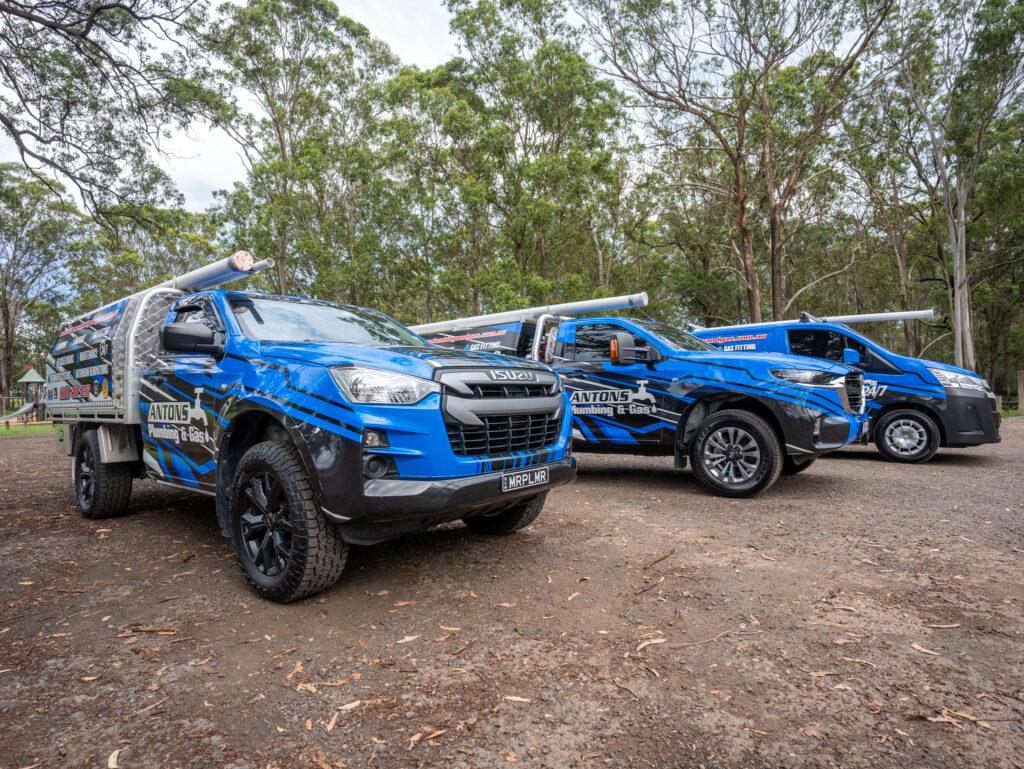
Licensed plumbers provide crucial documentation that strengthens insurance claims and speeds settlement processes. Our detailed reports include photographs, cause analysis, and repair specifications that clearly establish whether damage resulted from covered incidents. Professional documentation often makes the difference between successful claims and costly disputes with insurers.
We understand insurance requirements and format our reports to support your claim narrative effectively.
- Detailed inspection report confirming the cause, location, and extent of the plumbing failure
- Before-and-after photos documenting damage, repair work, and final condition
- Compliance certificates verifying repairs meet relevant Australian Standards and local requirements
- Materials and parts list noting product specifications, brands (where relevant), and warranty details
- Incident timeline recording when the issue was identified, when damage likely occurred, and when repairs commenced
- Itemised cost breakdown separating emergency call-out, labour, parts/materials, and any additional works for claim assessment
Our lifetime labor warranty and comprehensive documentation provide ongoing support if insurance questions arise later. This professional approach helps homeowners navigate claim processes with confidence.
Conclusion
Home and contents insurance covers sudden plumbing emergencies but excludes gradual damage and maintenance issues. Professional documentation from licensed plumbers significantly improves claim success rates and settlement speed. When plumbing emergencies strike, immediate professional response protects both your property and insurance coverage while ensuring repairs meet compliance standards.
Antons Plumbing & Gas provides 24/7 emergency plumbing response across Sydney Metro. Our licensed team helps navigate insurance claims with proper documentation and compliant workmanship. Learn more about protecting your home today.
Related Articles
FAQs
What Does Home And Contents Insurance Cover?
Home and contents insurance typically covers damage to your property and belongings caused by events such as fire, theft, and natural disasters. It may also cover emergency plumbing situations, depending on your specific policy. It’s always best to review your coverage details or consult with your insurance provider to understand what is included.
How Much Home And Contents Insurance Do I Need?
The amount of home and contents insurance you need depends on the value of your property and possessions. It’s important to assess the replacement costs and consider any renovations or improvements. Consulting with an insurance advisor can help you determine the right coverage for your situation.
Is Home And Contents Insurance Mandatory?
Home and contents insurance is not legally mandatory in Australia, but it is highly recommended to protect your investment. If you have a mortgage, your lender may require you to have building insurance as part of your loan agreement.
What Is The Difference Between Home Insurance And Contents Insurance?
Home insurance typically covers the structure of your home and any permanent fixtures, while contents insurance covers personal belongings within the home, such as furniture and electronics. Understanding the distinction can help you choose the right policies for your needs.
How Can I Reduce My Home And Contents Insurance Premium?
You can reduce your home and contents insurance premium by increasing your excess, bundling policies, installing security systems, and maintaining a good claims history. Additionally, working with experienced professionals like Antons Plumbing & Gas to prevent plumbing emergencies can help keep your home secure and reduce potential claims.