
A blocked toilet is one of those household emergencies that never happens at a convenient time. When the water starts rising and the plunger is nowhere to be found, a wire coat hanger can serve as a surprisingly effective makeshift tool to clear soft clogs near the trap. This method works best for recent blockages caused by excess toilet paper or organic waste sitting within the first 30 centimeters of your drain.
This guide walks you through how to unclog a toilet with a wire hanger safely, explains when this method will work and when it won’t, and outlines the warning signs that mean it’s time to call a licensed plumber. You’ll also learn how to protect your porcelain and how professional services like ours at Antons Plumbing & Gas can help when DIY efforts fall short.
Key Takeaways
- A straightened wire hanger wrapped with a rag can reach soft clogs within 30 cm of the toilet trap.
- This method works for recent blockages but won’t clear tree roots, collapsed pipes, or foreign objects.
- Always wrap the hook end with cloth and tape to prevent scratches on your toilet bowl.
- Rotate the wire clockwise and counterclockwise as you push to navigate the curved trap.
- If the toilet still won’t flush after several attempts, the blockage may require professional equipment.
What You Need to Unclog a Toilet with a Wire Hanger
Before you start, gather a few basic items from around your home. You’ll need a wire coat hanger, a clean rag or old towel, electrical tape or duct tape, rubber gloves, and a bucket or towel to catch any water that might splash. Having these items ready makes the process faster and keeps your bathroom cleaner.
The wire hanger should be metal, not plastic, because you need something flexible yet firm enough to push through soft blockages. The rag protects your toilet bowl from scratches and helps grip debris as you work the wire through the trap.
Preparing the Wire Hanger
Start by straightening the coat hanger completely. Untwist the hook at the top and pull the wire into a long, straight rod at least 12 inches in length. If there’s any plastic coating on the wire, remove it so the metal can flex more easily through the curves of your toilet drain.
Once straightened, take the hooked end and wrap it tightly with a clean rag. Secure the cloth with electrical tape, making sure no sharp edges are exposed. This padding prevents damage to the porcelain and gives you a better chance of hooking onto the clog.
Safety Precautions Before You Begin
Put on rubber gloves before you touch anything in or around the toilet bowl. Toilet water contains bacteria and waste that you don’t want on your hands. Lay down old towels around the base of the toilet to catch any overflow or splashes.
If the water level in the bowl is very high, use a small container to scoop out some water into a bucket. This reduces the risk of overflow and gives you more room to work. Never force the wire if you feel hard resistance, as this could scratch the porcelain or push the clog deeper into the drain.
Step-by-Step: How to Unclog a Toilet with a Wire Hanger
Now that your hanger is prepped and your workspace is protected, you’re ready to tackle the blockage. Follow these steps carefully to avoid damaging your toilet or making the clog worse. Most household clogs sit within easy reach of a straightened hanger, so this method often works on the first or second attempt.
Take your time and work gently. Rushing or using too much force can crack the porcelain or push debris further down the line where it becomes harder to reach.
1. Insert the Wrapped End into the Drain Opening
Guide the rag-wrapped end of the hanger into the drain opening at the bottom of the toilet bowl. Push gently until you feel the wire enter the curved trap. The trap is the S-shaped bend in the pipe that holds a small amount of water to block sewer gases from entering your home.
2. Rotate the Wire as You Push Deeper
As you push the wire further, rotate it clockwise and counterclockwise. This twisting motion helps the wire navigate the curve of the trap and increases your chances of breaking apart soft blockages. You’ll feel the wire flex as it moves through the bend.
3. Locate the Clog
You’ll know you’ve reached the clog when the wire suddenly meets firm resistance. At this point, try to hook the debris with the wrapped end or push through it to create a small channel for water to flow. Move the wire in and out a few times to loosen compacted material.
4. Work the Blockage Loose
Once you’ve located the clog, use a gentle back-and-forth motion to break it apart. If the blockage is soft toilet paper or organic waste, it should start to disintegrate. You might feel the resistance give way as the clog breaks up.
5. Test the Flush
Carefully remove the wire from the drain and set it aside. Flush the toilet once to see if the water drains normally. If the bowl empties quickly and refills to the correct level, you’ve cleared the clog. If the water drains slowly or backs up again, repeat the process or try a different approach.
6. Clean Up
Dispose of the rag and wire hanger in a plastic bag. Wash your hands thoroughly with soap and warm water. Wipe down the toilet bowl and surrounding area with disinfectant to remove any bacteria or residue.
7. Monitor the Toilet
Over the next few flushes, watch for signs that the clog has returned. If the toilet drains slowly or makes gurgling sounds, the blockage may not be fully cleared. In that case, you’ll need to try a different method or call a licensed plumber.
Protecting Your Toilet Bowl from Damage
Porcelain is durable but not indestructible. A sharp wire can scratch or chip the glaze, leaving permanent marks that are hard to clean and can harbor bacteria. That’s why wrapping the end of the hanger is so important.
Always use a thick rag and secure it with tape so it won’t slip off while you’re working. If you feel the wire scraping against the porcelain, stop and add more padding. It’s better to take an extra minute to protect your toilet than to pay for a replacement bowl.
If you do notice scratches or chips after using the hanger, clean the area with a non-abrasive cleaner and inspect the damage. Small surface scratches won’t affect function, but deep chips can weaken the porcelain and lead to cracks. If you’re unsure, we can inspect your toilet and advise whether repair or replacement is needed.
When a Wire Hanger Won’t Work
A wire hanger is a handy tool for soft, recent clogs, but it has limits. If the blockage sits further down the line, involves tree roots, or includes foreign objects like toys or sanitary products, a hanger won’t reach or dislodge it. Understanding these limits helps you decide when to stop trying DIY methods and call for professional help.
Here are some situations where a wire hanger won’t solve the problem.
- Deep blockages: If the clog is more than 30 cm down the drain, the hanger won’t reach it. You’ll need a longer tool like a plumber’s snake or auger.
- Tree roots: In older Sydney homes with clay pipes, tree roots can invade the sewer line and create stubborn blockages. A hanger can’t cut through roots.
- Foreign objects: Items like nappies, wet wipes, or children’s toys can wedge deep in the drain and require professional extraction.
- Collapsed pipes: If your drain line has collapsed or shifted, no amount of snaking will clear the blockage. You’ll need a CCTV drain inspection to diagnose the issue.
- Recurring clogs: If your toilet blocks repeatedly, the problem may be a venting issue, low water pressure, or a partial obstruction further down the line.
If you’ve tried the wire hanger method twice and the toilet still won’t drain, stop and call a licensed plumber. Continuing to push the wire can damage your pipes or push the clog deeper. Our team at Antons Plumbing & Gas responds same-day across Sydney and can diagnose the root cause with CCTV inspection and clear even the toughest blockages with professional equipment.
Why Choose Antons Plumbing & Gas for Blocked Drains
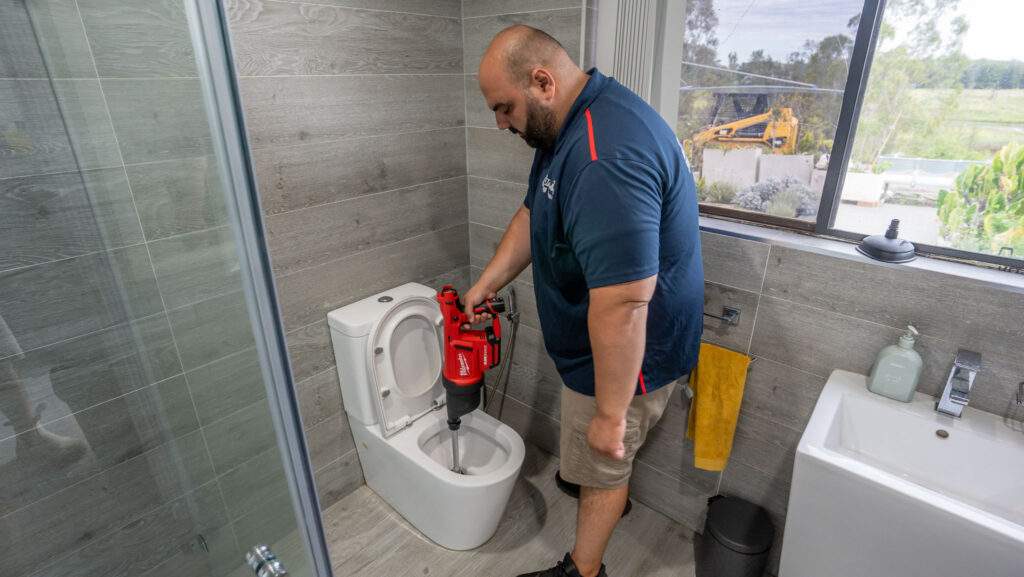
When DIY methods fail, you need a licensed plumber who can diagnose and fix the problem fast. We’ve been serving Sydney families and businesses for over 25 years, and we know how stressful a blocked toilet can be. That’s why we offer same-day service, upfront fixed-rate pricing, and a lifetime labour warranty on every job.
Our team carries professional-grade equipment including CCTV cameras, hydro-jetters, and electric augers to clear even the toughest blockages. We don’t just treat the symptoms. We find the root cause and present clear options so you can make an informed decision.
We serve the entire Sydney Metro, including the Inner West, Eastern Suburbs, North Shore, Northern Beaches, Hills District, Western and South-Western Sydney, and Sutherland Shire. Our work complies with NSW Fair Trading licensing requirements and relevant Australian Standards, and we operate under Lic: 210933C. If you need help with a blocked toilet or any other plumbing issue, call us on 0493 824 176 or book online. We’re available 24/7, with no call-out fee.
Conclusion
A wire hanger can be a lifesaver when your toilet blocks and you don’t have a plunger on hand. Wrap the hook end with a rag, work gently through the trap, and you’ll often clear soft clogs in minutes. If the blockage won’t budge or keeps coming back, it’s time to call a licensed plumber who can diagnose and fix the underlying issue for good.
Antons Plumbing & Gas offers expert blocked drain solutions across Sydney with same-day service available. Our licensed team clears stubborn clogs safely when DIY methods fail. Call 0493 824 176 to get started today.
Related Articles
- Toilet Snake vs Drain Snake: What’s the Difference and Which One Should You Use?
- Toilet Auger vs Plunger: Which Tool Saves You Time and Money?
- How to Fix a Toilet That Won’t Flush Without Professional Tools
FAQs
Can A Wire Hanger Really Unclog A Toilet?
Yes, a wire hanger can be effective in unclogging a toilet by breaking up or dislodging minor blockages. However, it requires careful handling to avoid damaging the toilet bowl or pipes. If you’re unsure, it’s best to call in our experienced team at Antons Plumbing & Gas for safe and reliable solutions.
What Is The Best Way To Use A Wire Hanger To Unclog A Toilet?
To use a wire hanger effectively, straighten it out, leaving a small hook at one end. Carefully insert the hook into the toilet drain and gently maneuver it to break up the blockage. Be cautious not to scratch the porcelain. If the clog persists, our expert plumbers are just a phone call away for professional assistance.
Are There Any Risks To Using A Wire Hanger For Unclogging?
Yes, there are risks involved with using a wire hanger, including potential damage to the toilet’s internal components or scratching the porcelain. Additionally, if the clog is severe, using a hanger may not resolve the issue, leading to more extensive plumbing work. It’s often safer to rely on professionals like Antons Plumbing & Gas for complex clogs.
What Other Tools Can I Use To Unclog A Toilet?
Other effective tools for unclogging a toilet include a plunger, a toilet auger (or snake), and a wet/dry vacuum. Each tool serves a specific purpose and can be more effective than a wire hanger. For persistent clogs, our skilled team is equipped with the right tools and expertise to resolve the issue efficiently.
How Do I Prevent My Toilet From Clogging In The Future?
To prevent future clogs, avoid flushing anything other than toilet paper and waste. Regular maintenance, such as checking for leaks and ensuring proper water flow, can also help. If you notice recurring issues, consult with our experienced plumbers at Antons Plumbing & Gas to identify underlying problems and implement effective solutions.