


A stuck kitchen tap hose attachment can turn a simple repair into a frustrating ordeal. Whether you need to remove a stuck kitchen tap hose attachment, replace a worn pull-out sprayer or fix a leak, a seized connection can halt your progress and risk damaging the entire tap assembly. Corrosion, mineral build-up from Sydney’s water supply and over-tightened threads are common culprits that bond metal and plastic components together over time.
This guide walks you through safe, step-by-step methods to free a stuck hose attachment, explains when to use penetrating oils and tools, and helps you recognise the point where professional help prevents costly mistakes. You’ll also learn how to protect your tap during removal and avoid future seizing.
Key Takeaways
- Penetrating oil and patience are your first line of defence against corrosion and mineral deposits.
- Supporting the tap body with one hand or a wrench prevents twisting damage to mounting hardware.
- Quick-connect fittings require a different approach than threaded connections.
- Cutting the hose end is a last resort that still preserves the tap body for reuse.
- Professional plumbers carry specialised tools and replacement parts for same-day resolution.
Understanding Why Kitchen Tap Hose Attachments Seize
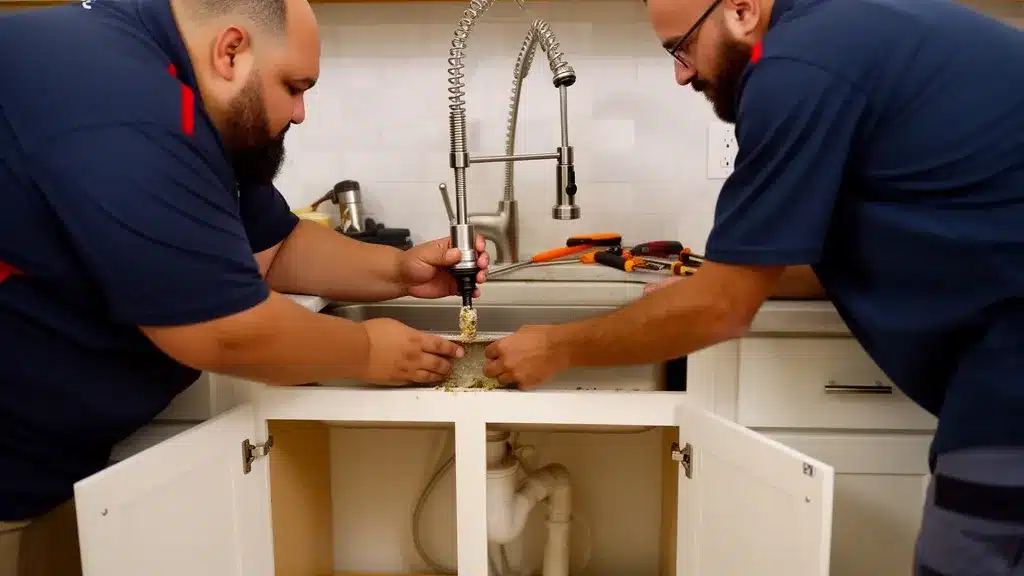
Kitchen tap hoses connect to the spout or valve body using either threaded fittings or quick-connect couplings. Over months and years, water minerals, soap residue, and natural oxidation create a bond stronger than the original hand-tight seal. Sydney’s water supply varies in hardness across suburbs, and properties in areas with higher mineral content see faster build-up inside threaded connections.
Threaded attachments use metal or brass nuts that screw onto matching threads. When moisture sits in those threads, galvanic corrosion can weld dissimilar metals together. Quick-connect fittings rely on O-rings and locking tabs, these can stiffen or stick if sediment works its way into the collar.
Temperature cycling also plays a role. Hot water expands metal slightly, then it contracts as it cools. Repeated expansion and contraction can tighten threads beyond what you applied during installation. If the hose was over-torqued initially, removing it becomes even harder.
How to Remove a Stuck Kitchen Tap Hose Attachment
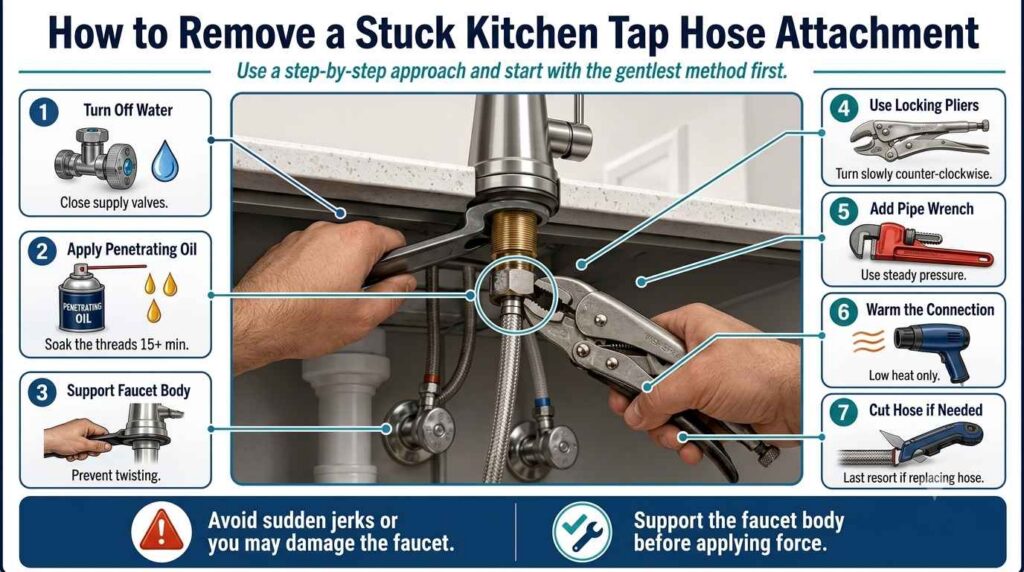
Threaded connections are the most common source of frustration. The good news is that a methodical approach usually succeeds without breaking anything. Start with the least aggressive technique and work your way up only if needed.
1. Turn Off the Water Supply
Locate the shut-off valves under your sink and turn them clockwise until fully closed. Open the tap handle to release any residual pressure in the lines. This step prevents unexpected spray if a fitting suddenly breaks free.
2. Apply Penetrating Oil Generously
Spray a quality penetrating lubricant around the base of the threaded connection where the hose nut meets the tap body. Products designed to break rust and corrosion work best. Let the oil soak for at least 15 minutes, longer if the connection has been in place for years. Reapply every few minutes to keep the threads saturated.
3. Support the Tap Body
Place one hand firmly on the spout or valve body to prevent it from twisting. If you’re working alone, use a second wrench on the tap shank beneath the sink to anchor it. Twisting the tap body can crack the sink deck seal or loosen mounting nuts you can’t easily reach.
4. Use Locking Pliers on the Hose Nut
Grip the hexagonal nut at the base of the hose with adjustable locking pliers or a small pipe wrench. Turn counter-clockwise slowly and steadily. Avoid jerking motions that can strip the nut or snap the hose. If the nut doesn’t budge after moderate force, stop and apply more penetrating oil.
5. Add Leverage With a Pipe Wrench
For severely stuck connections, slide a pipe wrench onto the hose nut for extra leverage. Keep your support hand or wrench firmly on the tap body. Apply steady pressure rather than sudden yanks. You may feel the connection crack slightly as corrosion breaks, that’s normal.
6. Heat the Connection (Optional)
If chemical penetration and mechanical force both fail, gentle heat can expand the metal enough to break the bond. Use a hairdryer or heat gun on a low setting, never an open flame near plastic hoses or O-rings. Warm the nut for 30 seconds, then try turning again while the metal is still warm.
7. Cut the Hose as a Last Resort
When all else fails and you plan to replace the hose anyway, cut the hose itself about 5cm from the nut. This removes the weight and flex of the hose, making it easier to grip and turn the remaining stub. Use a sharp Stanley knife and cut carefully to avoid scoring the tap threads underneath.
Removing Quick-Connect Kitchen Tap Hose Attachments
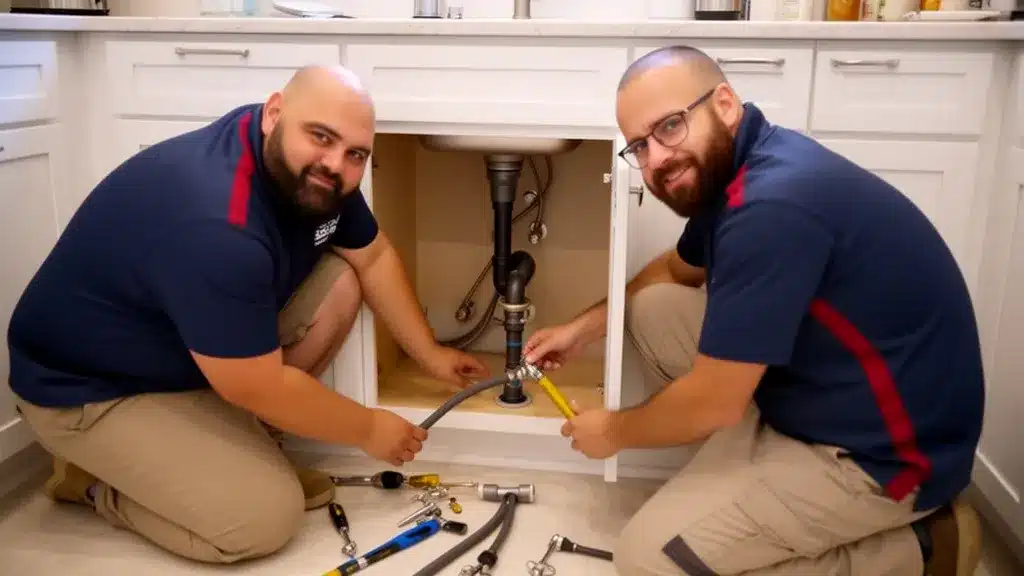
Quick-connect fittings eliminate threads but introduce their own sticking points. These couplings use a plastic or metal collar with internal tabs that lock onto a grooved spud. Mineral deposits or a swollen O-ring can make the release mechanism stiff or unresponsive.
Most quick-connects require you to push the collar upward while pulling the hose downward. If the collar won’t move, spray penetrating oil around its base and let it soak. Wiggle the hose gently side to side as you push the collar, this can help dislodge sediment trapped in the locking groove.
| Connection Type | Common Cause of Seizing | Best Removal Method |
|---|---|---|
| Threaded brass nut | Corrosion and mineral build-up | Penetrating oil, locking pliers, pipe wrench |
| Quick-connect collar | Swollen O-ring, sediment in groove | Penetrating oil, upward push on collar, wiggle hose |
| Plastic threaded fitting | Cross-threading, over-tightening | Gentle heat, plastic-safe lubricant, careful pliers |
Some designs include a separate release tool or require you to depress a button. Check the manufacturer’s documentation if you’re unsure which style you have. Forcing a quick-connect without releasing the lock can crack the collar or damage the spud, turning a simple disconnect into a full tap replacement.
Common Mistakes That Damage Taps During Hose Removal
Rushing the job or using the wrong tools can turn a stuck hose into a broken tap. Here are the pitfalls we see most often in Sydney homes and how to avoid them.
- Twisting the entire tap body: Without proper support, the torque you apply to the hose nut transfers up through the tap and can crack the sink deck seal or loosen the mounting hardware beneath. Always anchor the tap with your free hand or a second wrench.
- Using excessive force too quickly: Penetrating oil needs time to work. Applying maximum leverage before the corrosion has softened often strips the nut or snaps the hose fitting. Patience saves hardware.
- Ignoring the connection type: Treating a quick-connect like a threaded fitting, or vice versa, guarantees damage. Spend a minute identifying your attachment style before you start.
- Applying open flame: Direct flame can melt plastic components, damage rubber O-rings, and even crack porcelain sinks. If you need heat, use a controlled source like a heat gun on low.
- Cutting the hose too close to the nut: Leaving only a stub makes it nearly impossible to grip and turn. Cut at least 5cm away so you have material to hold with pliers.
How to Prevent Future Kitchen Tap Hose Seizing
Once you’ve freed the stuck attachment, a few simple habits will keep your next hose change straightforward. Prevention is easier than another round of penetrating oil and wrenches.
Apply a thin layer of plumber’s grease or silicone lubricant to the threads before you install a new hose. This creates a moisture barrier that slows corrosion and makes future removal much easier. Avoid petroleum-based greases that can degrade rubber O-rings.
Hand-tighten threaded connections, then add only a quarter turn with pliers. Over-tightening compresses O-rings excessively and makes removal harder without improving the seal. Most modern tap hoses are designed to seal with moderate pressure.
Sydney’s water hardness varies by suburb, so if your area has particularly hard water, consider a simple under-sink filter or periodic descaling. Mineral build-up accelerates corrosion and stiffens moving parts throughout your plumbing. You might be wondering whether a whole-house water softener is worth it, for kitchen taps alone, probably not, but an inline cartridge filter is inexpensive and effective.
Check hose connections once a year for early signs of corrosion or weeping. A small drip today indicates a problem you can fix before it becomes a seized fitting tomorrow. Tighten gently if needed, but if you see white or green deposits forming, clean and re-grease the threads.
When to Call a Professional Plumber for a Stuck Tap Hose
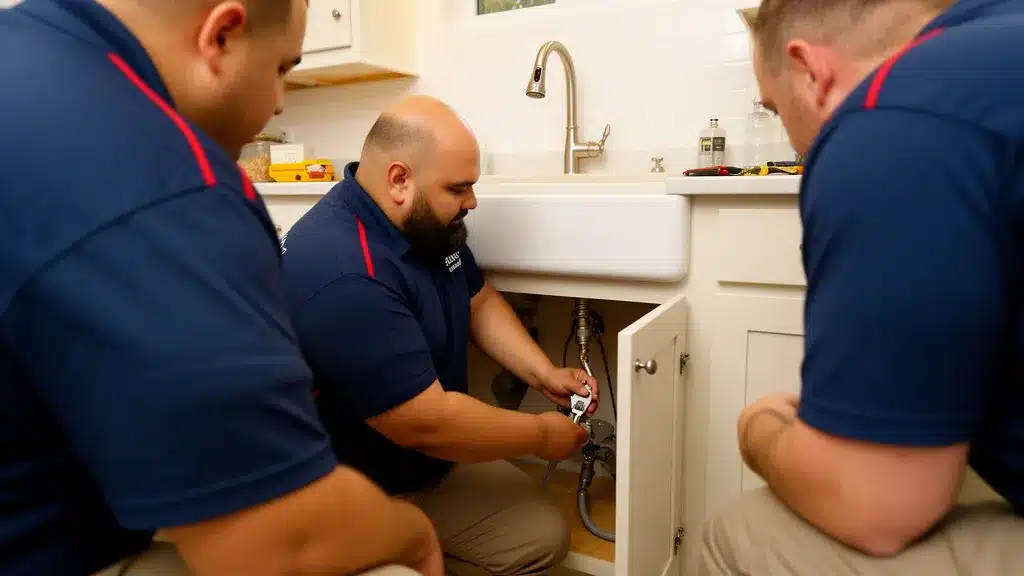
Some situations call for professional tools and experience. Knowing when to stop prevents damage that turns a simple hose swap into a full tap replacement or sink repair.
As a general rule, if you’ve tried the steps above without success, or the fitting is connected to fixed pipework rather than a flexible hose, it’s time to call a licensed Sydney plumber. Anton’s Plumbing & Gas holds NSW Lic. 210933C, so any repair or alteration we carry out meets NSW Fair Trading licensing requirements and, where relevant, Sydney Water’s rules for work connected to the mains supply.
If you’ve applied penetrating oil, waited, and used appropriate wrenches without success, continuing risks cracking the tap body or stripping threads beyond repair. We carry specialised extractors and can often save a tap that seems hopeless. Our team also stocks a wide range of replacement hoses and fittings, so if the old connection does break, we complete the repair in the same visit.
Taps mounted in tight spaces, like corner sinks or under low cabinets, make it hard to apply even force or see what you’re doing. A plumber’s mirror, right-angle wrenches, and years of experience working in awkward positions make the job faster and safer.
Older or high-end taps sometimes use proprietary quick-connect designs that require manufacturer-specific tools. If you can’t identify your fitting style or don’t have the release tool, we can source the correct part and handle the swap without guesswork.
We respond same-day across Sydney, from the Inner West to the Sutherland Shire, and can also assist homeowners looking for a trusted plumber Kellyville Ridge for kitchen tap, hose, and general plumbing repairs. If your stuck hose is part of a larger leak or you’re mid-renovation and need the sink operational quickly, our fixed-rate pricing (quoted upfront in AUD) and lifetime labour warranty mean you know the cost before we start and the work is covered long-term.
Related Removal Challenges in the Kitchen and Bathroom
Stuck fittings aren’t unique to faucet hoses. The same principles of penetrating oil, patience, and proper support apply to other common household removal tasks. Understanding these techniques builds your confidence for a range of repairs.
If you’re dealing with sticker residue on a new faucet or appliance, rubbing alcohol or a citrus-based adhesive remover works well. Let it soak, then scrape gently with a plastic scraper to avoid scratching chrome or stainless steel. For stubborn labels, heat from a hairdryer softens the adhesive.
Removing rust from metal fixtures, including faucet bases and mounting hardware, often requires a wire brush and rust converter. Light surface rust responds to white vinegar soaks, while deeper oxidation may need a chemical rust remover. Protect surrounding finishes with masking tape before you start scrubbing.
Super glue on countertops or sink edges can be dissolved with acetone, but test in an inconspicuous spot first since acetone can damage some plastics and laminates. For smaller drips, a razor blade held at a low angle usually lifts cured adhesive without scratching.
Removing a toilet seat is simpler than a faucet hose but can also seize due to rust on the metal bolts. Spray penetrating oil on the bolt threads under the bowl, wait, then use a deep socket or locking pliers. If the bolt spins without loosening, hold the nut underneath with pliers while you turn the top.
Why Antons Plumbing & Gas Is Your Trusted Partner for Tap Repairs
We’ve spent over 25 years diagnosing and repairing plumbing issues across Sydney, and stuck tap hoses are a regular part of our work. Our licensed plumbers carry the right tools, from specialty wrenches to manufacturer-specific release keys, making us a reliable choice if you need a plumber North Rocks for stuck tap hoses, leaking fittings, or kitchen plumbing repairs.
When you call us for a stuck hose attachment, we don’t just force it free. We inspect the tap body, check for hidden leaks, and explain whether repair or replacement makes the most sense for your situation. Our fixed-rate pricing means you know the cost before we start, and our lifetime labour warranty covers the workmanship long after we leave.
We serve the entire Sydney Metro, including the Inner West, Eastern Suburbs, North Shore, Northern Beaches, Hills District, and Western and South-Western Sydney, helping with tap repairs, leaks, blocked drains, and urgent burst pipes Sydney plumbing issues. Same-day service is standard, and our 24/7 emergency line on +61 493 824 176 is always answered by a real person, not a voicemail system.
Every job complies with NSW Fair Trading licensing requirements (Anton’s Plumbing & Gas holds NSW Lic. 210933C) and relevant Australian Standards for plumbing, as well as Sydney Water’s requirements for any work connected to the mains supply. We document our findings, use quality parts from trusted brands, and leave your workspace clean. Whether you’re a homeowner tackling a DIY repair that’s gone sideways or a strata manager coordinating maintenance across multiple units, we tailor our approach to your timeline and budget.
Conclusion
Removing a stuck kitchen tap hose attachment takes patience, the right tools, and a careful approach to avoid damaging the tap body or plumbing connections. Starting with penetrating oil, proper support, and gentle pressure can often free the attachment safely. If the hose remains stuck, forcing it may lead to stripped threads, cracked fittings, or a more expensive repair.
If you need help removing a stuck kitchen tap hose attachment, Anton’s Plumbing & Gas can inspect the issue and complete the repair safely. Our licensed plumbers provide reliable kitchen plumbing repairs across Sydney with the right tools, replacement parts, and clear upfront pricing in AUD. Call +61 493 824 176 today to book professional tap repair service and get your kitchen sink working properly again.
Related Articles
- How to Tell If an Outdoor Spigot Is Threaded or Soldered
- Water Leaking Through Ceiling: Is It a Plumbing Emergency?
- Chlorinated Water and Copper PEX Pipes: What Homeowners Should Know
FAQs
How Do You Remove A Stuck Kitchen Tap Hose?
To remove a stuck kitchen tap hose, first turn off the water supply. Then grip the hose firmly and twist it gently to break any seal or debris causing the stickiness. If it still won’t budge, consider applying a penetrating oil, allowing it to sit for a few minutes before attempting to twist again. If you’re unsure or need assistance, our experienced team at Anton’s Plumbing & Gas can help resolve the issue safely.
What Tools Do I Need To Remove A Stuck Tap Hose Attachment?
You typically need an adjustable wrench or pliers, a spray lubricant, and possibly a towel to catch any drips. Having a torch can also help you see better under the sink. If the task seems daunting, our skilled plumbers are equipped with the right tools and expertise to handle stuck hoses efficiently.
Why Is My Kitchen Tap Hose Stuck?
A kitchen tap hose may become stuck due to mineral build-up, corrosion, or improper installation. Over time, debris can accumulate, making the connection tight. If you encounter this issue frequently, it may be worth having a professional inspection to avoid further complications.
How Can I Loosen A Stuck Tap Hose Connection?
To loosen a stuck tap hose connection, start by applying a penetrating oil to the joints and let it sit for a few minutes. Then use an adjustable wrench to gently turn the connection. If it remains stuck, don’t hesitate to contact Anton’s Plumbing & Gas, where our team can safely address the problem without damaging your plumbing.
Is There A Way To Prevent My Tap Hose From Getting Stuck?
Yes, regular maintenance can help prevent your tap hose from getting stuck. Periodically check for mineral build-up and clean the connections. Additionally, ensure proper installation and avoid overtightening the hose. If you’d like professional assistance or advice, our experienced plumbers at Anton’s Plumbing & Gas are here to help ensure your plumbing remains in top condition.
Do I Need A Licensed Plumber To Fix A Stuck Kitchen Tap Hose In Sydney?
For a simple flexible hose swap under the sink, most Sydney homeowners can legally do the work themselves. But if the fitting is connected to fixed pipework, or you’re not confident isolating the water supply, NSW regulations require the work to be carried out by a licensed plumber. Anton’s Plumbing & Gas (NSW Lic. 210933C) can take over safely and quickly, call +61 493 824 176 to book.
How Fast Can Anton’s Plumbing & Gas Get To My Sydney Home?
We offer same-day service across the Sydney Metro area, from the Inner West and Eastern Suburbs to the Hills District and South-Western Sydney. Call our 24/7 line on +61 493 824 176 and we’ll arrange the earliest available appointment.
Is Anton’s Plumbing & Gas Available For Emergency Call-Outs After Hours?
Yes. Our emergency line is answered 24/7 by a real person, not a voicemail system. If your stuck tap hose has turned into a leak or a burst fitting, call +61 493 824 176 any time, day or night.
What Sydney Suburbs Do You Cover For Kitchen Tap And Hose Repairs?
We service the entire Sydney Metro, including the Inner West, Eastern Suburbs, North Shore, Northern Beaches, Hills District, and Western and South-Western Sydney. If you’re unsure whether we cover your suburb, just give us a call and we’ll confirm.
How Much Does It Cost To Have A Plumber Remove A Stuck Tap Hose?
We provide a fixed-rate quote in AUD before any work begins, so you know the exact cost upfront with no surprises. Pricing depends on the connection type and whether replacement parts are needed, call us for an obligation-free quote.
Is Anton’s Plumbing & Gas Fully Licensed And Insured?
Yes, we operate under NSW Lic. 210933C and carry full insurance, so every repair meets NSW Fair Trading and Sydney Water requirements.
What Warranty Comes With A Tap Hose Repair?
All our workmanship is covered by a lifetime labour warranty, so if an issue recurs with our repair, we’ll come back and fix it at no extra labour cost.
Can You Replace My Whole Kitchen Tap If The Hose Can’t Be Saved?
Absolutely. If the hose or tap body is damaged beyond repair, our plumbers carry a range of replacement taps and fittings and can usually complete a full replacement in the same visit.
Do You Stock Parts For All Tap Brands?
We carry a wide range of common replacement hoses, O-rings, and quick-connect fittings, and can source manufacturer-specific parts for less common or older tap brands if needed.
How Do I Book A Plumber For A Stuck Tap Hose In Sydney?
Simply call +61 493 824 176 or use our online booking form. We’ll confirm a same-day appointment window and our licensed plumber will arrive ready to diagnose and fix the issue.
What Should I Do While I Wait For The Plumber To Arrive?
Turn off the water supply at the shut-off valves under the sink if you haven’t already, and avoid applying further force to the stuck fitting. This prevents further damage before we arrive.
Will A DIY Tap Hose Repair Affect My Sydney Water Compliance?
Minor work on a flexible hose downstream of your tapware generally doesn’t require Sydney Water notification. However, any alteration to fixed pipework should be carried out by a licensed plumber to remain compliant with NSW regulations.
Can A Stuck Tap Hose Left Too Long Cause Water Damage?
Yes. A seized or leaking connection can lead to slow leaks under the sink, cabinet damage, and even mould. If you notice moisture pooling, it’s best to call a licensed plumber promptly rather than wait.
Do You Provide A Written Quote Before Starting Work?
Yes, we always confirm a fixed-rate price before starting, so you can approve the cost with no obligation to proceed if you’d like to think it over.
Can Anton’s Plumbing & Gas Handle Other Plumbing Issues Found On Site?
Yes. Since our plumbers arrive with a fully stocked vehicle, we can typically address other issues, such as leaks, blocked drains, or worn fittings, in the same visit as your tap hose repair.