
Blocked drains are one of the most frustrating household problems Sydney homeowners face. Water backing up in your sink, shower, or bathroom can disrupt daily routines and create hygiene concerns if not addressed quickly.
This guide covers safe DIY methods to clear minor blockages using natural drain cleaners and simple tools, plus when to call professional plumbers. You’ll learn step-by-step techniques on how to clear a blocked drain in order to protect your pipes while effectively removing common clogs.
Key Takeaways
- Hot water flushes and natural drain cleaner solutions clear most minor blockages safely.
- Baking soda and vinegar create an effective blocked drain cleaner without harsh chemicals.
- Plungers and drain snakes provide mechanical solutions for stubborn surface clogs.
- Professional hydro-jetting and CCTV inspections handle recurring or deep blockages.
- Chemical drain cleaners from Bunnings can damage pipes and should be avoided.
- Licensed plumbers use specialized equipment to diagnose root causes safely.
The safest approach to clearing blocked drains starts with simple, natural methods that won’t damage your plumbing system.
Safe DIY Methods to Clear a Blocked Drain
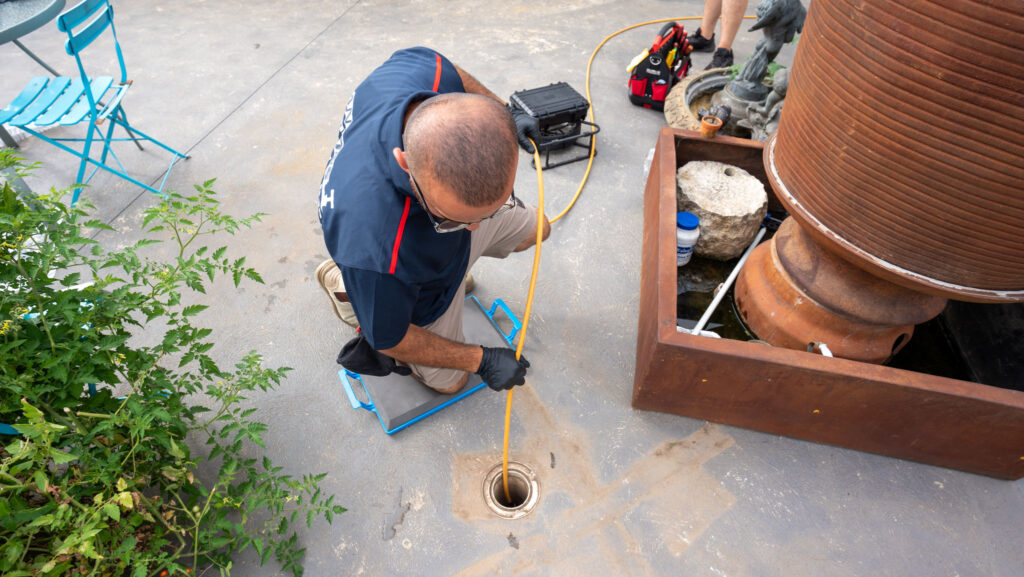
Natural drain cleaning methods protect your pipes while effectively removing minor blockages. These techniques use common household items and avoid the pipe damage risks associated with chemical cleaners. Most blockages respond well to these gentle approaches when applied correctly.
1. Hot Water Flush Method
Pour a large pot of boiling water slowly down the drain in 2-3 stages. This simple technique dissolves soap scum, grease buildup, and loose debris that commonly cause kitchen and bathroom blockages.
2. Salt and Hot Water Treatment
Mix half a cup of salt with boiling water and pour down the drain. Let it sit for 10 minutes before flushing with more hot water to break down organic matter and minor obstructions.
3. Baking Soda and Vinegar Drain Cleaner
Combine one cup of baking soda with one cup of white vinegar for an effective natural blocked drain cleaner. The fizzing reaction helps break down buildup while being completely safe for all pipe materials.
4. Baking Soda and Salt Combination
Mix half a cup each of baking soda and salt, pour down the drain, then follow with boiling water after 30 minutes. This creates a powerful yet gentle cleaning action that removes stubborn residue.
5. Dish Soap and Hot Water
Squeeze several drops of liquid dish soap down the drain followed by hot water. This method works particularly well for grease-related blockages in kitchen sinks.
6. Manual Plunger Technique
Use a cup-style plunger with 6 even thrusts while maintaining a proper seal around the drain opening. This mechanical approach dislodges clogs without introducing any chemicals to your plumbing system.
These natural methods work best on fresh blockages and regular maintenance cleaning. For persistent problems, mechanical tools or professional intervention may be necessary.
When DIY Drain Cleaner Methods Aren’t Enough
Some blockages require more than natural drain cleaners and basic tools to resolve effectively. Recognizing when to move beyond DIY approaches can save time and prevent potential damage to your plumbing system. Professional intervention becomes necessary when blockages are deep, recurring, or caused by structural issues.
Multiple failed attempts with different natural methods often indicate a more serious underlying problem. Tree root intrusion, collapsed pipes, or severe buildup may require specialized equipment and expertise to address properly.
Signs You Need Professional Help
- Multiple drains backing up simultaneously – indicates main sewer line blockage
- Sewage odors – suggests serious blockage or ventilation issues
- Water backing up in other fixtures – shows interconnected drainage problems
- Gurgling sounds from drains – indicates air trapped by blockages
- Recurring blockages after clearing – suggests root cause remains unaddressed
- Slow drainage despite multiple treatments – indicates partial blockage or pipe damage
At Antons Plumbing & Gas, we use professional-grade equipment to diagnose and clear stubborn blockages that DIY methods cannot resolve. Our CCTV drain inspections identify root causes while hydro-jetting provides thorough cleaning without pipe damage.
Professional Drain Cleaning Methods vs Store-Bought Solutions
Professional drain cleaning techniques offer superior results compared to chemical drain cleaners available at Bunnings or other retailers. Licensed plumbers use specialized equipment designed to clear blockages thoroughly while protecting your plumbing infrastructure. Understanding these differences helps homeowners make informed decisions about drain maintenance.
Chemical drain cleaners pose significant risks to pipes, especially in older Sydney homes with clay or cast iron plumbing systems.
| Method | Effectiveness | Pipe Safety | Cost | Longevity |
|---|---|---|---|---|
| Bunnings Drain Cleaner | Limited | Pipe damage risk | $10-25 | Temporary |
| Natural DIY Methods | Good for minor clogs | Completely safe | Under $5 | Short-term |
| Professional Hydro-jetting | Excellent | Pipe-safe when done correctly | Varies | Long-lasting |
| CCTV + Mechanical Clearing | Targets root cause | Minimal risk | Varies | Addresses underlying issues |
Professional methods like hydro-jetting use high-pressure water at 7,000 psi to thoroughly clean pipes without chemical damage. CCTV inspections reveal the exact location and nature of blockages, allowing targeted treatment rather than guesswork.
We approach each blocked drain with diagnostic equipment first, ensuring the most appropriate clearing method for your specific situation. This prevents unnecessary pipe damage while achieving lasting results.
Understanding Different Types of Drain Blockages
Different blockage types require specific clearing approaches for effective resolution. Kitchen drains typically suffer from grease and food particle buildup, while bathroom drains deal with hair, soap scum, and personal care product residue. Identifying the blockage type helps determine the most appropriate clearing method.
Sydney’s older suburbs often have clay pipe systems that are more susceptible to tree root intrusion and structural damage. These situations require professional assessment to avoid costly repairs from inappropriate clearing attempts.
Grease and Food Blockages
Kitchen sink blockages usually result from cooking oil, food scraps, and grease that solidify in pipes. Hot water and dish soap work well for fresh grease buildup, but older accumulations may require mechanical removal.
Hair and Soap Scum Blockages
Bathroom drains collect hair, soap residue, and personal care products that create dense clogs. Natural enzyme cleaners or manual removal with drain snakes prove most effective for these organic blockages.
Tree Root Intrusions
Clay pipes in established Sydney neighborhoods face root penetration from mature trees seeking moisture. These blockages require professional hydro-jetting or pipe relining to resolve permanently without excavation.
Foreign Object Blockages
Items accidentally dropped down drains need mechanical removal rather than chemical treatment. Attempting to dissolve or push these objects deeper often worsens the problem.
Mineral Buildup Blockages
Hard water areas develop mineral deposits that gradually restrict water flow. These require specific treatment approaches different from organic blockages.
Professional diagnosis prevents inappropriate treatment methods that could worsen blockages or damage pipes unnecessarily.
Preventing Future Drain Blockages
Prevention strategies significantly reduce the frequency and severity of drain blockages in Sydney homes. Regular maintenance using safe methods keeps drains flowing freely while protecting pipe integrity. Simple habit changes and periodic cleaning prevent most common blockage causes.
Understanding what should and shouldn’t go down drains prevents many blockage situations before they develop.
- Weekly hot water flushes prevent grease and soap buildup
- Drain screens catch hair and debris before entering pipes
- Proper grease disposal in bins rather than sinks
- Regular natural cleaning with baking soda and vinegar
- Avoiding chemical cleaners that damage pipes over time
- Professional inspections for older properties with clay pipes
Monthly maintenance with natural drain cleaners keeps pipes clear without the harsh effects of chemical alternatives. This proactive approach costs less than emergency blockage clearing and extends plumbing system life.
For properties with recurring issues, our team provides customized maintenance schedules based on your specific drainage challenges and pipe materials. Same-day service ensures problems get addressed before becoming major blockages.
Safety Considerations When Clearing Blocked Drains
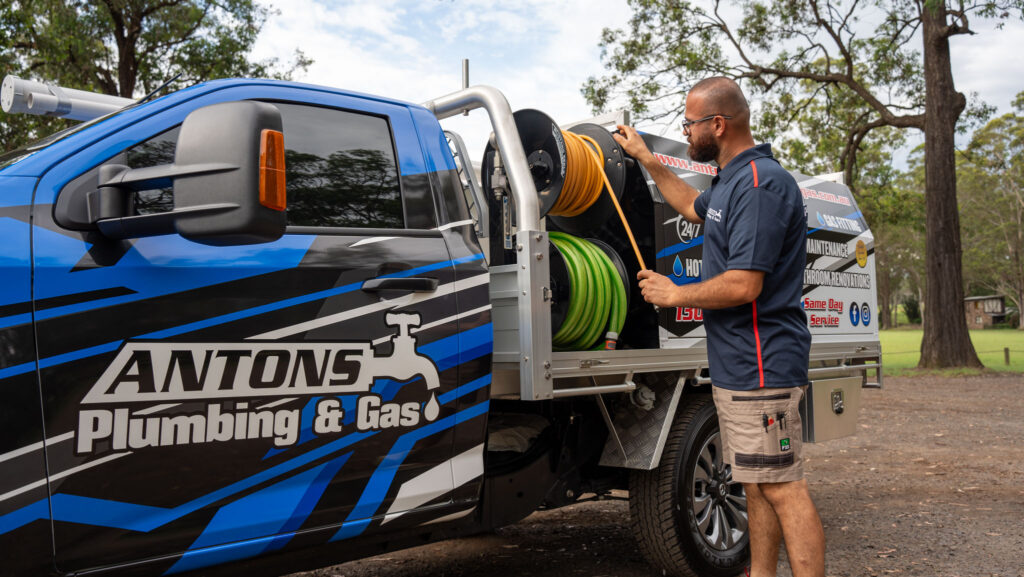
Safety must be the primary concern when attempting any drain clearing method. Chemical drain cleaners pose serious risks to skin, eyes, and respiratory systems while potentially damaging plumbing fixtures. Natural methods eliminate these health hazards while providing effective cleaning action.
Proper ventilation becomes crucial when using any drain cleaning method, even natural ones. Steam from hot water can cause burns if proper precautions aren’t taken during the clearing process.
Chemical Drain Cleaner Risks
Products containing sulfuric acid or sodium hydroxide can cause severe burns and pipe damage. These chemicals also create toxic fumes that pose respiratory risks in enclosed bathroom spaces.
Hot Water Safety
Boiling water can cause burns and may crack porcelain fixtures if poured too quickly. Pour slowly and wear protective equipment to prevent accidental contact with hot water or steam.
Tool Safety
Drain snakes and plungers require proper technique to avoid injury or pipe damage. Excessive force can push blockages deeper or damage pipe joints in older plumbing systems.
When to Stop DIY Attempts
Multiple failed attempts often indicate problems beyond DIY capabilities. Continuing aggressive clearing attempts can worsen blockages or damage pipes, leading to more expensive repairs.
Licensed professionals have the training and equipment to handle complex blockages safely. We follow Australian Standards for all drain clearing work, ensuring both effectiveness and safety compliance.
Conclusion
Clearing blocked drains safely starts with natural methods that protect both your pipes and your health. Professional intervention becomes necessary when DIY approaches fail to resolve recurring or complex blockages. Smart maintenance prevents most drainage problems while keeping costs manageable for Sydney homeowners.
When DIY methods fail, Antons Plumbing & Gas offers professional blocked drain solutions with CCTV inspections. Our 25+ years of experience ensures we find and fix the root cause. Get started with same-day service today.
Related Articles
- How Much Do Plumbers Usually Charge per Hour?
- Plumbing Maintenance: Top Tips for Smart Homeowners in Sydney
FAQs
What Are The Common Causes Of A Blocked Drain?
Common causes of a blocked drain include buildup of hair, grease, food particles, soap residue, tree roots invading pipes, and foreign objects accidentally flushed down toilets. At Antons Plumbing & Gas, we can quickly identify the root cause of your blockage and provide effective solutions.
How Can I Unblock A Drain Naturally?
To unblock a drain naturally, you can try pouring a mixture of baking soda and vinegar down the drain, followed by hot water. This can help break down minor clogs. For persistent blockages, professional assistance from our experienced team may be necessary to ensure a thorough and safe resolution.
When Should I Call A Plumber For A Blocked Drain?
You should call a plumber for a blocked drain if the blockage persists after DIY attempts, if you notice multiple drains backing up, or if you experience unpleasant odors. Our licensed plumbers at Antons Plumbing & Gas are available for same-day service to address any urgent plumbing issues.
What Tools Do I Need To Clear A Blocked Drain?
Common tools to clear a blocked drain include a plunger, drain snake, or a wet/dry vacuum. However, using specialized equipment like CCTV cameras for inspections is often best left to professionals. Our team has the right tools and expertise to handle any blockage effectively.
How Can I Prevent My Drain From Getting Blocked Again?
To prevent future blockages, avoid disposing of grease, coffee grounds, and food scraps down the sink, use drain guards to catch hair, and schedule regular plumbing maintenance. Antons Plumbing & Gas can provide preventative solutions and advice tailored to your home’s needs.