
Hidden water leaks can turn your home into a mystery crime scene. You notice damp spots on walls, catch whiffs of musty smells, or get shocked by an unexpectedly high water bill, but the source remains invisible. The good news is that modern plumbers have sophisticated tools and techniques to locate these sneaky leaks without turning your home into a construction zone.
This guide will walk you through the warning signs of hidden leaks, explain the non-invasive detection methods professional plumbers use, and show you what simple checks you can do yourself before calling for help.
Key Takeaways
- Professional plumbers use acoustic listening devices, thermal imaging, and moisture meters to find leaks without damage.
- Hydrogen tracer gas and electronic leak detection can pinpoint tiny leaks behind walls or under concrete.
- Simple meter tests and visual inspections help homeowners identify potential leak areas safely.
- Non-invasive leak detection saves money by avoiding unnecessary demolition and repair costs.
- Licensed plumbers combine multiple detection methods for accurate leak location and diagnosis.
Signs You May Have a Hidden Water Leak in Your Home
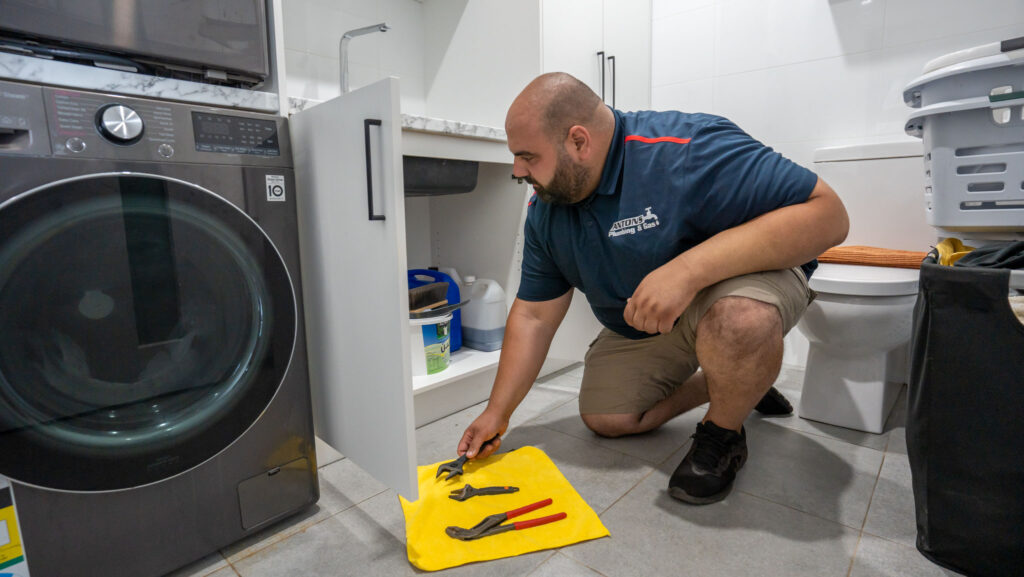
Water leaks don’t always announce themselves with dramatic flooding or obvious dripping sounds. Many leaks develop slowly behind walls, under floors, or within concrete slabs where they can cause significant damage before becoming visible. Recognizing the early warning signs can save you thousands in repair costs and prevent structural damage to your property.
Unexplained Water Bill Increases
A sudden spike in your water bill without changes in usage patterns often signals a hidden leak. Even small leaks can waste hundreds of litres per day, creating noticeable increases in monthly charges. Compare your recent bills to the same period last year to identify unusual consumption patterns.
Musty Odours and Mould Growth
Persistent musty smells, especially in bathrooms, laundries, or near water pipes, indicate excess moisture from hidden leaks. Mould and mildew thrive in damp conditions created by slow leaks behind walls or under flooring. These odours often become more noticeable in humid weather or poorly ventilated areas.
Damp Spots and Discoloration
Water stains, bubbling paint, or soft spots on walls and ceilings reveal moisture intrusion from concealed pipe leaks. These marks often appear as yellow or brown patches that grow larger over time. Wallpaper may start peeling or bubbling in areas where water seeps through from behind.
Reduced Water Pressure
A significant leak in your main water line can reduce pressure throughout your home. You might notice weaker shower flows or taps that don’t deliver their usual force. This symptom combined with other signs strongly suggests a major leak requiring immediate professional attention.
Sounds of Running Water
Hearing water movement when all taps and appliances are off indicates an active leak somewhere in your plumbing system. These sounds might be subtle gurgling, dripping, or rushing noises coming from walls, floors, or ceiling spaces. The sounds often become more noticeable at night when background noise levels drop.
Your water meter tells the most honest story about consumption patterns. A leak might be silently running even when no taps are open or appliances are operating. Now that you know what to look for, let’s explore how professional plumbers locate these hidden problems without causing damage to your home.
How Do Plumbers Find Leaks Without Tearing Up Your Home
Modern leak detection has evolved far beyond the old approach of following wet spots and making educated guesses about pipe locations. Professional plumbers now use sophisticated non-invasive technologies that can pinpoint leak locations with remarkable accuracy. These methods save homeowners from costly demolition work and minimize disruption to daily life.
Acoustic Leak Detection Methods
Sound travels efficiently through water and pipe materials, making acoustic detection one of the most reliable non-invasive methods. Ultrasonic leak detection devices amplify the high-frequency sounds that escaping water creates as it moves through small openings in pipes. These specialized microphones can detect leak sounds through concrete, soil, and wall materials.
Professional acoustic equipment filters out background noise and focuses on the specific frequency signatures of water leaks. Plumbers move these sensitive listening devices along suspected pipe routes until they locate the strongest signal indicating the leak source.
Thermal Imaging Technology
Infrared thermal cameras reveal temperature differences caused by water leaks without requiring any physical contact with surfaces. Cold water leaking from pipes creates cooler zones that show up distinctly on thermal images, while hot water leaks appear as warm spots. This technology works particularly well for detecting leaks behind walls, under floors, and in ceiling spaces.
Thermal imaging provides visual evidence of leak locations and helps plumbers understand the extent of water damage before beginning repairs. The technology works best when temperature differences exist between the leaking water and surrounding materials.
Electronic Leak Detection Systems
Electronic leak detection uses electrical conductivity changes in soil and building materials to locate underground and slab leaks. When water escapes from pipes, it alters the electrical properties of surrounding materials in measurable ways. Sensitive electronic instruments can detect these changes and map leak locations with impressive accuracy.
This method proves especially valuable for finding leaks under concrete slabs where other detection methods might struggle. The technology works by sending low-voltage electrical signals through the ground and measuring how water affects signal transmission.
Tracer Gas Detection
Hydrogen tracer gas detection involves introducing a safe mixture of hydrogen and nitrogen into the plumbing system and then using specialized sensors to detect where the gas escapes. The gas molecules are smaller than water molecules, so they can escape through even tiny leak openings and rise to the surface where detection equipment can locate them.
This method works exceptionally well for finding small leaks that might not produce enough sound or temperature change for other detection methods. The tracer gas technique can locate leaks through thick concrete, multiple layers of flooring, and complex pipe configurations.
The key lies in understanding that water leaks create detectable changes in temperature, sound, moisture levels, and even soil composition. Advanced instruments can measure these changes and translate them into precise location data. Professional plumbers often combine multiple detection methods to confirm leak locations and ensure accurate diagnosis before beginning repair work.
Tools and Technology Plumbers Use to Detect Hidden Leaks
Professional leak detection requires specialized equipment that most homeowners don’t have access to. These tools represent significant investments in technology and training, but they deliver precise results that save time and money during repair projects. Understanding these tools helps homeowners appreciate the value of professional leak detection services.
Digital Moisture Meters
Digital moisture meters measure water content in building materials without causing damage to surfaces. These devices use electromagnetic signals to detect moisture levels in wood, drywall, concrete, and other materials. Elevated moisture readings help plumbers map the extent of water damage and trace leak paths through building structures.
Professional-grade moisture meters provide numerical readings that allow plumbers to document moisture levels and track drying progress after repairs. Some models include probe attachments for deeper penetration into thick materials.
Ground Penetrating Radar
Ground Penetrating Radar (GPR) uses electromagnetic pulses to create detailed images of underground pipe networks and detect changes in soil density caused by water leaks. This technology can locate pipes, identify pipe materials, and spot areas where leaked water has altered soil composition. GPR works particularly well for mapping complex underground plumbing systems before excavation.
The radar data helps plumbers understand pipe layouts and identify the most likely leak locations based on soil disturbances and moisture patterns detected below ground surface.
Endoscopic Video Cameras
Flexible endoscopic cameras allow plumbers to visually inspect pipes and confined spaces without demolition. These waterproof cameras can navigate through small openings, pipe joints, and wall cavities to provide direct visual confirmation of leak sources. High-resolution cameras capture detailed images and video footage that help explain leak causes and repair requirements to homeowners.
Video documentation also proves valuable for insurance claims and provides before-and-after evidence of repair work quality.
Pressure Testing Equipment
Pressure testing equipment isolates sections of plumbing systems and measures pressure drops that indicate leak locations. By pressurizing pipe sections with air or water and monitoring pressure changes over time, plumbers can determine whether leaks exist and estimate their severity. This method works well for testing new installations and identifying multiple leak points in complex systems.
Pressure testing provides quantitative data about leak rates and helps prioritize repair work based on urgency and water loss volume.
Correlation Equipment
Correlation equipment uses multiple sensors placed at different points along pipe runs to triangulate exact leak positions based on sound transmission timing. The equipment calculates how long leak sounds take to travel between sensor locations and uses this data to pinpoint leak sources with remarkable precision.
This technology works exceptionally well for long pipe runs where other methods might struggle to provide specific location data.
Each piece of equipment serves specific purposes and works best in particular situations. Experienced plumbers select the right combination of tools based on pipe materials, leak symptoms, and building construction. Before calling professional help, there are several simple checks homeowners can perform safely to gather useful information about potential leaks.
What You Can Safely Check Yourself Before Calling a Plumber
While professional leak detection requires specialized equipment and training, homeowners can perform several basic checks to gather valuable information before calling for help. These simple tests help you communicate more effectively with plumbers and may help identify obvious problems that don’t require extensive detection work. Safety should always be your first priority when investigating potential plumbing issues.
Water Meter Testing
Turn off all water-using appliances and taps throughout your home, then check your water meter reading. Wait for 30 minutes without using any water, then check the meter again. Any movement in the meter reading indicates water flowing somewhere in your system, suggesting an active leak.
Record the exact meter readings and timing to provide accurate information to your plumber. This simple test can confirm whether you have a leak and provide baseline data for professional diagnosis.
Visual Inspection of Accessible Pipes
Examine visible pipes under sinks, in basements, and around water heaters for signs of moisture, corrosion, or mineral deposits. Look for water stains, rust marks, or white mineral buildup that might indicate slow leaks or past water problems. Check pipe joints and connections where leaks commonly develop.
Take photos of any suspicious areas to show your plumber, but avoid touching or adjusting pipe connections that might be loose or damaged.
Toilet Leak Detection
Add a few drops of food coloring to toilet tanks and wait 15 minutes without flushing. If colored water appears in the toilet bowl, the flapper valve is leaking and allowing water to flow continuously. This common problem can waste significant amounts of water and is often easy to repair.
Check around the toilet base for signs of water damage or soft flooring that might indicate seal problems requiring professional attention.
Hot Water System Inspection
Examine the area around your hot water system for puddles, rust stains, or mineral deposits that suggest tank or pipe leaks. Listen for unusual sounds like hissing, bubbling, or constant running that might indicate internal problems. Check the pressure relief valve and connecting pipes for signs of water discharge.
Never attempt to adjust or repair hot water system components yourself, as these systems operate under pressure and high temperatures that can cause serious injury.
Garden and Outdoor Area Checks
Walk around your property looking for unusually green or soggy areas that might indicate underground leaks. Check near your water meter, main shutoff valve, and any visible outdoor plumbing for signs of water pooling or excessive plant growth. Listen for sounds of running water near outdoor taps and irrigation systems.
Note any areas where the ground feels soft or spongy underfoot, as these might indicate underground pipe problems requiring professional investigation.
These preliminary checks can save time and money by providing plumbers with useful starting information about your leak symptoms and concerns. When these basic checks suggest leak problems, it’s time to call professional help for accurate diagnosis and proper repairs.
Non-Destructive Leak Detection With Antons Plumbing & Gas

At Antons Plumbing & Gas, we understand that discovering a hidden leak shouldn’t mean destroying your home to find it. Our licensed team uses the latest non-invasive leak detection technology to pinpoint problems accurately while protecting your property from unnecessary damage. With over 25 years of experience serving Sydney homeowners, we’ve helped thousands of families resolve leak issues quickly and efficiently.
We combine multiple detection methods to ensure accurate diagnosis and provide clear explanations of our findings in plain English. Our approach focuses on finding the root cause of leak problems rather than just treating symptoms.
Our Professional Detection Process
We begin every leak detection job with a thorough assessment of your symptoms and concerns, followed by systematic testing using appropriate technology for your specific situation. Our team arrives with acoustic detection equipment, thermal imaging cameras, moisture meters, and other specialized tools needed to locate hidden leaks without damage.
We document our findings with photos and detailed reports that explain leak locations, causes, and recommended repair options. This transparent approach helps you make informed decisions about repair priorities and methods.
Same-Day Service Across Sydney
Leak problems don’t wait for convenient timing, which is why we offer same-day service and 24/7 emergency response across the greater Sydney region. Our service areas include Inner West, Eastern Suburbs, North Shore, Northern Beaches, Hills District, Western Sydney, South-Western Sydney, and Sutherland Shire.
We maintain fully equipped service vehicles and experienced technicians ready to respond quickly to leak detection requests. Our goal is to identify your leak source and begin repairs the same day whenever possible.
Comprehensive Repair Solutions
Once we locate your leak, we provide clear options for repair work ranging from simple pipe patching to complete pipe relining or replacement. We explain the pros and cons of each approach and help you choose the solution that best fits your budget, timeline, and long-term needs.
Our repairs comply with Australian Standards and NSW Fair Trading requirements, and we back our workmanship with a lifetime labour warranty for your peace of mind. We use quality materials from trusted suppliers and clean up thoroughly after completing repairs.
Upfront Pricing and No Call-Out Fees
We provide clear, upfront pricing for leak detection services and repair work before beginning any job. Our quotes include all labour, materials, and equipment needed to complete your repairs properly. We never surprise customers with hidden fees or unexpected charges.
Emergency leak detection services are available 24/7 with no call-out fees, ensuring you can get help when you need it most without worrying about additional charges for after-hours service.
If you suspect a hidden leak in your home, don’t wait for the problem to worsen. Call 1300 411 797 or book online for professional leak detection services that protect your property and your budget.
Conclusion
Modern leak detection technology eliminates the need for destructive investigation methods that damage your home. Professional plumbers use acoustic devices, thermal imaging, moisture meters, and tracer gas systems to locate hidden leaks with precision. These non-invasive methods save money and minimize disruption while ensuring accurate diagnosis and effective repairs.
If you are looking for a plumber in Carlingford or nearby area, we are the local plumbers to contact. Antons Plumbing & Gas uses advanced leak detection technology to pinpoint problems without damaging your property. Our licensed technicians locate hidden leaks quickly and accurately using non-invasive methods. Learn more about our precise leak detection services today.
Related Articles
FAQs
How Do Plumbers Find Leaks Inside Walls Without Cutting Them Open?
Plumbers utilize advanced techniques such as thermal imaging cameras and moisture meters to detect leaks inside walls without the need for cutting. These tools can identify temperature differences and moisture levels, helping to pinpoint the leak’s location accurately.
What Tools Do Plumbers Use To Detect Hidden Water Leaks?
Plumbers employ a variety of tools for leak detection, including acoustic listening devices, infrared cameras, and moisture sensors. These instruments allow for non-invasive identification of leaks, ensuring that your home remains intact while we find the source of the problem.
Can Plumbers Find Slab Leaks Without Digging Up The Floor?
Yes, experienced plumbers can locate slab leaks using non-invasive methods, such as ground-penetrating radar and acoustic sensors. This minimizes disruption to your property and allows for targeted repairs, saving both time and effort.
How Accurate Is Professional Leak Detection?
Professional leak detection is highly accurate, especially when conducted by trained experts like those at Antons Plumbing & Gas. Our advanced tools and techniques enable us to pinpoint leaks with precision, allowing for effective and efficient repairs.
When Should I Call A Plumber For A Suspected Hidden Leak?
If you notice signs such as unexplained water bills, damp walls, or mold growth, it’s time to call a plumber. Early detection is crucial in preventing further damage, and our team is available 24/7 to assist you with any suspected hidden leaks.