Emergency Plumber Baulkham Hills for Drains and Leaks
A drain backing up across several fixtures, water appearing beside a renovation or a burst service running through the garden can escalate quickly. Anton’s Plumbing & Gas provides 24/7 Baulkham Hills callouts focused on stopping the damage and locating the real fault.

First Response for a Baulkham Hills Drain or Pipe Failure
Do not erase the evidence by repeatedly flushing or digging. Stop the contributing water, protect the area and note where the first symptom appeared.
- Stop using toilets, basins, showers and water-using appliances.
- Check the outside overflow point from a safe distance.
- Keep clear of any sewage release and prevent pets entering the area.
- Do not pour caustic products into a line that may need mechanical clearing.
- List the order in which fixtures slowed, gurgled or overflowed.
- Close the property meter if the flow is continuous and unrelated to rain.
- Avoid digging around utilities or a saturated retaining area.
- Note whether the meter continues moving with fixtures off.
- Move vehicles and equipment away from soft ground.
- Photograph the wet path, meter and nearby plumbing features.
- Stop using fixtures in the extension or renovated wet area.
- Use a local valve where it is clearly identified and effective.
- Check adjoining rooms and lower levels for water travel.
- Keep away from wet power points, lights and appliances.
- Tell us when the renovation occurred and where old and new plumbing meet.
For drain problems, the location of inspection openings and the outside overflow point can be more useful than the room with the loudest gurgle. Keep those areas accessible.
Urgent Plumbing Fault or Next-Day Repair in Baulkham Hills?
The number of affected fixtures and whether the problem is still spreading are the strongest urgency signals.
- Water escaping that you can't stop
- Any smell of gas
- Sewage backing up inside the house
- No water at all to the property
- Water near electrics, downlights or the switchboard
- A hot water system leaking heavily or venting steam
- The only toilet in the house blocked
- A leak affecting a neighbour or common property
- A business that can't safely trade until it's fixed
- A dripping tap
- One slow drain, everything else normal
- A running toilet cistern
- Hot water that's cooler than usual but still working
- Low pressure at a single fixture
- A hot water system leaking heavily or venting steam
- A toilet you can stop by turning off its isolation tap
- A leak you've successfully isolated and contained
- Noisy pipes or water hammer
A drain that temporarily clears can still have a structural or root-entry problem. Tell us whether the issue repeats and which parts of the property are involved.
Baulkham Hills Emergency Plumbing Beyond the Visible Symptom
Baulkham Hills has a high share of detached homes and larger private drainage networks. A blocked bathroom may be caused farther along the house drain; moisture near an extension may come from a concealed junction. Our emergency plumbing service combines safe containment with targeted drain or leak diagnosis so the recommendation follows evidence rather than a suburb-wide assumption.

Common Baulkham Hills Drain and Leak Callouts
Drainage symptoms and meter behaviour provide the clues needed to choose clearing, inspection or leak detection.
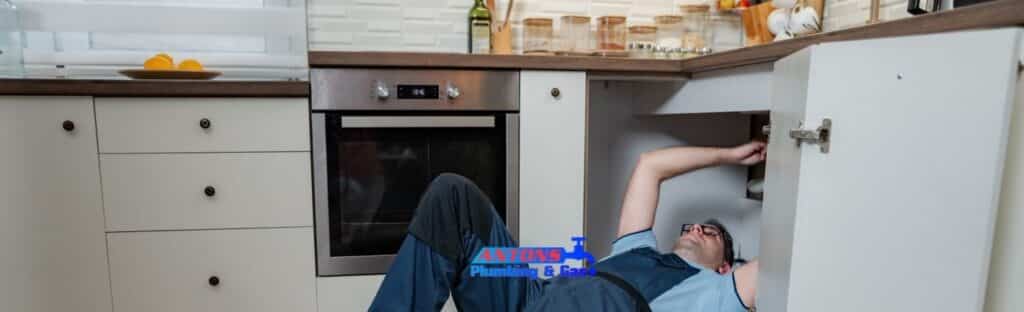
01
Blocked House Drains
We map affected fixtures and accessible openings before jetting, mechanical clearing or camera inspection.

02
Root-Affected Sewer Lines
Roots are cleared where appropriate and the entry point or pipe condition is assessed before repair advice.
![Blocked Drain & Toilet Services in [sububrb]](https://antonsplumbingandgas.com.au/wp-content/uploads/2026/02/When-to-Call-a-Professional-Plumber-1024x583.jpg)
03
Concealed Leaks Near Extensions
Moisture, meter and pressure evidence is used to narrow the old-to-new plumbing junction.
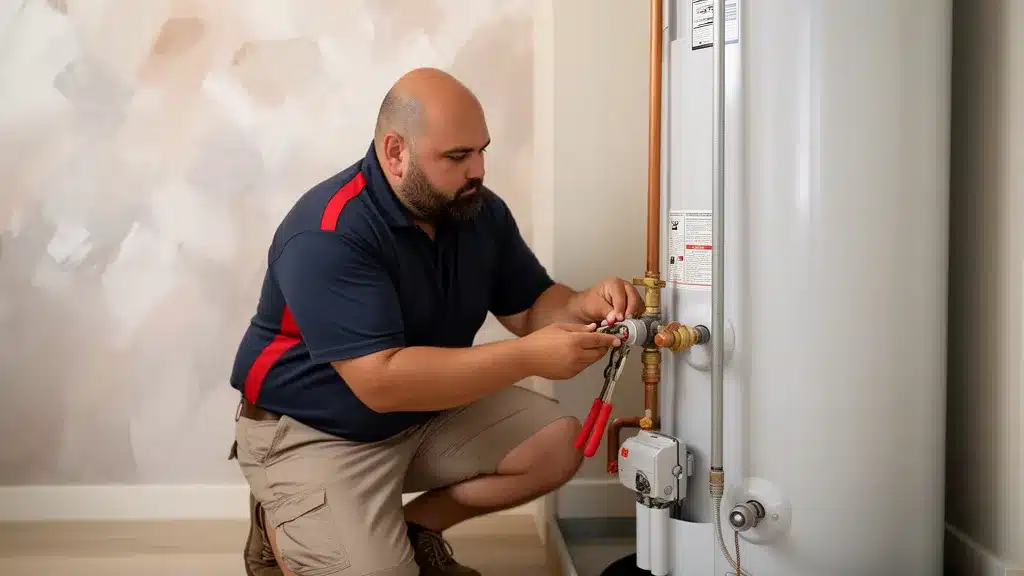
04
Burst Garden or Boundary Services
The supply is isolated and the surfaced water path is checked before excavation scope is proposed.

05
Hot Water Problems Over Long Pipe Runs
We distinguish a system fault from distribution, tempering or local fixture problems.
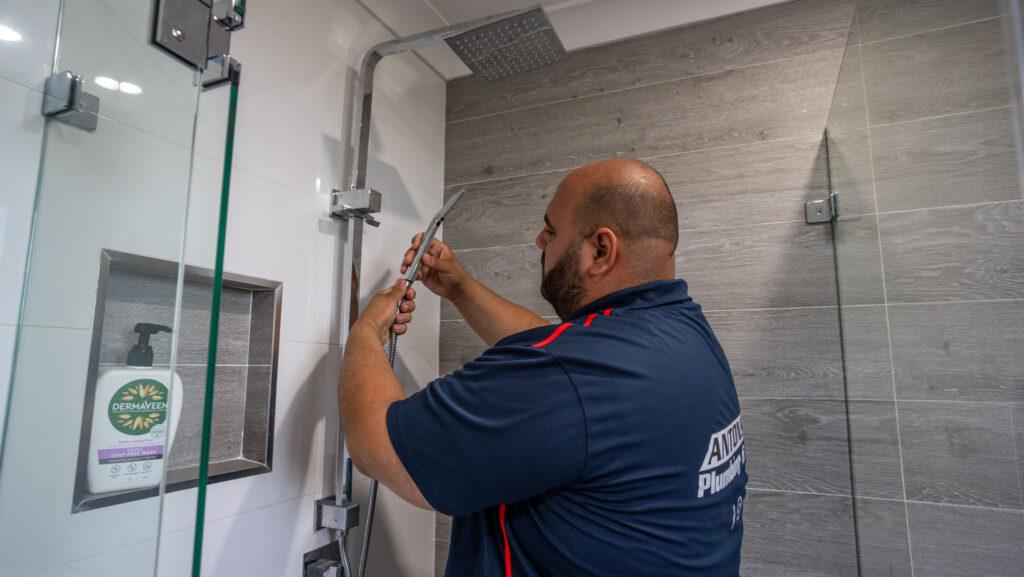
06
Gas Leaks in Homes and Outdoor Areas
Occupants move to safety first; licensed testing follows at the meter, line or appliance.
Baulkham Hills Water, Drain and Gas Access Points
Meters and inspection openings are often outside the immediate wet area. Landscaping and storage should not prevent emergency access.
- Locate the meter near the boundary and keep the lid visible.
- Close the customer valve gently if water is escaping.
- Check whether the meter stops after isolation.
- Do not excavate around a suspected main without service information.
- Identify capped access points without removing them during an overflow.
- Keep soil, mulch and storage away from the lids.
- Note whether the outside overflow point is releasing.
- Leave high-pressure and camera work to suitable equipment.
- Approach only from a safe outdoor route.
- Turn off the supply only when the meter or cylinder is accessible.
- Do not operate garden tools, vehicles or switches near a gas smell.
- Do not restore gas before licensed testing.
A simple property sketch showing the meter, hot water unit, inspection openings and recent extensions is useful for both emergency and preventative plumbing.
Baulkham Hills Drain and Leak Response Process
We follow the plumbing route from affected fixtures to accessible service points, then choose the least disruptive useful test.
You tell us what changed first and which fixtures remain usable.
Meters, overflow points, inspection openings and side access are identified.
The plumber decides whether testing, jetting, a camera or leak detection is justified.
The active obstruction or leak is controlled where the condition allows.
Repeated roots, damaged pipe or renovation junctions are assessed after access is restored.
You receive practical next steps based on the observed condition, not a generic replacement pitch.
What Changes a Baulkham Hills Drain or Leak Quote?
The location and condition of a private service matter more than the suburb label. Accessible clearing, buried damage and concealed leaks have different scopes.
Longer runs may require additional access and inspection to confirm the affected section.
Clearing restores flow; pipe repair is considered separately when defects are observed.
Slopes, paving, gardens and walls influence safe excavation planning.
Renovation interfaces can require targeted detection before access.
Jetting, cameras and detection tools are chosen according to evidence.
Loss of every toilet or active sewage release changes immediate priorities.
Stopping contributing water preserves useful evidence about the restriction.
The fixture pattern points toward a trap, branch or private main.
Outdoor openings provide safer equipment access than guesswork inside.
Restored flow and observed condition are treated as separate results.
Prevention or structural repair follows the evidence gathered from the line.
Local keyword data shows stronger search demand for “blocked drain Baulkham Hills” than the generic emergency phrase. The housing context supports a dedicated drainage angle: ABS 2021 data records 75.4% separate houses, commonly with private lines running through established lots. We still diagnose each property individually—trees, ground movement and age are possibilities, not assumptions.
- Locate your water meter isolation tap and check it actually turns.
- Replace braided flexi hoses on a sensible cycle rather than waiting for one to burst.
- Have mains pressure checked — high pressure wears every joint and seal in the house.
- Act on small leaks, weeping joints and damp patches early.
- Have an ageing hot water system assessed before it fails, not after.
- Get recurring blockages diagnosed with a camera rather than cleared over and over.
- Clear gutters, downpipes and stormwater pits before storm season.
- In a rental, make sure whoever lives there knows how to isolate the water.
- Turn the water off at the meter if the property will be empty for a long stretch.
Evidence-Led Plumbing for Baulkham Hills
We use the sequence across fixtures to choose a sensible access point.
A camera is used to assess condition or repeated faults, not as a decorative add-on.
Clearing and structural repair are explained as separate decisions.
Concealed water is narrowed before finishes or ground are opened where practical.
Old-to-new pipe transitions are considered without blaming work that has not been inspected.
Slopes, retaining areas and soft ground are considered before equipment is moved.
Suspected gas faults are tested by an appropriately licensed fitter.
You can see what restores function now and what addresses the underlying defect.
Observed pipe condition and maintenance priorities are explained after the job.
Baulkham Hills Plumbing Questions, Answered
Straight answers on pricing, response times and what to expect.
How can I tell whether my Baulkham Hills blockage is in the main drain?
How can I tell whether my Baulkham Hills blockage is in the main drain?
Several affected fixtures, gurgling and an outside overflow can point deeper than one trap. Stop water use and tell us the symptom order.
Do tree roots always cause blocked drains here?
Do tree roots always cause blocked drains here?
No. Roots are one possibility alongside grease, debris, movement or damaged pipe. Inspection is needed before the cause is stated.
Can you clear a drain without a camera?
Can you clear a drain without a camera?
Sometimes. Clearing equipment may restore flow first; a camera is useful when condition, location or repeated blockage needs confirmation.
What should I do if the outside overflow point is releasing sewage?
What should I do if the outside overflow point is releasing sewage?
Stop all water use, keep people and pets away, and do not seal the outlet. Call with the affected fixtures and access location.
Can a single slow shower wait until tomorrow?
Can a single slow shower wait until tomorrow?
If no other fixture is affected and there is no overflow or odour, it may suit a scheduled visit. Stop using it if symptoms spread.
How do you find a leak near a home extension?
How do you find a leak near a home extension?
We compare moisture, meter and pressure evidence and consider where old and new pipework join before recommending access.
Should I dig where water is surfacing in the garden?
Should I dig where water is surfacing in the garden?
No. The leak path can travel and underground services may be present. Isolate water when safe and leave excavation until the service route is assessed.
Can high-pressure jetting damage a drain?
Can high-pressure jetting damage a drain?
Equipment and pressure must suit the pipe and access. The plumber assesses known condition and symptoms before selecting a method.
What if roots return after clearing?
What if roots return after clearing?
Recurring roots can indicate an entry point that needs repair consideration. Camera findings and access help determine the next option.
Can you unblock the only toilet after hours?
Can you unblock the only toilet after hours?
Yes, subject to the emergency queue and access. Stop flushing and tell us whether any other drains are also slow or overflowing.
Do you repair collapsed drains?
Do you repair collapsed drains?
Yes, after location and condition are confirmed. Clearing, temporary restoration and structural repair may be separate stages.
Can a blocked stormwater drain be an emergency?
Can a blocked stormwater drain be an emergency?
It can be urgent when water is entering a building or creating a safety hazard. Active severe-weather danger should also be reported to the appropriate emergency service.
Why is my drain gurgling after it clears?
Why is my drain gurgling after it clears?
Air movement and a remaining restriction can cause gurgling. Note which fixtures trigger it and arrange assessment before a full backup develops.
Can you test a suspected hidden water leak?
Can you test a suspected hidden water leak?
Yes. Meter checks, pressure testing and targeted detection may be used according to access and the plumbing system.
What access should I clear before the plumber arrives?
What access should I clear before the plumber arrives?
Make the meter, hot water unit, inspection openings and side path accessible without entering contaminated or unsafe areas.
Will you quote a whole drain replacement immediately?
Will you quote a whole drain replacement immediately?
No. We explain observed condition and available repair scopes after useful diagnosis. A blockage alone does not prove the whole line needs replacement.
Can you help with a leaking hot water line across a large house?
Can you help with a leaking hot water line across a large house?
Yes. We compare the system, tempering and distribution behaviour to narrow whether the issue is at the unit or along the run.
What if the water meter keeps moving with all taps off?
What if the water meter keeps moving with all taps off?
Check appliances, irrigation and filling cisterns first. Continued unexplained movement can support a leak investigation.
Can you inspect drains beneath paving or landscaping?
Can you inspect drains beneath paving or landscaping?
Yes. Accessible openings and camera or locating information can reduce guesswork before any repair access is planned.
How can I reduce another emergency blockage?
How can I reduce another emergency blockage?
Keep inspection points accessible, avoid grease and wipes in drains, address recurring roots and act when several fixtures begin slowing together.
STOP USING THE AFFECTED LINE
Call for a Baulkham Hills Drain or Plumbing Emergency
Plumbing emergency in Baulkham Hills?
Don’t wait on a form, call now for 24/7 priority response.
- Fully Stocked Vehicles
- Your local Baulkham Hills experts
- Same day service where available
- Upfront fixed pricing
- Licensed & insured. Lic: 210933C