Blocked Drains Killara
Blocked sink, toilet or connected drainage in Killara? Tell Antons which fixtures are affected and when the backup occurs. We can discuss a focused assessment, clearing options and further inspection if needed.

Signs of Blocked Drain in Killara
Check the pattern from a safe position without running more water into a backing-up fixture. Note whether the problem is isolated or appears elsewhere when another fixture is used.
Slow Draining Water in Killara
Water taking longer than normal to drain from sinks, showers, or tubs in your Killara property can indicate a developing blockage. Early attention can help prevent a minor drainage issue in Killara from becoming more severe.
Gurgling Sounds in Killara
Gurgling noises from sinks, toilets, or floor drains in Killara often mean trapped air is moving around a blockage. This can be an early warning that wastewater is no longer flowing freely through the drainage system.
Bad Drain Odours in Killara
Persistent unpleasant smells from drains in Killara can be caused by trapped food, grease, waste, or organic material inside the pipe. If cleaning the drain does not remove the smell, a deeper blockage may be present.
Water Backing Up in Killara
Water appearing in another fixture when you flush a toilet or use a sink in your Killara property can indicate a blockage in the shared drainage line. Backups should be addressed quickly before wastewater overflows into the home or business.
Repeated Toilet Blockages in Killara
A toilet that blocks frequently in Killara may have a problem deeper in the drain rather than inside the toilet itself. Recurring blockages can indicate restricted flow or an obstruction in the sewer line.
Overflowing Outdoor Drains in Killara
Water pooling around outdoor drains at a Killara property can indicate restricted underground drainage. This problem may become more noticeable after rain or when several plumbing fixtures are being used.

Your Local Blocked Drain Plumbers in Killara
One slow basin and several fixtures backing up together need different starting points. For blocked drains in Killara, Antons Plumbing & Gas can assess the symptoms, trace accessible connections and discuss clearing suited to the affected waste or sewer line.
When booking, list what still drains normally as well as what does not. A kitchen sink that backs up during dishwasher discharge, a toilet that rises after flushing and wastewater appearing in a shower each provide useful information without proving the fault location.
How We Fix Your Blocked Drain in Killara
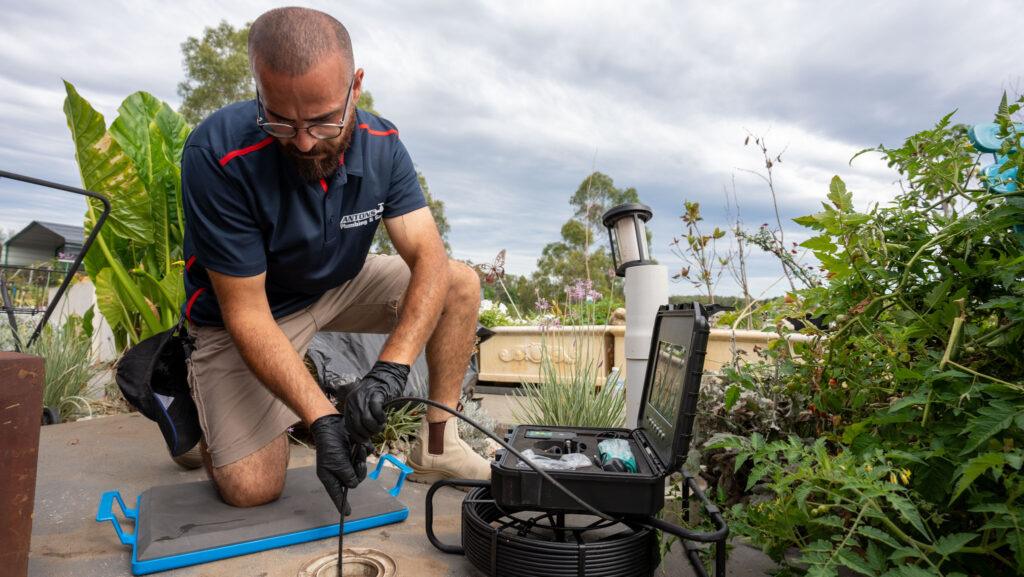
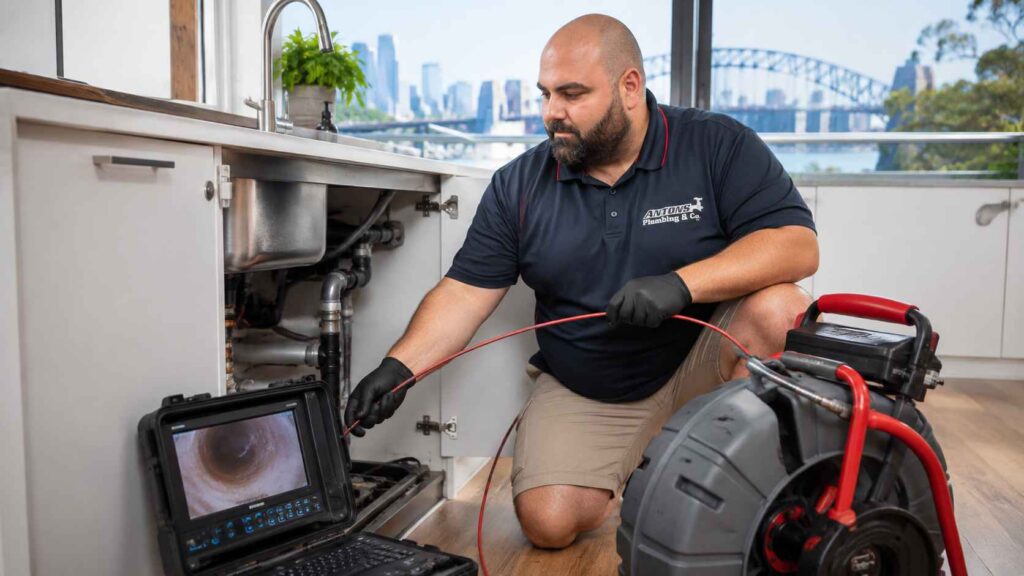
A camera shows the exact cause and location in your Killara drain, roots, grease, a foreign object or a collapsed pipe, so the fix is targeted.
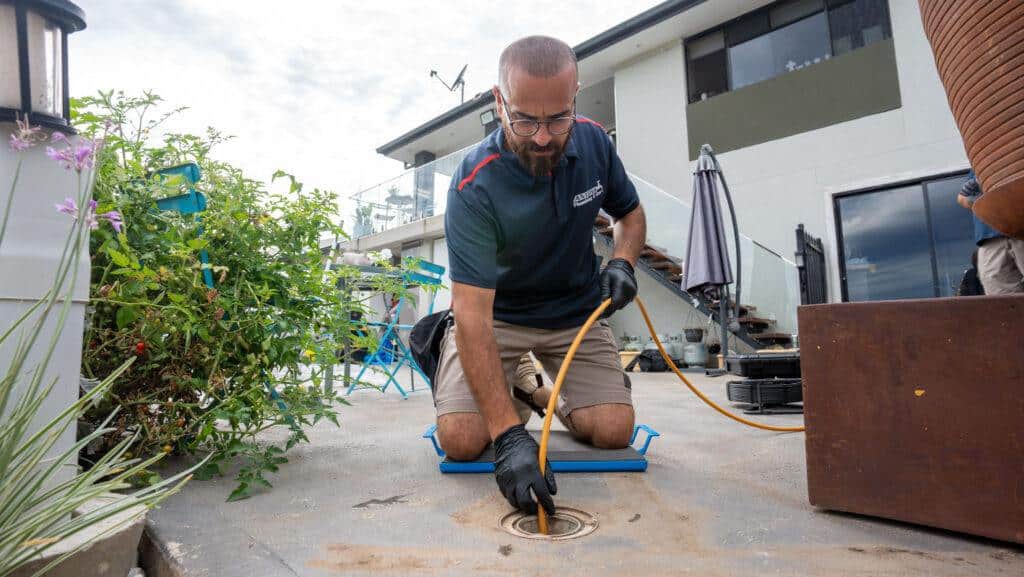
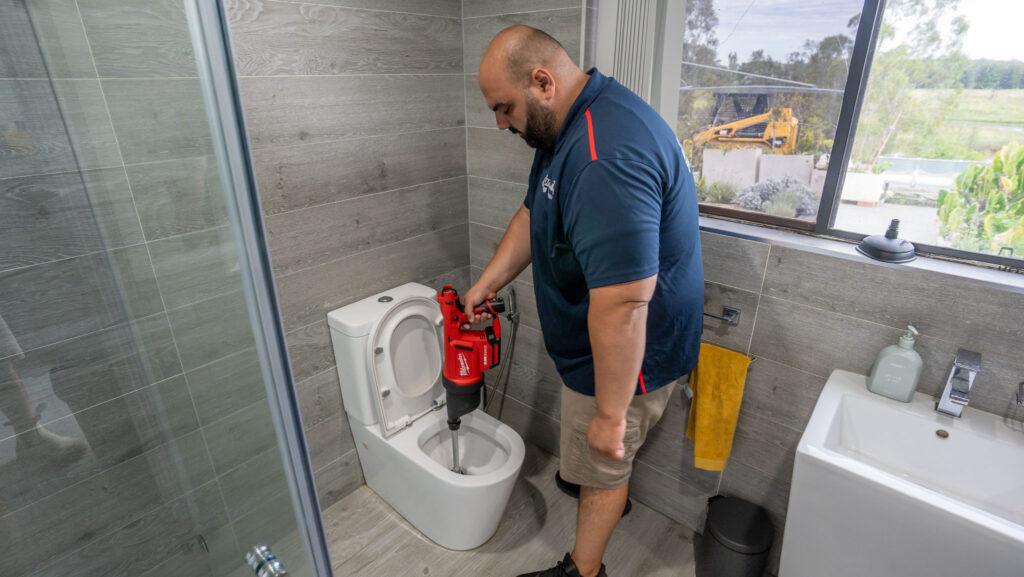
High pressure jetting scours the pipe wall clean. Where jetting is not suitable, we use a drain machine instead.
We show you what we found and give you a fixed written price before any further work. There is no call out fee.
If the pipe is cracked or collapsed, we recommend point repair or no dig relining to help keep it clear.

Avoid Adding Water to a Backing-Up Fixture
Avoid repeatedly testing a filling toilet or overflowing sink. Stop using affected fixtures and do not mix drain-cleaning products.
An odour, gurgle or slow flow is a symptom rather than a diagnosis. Explain what you have observed so the assessment can focus on the right connection.
Blocked drains cleared from $149 in Killara
For a Killara booking, confirm whether the advertised $149 starting price covers the isolated fixture or a wider connected-drain assessment. Ask what would justify extending the scope and how extra work is approved.
What affects the cost?
A soft grease clog clears faster than roots grown through a sewer joint.
A drain near an opening is quicker than one deep in the main line or under a slab.
If the camera shows damage, relining is quoted separately, only with your approval.
Agree on the assessment, clearing and completion checks before work starts. Request a separate scope and price for any further investigation or pipe repair.
Exclusive Deals and Offers
Save on quality plumbing services with our special promotions, tailored to meet the needs of our valued customers. Don’t miss out on these limited time opportunities!











Blocked Drains We Handle in Killara
“Blocked drain” covers a lot of different problems and each needs a different approach. Here’s what we handle most for Killara homes and businesses.
Blocked sewer drains
Multiple fixtures back up at once, often with a gurgling toilet, usually roots or a damaged main line. Jetted after a camera locates the cause.
Blocked stormwater drains
Overflowing pits and downpipes after rain from silt and leaves. Left unchecked they flood around foundations.
Blocked kitchen drains
Slow, smelly sinks from fat and grease hardening in the pipe. Jetting scours the wall where a plunger can't.
Blocked toilets
A toilet that rises and won't clear, wipes, sanitary products or roots in the branch line. Cleared without damaging the pan.
Shower & basin drains
Hair and soap scum bind into a dense plug over time. We clear the trap and line so it drains freely again.
External & gully drains
An overflowing outside gully is often the first sign of a main line blockage. We trace it to the source.
Describe the Fixture Pattern
Tell us what still works normally. The relationship between a toilet, basin, shower and nearby waste outlet can help define which accessible connection should be assessed first.
How We Diagnose and Clear Blocked Drains in Killara
Accessible traps, waste connections and downstream lines may need different assessment or clearing methods. The symptoms help choose a starting point, while the actual obstruction determines the work.
CCTV may be useful where a deeper or recurring issue remains, subject to access and visibility. It is not automatically required for every isolated slow fixture.

Check the Result at the Affected Outlets
Describe which fixture causes the backup and where water appears. This can help distinguish an outlet problem from a restriction further along connected drainage.
If an initial clear does not resolve all symptoms, ask what remains untested. A useful completion check should relate to the affected fixtures, with any unresolved issue recorded.
Why Killara Locals Trust Antons
Fully licensed
NSW plumbing license 210933C. Every job compliant.
25+ years experience
Decades of drainage work across Upper North Shore.
Lifetime labour warranty
Our workmanship is backed for life.
Fully insured
Licensed and insured local Killara plumbers for complete peace of mind.
5★ Google rated
Over 130 genuine reviews.
Local & family owned
A local team of plumbers that knows Killara.
Reviews of Antons Plumbing & Gas

Looking After Your Drain After Clearing
Keep hair and food debris out of waste outlets and avoid flushing wipes. If a backup returns, record whether the same fixtures are affected.
Retain the findings from the visit so a further assessment can build on what has already been checked.
Arrange a Killara Drain Visit
Call with your Killara address, the affected facilities and any active overflow. Our 24/7 support can discuss current attendance options. Confirm the appointment time, access arrangements and any after-hours charges.
- Stop using water, don't run taps or the washing machine and avoid flushing.
- Lift any outdoor overflow relief gully so a backup escapes into the yard, not the house.
- Keep the area clear, and keep kids and pets away from any wastewater.
- Skip the chemical drain cleaner, it makes the job harder and riskier to clear.
- Call us and describe what you're seeing so we arrive with the right gear ready.
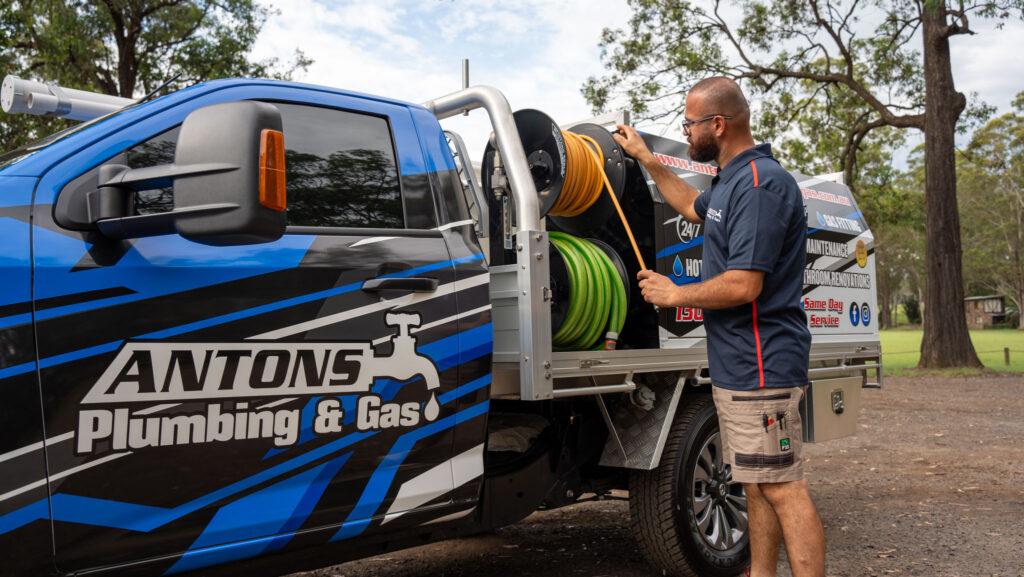
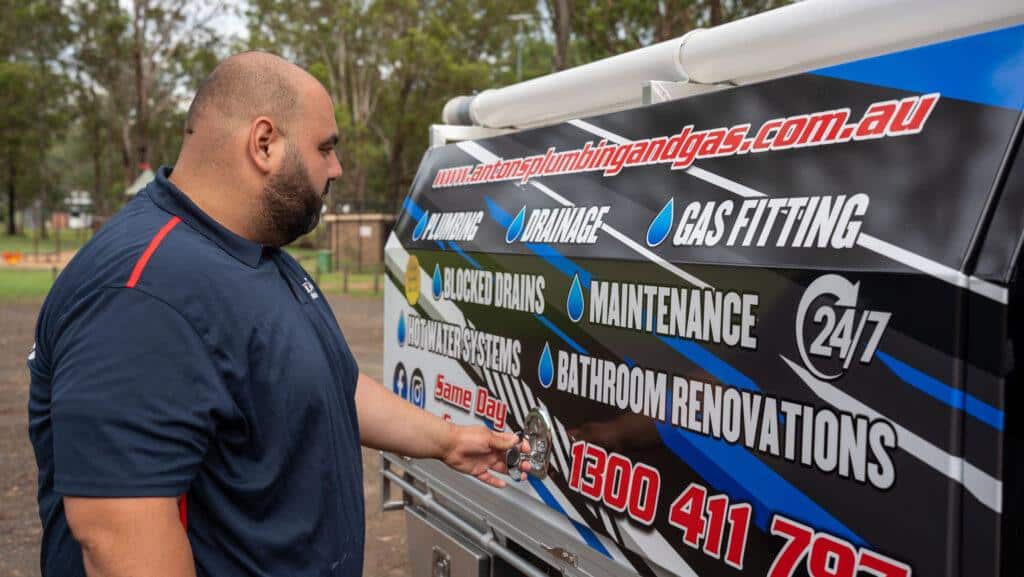
Our Comprehensive Services in Killara
We also clear blocked drains in nearby suburbs:
Killara Plumbing Questions, Answered
Straight answers on pricing, response times and what to expect.
Can I book help for one slow bathroom basin in Killara?
Can I book help for one slow bathroom basin in Killara?
Yes. Explain whether other fixtures drain normally. Agree on an initial assessment of that waste connection and any approval needed for wider investigation.
What should I book if the toilet and shower back up together?
What should I book if the toilet and shower back up together?
Describe both symptoms and request a connected-drain assessment. Stop using affected fixtures while wastewater is rising.
Can you assess a sink that backs up only during dishwasher use?
Can you assess a sink that backs up only during dishwasher use?
Yes. Identify the appliance and where water appears. Mention whether the sink also drains slowly during normal use.
Does gurgling mean the main sewer is blocked?
Does gurgling mean the main sewer is blocked?
It does not establish the location by itself. Tell us when the sound occurs and which fixtures are involved so the cause can be assessed.
Should I request CCTV for an isolated slow basin?
Should I request CCTV for an isolated slow basin?
Ask whether it would answer a specific question after the initial assessment. Access and the suspected fault determine whether camera inspection is useful.
Can you clear a blocked toilet without assuming it needs replacement?
Can you clear a blocked toilet without assuming it needs replacement?
Request an assessment of the obstruction and connected drainage. Replacement should have a separate reason and quote if it is recommended.
What if the kitchen and laundry drains fail together?
What if the kitchen and laundry drains fail together?
Mention both and whether one triggers the other. The assessment may need to consider their connected waste line rather than only one outlet.
Can I book a floor waste that repeatedly holds water?
Can I book a floor waste that repeatedly holds water?
Explain whether it is normal standing water or a new backup associated with other use. Ask for assessment of the symptoms rather than assuming every wet floor waste is blocked.
Should I run all the taps before the visit to demonstrate the fault?
Should I run all the taps before the visit to demonstrate the fault?
Do not add water where a backup or overflow is occurring. Describe the pattern and let the plumber plan a suitable controlled check.
Can I approve a small initial scope and expand it if needed?
Can I approve a small initial scope and expand it if needed?
Yes. Agree on the affected fixture, assessment price and who can approve further clearing or investigation.
Will the quote cover every drain in the house?
Will the quote cover every drain in the house?
Confirm the actual scope. A quote for one outlet should not be assumed to include inspecting or clearing every connected line.
What if one fixture improves but another remains blocked?
What if one fixture improves but another remains blocked?
Report the remaining symptom before the job is concluded. Ask which connection was cleared and what further assessment is proposed.
Can you investigate an odour even when water drains normally?
Can you investigate an odour even when water drains normally?
Describe the smell, location and timing when booking. It may require a different assessment from obstruction clearing, so confirm the service scope.
Do I need to tell you about a recently replaced fixture?
Do I need to tell you about a recently replaced fixture?
Yes. Mention changes to toilets, sinks or appliances and when the symptoms began. The timing can help define the investigation without proving the cause.
What checks should be included after the blockage is cleared?
What checks should be included after the blockage is cleared?
Ask how the affected fixtures were tested and whether any connected symptoms remain. Have limits or further recommendations explained before approving another stage.
Should I call Sydney Water about wastewater overflowing outside?
Should I call Sydney Water about wastewater overflowing outside?
For wastewater overflowing on your property or in a public area, contact Sydney Water on 13 20 90 for advice and stay clear of the spill. A private drain fault may require a licensed plumber. See Sydney Water’s wastewater blockage guidance.
How can I check whether the affected pipe is my responsibility?
How can I check whether the affected pipe is my responsibility?
Ask for the fault location before assuming ownership from where the symptoms appear. Sydney Water’s typical connection diagrams explain the private and utility parts of common systems. Confirm the arrangement at your property before approving repairs.
Can I check the plumber’s licence before accepting the booking?
Can I check the plumber’s licence before accepting the booking?
Yes. Request the contractor’s licence details and use the Service NSW trade licence checking guide. Match the licence to the contractor and the work proposed, and ask for the agreed scope and price in writing.
What should I arrange before booking work at a rental property?
What should I arrange before booking work at a rental property?
Notify the landlord or managing agent, explain any overflow or unusable facilities and establish who can approve the visit. Refer to NSW guidance on getting rental repairs done for the applicable process. Provide an access contact and the agreed authorisation when booking.
Can I book drain clearing in nearby service areas as well?
Can I book drain clearing in nearby service areas as well?
You can also view our blocked-drain services in East Killara, Gordon, East Lindfield, Pymble, Castle Cove. Call 0493 824 176 with the exact address to confirm availability, access and the scope of the visit.
Blocked Drain right now?
Book a Blocked-Drain Assessment in Killara
Call 0493 824 176 to explain the symptoms and arrange the next step. We can discuss the assessment scope and pricing before you approve the work.
Plumbing emergency in Killara?
Don’t wait on a form, call now for 24/7 priority response.
- Fully Stocked Vehicles
- Your local Killara experts
- Same day service where available
- Upfront fixed pricing
- Licensed & insured. Lic: 210933C