

A stuck toilet flapper bolt can turn a simple repair into a frustrating ordeal. When you find a toilet flapper bolt stuck and refusing to budge, you may notice a constantly running toilet, weak flushing or water trickling into the bowl between uses. These symptoms can indicate that the flapper is no longer sealing properly because the mounting hardware has corroded, seized or become cross-threaded after years of exposure to tank water—a common issue in Sydney homes with older cisterns and mineral buildup.
This guide walks you through the most common causes of a stuck toilet flapper bolt, safe removal techniques, when to attempt a DIY fix, and when professional help protects your home from water damage and costly mistakes. You will also learn how our team diagnoses toilet leaks, replaces worn components to Australian Standards, and delivers same-day service across Sydney with upfront pricing in AUD and no call-out fee from 7am to 3pm on weekdays.
Key Takeaways
- A stuck flapper bolt is usually caused by mineral buildup, corrosion, or over-tightening during previous repairs.
- Running water, weak flush, or phantom flushing are clear signs that the flapper seal has failed and the bolt may need replacement.
- Safe removal requires shutting off the water supply, draining the tank completely, and using penetrating oil or gentle heat on metal bolts.
- Forcing a corroded bolt can crack the porcelain tank or strip threads, leading to expensive emergency repairs and unnecessary water waste that adds to your Sydney Water bill.
- If a bolt is badly seized, or you’re not confident working inside the cistern, it’s time to call a licensed Sydney plumber – our licensed plumbers (NSW Lic. 210933C) carry replacement flappers, bolts, and gaskets on every van for same-day toilet repairs across Sydney.
Understanding the Toilet Flapper Bolt and Why It Gets Stuck
The flapper bolt is a small but critical fastener that secures the flapper valve to the flush valve seat at the bottom of your cistern. When you press the flush button, the lift chain pulls the flapper up, allowing water to rush from the tank into the bowl. Once the tank empties, the flapper drops back onto the valve seat to form a watertight seal and allow the tank to refill.
Over time, minerals in Sydney’s water supply – especially calcium and lime – accumulate on metal bolts and plastic threads. Corrosion accelerates in older homes with galvanised or brass fittings, and the constant wet environment inside the tank creates ideal conditions for rust and scale buildup. When homeowners attempt to remove the bolt years later, the threads bind, the nut seizes, or the bolt shears off entirely.
Many toilets manufactured before 2000 use metal bolts that corrode faster than modern plastic alternatives. In heritage homes across the Inner West and North Shore, we often encounter brass bolts that have fused to the porcelain or become brittle with age. Attempting to force these bolts without proper technique can crack the tank wall, requiring a full cistern replacement instead of a simple flapper swap.
Common Symptoms That Point to a Stuck or Faulty Flapper Bolt
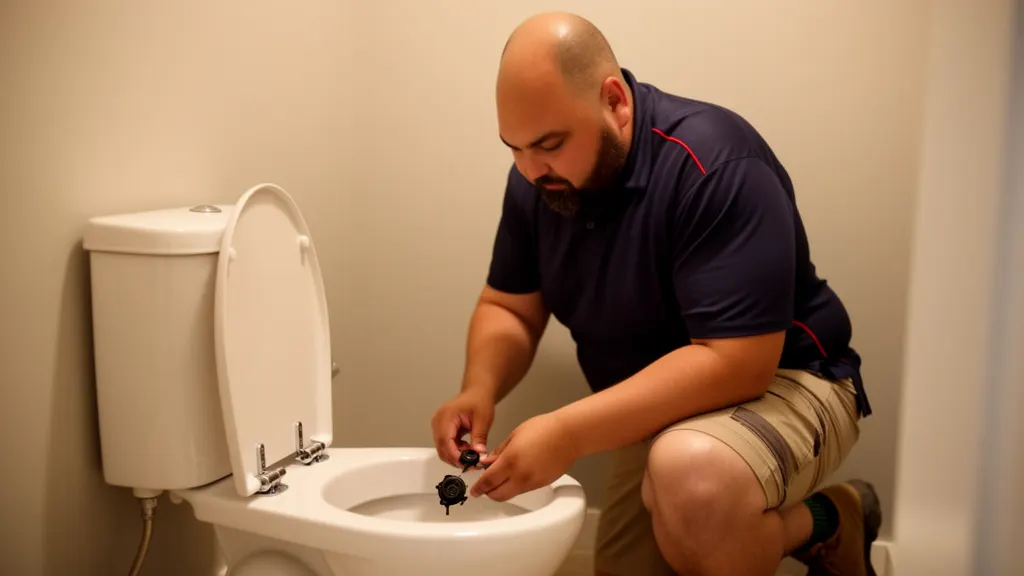
A stuck or faulty flapper bolt can affect how your toilet flushes, refills, and seals after each use. When the bolt is corroded, loose, misaligned, or binding, the flapper may not open or close properly. Spotting these symptoms early can help prevent water waste, weak flushing, and further toilet cistern problems – and unnecessary charges on your Sydney Water account.
Constant Running Water After the Flush Cycle
If you hear water trickling into the bowl long after flushing, the flapper is not seating properly. A stuck or misaligned bolt can tilt the flapper, preventing a tight seal and wasting hundreds of litres per day.
Weak or Incomplete Flush
When the flapper cannot lift fully due to a corroded bolt or tangled chain, less water enters the bowl during each flush. This symptom often appears alongside a stuck bolt that restricts flapper movement.
Phantom Flushing or Random Refills
A slow leak past a worn flapper causes the tank level to drop gradually until the fill valve activates to restore the water line. This cycle repeats every few minutes and indicates the flapper seal has failed, often because the mounting bolt is loose or corroded.
Visible Rust or Mineral Deposits on the Bolt
Lift the cistern lid and inspect the area around the flush valve. Orange or white crust on the bolt threads signals advanced corrosion or scale buildup that will resist normal removal efforts.
Handle Sticks in the Flush Position
If the flush button stays down and water runs continuously, the lift chain may be too short or the flapper bolt may be binding. Adjusting the chain length will not solve the problem if the bolt itself is seized or cross-threaded.
A faulty flapper bolt may seem like a small toilet issue, but it can lead to constant running water, poor flushing, and higher water usage. Checking for rust, stuck movement, weak flushing, or random refills can help identify the problem before it worsens. If the bolt is seized, corroded, or difficult to remove, a licensed Sydney plumber can repair the toilet safely and prevent damage to the cistern components.
Step-by-Step: How to Safely Remove a Stuck Toilet Flapper Bolt
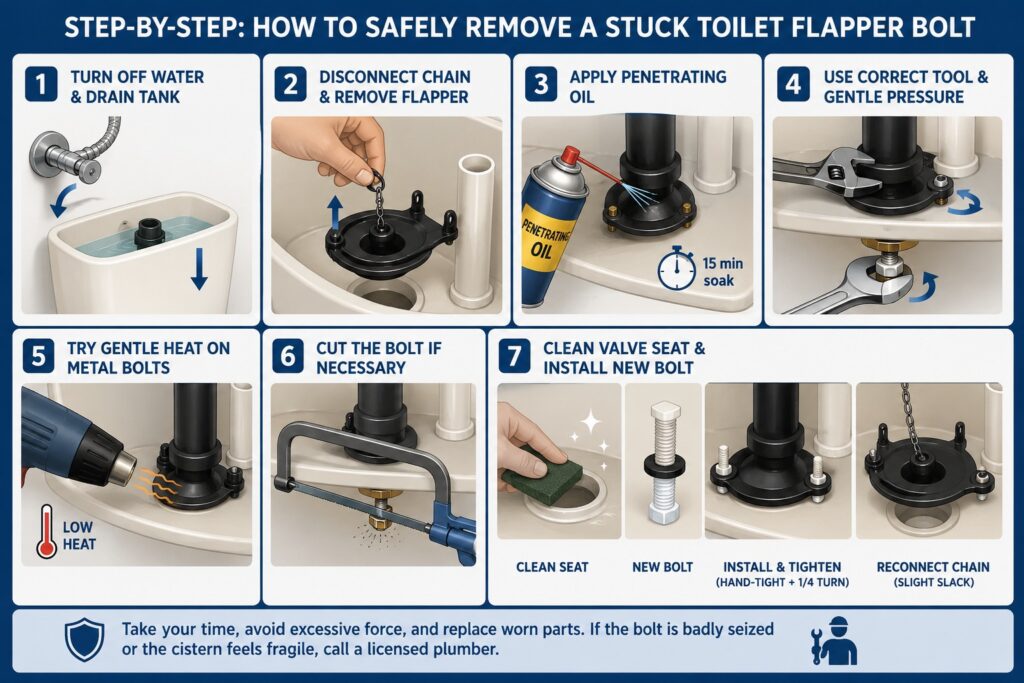
Removing a stuck toilet flapper bolt should be done carefully to avoid cracking the cistern or damaging the flush valve. Rust, mineral build-up, and old fittings can make the bolt difficult to loosen, so it is important to work slowly and use the right tools. Following a safe step-by-step process can help you remove the stuck bolt, replace the flapper, and restore proper toilet flushing.
1. Turn Off the Water Supply and Drain the Tank
Locate the isolation valve on the wall or floor behind the toilet and turn it clockwise until fully closed. Flush the toilet to empty the cistern, then use a sponge or towel to soak up any remaining water around the flush valve.
2. Disconnect the Lift Chain and Remove the Flapper
Unhook the chain from the flush lever arm, then slide the flapper ears off the mounting posts on either side of the overflow tube. If the flapper is still attached by a stuck bolt, leave it in place for now and focus on loosening the fastener.
3. Apply Penetrating Oil to the Bolt Threads
Spray a penetrating lubricant such as WD-40 or CRC around the base of the bolt where it passes through the tank floor. Allow the product to soak for at least 15 minutes to break down rust and mineral deposits.
4. Use the Correct Tool and Gentle Pressure
Hold the bolt head inside the tank with a screwdriver or adjustable spanner while turning the nut beneath the tank with a second spanner. Apply steady, even pressure rather than jerking or hammering, which can crack the porcelain or shear the bolt.
5. Try Gentle Heat on Metal Bolts
If penetrating oil fails, a heat gun or hairdryer set to low can expand the metal slightly and break the corrosion bond. Never use an open flame near plastic components or inside a confined space.
6. Cut the Bolt if Necessary
When all other methods fail, a mini hacksaw blade or rotary cutting tool can sever the bolt beneath the tank. Work carefully to avoid scratching the porcelain or damaging the flush valve seat.
7. Clean the Valve Seat and Install a New Bolt
Once the old bolt is removed, scrub the valve seat with a non-abrasive pad to remove residue. Install a new plastic bolt and flapper, tighten the nut hand-tight plus a quarter turn, then reconnect the lift chain with slight slack.
Removing a stuck toilet flapper bolt takes patience, especially when corrosion or mineral build-up is involved. The safest approach is to shut off the water, loosen the bolt gradually, avoid excessive force, and replace worn parts with suitable new components. If the bolt is badly seized or the cistern feels fragile, call a licensed plumber (look for a current NSW plumbing licence, such as our own Lic. 210933C) to complete the repair safely and prevent further toilet damage.
When DIY Becomes Risky: Scenarios That Require a Licensed Plumber
Attempting to force a corroded bolt can crack the cistern wall, strip the flush valve threads, or break the mounting posts on the overflow tube. Porcelain is brittle, and even a hairline fracture can propagate under water pressure, leading to a catastrophic tank failure and flooding. If you notice any resistance beyond normal thread friction, stop and call a licensed Sydney plumber before causing irreversible damage.
Older toilets in heritage homes often feature non-standard flush valves, brass fittings, or concealed bolts that require specialised tools and knowledge of vintage plumbing systems. Our team carries replacement parts for discontinued models and can fabricate custom solutions when off-the-shelf flappers do not fit. We also inspect the entire cistern assembly for hidden leaks, worn washers, and failing fill valves that may contribute to poor performance.
| Scenario | DIY Safe? | Professional Recommended |
|---|---|---|
| Plastic bolt with light mineral buildup | Yes | Optional |
| Metal bolt with visible rust or corrosion | Risky | Yes |
| Bolt spins but does not loosen | No | Yes |
| Crack or chip visible on tank wall | No | Urgent |
| Non-standard or vintage toilet model | No | Yes |
| Strata or commercial property | No | Required |
Commercial and strata properties face additional compliance requirements under Australian Standards AS/NZS 3500, which is enforced in NSW through Sydney Water requirements and NSW Fair Trading plumbing licensing rules. Any modification to shared plumbing systems must be documented, and backflow prevention devices must remain functional during repairs. Our licensed plumbers provide clear reports, compliance certificates, and coordinated scheduling to minimise disruption across multiple units.
How Our Team Diagnoses and Repairs Stuck Flapper Bolts Across Sydney
When you contact us for a toilet repair, our plumbers arrive with a fully stocked van containing replacement flappers, bolts, fill valves, flush valves, and tank-to-bowl gaskets for every major brand and model. We begin every job with a visual inspection of the cistern, checking for cracks, corrosion, water level issues, and signs of previous DIY attempts that may complicate the repair.
If the flapper bolt is stuck, we assess the material, age, and corrosion level to determine the safest removal method. For lightly corroded plastic bolts, penetrating oil and hand tools usually suffice. For heavily rusted brass or galvanised bolts, we use precision cutting tools to sever the fastener without damaging the porcelain or flush valve seat. Once the old bolt is removed, we clean the valve seat, inspect the overflow tube for cracks, and install a new flapper with a corrosion-resistant plastic bolt.
We also perform a dye test by adding food colouring to the tank and waiting 15 minutes to confirm the new flapper seals completely. If colour appears in the bowl, we adjust the chain length, check for debris on the valve seat, or replace the flapper with a different style that provides a better seal. Every repair is tested under normal flush cycles before we leave, and we document our findings for your records.
Comparing Flapper Bolt Materials and Replacement Options
Homeowners often ask whether to replace a stuck bolt with the same material or upgrade to a modern alternative. The choice depends on your toilet’s age, water quality, and how long you plan to keep the fixture in service. Brass bolts were common in older installations because they resist corrosion better than steel, but they still oxidise in chlorinated water and can become brittle over decades.
Plastic bolts made from ABS or nylon are now the standard for residential toilets. They do not corrode, cost less than metal, and are easier to remove during future repairs. Some premium models include stainless steel bolts with rubber washers for added durability, but these are rarely necessary in typical Sydney homes unless you have unusually aggressive water chemistry.
| Material | Corrosion Resistance | Ease of Removal | Best Use Case |
|---|---|---|---|
| Brass | Moderate | Difficult when corroded | Heritage or high-end fixtures |
| Galvanised Steel | Low | Very difficult | Avoid; replace with plastic |
| ABS Plastic | Excellent | Easy | Standard residential toilets |
| Stainless Steel | Excellent | Moderate | Commercial or high-use installations |
Universal flapper kits sold at hardware stores include a plastic bolt, rubber gasket, and adjustable chain. These kits fit most two-piece toilets with a standard flush valve size. For one-piece toilets, wall-hung models, or vintage fixtures, you may need a brand-specific replacement that matches the original valve seat diameter and mounting configuration.
The Hidden Costs of Ignoring a Stuck Flapper Bolt
A constantly running toilet wastes between 200 and 750 litres of water per day, depending on the size of the leak. Over a three-month billing cycle, that translates to tens of thousands of litres and a noticeable spike in your water bill. Sydney Water charges both usage and wastewater fees, so every litre lost costs you twice.
Beyond the financial impact, a leaking flapper can mask other problems in your cistern. A failing fill valve may run continuously to compensate for the leak, wearing out the diaphragm and eventually flooding the overflow tube. A cracked flush valve seat can allow water to seep under the tank gasket, leading to slow leaks that damage flooring, cabinetry, and ceiling plaster in multi-storey homes.
In strata buildings, undetected toilet leaks contribute to common-area water bills and can trigger disputes over cost allocation. Our team provides detailed reports and photographs for strata managers, documenting the source of the leak and confirming repairs meet Australian Standards. This documentation supports insurance claims and helps avoid finger-pointing between owners and committees.
Why Sydney Homeowners Trust Our Toilet Repair and Leak Detection Services
We operate under New South Wales licensing requirements and carry full insurance for plumbing and gas-fitting work (Lic: 210933C). Every repair complies with AS/NZS 3500 plumbing standards, and we use quality replacement parts from trusted brands that we stand behind with a lifetime labour warranty. If a component we install fails due to workmanship issues, we return and fix it at no additional charge.
Our same-day service and 24/7 emergency response mean you do not have to wait days for a simple flapper replacement or live with a running toilet over the weekend. We offer upfront pricing in AUD before starting work, so you know the total cost before we touch a tool. There are no hidden fees, and our $0 call-out fee (AUD) from 7am to 3pm on weekdays (excluding public holidays) ensures you receive professional advice without financial pressure.
From the Inner West to the Northern Beaches, Hills District to Sutherland Shire, we serve the entire Sydney Metro with the same commitment to clear communication, clean workmanship, and respect for your home. Whether you need a quick flapper swap, a full cistern rebuild, or a comprehensive bathroom renovation, our team diagnoses the root cause and presents clear options tailored to your timeline and budget.
How to Book Same-Day Toilet Repair Across Sydney
If you are dealing with a stuck flapper bolt, running toilet, or any other cistern issue, our team is ready to help. Call 0493 824 176 for 24/7 emergency service or book online for same-day appointments across the Sydney Metro. We provide upfront pricing in AUD, arrive on time, and complete most toilet repairs in a single visit with parts we carry on every van.
Our licensed plumbers (NSW Lic. 210933C) respect your home, communicate in plain English, and back every job with a lifetime labour warranty. From quick flapper swaps to full bathroom renovations, we diagnose the root cause and deliver compliant, reliable solutions that protect your property and your budget.
Conclusion
A stuck toilet flapper bolt is more than a minor annoyance; it signals corrosion, mineral buildup, or improper installation that can lead to water waste, higher Sydney Water bills, and tank damage if ignored. Safe removal requires the right tools, patience, and knowledge of when to stop before cracking porcelain or stripping threads. For same-day toilet repairs backed by Australian Standards compliance and a lifetime labour warranty, contact our licensed team at 0493 824 176 or book online today.
Antons Plumbing & Gas provides expert toilet repairs across Sydney Metro for stuck flappers and leaking cisterns. Our licensed plumbers (NSW Lic. 210933C) deliver same-day service with upfront AUD pricing and lifetime labour warranty. Get started with a call today.
Related Articles
- ProPress Fitting Has Play: Is It Normal or a Plumbing Problem?
- Move Toilet Seat Forward: Simple Fixes for Better Comfort
- Toy Flushed Down Toilet? What to Do Before It Becomes a Bigger Blockage
FAQs
What Causes A Toilet Flapper To Get Stuck?
A toilet flapper can get stuck due to a buildup of mineral deposits, corrosion, or debris in the tank. Additionally, wear and tear over time can cause the flapper to lose its flexibility, leading to it not sealing properly or getting stuck in the open position.
How Do You Fix A Stuck Toilet Flapper?
To fix a stuck toilet flapper, start by gently lifting it to see if it’s caught on anything. If it’s not, you may need to clean or replace it. Check for any obstructions or mineral buildup and clean the area around the flapper. If issues persist, consider replacing the flapper entirely.
Can A Toilet Flapper Be Replaced Without Removing The Tank?
Yes, a toilet flapper can be replaced without removing the tank. Most flappers are designed to be easily accessible, and you can typically replace them by disconnecting the chain from the flush lever and removing the old flapper from the flush valve.
What Tools Do I Need To Replace A Toilet Flapper?
To replace a toilet flapper, you generally need a pair of scissors to cut the chain if necessary, and possibly a spanner if the flapper requires any adjustments. At Antons Plumbing & Gas, we have the right tools and expertise to ensure the job is done correctly and efficiently.
How Do I Know If My Toilet Flapper Is Faulty?
You can determine if your toilet flapper is faulty by observing if your toilet runs continuously or if you notice water leaking from the tank into the bowl. Additionally, if the flapper appears warped or does not seal tightly, it may need to be replaced. Our experienced team can quickly assess and address any toilet issues you may have.
How Much Does It Cost To Fix A Stuck Flapper Bolt In Sydney?
Costs depend on the level of corrosion, whether the bolt needs cutting, and if replacement parts are required. We always provide an obligation-free, upfront quote in AUD before we start any work, so you know exactly what you’ll pay with no surprises on the invoice.
Do You Charge A Call-Out Fee For Toilet Repairs?
No, we offer a $0 call-out fee (AUD) from 7am to 3pm on weekdays, excluding public holidays. You can get a professional assessment without any financial pressure to proceed.
Is Antons Plumbing & Gas Licensed To Work In NSW?
Yes, we are fully licensed under NSW regulations (Lic. 210933C) and carry full insurance for plumbing and gas-fitting work, so any repair to your flapper bolt or cistern is completed safely and to Australian Standards.
Do You Offer Same-Day Toilet Repairs In Sydney?
Yes, we offer same-day appointments across the Sydney Metro. Call 0493 824 176 or book online and our team will arrange a visit as quickly as possible, often the same day.
What Suburbs Do You Service For Flapper Bolt And Toilet Repairs?
We service the entire Sydney Metro, including the Inner West, Northern Beaches, Hills District, Sutherland Shire, Hawkesbury, and surrounding NSW areas.
Can You Fix A Stuck Flapper Bolt In A Strata Or Commercial Building?
Yes. Strata and commercial properties require compliance with AS/NZS 3500 and any shared plumbing work must be documented. We provide compliance certificates and coordinate scheduling with strata managers to minimise disruption.
Do You Provide A Warranty On Toilet Repairs?
Yes, every repair is backed by a lifetime labour warranty. If a component we install fails due to workmanship, we return and fix it at no additional cost.
What Happens If The Cistern Cracks During A Repair?
If we discover a crack or fragile porcelain during inspection, we stop, explain the risk, and provide an upfront quote in AUD for a cistern or toilet replacement before proceeding, rather than risk further damage.
Can I Book A Plumber For An Emergency Running Toilet At Night?
Yes, we offer 24/7 emergency response for issues like a constantly running or leaking toilet, so you’re not stuck wasting water or losing sleep over it.
Do You Charge Extra For Weekend Or After-Hours Toilet Repairs?
Our no call-out fee window applies 7am to 3pm on weekdays. Outside these hours, including weekends and public holidays, standard after-hours rates may apply, which we’ll always confirm with you before starting work.
What Payment Methods Do You Accept?
We accept standard payment methods for residential and strata clients. Our team will confirm accepted payment options and the total cost in AUD before any work begins.
How Quickly Can A Licensed Plumber Get To My Home In Sydney?
In most cases we can offer same-day service across the Sydney Metro. Call 0493 824 176 to check current availability in your suburb.
Do I Need A Licensed Plumber For A Simple Flapper Bolt Swap In NSW?
A basic flapper replacement is generally considered minor maintenance, but if the bolt is seized, the cistern is cracked, or you’re altering any connected water supply fittings, NSW regulations require the work to be completed by a licensed plumber. When in doubt, call a licensed Sydney plumber rather than risk non-compliant or unsafe work.
Will You Check For Sydney Water Compliance Issues While You’re There?
Yes, while repairing your flapper bolt we also inspect the wider cistern assembly, fill valve, and connections for leaks or non-compliant fittings that could affect your Sydney Water account or breach AS/NZS 3500 requirements.
How Do I Book A Plumber Online Right Now?
You can book a same-day appointment through our online booking page or call 0493 824 176 directly. We’ll confirm your details, provide an upfront AUD quote, and get a licensed plumber (Lic. 210933C) out to your Sydney property promptly.