

When you turn on the tap and notice water pooling in your sink instead of draining away, it’s more than just an inconvenience for a Sydney household—it’s a sign that something in your plumbing system needs attention. A slow or completely blocked drain can disrupt your daily routine, create hygiene concerns, and sometimes point to deeper issues within your pipes. Understanding why the water in your sink isn’t going down helps you take the right steps to fix it quickly and prevent future problems.
This article walks you through the most common reasons why the water in your sink is not going down, practical troubleshooting steps you can try at home, and when to call a licensed Sydney plumber. You’ll also learn how professional diagnosis and repair work can save you time, money, and the frustration of recurring blockages.
Key Takeaways
- Hair, soap scum, grease, and food particles are the most frequent causes of sink blockages in Sydney homes.
- Simple methods like hot water flushing and cleaning the P-trap can resolve minor clogs without professional help.
- Persistent or recurring drainage problems often require CCTV drain inspection to identify root causes such as tree roots or pipe damage.
- Attempting to force a blockage with harsh chemicals can damage your pipes and create safety hazards.
- Only a licensed plumber can legally carry out permanent drainage repairs in NSW. Look for a valid licence, such as Anton’s Plumbing & Gas NSW Lic. 210933C, which guarantees same-day service, upfront pricing in AUD, and compliant solutions that protect your home long-term.
What Causes Water to Stop Draining in Your Sink?
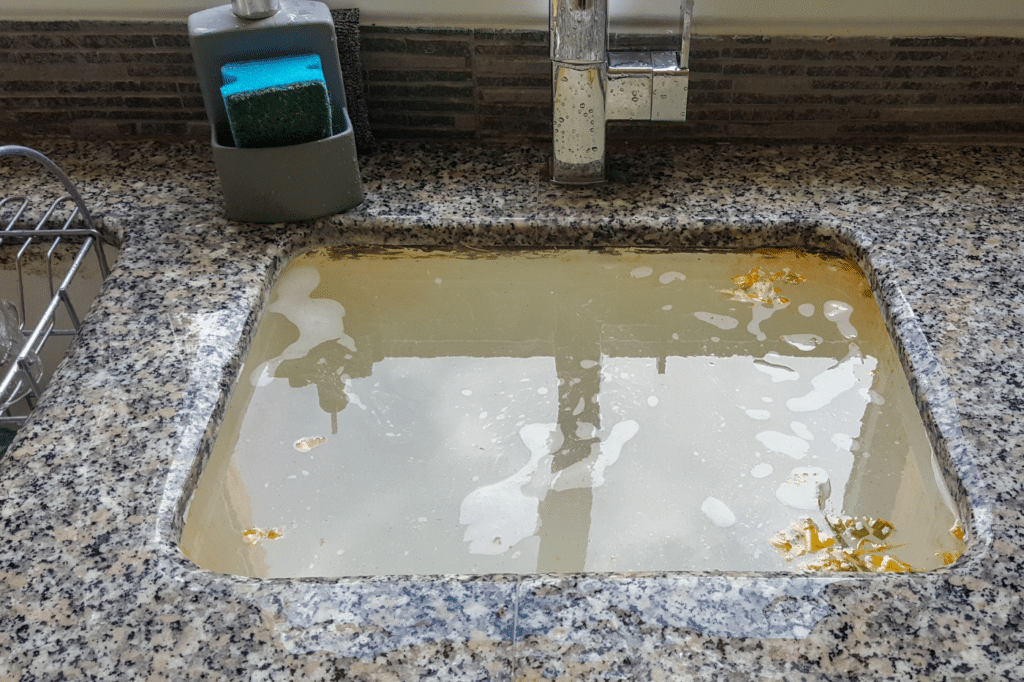
The drainage system beneath your sink is designed to carry wastewater away through a series of pipes and traps. When something interrupts that flow, water backs up. In bathroom sinks, the culprits are usually hair and soap scum that cling to the pop-up drain assembly and build up over time. Kitchen sinks face different challenges—food scraps, cooking grease, and detergent residue combine to form sticky blockages that narrow the pipe diameter.
Sometimes the problem isn’t inside the sink drain itself. The P-trap—the curved pipe section under your sink—can collect debris, or the vent pipe that allows air into your plumbing system might be blocked, creating a vacuum effect that slows drainage. In older Sydney properties with clay or cast-iron pipes, tree roots can infiltrate underground drains, causing slow drainage across multiple fixtures and leading to a blocked drain Northern Beaches problem.
Other factors include incorrect pipe slope during installation, partial collapses in ageing pipes, or foreign objects accidentally dropped down the drain. It’s also worth knowing that in NSW, your household plumbing is your responsibility only up to the boundary trap—Sydney Water owns and maintains the main sewer beyond that point. If troubleshooting suggests the blockage sits past your boundary, it needs to be handled by a licensed plumber liaising with Sydney Water rather than tackled as a DIY job. Each scenario requires a different approach, and identifying the true cause is the first step toward a lasting fix.
How to Identify Why the Water in Your Sink Is Not Going Down
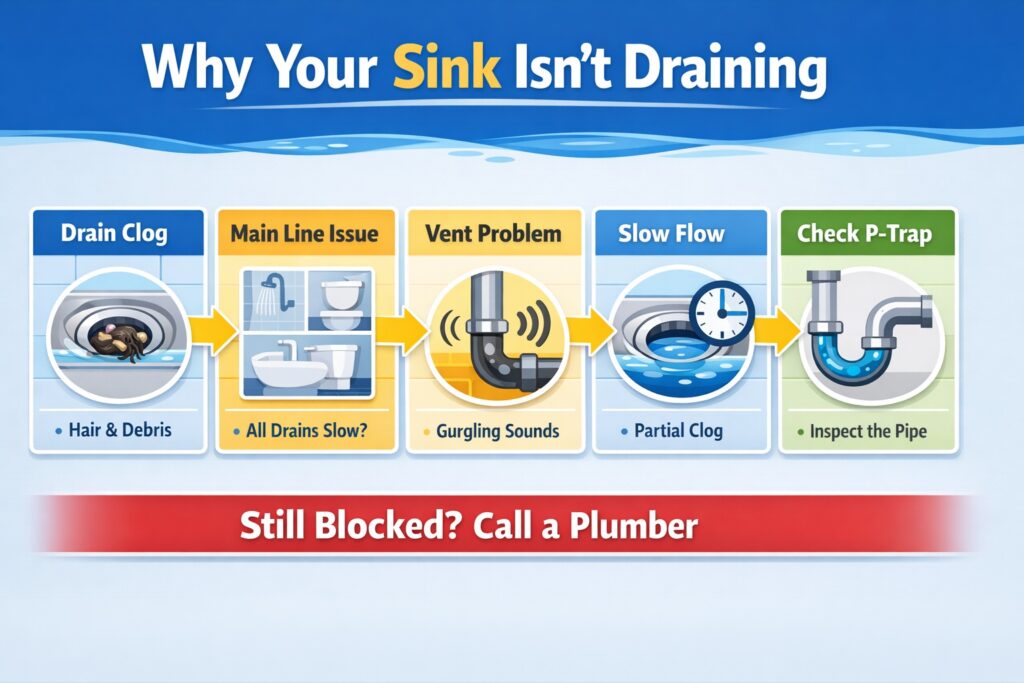
When water starts sitting in the sink instead of draining properly, the first step is figuring out where the problem is coming from. Some issues are caused by simple blockages near the drain opening, while others point to deeper plumbing or venting problems within the system. By checking a few key signs, you can better understand whether the issue is minor or something that needs professional attention.
1. Check for Visible Obstructions
Start by removing the drain cover or pop-up stopper and inspecting the opening. You might see a clump of hair, soap buildup, or food debris sitting just below the surface. Use a torch to get a clear view, and if you spot something within reach, carefully pull it out with needle-nose pliers or a bent wire hook.
2. Test Other Fixtures
Run water in nearby sinks, showers, or toilets. If multiple drains are slow or gurgling, the blockage is likely further down the main drain line rather than isolated to one sink. This pattern suggests a shared pipe issue that may need professional CCTV inspection to locate and clear.
3. Listen for Unusual Sounds
Gurgling noises when water drains can indicate a venting problem or partial blockage. The sound occurs when air is trapped and forced through standing water. If you hear this consistently, it’s a sign that your plumbing system isn’t breathing properly, and a licensed plumber should assess the vent stack.
4. Observe Drainage Speed
Does the water drain slowly but eventually clear, or does it stop completely? Slow drainage often means a partial clog building up over time, while standing water points to a full blockage. Knowing the difference helps you decide whether a DIY attempt is worthwhile or if immediate professional help is needed.
5. Inspect the P-Trap
Place a bucket under the P-trap—the curved pipe beneath your sink—and carefully unscrew the slip nuts by hand or with a wrench. Remove the trap and check inside for accumulated gunk, small objects, or corrosion. Cleaning this section often restores full drainage if the blockage is localised.
Identifying the cause early can help prevent a small drainage issue from turning into a bigger plumbing problem. Simple inspections often reveal whether the blockage is close to the sink or deeper in the pipework. If the water still does not clear after these checks, calling a licensed Sydney plumber is the safest way to restore proper drainage and avoid further damage.
Simple Steps to Clear a Blocked Sink Drain at Home
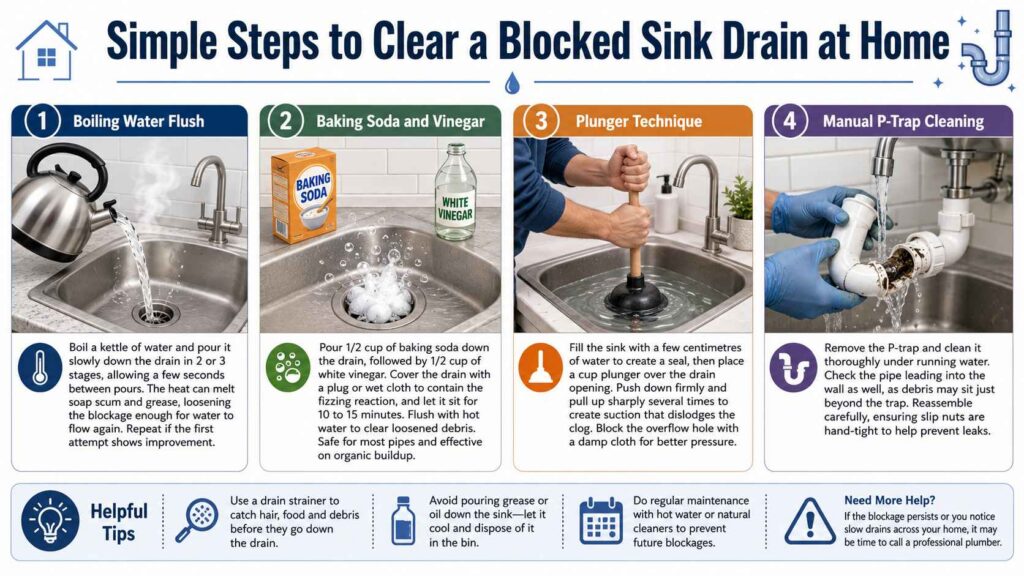
Before calling a plumber, there are a few safe and effective methods you can try to clear minor blockages. These approaches work best when the clog is fresh and hasn’t hardened or moved deep into the pipe system. Always start with the least invasive option and work your way up if needed.
- Boiling Water Flush: Boil a kettle of water and pour it slowly down the drain in two or three stages, allowing a few seconds between pours. The heat can melt soap scum and grease, loosening the blockage enough for water to flow again. Repeat the process if the first attempt shows improvement.
- Baking Soda and Vinegar: Pour half a cup of baking soda down the drain, followed by half a cup of white vinegar. Cover the drain with a plug or wet cloth to contain the fizzing reaction, and let it sit for 10 to 15 minutes. Flush with hot water to clear loosened debris. This method is safe for most pipes and works well on organic buildup.
- Plunger Technique: Fill the sink with a few centimetres of water to create a seal, then place a cup plunger over the drain opening. Push down firmly and pull up sharply several times to create suction that dislodges the clog. Block the overflow hole with a damp cloth for better pressure.
- Manual P-Trap Cleaning: As mentioned earlier, remove the P-trap and clean it thoroughly under running water. Check the pipe leading into the wall as well—sometimes debris sits just beyond the trap. Reassemble carefully, ensuring slip nuts are hand-tight to prevent leaks.
If these steps don’t restore normal drainage, or if water backs up quickly after clearing, the blockage is likely deeper in the system. That’s when professional tools and NSW-licensed expertise become necessary to avoid damaging your pipes or worsening the problem.
When to Call a Licensed Plumber for Sink Drainage Problems
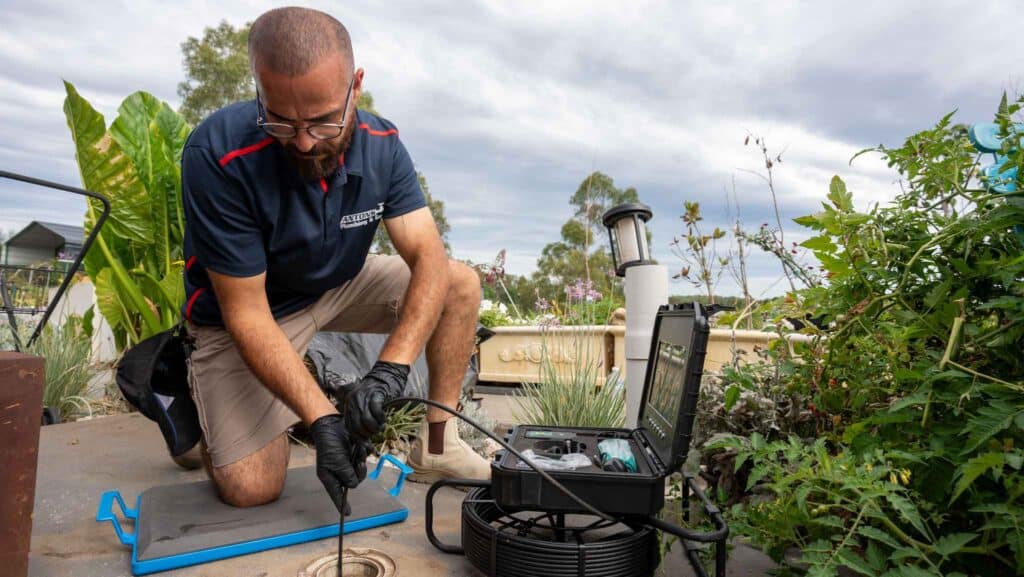
Some drainage issues are beyond DIY fixes and require the tools, training, and licensing that only a qualified plumber can provide. Under NSW law, permanent repairs to water and drainage pipework must be carried out by a licensed plumber—Anton’s Plumbing & Gas holds NSW Lic. 210933C, so every repair we complete is fully compliant and safe. Recognising these situations early saves you from costly damage, wasted time, and potential safety hazards. Here are clear signs that professional help is the right choice.
- Multiple Fixtures Affected: If sinks, showers, and toilets are all draining slowly or backing up, the blockage is in your main sewer line. This requires CCTV drain inspection to pinpoint the location and cause, followed by high-pressure jetting or pipe relining to restore flow.
- Recurring Blockages: A drain that clogs repeatedly within weeks or months indicates a structural issue—such as incorrect pipe slope, root intrusion, or partial collapse—that needs permanent repair rather than temporary clearing.
- Foul Odours or Sewage Backup: Unpleasant smells or wastewater rising in your sink are signs of a serious blockage or broken pipe. These situations pose health risks and require immediate attention from a licensed plumber who can safely diagnose and fix the problem.
- Slow Drainage After DIY Attempts: If you’ve tried hot water, plunging, and P-trap cleaning without success, the clog is likely deep in the system or caused by something that manual methods can’t reach. Professional equipment is needed to avoid further damage.
- Visible Pipe Damage or Leaks: Cracks, corrosion, or water pooling under your sink point to failing pipes that need replacement or relining. Ignoring these signs can lead to burst pipes, water damage, and mould growth.
At Anton’s Plumbing & Gas (NSW Lic. 210933C), we offer same-day service across Sydney with no call-out fee. Our licensed plumbers arrive with CCTV cameras, high-pressure jetters, and the experience to diagnose root causes—not just symptoms. You’ll receive upfront pricing in AUD, clear options, and compliant repairs backed by a lifetime labour warranty.
Preventing Future Sink Drainage Problems in Sydney Homes
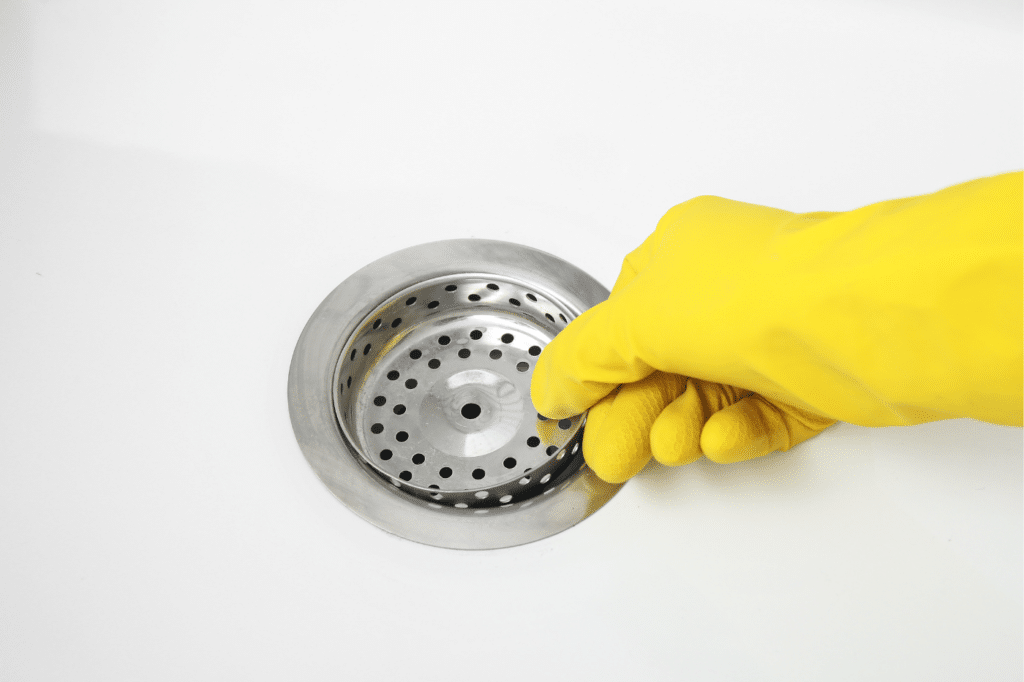
Once your drain is flowing freely again, a few simple habits can keep it that way. Prevention is always easier and cheaper than emergency repairs, and most blockages are avoidable with regular care.
- Use Drain Strainers: Install mesh strainers in bathroom and kitchen sinks to catch hair, food particles, and debris before they enter the pipes. Empty and clean strainers weekly to maintain effectiveness.
- Avoid Pouring Grease Down the Drain: Cooking oils and fats solidify as they cool, coating pipe walls and trapping other debris. Collect grease in a container and dispose of it in your rubbish bin instead.
- Flush with Hot Water Regularly: Once a week, run hot water for a minute or two to help dissolve soap scum and flush away minor buildup before it hardens into a blockage.
- Clean Pop-Up Stoppers: Remove and rinse bathroom sink stoppers every few weeks to prevent hair and soap accumulation. This simple step keeps the drain opening clear and improves flow.
- Schedule Preventive Inspections: For older homes or properties with large trees nearby, an annual CCTV inspection can catch root intrusion or pipe wear before they cause major blockages. Early detection saves money and prevents emergency callouts.
If you’re managing a strata property, café, or rental portfolio in Sydney, regular drain maintenance protects your investment and keeps tenants or customers happy. We offer tailored maintenance plans for commercial and multi-unit properties across Sydney, with clear reporting and compliance documentation for your records, including anything required for Sydney Water or NSW Fair Trading purposes.
How Anton’s Plumbing & Gas Delivers Fast, Compliant Sink Drain Solutions

When you call us about a blocked sink, we don’t just clear the immediate clog and leave. Our process starts with understanding your specific situation—how long the problem has existed, which fixtures are affected, and any previous attempts to fix it. This information helps us arrive prepared with the right tools and equipment.
On-site, we inspect the drain, test water flow, and use CCTV cameras when needed to see inside your pipes. You’ll receive a clear explanation of what we find, along with an upfront quote in AUD for the recommended repair. We don’t start work until you approve the quote, and we never add hidden fees or surprise charges.
Repairs are completed to AS/NZS 3500 standards, the national plumbing code that also underpins NSW plumbing regulation, using quality parts and proven techniques. We clean up thoroughly before we leave, disposing of any waste and ensuring your space is as tidy as we found it. Every job is backed by our lifetime labour warranty, so if an issue arises from our workmanship, we’ll return and fix it at no charge.
We serve the entire Sydney Metro—Inner West, Eastern Suburbs, North Shore, Northern Beaches, Hills District, Western and South-Western Sydney, and Sutherland Shire. Same-day service is our standard, and we’re available 24/7 for emergencies with no call-out fee. Call us on 0493 824 176 or book online for fast, reliable help.
Conclusion
Water pooling in your sink signals a blockage that needs attention, whether it’s a simple hair clog or a deeper pipe issue. Understanding the causes and knowing when to call a licensed Sydney plumber protects your home and saves you time. We’re here to diagnose the root cause, present clear options, and deliver compliant repairs that last—same day, with upfront AUD pricing and a lifetime labour warranty.
Antons Plumbing & Gas (NSW Lic. 210933C) offers expert blocked drain solutions backed by 25 years of experience. Our licensed team provides same-day service across Sydney with upfront pricing. Contact us today to get started.
Related Articles
- 5 Common Reasons Why Isn’t My Kitchen Sink Draining Properly?
- Kitchen Drain Clogged? Here’s How to Fix It Quickly and Safely
FAQs
What Causes Sink Water To Not Drain?
Sink water may not drain due to a buildup of food particles, grease, hair, or foreign objects clogging the pipes. Over time, these blockages can restrict water flow, leading to drainage issues. As experienced Sydney plumbers, we use advanced techniques, including CCTV inspections, to accurately identify the root cause of the problem.
How Do I Fix A Sink That Won’t Drain?
To fix a sink that won’t drain, you can start by using a plunger to dislodge any minor clogs. If this doesn’t work, try a mixture of baking soda and vinegar to break down buildup. For persistent issues, it’s best to call a professional plumber who can provide a thorough inspection and effective solutions, ensuring your plumbing is restored safely and efficiently.
Is It Normal For Sink Water To Drain Slowly?
While occasional slow drainage may occur, it’s not considered normal and can indicate a clog or issue within your plumbing system. Slow drains can lead to more serious problems if not addressed promptly. Our team is ready to help diagnose and remedy slow drains to prevent further complications.
What Should I Do If My Sink Is Clogged?
If your sink is clogged, start by removing any visible debris and using a plunger. If the clog persists, avoid using chemical drain cleaners, as they can damage pipes. Contacting a professional plumber is the best course of action, as we can safely and effectively clear the clog without risking damage to your plumbing system.
Can A Clogged Sink Cause Other Plumbing Issues?
Yes, a clogged sink can lead to various plumbing issues, including overflow, water damage, and increased pressure in your pipes, which may result in leaks or bursts. Addressing clogs promptly with the help of our skilled team can prevent these potential problems and ensure your plumbing remains in excellent condition.
How Much Does It Cost To Fix A Blocked Sink Drain In Sydney?
Cost depends on what’s causing the blockage and how accessible it is, so we don’t quote a fixed figure without seeing the job. What we can promise is an obligation-free, upfront quote in AUD before any work begins, plus no call-out fee for our Sydney customers.
Do You Offer Same-Day Blocked Drain Service In Sydney?
Yes, same-day service is our standard across the Sydney Metro area. Call us or book online and we’ll aim to have a licensed plumber at your door the same day to clear the blockage.
Is Anton’s Plumbing & Gas Licensed To Fix Blocked Drains In NSW?
Yes, we hold NSW Lic. 210933C, meaning every drain repair, pipe replacement, or gas job we carry out is fully licensed and compliant with NSW plumbing regulations and AS/NZS 3500 standards.
Do You Provide Emergency Plumbing Services After Hours In Sydney?
Yes, we’re available 24/7 for plumbing emergencies, including sudden sink backups, overflows, and sewage smells that can’t wait until business hours.
What Sydney Suburbs Do You Service For Blocked Drain Repairs?
We cover the entire Sydney Metro, including the Inner West, Eastern Suburbs, North Shore, Northern Beaches, Hills District, Western and South-Western Sydney, and the Sutherland Shire.
How Quickly Can A Plumber Come To Fix My Blocked Sink?
In most cases, our licensed plumbers can attend the same day you call. For urgent overflows or sewage backups, mention it’s an emergency when you book so we can prioritise your job.
Do You Provide Upfront Pricing Before Starting Work?
Yes, we always inspect the problem first and give you a clear, upfront quote in AUD before we start any repair. We won’t begin work until you’ve approved the price, and there are no hidden fees.
Do You Offer A Warranty On Drain Repairs?
Yes, every job we complete is backed by a lifetime labour warranty. If an issue arises from our workmanship, we’ll return and fix it at no charge.
Can You Help With Blocked Drains In Strata Or Rental Properties?
Yes, we offer tailored maintenance plans for strata buildings, rental portfolios, and commercial properties across Sydney, with clear reporting and compliance documentation for owners and managers.
Do I Need Sydney Water Approval To Fix A Blocked Sink Drain?
Plumbing inside your home is your responsibility, while Sydney Water owns the main sewer beyond your boundary trap. If a blockage sits past that point, our licensed plumbers can liaise with Sydney Water on your behalf as part of the repair.
What Should I Do If My Sink Is Overflowing Right Now?
Turn off the tap immediately, avoid running any more water down nearby drains, and call our 24/7 emergency line. A licensed plumber can attend promptly to stop the overflow and clear the blockage safely.
Can You Inspect My Drains With A CCTV Camera Before Quoting?
Yes, we use CCTV drain cameras to see exactly what’s happening inside your pipes before recommending a fix, so you get an accurate diagnosis and quote rather than guesswork.
How Do I Book A Plumber For A Blocked Sink In Sydney Today?
You can call us on 0493 824 176 or book online through our website. Let us know it’s a blocked sink and we’ll arrange same-day attendance where possible.
Is There A Call-Out Fee For Blocked Drain Service?
No, we don’t charge a call-out fee for our Sydney customers. You only pay for the agreed, upfront-quoted repair once you’ve approved it.
Do You Handle Both Blocked Kitchen And Bathroom Sinks?
Yes, our licensed plumbers fix blockages in kitchen sinks, bathroom sinks, laundry tubs, and any other fixture across your Sydney home or business.