


A toilet that refuses to flush ranks among the most frustrating household problems for any Sydney homeowner. You press the button or pull the lever, and nothing happens—or worse, the bowl fills without draining. The good news is that many flushing issues stem from straightforward causes you can troubleshoot yourself before calling for backup.
This guide walks you through what to do if your toilet doesn’t flush. You’ll also learn when a problem requires professional diagnosis and how our team at Antons Plumbing & Gas (NSW Lic. 210933C) can restore reliable flushing across Sydney homes—same day, with no call-out fee.
Key Takeaways
- A clogged trap or drain is the leading cause of poor flushing and often responds to a flange plunger or toilet auger.
- Low water in the cistern reduces flush power; adjusting the fill valve or float usually corrects the level.
- Worn flappers and tangled lift chains prevent the tank from releasing water properly during a flush.
- Blocked vent pipes and main sewer clogs require professional CCTV inspection and clearing to restore flow.
- Same-day service from our licensed NSW plumbers (Lic. 210933C) ensures compliance with AS/NZS 3500 and Sydney Water requirements, backed by a lifetime labour warranty on repairs.
Why Your Toilet Doesn’t Flush and How to Fix It
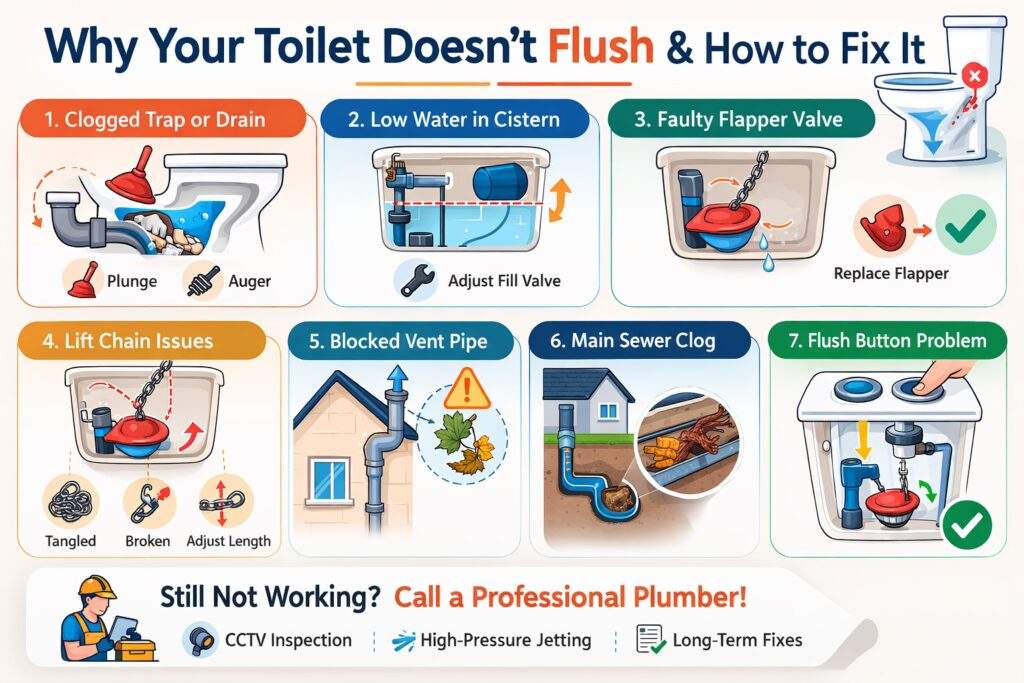
Most flushing failures trace back to one of five culprits: a blockage in the trap or drain, insufficient water in the cistern, a faulty flapper valve, a kinked or broken lift chain, or an obstruction in the vent stack. Understanding which component is responsible helps you choose the right fix—or decide when to hand the job to a licensed plumber.
Below, we break down each cause and the steps to resolve it. Some repairs take minutes with basic tools, while others signal deeper plumbing issues that need expert attention and, in some cases, sign-off under NSW plumbing regulations.
1. Clogged Toilet Trap or Drain
The trap—the curved section at the base of your toilet—catches waste and forms a water seal against sewer gases. When too much paper, hygiene products, or foreign objects accumulate, the trap blocks and water cannot exit the bowl. You’ll notice the bowl filling high or draining very slowly, often with a gurgling sound.
Grab a flange plunger (the type with an extended rubber cup) and position it over the outlet hole at the bottom of the bowl. Push down firmly, then pull up sharply to create suction. Repeat ten to fifteen times. If the water level drops and drains normally, the blockage has cleared. For stubborn clogs, feed a toilet auger—a flexible metal cable with a crank handle—into the trap until you feel resistance, then rotate the handle to break up or hook the obstruction.
If plunging and augering fail to restore flow, the blockage may sit further down the drain line or involve tree roots in older clay pipes, common across many Sydney suburbs. Our CCTV drain inspection service pinpoints the exact location and nature of the clog, so we can clear it with high-pressure jetting or recommend pipe relining if the line is damaged.
2. Low Water Level in the Cistern
A toilet needs a full tank to generate enough force for a complete flush. Open the lid of your cistern and check the water level—it should sit roughly 25 millimetres below the overflow tube. If the level is low, the flush will be weak or incomplete.
Locate the fill valve (the tall assembly on the left side of most cisterns) and find the adjustment screw or clip on the float arm. Turn the screw clockwise or slide the clip upward to raise the float, allowing more water into the tank. Flush once and observe whether the water reaches the correct height. If the tank still underfills, the fill valve itself may be worn or clogged with sediment and should be replaced.
Low mains water pressure can also prevent the cistern from filling properly. Sydney homes in elevated areas or older suburbs sometimes experience reduced Sydney Water mains pressure during peak demand. Our team can install a pressure-limiting valve or recommend a dual-flush suite designed for lower-pressure supply lines.
3. Faulty or Worn Flapper Valve
The flapper is a rubber disc that seals the flush valve at the bottom of the cistern. When you activate the flush, a lift chain pulls the flapper open, releasing water into the bowl. Over time, hard water deposits, chlorine, and mechanical stress cause the rubber to harden, warp, or crack. A damaged flapper leaks water into the bowl between flushes—you’ll hear the cistern refilling every few minutes—and prevents a strong flush because the tank never holds its full volume.
Turn off the water supply valve beneath the toilet and flush to empty the cistern. Unhook the old flapper from the pegs on either side of the flush valve and disconnect the lift chain. Take the worn flapper to a hardware store to match the size and style, then install the new one by reversing the removal steps. Restore the water supply and test the flush. The running should stop, and the flush should feel noticeably stronger.
If you’re unsure which flapper fits your cistern or the problem persists after replacement, our licensed plumbers carry a range of quality parts and can swap the valve on the spot during a same-day visit.
4. Tangled, Broken, or Misadjusted Lift Chain
The lift chain connects the flush button or lever to the flapper. If the chain is too long, it develops slack and the flapper won’t lift high enough to release a full flush. If it’s too short or tangled, the flapper can’t seal properly and water leaks continuously. A broken chain means no flush at all.
Open the cistern and press the flush button while watching the chain. It should pull the flapper straight up without excessive slack or tension. Adjust the chain length by moving the clip to a different link, leaving about 12 millimetres of slack when the flapper is seated. If the chain is corroded or snapped, replace it with a stainless-steel or plastic chain from any plumbing supplier.
This fix takes less than five minutes and requires no special tools. It’s one of the simplest ways to restore a reliable flush and stop that annoying trickle into the bowl.
5. Blocked Vent Pipe
Every toilet connects to a vent stack that runs up through your roof, allowing air into the drain system so waste can flow freely. When leaves, bird nests, or debris block the vent, negative pressure builds in the pipes and the toilet drains slowly or gurgles during a flush. You might also notice sewer odours indoors.
Vent blockages are harder to diagnose from inside the house. If you’re comfortable on a ladder, inspect the vent opening on your roof for obvious obstructions and remove them carefully. For blockages deeper in the stack or if you’re unsure of the vent layout, call a licensed plumber. We use CCTV cameras to inspect vent lines and clear blockages with specialised tools, ensuring your drainage system meets AS/NZS 3500 requirements and Sydney Water standards.
Vent issues are common in Sydney’s older suburbs where trees overhang rooflines. Regular gutter cleaning and a vent cap can help prevent future clogs.
6. Main Sewer Line Clog
If every drain in your home is slow—showers, sinks, and toilets—the problem likely sits in the main sewer line rather than a single fixture. Tree roots, collapsed clay pipes, and grease build-up are frequent culprits in Sydney’s ageing infrastructure. A main-line clog causes sewage to back up into the lowest drains first, often the downstairs toilet or laundry.
Do not attempt to clear a main sewer blockage yourself. Our team will perform a CCTV drain inspection to locate the obstruction, then use high-pressure water jetting to clear roots and debris. If the pipe is cracked or collapsed, we’ll present options for excavation or trenchless pipe relining, which inserts a resin-lined sleeve into the existing pipe to create a new, smooth interior without digging up your garden.
Main sewer work must comply with Sydney Water guidelines and local council regulations. As a licensed NSW plumbing business (Lic. 210933C), we handle all permits, inspections, and compliance certificates so you can be confident the repair is done right.
7. Incorrect Flush-Button Mechanism
Dual-flush toilets have two buttons—one for a half flush and one for a full flush. If the linkage inside the cistern is bent, disconnected, or installed incorrectly, pressing the button may not activate the flapper at all. You’ll press the button and nothing happens, or only a trickle of water enters the bowl.
Remove the cistern lid and press each button while observing the internal mechanism. The button should push down on a plastic actuator that lifts the flapper via the chain or a direct rod. If the actuator is cracked or the connection is loose, replacement parts are available at most hardware stores. Align the new actuator with the button and test both half and full flush modes.
For concealed cisterns—common in modern Sydney bathrooms—accessing the mechanism requires removing the wall panel. If you’re not confident working behind the wall, our plumbers can diagnose and repair the flush button quickly, leaving your bathroom tidy and the flush working perfectly.
When to Call a Licensed Sydney Plumber

Some toilet problems are simple enough for a confident homeowner to fix. Others require diagnostic tools, replacement parts, or compliance knowledge that only a licensed plumber can provide. In NSW, certain plumbing work legally must be carried out or signed off by a licensed practitioner—knowing the difference saves you time, money, and potential damage to your plumbing system.
Call us if your toilet won’t flush after you’ve tried plunging and adjusting the cistern components. Persistent clogs, recurring leaks, or multiple slow drains point to issues in the main sewer line or vent stack that need CCTV inspection. If you notice cracks in the porcelain, water pooling around the base, or sewage odours indoors, stop using the toilet and contact a plumber immediately. Antons Plumbing & Gas holds NSW Lic. 210933C, so every repair, replacement, or compliance certificate we issue meets NSW Fair Trading and Sydney Water requirements.
We also handle toilet replacements, bathroom renovations, and upgrades to water-efficient dual-flush models. Every installation is completed to AS/NZS 3500 standards, with clear documentation and a compliance certificate where required. Our fixed-rate pricing in AUD means you’ll know the cost before we start, and our same-day service ensures you’re not left without a working toilet for long.
What to Expect When You Book Antons Plumbing & Gas
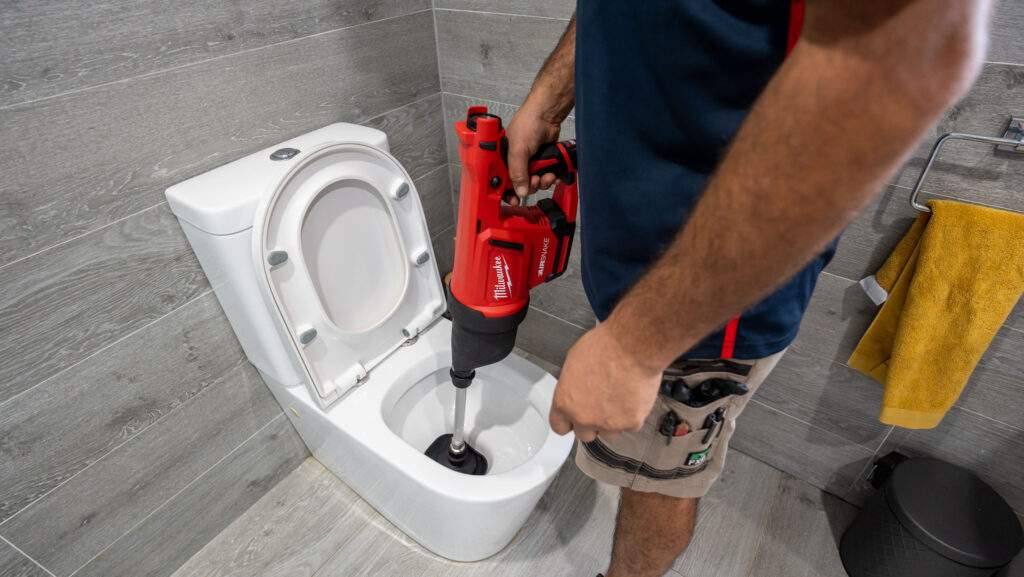
When you call 0493 824 176 or book online, our team will ask a few questions about your toilet issue to bring the right tools and parts. We offer same-day appointments across the Inner West, Eastern Suburbs, North Shore, Northern Beaches, Hills District, and Western and South-Western Sydney. There’s no call-out fee, and our licensed plumbers (NSW Lic. 210933C) arrive in marked vehicles with upfront pricing in AUD.
On arrival, we’ll diagnose the root cause—whether that’s a blocked trap, faulty cistern components, or a main sewer clog. You’ll receive a clear explanation of the problem and a fixed-rate quote before any work begins. If you approve, we complete the repair on the spot, test the flush, and clean up thoroughly. Every job is backed by a lifetime labour warranty, so if an issue recurs due to our workmanship, we’ll return and fix it at no extra cost.
For complex issues like pipe relining or main sewer clearance, we’ll perform a CCTV inspection and provide a detailed report with photos and repair options. You choose the solution that fits your budget and timeline, and we handle permits, Sydney Water compliance, and council notifications as needed.
Preventing Future Flushing Problems

Regular maintenance keeps your toilet flushing reliably and extends the life of cistern components. Avoid flushing anything other than toilet paper and human waste—wipes labelled “flushable” often don’t break down and cause clogs, and can contribute to blockages in Sydney Water’s network. Keep a small bin in the bathroom for hygiene products, cotton buds, and dental floss.
Inspect the cistern every few months. Look for mineral deposits on the fill valve and flapper, and wipe them away with a damp cloth and white vinegar. Check that the lift chain has the right amount of slack and that the water level sits just below the overflow tube. If you hear the toilet running between flushes, investigate immediately rather than waiting for the problem to worsen.
In Sydney’s hard-water areas, scale build-up can shorten the life of rubber seals and valves. Installing a water softener or using a cistern-block descaler helps reduce mineral deposits. Our team can recommend products that won’t damage your plumbing or void manufacturer warranties.
For homes with older clay sewer pipes, schedule a CCTV drain inspection every few years to catch tree-root intrusion early. Clearing roots before they block the line completely is faster and less expensive than emergency callouts. We offer preventive maintenance packages for strata, landlords, and homeowners across Sydney who want peace of mind.
Conclusion
A toilet that doesn’t flush usually has a fixable cause—clogged trap, low cistern water, worn flapper, tangled chain, or blocked vent. Many repairs take minutes with basic tools, but persistent issues or main sewer clogs need professional diagnosis and clearing. Our licensed Sydney plumbers (NSW Lic. 210933C) deliver same-day, fixed-rate repairs backed by a lifetime labour warranty, so you can trust the work is done right and compliant with Australian Standards and Sydney Water requirements.
Antons Plumbing & Gas offers expert toilet repairs and blocked drain solutions across Sydney Metro. Our licensed team diagnoses flushing issues fast with upfront AUD pricing. Call 0493 824 176 to get started today.
Related Articles
- 5 Common Causes When Your Toilet Smells Like Sewage
- Know When You Need a Sydney Emergency Plumber
- How to Fix a Toilet That Won’t Flush Without Professional Tools
FAQs
What Causes A Toilet To Not Flush?
A toilet may not flush due to a variety of reasons, including a clogged drain, a malfunctioning flapper, insufficient water in the tank, or issues with the flush handle or chain. Our experienced team at Antons Plumbing & Gas (NSW Lic. 210933C) can quickly diagnose the problem and provide effective solutions tailored to your Sydney home.
How Do You Fix A Toilet That Won’t Flush?
To fix a toilet that won’t flush, start by checking the water level in the tank. If it’s low, ensure the shut-off valve is fully open. Inspect the flapper for damage and replace it if necessary. If the issue persists, it may be a clog or a more complex plumbing problem. Our skilled Sydney plumbers are equipped to handle any toilet repair efficiently and effectively.
Can A Toilet Flush Without Water?
No, a toilet cannot flush without water in the tank. The water is essential for creating the necessary pressure to flush waste down the drain. If your toilet is not flushing due to low water levels, contact Antons Plumbing & Gas for prompt assistance and solutions.
What Should I Do If My Toilet Is Clogged?
If your toilet is clogged, try using a plunger to dislodge the blockage. If that doesn’t work, avoid flushing repeatedly as it may cause an overflow. Instead, consider calling a licensed plumber from Antons Plumbing & Gas, who can perform a thorough inspection and resolve the issue safely.
How Do You Know If Your Toilet Needs A New Flapper?
You may need a new flapper if you notice water continuously running into the bowl, a weak flush, or if the flapper appears warped or damaged. Our team can assess the condition of your toilet components and recommend replacements or repairs to ensure optimal performance.
How Much Does It Cost To Fix A Toilet That Won’t Flush In Sydney?
Cost depends on the cause—whether it’s a simple flapper replacement or a main sewer clog needing CCTV inspection. We always provide a fixed-rate quote in AUD before any work begins, so there are no surprises. Call 0493 824 176 for an obligation-free assessment.
Do You Charge A Call-Out Fee For Toilet Repairs?
No. Antons Plumbing & Gas doesn’t charge a call-out fee for toilet repairs anywhere across Sydney Metro. You only pay the fixed-rate price we quote once we’ve diagnosed the issue.
How Quickly Can A Plumber Get To My Home In Sydney?
We offer same-day appointments across the Inner West, Eastern Suburbs, North Shore, Northern Beaches, Hills District, and Western and South-Western Sydney. Book online or call 0493 824 176 and we’ll aim to have a licensed plumber at your door the same day.
Is Antons Plumbing & Gas Licensed To Work In NSW?
Yes. We hold NSW Lic. 210933C, which means every toilet repair, installation, or compliance certificate we provide meets NSW Fair Trading and Sydney Water requirements.
Do You Offer Emergency Toilet Repair On Weekends And Public Holidays?
Yes, we provide emergency plumbing services for urgent toilet and drain issues, including weekends. If your toilet won’t flush and you can’t wait, call 0493 824 176 and we’ll organise the fastest available appointment.
What Suburbs Across Sydney Do You Service?
We service Sydney Metro broadly, including the Inner West, Eastern Suburbs, North Shore, Northern Beaches, Hills District, and Western and South-Western Sydney. Check our suburb service pages or call us to confirm coverage for your address.
Will I Get An Upfront Quote Before Any Work Starts?
Always. Once we’ve diagnosed the cause of your flushing issue, we’ll give you a fixed-rate quote in AUD before starting any repair, so you know exactly what to expect.
Do You Offer A Warranty On Toilet Repairs?
Yes. All repairs completed by our licensed plumbers are backed by a lifetime labour warranty. If the same issue recurs due to our workmanship, we’ll return and fix it at no extra cost.
Can You Repair Toilets In Strata Or Rental Properties?
Yes, we regularly work with strata managers, landlords, and tenants across Sydney. We can liaise directly with property managers, provide compliance documentation, and schedule repairs around tenants’ availability.
Do I Need Council Approval To Replace My Toilet?
Standard toilet replacements typically don’t require council approval, but work affecting the main sewer line may need Sydney Water or council sign-off. Our licensed team handles any required permits and compliance certificates on your behalf.
Can You Supply And Install A New Water-Efficient Toilet?
Yes, we supply and install water-efficient dual-flush toilet suites suited to Sydney’s water pressure and Sydney Water standards. We’ll recommend the right model for your bathroom and provide a fixed-rate quote in AUD.
Do You Provide Compliance Certificates For Plumbing Work?
Yes. As a NSW licensed plumbing business (Lic. 210933C), we issue compliance certificates for eligible work, ensuring it meets AS/NZS 3500 and Sydney Water regulations.
How Do I Book A Plumber With Antons Plumbing & Gas?
You can book online or call 0493 824 176 directly. Let us know your toilet issue and preferred time, and we’ll confirm a same-day or next available appointment.
What Payment Options Do You Accept?
We offer a range of convenient payment options for Sydney customers. Ask our team when you book to confirm what suits you best.
Can You Inspect My Sewer Line With A Camera Before Quoting?
Yes. For recurring clogs or multiple slow drains, we use CCTV drain inspection to pinpoint the exact issue before recommending a fix, so you get an accurate, fixed-rate quote rather than guesswork.