


A blocked stormwater drain can turn a sudden downpour into a property-damaging flood within hours anywhere across Sydney and NSW. When water can’t flow freely through your drainage system, it backs up around your home, threatening foundations, landscaping, and even indoor areas. Understanding the root causes and warning signs helps you take action before minor blockages become expensive disasters.
This guide covers the most common causes of stormwater drain blockages, early warning signs to watch for, and practical steps you can take to prevent problems. We’ll also explain when professional intervention becomes necessary to protect your Sydney property from water damage and structural issues.
Key Takeaways
- Leaf buildup and debris are the primary causes of blocked stormwater drains during autumn months across Sydney.
- Tree root intrusion can create permanent blockages requiring professional pipe relining or replacement.
- Poor surface drainage and overflowing grates signal immediate attention is needed.
- Regular maintenance prevents most blockages, but a professional CCTV inspection identifies hidden problems.
- Same-day emergency service protects your Sydney property from flood damage and structural issues.
- Work on your home’s stormwater system must be carried out by a licensed plumber under NSW regulations.
Understanding What Causes a Blocked Stormwater Drain
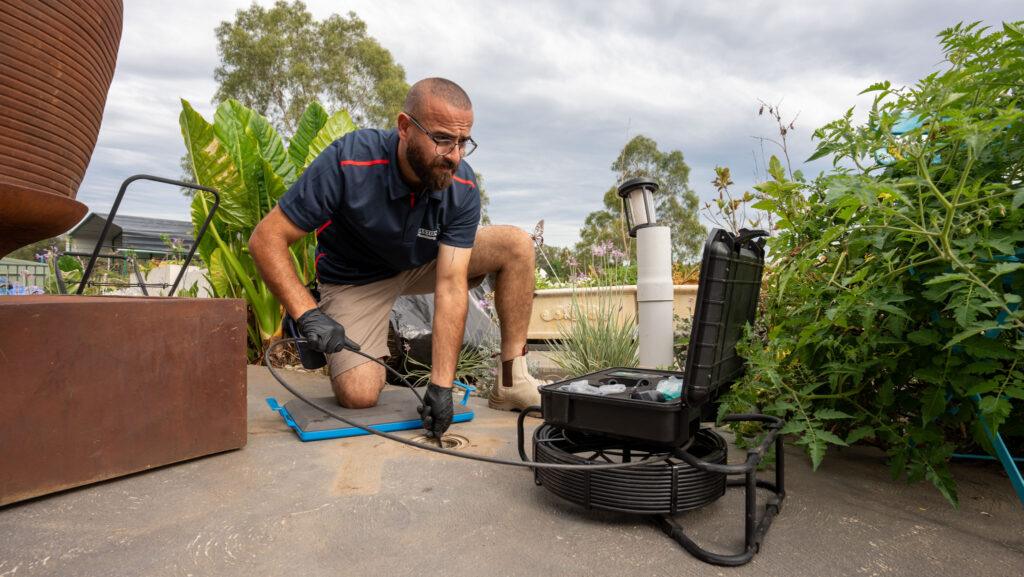
Stormwater drain blocked issues rarely happen overnight. Most blockages develop gradually as materials accumulate inside pipes and grates over weeks or months. Heavy rainfall then overwhelms the restricted system, causing water to back up and flood your property.
The location and age of your drainage system affects which problems you’re likely to face. Older Sydney homes often have clay pipes that attract tree roots, while newer properties might struggle with poor drainage design or inadequate capacity for Sydney’s intense storm events.
1. Leaf and Debris Accumulation
Autumn leaves create the most common type of stormwater drainage blockage across Sydney suburbs. Fallen leaves wash into gutters, downpipes, and street drains, forming dense mats that trap other debris. Even small amounts of leaves can completely block narrow pipe sections.
2. Tree Root Intrusion
Tree roots naturally seek water sources, making underground stormwater pipes attractive targets. Roots enter through tiny cracks or loose joints, then expand inside the pipe until water flow stops completely. This problem affects properties with mature trees, particularly in leafy, established Sydney suburbs.
3. Construction and Garden Debris
Building materials, soil, and garden clippings frequently wash into blocked stormwater systems during heavy rain. Concrete dust from renovations can harden inside pipes, while grass clippings and mulch create organic blockages that worsen over time.
4. Poor Drainage Design
Some properties have inadequate drainage capacity for Sydney’s intense storm events. Undersized pipes, insufficient fall, or missing overflow points cause water to back up even when the system is clean. These design flaws require professional assessment and upgrading, and any changes to the stormwater system typically need to meet council and Sydney Water requirements.
5. Foreign Objects and Litter
Children’s toys, plastic bags, and general litter can block stormwater drains completely. These items often lodge at pipe bends or grate openings, creating catch points for other debris. Street drains are particularly vulnerable to this type of blockage.
Recognizing Early Warning Signs of Stormwater Problems

Catching drainage problems early saves money and prevents property damage. Most blocked stormwater drain issues show clear warning signs before complete failure occurs. Learning to spot these indicators helps you take action while problems remain manageable.
- Slow surface drainage: Water pools on driveways, paths, or lawn areas for hours after rain stops.
- Overflowing grates: Water bubbles up through drain covers or flows over grate edges during moderate rain.
- Gurgling sounds: Unusual noises from downpipes or underground drains indicate restricted flow.
- Wet patches: Persistent damp areas in gardens or near buildings suggest underground drainage problems.
- Unpleasant odours: Stagnant water in blocked pipes creates musty or sewage-like smells.
- Visible debris: Leaves, sediment, or foreign objects accumulating around drain openings.
Regular inspection after heavy rain reveals developing issues. Walk around your property and check how water drains from paved areas, garden beds, and roof gutters.
Preventative Maintenance You Can Perform Yourself

Regular maintenance prevents most stormwater drain blockages and extends your drainage system’s lifespan. Simple tasks performed monthly can save on emergency repairs and flood damage. Most maintenance work requires basic tools and takes less than an hour to complete.
Focus your efforts on accessible areas like gutter downpipes, surface grates, and visible drain openings. Underground pipes and complex blockages require professional equipment and expertise, and in NSW this work must be carried out by a licensed plumber.
1. Clear Surface Debris Regularly
Remove leaves, twigs, and litter from drain grates and surrounding areas weekly during autumn. Use a garden rake or broom to clear debris before it washes into the system. This simple step prevents most seasonal blockages.
2. Flush Accessible Drains
Pour water down accessible drains monthly to check flow rates and clear minor accumulations. Start with a bucket of clean water, then use a garden hose if flow seems restricted. Stop immediately if water backs up.
3. Trim Overhanging Vegetation
Cut back tree branches and shrubs that drop leaves or debris near drainage points. Keep vegetation at least one metre away from drain openings where possible. This reduces the volume of organic matter entering your system.
4. Inspect After Heavy Rain
Check how your drainage system performs during and after significant rainfall events, which are common across Sydney in summer storm season. Note any areas where water pools or drains slowly, as these indicate developing problems that need attention.
5. Clean Gutters and Downpipes
Blocked gutters overflow into garden beds and around building foundations instead of directing water to proper drainage points. Clean gutters quarterly and ensure downpipes connect properly to underground drains.
When Professional Intervention Becomes Essential

Some stormwater drain blocked problems require professional diagnosis and repair to prevent serious property damage. Attempting DIY repairs on underground pipes or complex blockages often makes problems worse and more expensive to fix. Professional intervention becomes necessary when basic maintenance fails to restore proper drainage.
We use specialised equipment like CCTV drain cameras and high-pressure water jetting to diagnose and clear blockages safely. Our licensed plumbers can identify structural problems, tree root intrusion, and pipe damage that homeowners can’t detect or repair themselves.
It’s worth noting that stormwater drainage on private property in NSW falls under the NSW Plumbing and Drainage Regulation and relevant Australian Standards (AS/NZS 3500), while the street and trunk drainage network is typically managed by Sydney Water or your local council. If a blockage is inside your property boundary, it’s your responsibility to arrange repairs through a licensed plumber; if it’s in the council or Sydney Water network, we can help you confirm this and lodge a report with the right authority.
| Problem Type | DIY Suitable | Professional Required |
|---|---|---|
| Surface debris removal | Yes | No |
| Gutter cleaning | Yes | No |
| Tree root intrusion | No | Yes |
| Pipe damage or collapse | No | Yes |
| Underground blockages | No | Yes |
| System design problems | No | Yes |
Signs You Need Professional Help
Water backing up inside your home or persistent flooding around buildings indicates serious drainage failure. These problems require immediate professional attention to prevent structural damage and health hazards.
- Water entering buildings through floor drains or low-lying areas
- Sewage odours coming from stormwater drains
- Visible pipe damage, cracks, or collapsed sections
- Recurring blockages despite regular maintenance
- Large trees near drainage lines showing signs of root problems
If you notice any of these signs, call a licensed Sydney plumber straight away rather than continuing to try DIY fixes. Antons Plumbing & Gas holds NSW Licence 210933C and can attend most Sydney Metro suburbs the same day – call +61493824176.
Professional Repair Methods for Blocked Stormwater Drains

Professional stormwater drain repairs use specialised techniques that provide long-lasting solutions to drainage problems. High-pressure water jetting clears most blockages without damaging pipes, while CCTV inspection identifies exactly where problems occur. More serious issues like tree root intrusion or pipe damage require advanced repair methods.
We diagnose the root cause before recommending repair options, ensuring you get the most cost-effective solution for your specific situation. Our fixed-rate pricing, quoted upfront in AUD before any work begins, means you know the cost with no hidden fees or surprises.
1. High-Pressure Water Jetting
Powerful water jets clear debris, sediment, and minor root intrusions from pipes without excavation. This method works effectively on most organic blockages and restores full pipe capacity. Water jetting also cleans pipe walls, reducing future blockage risk.
2. Mechanical Root Cutting
Specialised cutting tools remove tree roots from inside pipes while preserving the pipe structure. Root cutting provides immediate relief but may need repeating as roots regrow. We often combine root cutting with chemical treatments to slow regrowth.
3. Pipe Relining Technology
Damaged or root-invaded pipes can be relined with new pipe material inserted inside the existing pipe. This trenchless repair method avoids excavation while providing a permanent solution. Pipe relining typically lasts 50+ years and costs less than full replacement.
4. CCTV Drain Inspection
Camera inspection shows exactly what’s blocking your drains and identifies structural problems before they cause failures. CCTV footage helps us recommend the most appropriate repair method and provides documentation for insurance claims if needed.
5. Strategic Pipe Replacement
Severely damaged or incorrectly designed drainage sections may require replacement to prevent recurring problems. We use modern pipe materials and proper installation techniques to ensure long-term reliability, compliant with Australian Standards. Replacement often improves drainage capacity compared to original systems.
Protecting Your Sydney Property From Flood Damage

Effective stormwater management protects your property value and prevents expensive flood damage during SyEffective stormwater management protects your property value and prevents expensive flood damage during Sydney’s intense storm events. A properly functioning drainage system directs water away from buildings, foundations, and landscaping before problems develop. Regular maintenance and prompt repairs maintain this protection year-round.
- Foundation protection: Proper drainage prevents water pooling around building foundations that can cause structural damage.
- Landscape preservation: Controlled water flow protects gardens, lawns, and outdoor features from erosion and waterlogging.
- Indoor safety: Effective stormwater systems prevent water entering homes through floor drains or low-lying areas.
- Property value maintenance: Well-maintained drainage systems preserve property values and help avoid insurance claims.
- Compliance assurance: Professional repairs ensure your drainage meets current Australian Standards and council/Sydney Water requirements.
We provide same-day emergency service across all Sydney Metro regions when drainage failures threaten your property. Our availability means help is there when you need it most, and as a licensed Sydney plumbing business (NSW Lic. 210933C) we can confirm whether a blockage is your responsibility or one for the council or Sydney Water to fix.
Conclusion
Blocked stormwater drains develop from predictable causes that regular maintenance can prevent. Professional diagnosis and repair protect your Sydney property from flood damage while ensuring compliance with current standards. Same-day emergency service provides fast relief when drainage problems threaten your home or business.
When stormwater drains block, Antons Plumbing & Gas uses CCTV inspections to identify the exact cause. Our 25+ years of experience means fast, effective solutions across Sydney Metro. Learn more about our drain clearing services today.
Related Articles
- Water Damage at Strata-Managed Properties: All You Need to Know
- Storm Plumbing Emergencies: How to Avoid Costly Repairs
- Stormwater Drain Service: Prevent Floods Before They Start
FAQs
What Causes A Stormwater Drain To Become Blocked?
Stormwater drains can become blocked due to a buildup of debris such as leaves, dirt, and twigs, as well as sediment accumulation over time. Other common causes include tree roots infiltrating the pipes, foreign objects entering the system, and poor drainage design. With over 25 years of experience, Antons Plumbing & Gas can quickly diagnose the cause of any blockage. From a local Chatswood plumber to a trusted Penrith plumber, our team provides practical support for stormwater drainage problems across Sydney.
How Do You Unblock A Stormwater Drain?
To unblock a stormwater drain, you may start by removing visible debris from the surface. If the blockage persists, using a plumber’s snake or high-pressure water jetting can effectively clear the obstruction. For persistent issues, professional assistance is recommended to ensure a thorough and safe resolution. If you need a North Shore plumber for stormwater drain clearing or an Emu Plains plumber for urgent drainage help, our qualified team is equipped to handle the job efficiently.
What Are The Signs Of A Blocked Stormwater Drain?
Signs of a blocked stormwater drain include slow drainage, water pooling in your yard or driveway, unpleasant odours, and gurgling sounds from the pipes. If you notice any of these indicators, it’s essential to act quickly to prevent further damage. A reliable Northbridge plumber from Antons Plumbing & Gas can inspect the issue, identify the cause, and recommend the right solution.
Can A Blocked Stormwater Drain Cause Flooding?
Yes, a blocked stormwater drain can lead to flooding, especially during heavy rainfall. When the water cannot flow freely through the system, it can back up and overflow, causing damage to your property. If flooding risks are a concern, a licensed Hornsby plumber can provide prompt stormwater drainage assistance to help protect your home.
How Often Should Stormwater Drains Be Cleaned?
Stormwater drains should ideally be cleaned at least once a year, although more frequent cleaning may be necessary in areas with heavy foliage or during seasons with significant rainfall. Regular maintenance can help prevent blockages and flooding. Homeowners looking for a professional Ryde plumber can rely on Antons Plumbing & Gas for scheduled drain maintenance and expert advice.
Is A Blocked Stormwater Drain My Responsibility Or Sydney Water’s?
Generally, the stormwater pipes and grates within your property boundary are your responsibility, while the street drains and trunk network connecting to the wider system are managed by Sydney Water or your local council. If you’re unsure which applies to your blockage, book an inspection and our licensed plumbers will confirm where the fault lies before any work starts.
Are Your Plumbers Licensed To Work On Stormwater Drains In NSW?
Yes. Antons Plumbing & Gas operates under NSW Licence 210933C, so all stormwater and drainage work is carried out in line with the NSW Plumbing and Drainage Regulation and Australian Standards. Ask for our licence number when you book if you’d like to check it.
How Much Does It Cost To Fix A Blocked Stormwater Drain In Sydney?
Costs vary depending on the cause – a surface debris clear is far cheaper than root cutting or pipe relining. We provide a fixed-rate quote in AUD before any work begins, so you know the exact cost upfront with no surprise call-out fees for emergency jobs. Call +61493824176 for an obligation-free quote.
Can I Get Same-Day Emergency Service For A Blocked Stormwater Drain?
Yes, we offer same-day emergency service across Sydney Metro when a blocked stormwater drain is flooding your property or backing up into your home. Call our team on +61493824176 and we’ll organise a licensed plumber to attend as soon as possible.
What Suburbs Do You Service For Stormwater Drain Repairs?
We service suburbs across Sydney Metro, including the North Shore, Eastern Suburbs, Inner West, Ryde, Hornsby, Penrith, Emu Plains, Chatswood, Mosman, Northbridge, and Carlingford areas. Check our suburb pages or call us to confirm coverage for your address.
Do You Provide CCTV Drain Inspections In Sydney?
Yes, we use CCTV drain cameras to pinpoint exactly what’s blocking your stormwater pipes, whether it’s tree roots, debris, or a collapsed section. This lets us recommend the right fix the first time and gives you footage for insurance purposes if required.
What Should I Do If Stormwater Is Coming Into My House During A Storm?
Turn off power to any affected areas if it’s safe to do so, move valuables away from the water, and call a licensed Sydney plumber immediately. This is an emergency situation that needs urgent attention – call Antons Plumbing & Gas on +61493824176 for same-day help.
Can Tree Root Blockages Be Fixed Without Digging Up My Yard?
In many cases, yes. Mechanical root cutting and pipe relining are trenchless methods that clear roots and restore the pipe without excavating your garden or driveway. Our licensed plumbers will assess your pipes with CCTV first to recommend the least invasive option.
Is Pipe Relining A Good Option For My Sydney Home?
Pipe relining is often a cost-effective, long-lasting alternative to full pipe replacement, particularly for older Sydney homes with clay pipes affected by root intrusion. It avoids major excavation and typically lasts 50+ years. We can assess your drains and let you know if relining suits your situation.
Do You Offer Free Quotes For Stormwater Drain Repairs?
We provide fixed-rate, upfront pricing in AUD so you know the cost before we start any work, with no hidden fees. Call our team on +61493824176 or book online to arrange an assessment of your stormwater drain.
Will A Blocked Stormwater Drain Affect My Home Insurance Claim?
Insurers often want evidence of the cause and any prior maintenance when assessing flood damage claims. A CCTV inspection report and invoice from a licensed plumber can support your claim by showing what caused the blockage and that it’s been professionally repaired.
How Do I Book A Licensed Plumber For A Stormwater Drain Problem In Sydney?
You can book online through our booking page or call us directly on +61493824176. As a licensed Sydney plumbing business (NSW Lic. 210933C) with over 25 years’ experience, we can usually offer same-day appointments for urgent stormwater issues.