

Planting the wrong tree near your home’s plumbing can become an expensive nightmare. Understanding the trees you should avoid planting near your pipes can help protect your Sydney property from serious damage. Aggressive root systems actively seek moisture and nutrients, entering tiny cracks and joints in underground pipes. Once inside, these roots multiply rapidly, creating blockages that may require costly excavation and pipe replacement. In NSW, sewer connection work must also comply with Sydney Water requirements.
This guide reveals which trees pose the greatest risk to your plumbing infrastructure and provides practical alternatives for safe landscaping in a Sydney garden. You’ll learn how to identify problem species, understand safe planting distances, and discover prevention strategies that protect your pipes while maintaining a beautiful outdoor space.
Key Takeaways
- Tree roots don’t break sound pipes but exploit existing cracks and weak joints to access water sources.
- Fast-growing species like gum trees, ficus, and jacarandas should be planted at least 10-15 metres from sewer lines.
- Shallow-rooted trees such as magnolia and citrus can spread roots two to three times their height.
- Clay pipes in older Sydney homes are particularly vulnerable to root intrusion through deteriorated joints.
- Compact-rooted alternatives like Japanese maple and dogwood offer safer landscaping options near pipes.
- Any work on the Sydney Water sewer connection to your property should only be carried out by a licensed plumber.
Why Some Trees Become a Plumbing Problem

Tree roots naturally seek water and nutrients, making your underground pipes an attractive target. Guidance from water authorities, including Sydney Water, confirms that roots rarely break intact pipes but instead exploit pre-existing defects like tiny leaks, gaps, or deteriorated joints. Once roots find these entry points, they gradually enlarge the openings while proliferating inside the pipe.
The process starts small but accelerates quickly. Fine root hairs initially squeeze through hairline cracks, then thicken and multiply as they access the constant moisture inside your sewer or stormwater lines. These expanding root masses trap solids, toilet paper, and debris, creating partial blockages that worsen over time.
Sydney’s older suburbs face particular challenges with clay pipe systems installed decades ago. These pipes develop joint separations and micro-cracks as they age, creating perfect entry points for opportunistic root systems. The combination of aggressive tree species and ageing infrastructure often leads to complete pipe blockages requiring emergency intervention. Because the sewer main and often the first section of the connection belong to Sydney Water, any suspected damage near the boundary should be assessed by a licensed plumber before you dig or plant.
High-Risk Trees and Root Behaviours to Watch For

Understanding which characteristics make certain trees problematic helps you identify potential threats in your landscape. Fast-growing species with extensive root systems pose the greatest risk to underground infrastructure. Water-seeking behaviour drives these roots to actively pursue moisture sources, including your home’s plumbing network.
1. Rapid Growth Patterns
Trees that grow quickly typically develop equally aggressive root systems. These species establish extensive underground networks within just a few years, reaching mature spread distances faster than slower-growing alternatives.
2. Shallow Root Architecture
Species with shallow, wide-spreading root systems create the most plumbing problems. These roots travel horizontally rather than diving deep, intersecting with pipe networks installed at standard depths of 1-3 metres.
3. Water-Seeking Tendencies
Some trees actively pursue water sources during dry periods. Their roots can detect moisture from considerable distances, growing preferentially toward pipe networks that provide consistent water access.
4. Fibrous Root Development
Trees producing dense, fibrous root masses create the worst blockages once they penetrate pipes. Unlike single tap roots, these complex networks fill pipe interiors completely, trapping everything that flows through.
5. Drought Adaptability
Ironically, drought-tolerant species often cause more pipe damage because they’ve evolved efficient water-seeking mechanisms. These trees don’t give up easily when pursuing moisture sources, persistently exploring every possible entry point.
Trees You Should Avoid Planting Near Your Pipes

Certain tree species consistently cause plumbing problems across Sydney properties. Plumbing specialists identify specific varieties that combine aggressive root behaviour with water-seeking tendencies, making them particularly dangerous near sewer and stormwater infrastructure regulated by Sydney Water. Understanding these problem species helps you make informed landscaping decisions.
Native Australian Species
Gum trees (eucalyptus) top every plumber’s avoid list due to their extensive root systems and rapid growth. These native species can spread roots up to three times their height, easily reaching pipe networks from considerable distances. Their drought adaptations make them persistent water seekers, actively pursuing moisture sources through any available opening.
Popular Shade Trees
Jacarandas, despite their beautiful purple blooms, develop massive root systems that regularly infiltrate Sydney’s ageing pipe networks. Oaks present similar challenges with their broad, shallow root spread that can extend 20-30 metres from the trunk. Both species are commonly planted in established suburbs where clay pipes provide easy access points.
Ornamental Varieties
Ficus trees, including the popular Port Jackson fig, create some of the worst pipe blockages we encounter. Their aggressive roots don’t just enter pipes — they completely fill them with dense, fibrous masses that require professional removal. Magnolias and many citrus varieties, including mango trees with their invasive root systems, spread extensively and actively seek water sources.
Fast-Growing Screening Plants
Pines might seem like safe choices, but their shallow root systems spread widely and persistently explore weak pipe joints. Willows and poplars are particularly problematic near water sources, with roots that can travel enormous distances to access consistent moisture. Even golden cane palms, while smaller, can develop invasive root networks that interfere with shallow service lines.
Deciduous Problem Trees
Maples, sweetgums, and sycamores combine rapid growth with extensive root development. These species are often chosen for their autumn colours but create long-term plumbing headaches. Their roots actively pursue water during dry seasons, making them particularly aggressive toward pipe networks.
The key factor isn’t just the tree type but its proximity to your plumbing infrastructure. Even relatively safe species can cause problems when planted too close to sewer lines, stormwater drains, or water service connections.
Safer Alternatives and Smart Planting Distances

Selecting appropriate tree species and maintaining proper distances protects your plumbing while preserving your landscape goals. Sydney Water and NSW plumbing regulations recommend compact-rooted alternatives that provide beauty without threatening underground infrastructure. Smart planning considers both current pipe locations and future root spread patterns.
| Tree Category | Safe Distance | Recommended Alternatives |
|---|---|---|
| Large shade trees | 10-15 metres | Jacaranda → Flame tree, Oak → Tulip tree |
| Medium ornamentals | 6-8 metres | Magnolia → Michelia, Citrus → Dwarf varieties |
| Small feature trees | 3-4 metres | Standard maple → Japanese maple |
Japanese maples offer stunning seasonal colour with root systems that stay relatively contained. Dogwoods and redbuds provide beautiful spring blooms while maintaining compact root architectures that rarely interfere with plumbing networks.
- Small ornamental trees: Plant at least 3-4 metres from any pipe network, including service connections and cleanout points.
- Medium shade trees: Maintain 6-8 metre distances from sewer lines and stormwater infrastructure to prevent future conflicts.
- Large specimen trees: Keep 10-15 metres away from all underground services, accounting for mature root spread.
- Screening plants: Choose compact varieties like bottlebrush or tea tree rather than fast-spreading alternatives.
- Root barriers: Install physical barriers between trees and pipes when space limitations require closer planting.
- Native alternatives: Select compact natives like grevilleas or banksias that provide local benefits without aggressive root behaviour.
Consider your property’s existing infrastructure when planning new plantings. Older Sydney homes often have clay pipes that are more vulnerable to root intrusion than modern PVC systems. If you’re unsure about pipe locations, professional CCTV drain inspection can identify your underground network and help guide planting decisions before you disturb the ground near a Sydney Water asset.
When to Call a Licensed Sydney Plumber

Minor slow drains or a single stubborn blockage might clear with a plunger or drain snake, but persistent gurgling, recurring blockages, tree roots visible in an overflow gully, or any suspected damage to the sewer connection itself are jobs for a licensed plumber, not a DIY project. In NSW, any repair, relining, or alteration to a sewer or water service connection must be carried out by a licensed practitioner and, where required, notified to Sydney Water. Anton’s Plumbing & Gas (NSW Lic. 210933C) carries out CCTV inspections, root cutting, and pipe relining across Sydney in line with these requirements, so the work is compliant and covered. If you notice slow-draining fixtures, wet patches over the sewer line, or trees planted too close to your pipes, call us on +61 493 824 176 before the problem becomes an excavation job.
Anton’s Plumbing & Gas: Preventing Root-Related Blocked Drains Before They Start
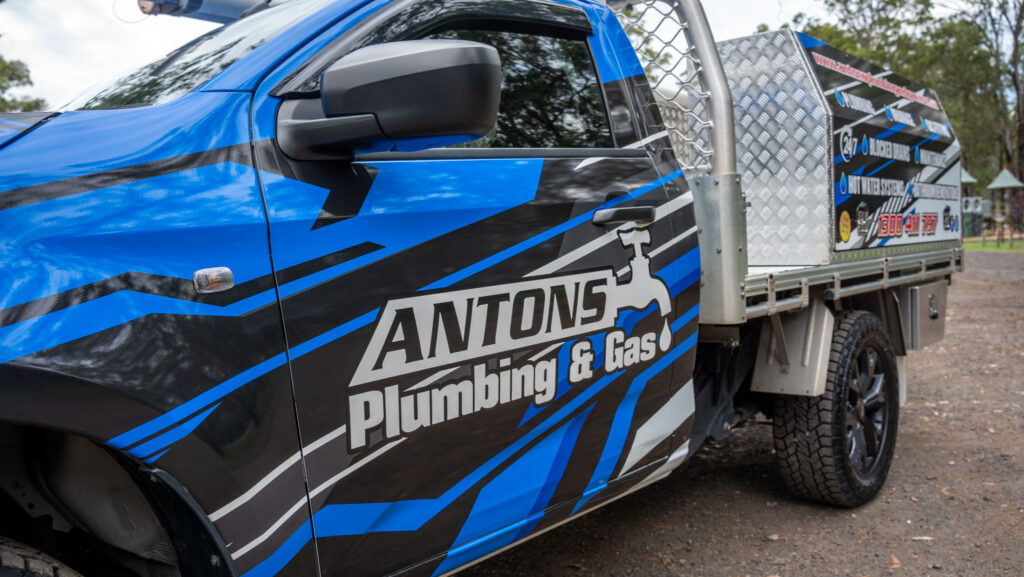
We help Sydney property owners identify potential root intrusion risks before they become expensive emergencies. Our CCTV drain inspection services reveal existing root penetration and pipe condition, allowing you to address problems while they’re still manageable. This proactive approach can save on excavation costs and property damage down the track.
Our experienced team has cleared countless root blockages across Sydney’s Inner West, Eastern Suburbs, and North Shore areas. We understand how different tree species interact with various pipe materials, from heritage clay systems to modern PVC networks.
Prevention strategies we recommend include regular drain maintenance, strategic root barrier installation, and careful species selection for new plantings. When root intrusion does occur, our pipe relining services can restore your drains without destroying your landscape. As a licensed NSW plumbing business (Lic. 210933C), we provide fast response for blocked drains and clear communication about your options, whether that’s mechanical root cutting, chemical treatment, or permanent pipe rehabilitation.
If you’re planning new landscaping or experiencing slow drains that might indicate root problems, call us for expert guidance. Our team can assess your property’s risk factors and recommend prevention measures that protect your investment in both plumbing and landscaping.
Conclusion
Choosing the right trees and maintaining proper distances prevents costly root-related plumbing problems. Smart planning protects your pipes while preserving your landscape vision. Professional assessment from a licensed Sydney plumber helps identify risks before they become expensive emergencies.
Anton’s Plumbing & Gas helps Sydney homeowners prevent costly tree root damage with expert leak detection and pipe repairs. Our licensed team (NSW Lic. 210933C) uses CCTV inspections to identify root intrusion before major problems occur. Learn more about protecting your plumbing investment today.
Related Articles
- How to Unclog a Toilet Without a Plunger
- 6 Plumbing Emergencies That Need a Professional Plumber ASAP
FAQs
What Are Tibouchina Roots?
Tibouchina roots are the underground structures of the tibouchina plant, known for their extensive network that can spread widely. These roots seek moisture and nutrients, which can lead to potential issues if planted near plumbing systems in a Sydney garden.
Are Tibouchina Plants Invasive?
Yes, tibouchina plants can be considered invasive in some regions due to their rapid growth and ability to outcompete native vegetation. It’s important to monitor their spread, particularly in garden areas close to plumbing systems.
How Do Tibouchina Roots Spread?
Tibouchina roots spread through both vegetative means and seed dispersal. The roots can extend horizontally and vertically, making them a concern for underground pipes and infrastructure.
What Is The Best Way To Control Tibouchina Growth?
Controlling tibouchina growth can be achieved through regular pruning, root management, and monitoring for seed dispersal. If you’re facing issues related to plumbing, our experienced team at Anton’s Plumbing & Gas can assist with any necessary repairs or preventive measures.
Can Tibouchina Be Planted In Gardens Without Issues?
While tibouchina can add beauty to gardens, planting them near plumbing systems is not advisable due to their invasive root systems. Consider consulting with our experts to choose suitable plants that won’t pose a risk to your home’s plumbing.
How Do I Know If Tree Roots Have Blocked My Sewer Line?
Warning signs include gurgling toilets, slow-draining sinks or showers, sewage odours in the garden, and lush green patches over the sewer line. If you notice any of these, book a CCTV drain inspection with our licensed team rather than waiting for a full blockage.
Can Anton’s Plumbing & Gas Remove Tree Roots From My Drains?
Yes. We offer mechanical root cutting, high-pressure jetting, and pipe relining to clear and repair root-affected pipes across Sydney. Call +61 493 824 176 or book online to arrange an inspection.
Is A CCTV Drain Inspection Necessary Before Removing A Tree?
If a tree near your home is a species known for aggressive roots, a CCTV inspection is a sensible step before removal or replanting. It shows exactly where your pipes run and whether roots have already caused damage, so you’re not guessing.
Do You Service All Sydney Suburbs For Root-Related Blockages?
We regularly work across the Inner West, Eastern Suburbs, North Shore, and surrounding Sydney areas. Get in touch to confirm coverage for your suburb and to arrange a booking.
What Should I Do If My Drain Is Blocked Right Now?
Stop using taps and toilets connected to the affected drain to avoid overflow, then call us on +61 493 824 176. Our licensed plumbers can diagnose whether roots, grease, or another issue is behind the blockage.
How Quickly Can A Licensed Plumber Attend A Blocked Drain Emergency?
We prioritise emergency blocked drain calls and aim to respond quickly. Phone us directly to discuss availability for your address, especially if sewage is backing up inside the home.
Will Sydney Water Get Involved If Roots Damage My Sewer Connection?
Sydney Water is generally responsible for the main sewer, while the property owner is responsible for the connection on their land. Our licensed plumbers can identify where the damage sits and, if needed, help coordinate any required notification.
Do You Offer Pipe Relining As An Alternative To Digging Up My Garden?
Yes. Pipe relining repairs root-damaged pipes from the inside, avoiding the need to excavate your lawn or garden beds. We can assess during a CCTV inspection whether relining is suitable for your pipe condition.
Are Your Plumbers Licensed To Work On Sydney Water Infrastructure?
Anton’s Plumbing & Gas operates under NSW Lic. 210933C, which covers plumbing and drainage work on residential connections in line with NSW and Sydney Water requirements.
How Do I Book An Inspection With Anton’s Plumbing & Gas?
You can call +61 493 824 176 or use our online booking page to arrange a CCTV drain inspection or root removal service at a time that suits you.
What Happens During A Professional Root Removal Service?
We typically start with a CCTV inspection to locate the blockage and assess pipe condition, then use mechanical cutting or jetting to clear roots, followed by a recommendation on whether relining or a root barrier is needed to prevent recurrence.
Can I Claim Tree Root Damage On My Home Insurance?
Some home insurance policies cover sudden pipe damage but exclude gradual root intrusion, so check your policy wording. We can provide a CCTV inspection report and quote that you can submit to your insurer if you need supporting documentation.
How Often Should I Get My Drains Inspected If I Have Large Trees Nearby?
If you have gum trees, ficus, jacarandas, or other aggressive species near your sewer line, periodic CCTV checks are worth considering, particularly if you’ve had blockages before. Ask our team for a recommendation based on your property and pipe material.
What’s The Difference Between Mechanical Root Cutting And Pipe Relining?
Root cutting physically clears roots from inside the pipe to restore flow, but roots can return through the same cracks. Pipe relining seals the pipe from the inside, removing the entry points roots need, offering a more permanent fix for chronically affected lines.
Why Should I Choose A Licensed Sydney Plumber Over A Handyman For Root Removal?
Sewer and stormwater work involves regulated infrastructure, and unlicensed work can lead to non-compliant repairs or issues with Sydney Water. Choosing a licensed plumber like Anton’s Plumbing & Gas (NSW Lic. 210933C) means the work is compliant, and you have a licensed tradesperson accountable for the result. Call +61 493 824 176 to book.