

When your pipes start failing, you face a critical decision: is pipe relining worth it compared to full pipe replacement? This choice affects your budget, timeline and property disruption for years to come. Many Sydney homeowners discover that pipe relining offers a smart alternative to expensive excavation, especially when dealing with tree root infiltration or minor pipe corrosion in the clay stormwater and sewer lines common across older NSW suburbs.
This guide examines both options in detail, covering costs, durability and practical considerations for a Sydney property. You’ll learn when each solution makes sense, how NSW rules and Sydney Water come into play, and how to choose the right approach for your specific situation.
Key Takeaways
- Pipe relining typically costs less overall than full replacement when excavation would damage landscaping or structures.
- Trenchless pipe repair takes 1-2 days compared to 5-10 days for traditional dig-and-replace methods.
- Relined pipes can last 10-50 years when the host pipe structure remains sound.
- Full replacement works better for severely collapsed pipes or when upgrading pipe materials entirely.
- Professional CCTV inspection determines which option suits your specific pipe condition best.
- Any plumbing work on your Sydney property must be carried out or supervised by a licensed plumber under NSW law.
Is Pipe Relining Worth It Compared to Full Pipe Replacement?

For many Sydney homeowners, pipe relining is worth it when the existing pipe remains structurally sound and excavation would damage driveways, gardens or interior floors. It provides a faster, less disruptive and often more cost-effective alternative to full pipe replacement.
The method works particularly well for clay pipes affected by tree-root intrusion, minor cracks or leaking joints—common issues in older Sydney suburbs with established street trees and heritage gardens. However, full replacement may be necessary when pipes are severely collapsed, extensively damaged or too small for the property’s needs.
1. Minimal Property Disruption
Traditional pipe replacement requires digging trenches across your property, often damaging established landscaping and hardscaping. Pipe relining accesses your pipes through existing entry points like manholes or cleanouts, leaving your garden and driveway intact.
2. Faster Completion Times
Most pipe relining projects finish within 1-2 days, compared to 5-10 days for full excavation and replacement. This speed reduction means less disruption to your daily routine and faster restoration of normal plumbing function.
3. Cost-Effective Solution
While pipe relining cost vs replacement varies by project, relining often proves more economical when you factor in restoration costs. You avoid expenses for repairing driveways, replanting gardens or fixing damaged flooring that excavation would require. We always provide upfront quotes in Australian dollars (AUD) so there are no surprises before work begins.
4. Structural Pipe Reinforcement
The new liner adds structural strength to your existing pipe, creating a smooth interior surface that resists future root intrusion and corrosion. This reinforcement can extend your pipe system’s life by several decades.
5. Environmental Benefits
Trenchless methods reduce waste by preserving existing pipe infrastructure rather than sending old pipes to landfill. The process also minimises soil disruption and preserves established tree root systems in your garden.
These advantages make pipe relining an attractive option for many Sydney properties, though the method isn’t suitable for every situation.
The Pros and Cons of Pipe Relining vs Full Pipe Replacement

Each repair method offers distinct advantages and limitations depending on your pipe condition and property circumstances. Understanding these trade-offs helps you choose the most appropriate solution for your specific needs. Cost considerations extend beyond the initial repair price to include long-term maintenance and property impact factors.
We regularly help Sydney homeowners evaluate both options through comprehensive CCTV drain inspections and site assessments. Here’s how these methods compare across key decision factors.
| Factor | Pipe Relining | Full Replacement |
|---|---|---|
| Initial Cost | Lower overall project cost | Higher due to excavation and restoration |
| Timeline | 1-2 days typical completion | 5-10 days including restoration |
| Property Disruption | Minimal surface impact | Significant excavation required |
| Pipe Diameter | Slightly reduced interior space | Maintains or increases diameter |
| Longevity | 10-50 years depending on conditions | 50-100 years with quality materials |
| Suitability | Requires structurally sound host pipe | Works for any pipe condition |
Full replacement offers the advantage of completely new infrastructure but comes with higher costs and longer timelines, making the choice dependent on your specific pipe condition and budget priorities.timelines, making the choice dependent on your specific pipe condition and budget priorities.
Sydney Water and NSW Regulations You Should Know
Before any relining or replacement work begins, it’s important to understand who is responsible for what. In most cases, the pipework inside your property boundary is your responsibility as the homeowner, while the main sewer or water line beyond your boundary is typically managed by Sydney Water. If a CCTV inspection shows the fault sits on Sydney Water’s side of the network, a separate process applies and Sydney Water should be notified.
All plumbing work carried out on a Sydney property, whether relining or full replacement, must comply with the Plumbing Code of Australia and AS/NZS 3500 standards, and must be performed by, or under the supervision of, a licensed plumber. Unlicensed work can affect your insurance, your Sydney Water compliance certificate and any future sale of your property.
How Long Does Pipe Relining Last and How Does It Compare to New Pipes?

Pipe relining durability depends on the liner material quality, installation precision and your existing pipe condition. High-quality resin liners typically last 10-50 years when properly installed in structurally sound host pipes. This lifespan compares favourably to many traditional pipe materials, though it generally falls short of premium new pipe installations.
Factors Affecting Pipe Relining Lifespan
New pipe installations using modern materials like PVC or copper can last 50-100 years under normal conditions, offering superior long-term durability but requiring much higher initial investment and property disruption.
- Installation Quality: Proper surface preparation and curing processes directly impact liner adhesion and structural integrity. Poor installation can reduce lifespan to just a few years, while expert work ensures decades of reliable service.
- Host Pipe Condition: The existing pipe must provide adequate structural support for the new liner. Pipes with significant structural damage or multiple joint failures may not support long-term liner performance.
- Soil Conditions: Ground movement, soil acidity and moisture levels affect both the host pipe and liner performance over time. Sydney’s varied soil conditions, from sandy eastern suburbs to reactive clay further west, require careful assessment before relining.
- Usage Patterns: Heavy usage, extreme temperatures or chemical exposure can accelerate liner degradation. Residential applications typically see longer lifespans than high-demand commercial installations.
- Material Selection: Different liner materials offer varying durability characteristics. Epoxy-based liners generally provide longer service life than polyester alternatives, though both can deliver decades of reliable performance.
The longevity question often determines whether pipe relining proves cost-effective over time. Professional installation and quality materials significantly impact performance duration.
Signs You Need Pipe Relining Instead of a Full Replacement

Recognising when pipe relining offers the best solution can save you thousands of dollars and weeks of property disruption. Certain pipe conditions respond excellently to relining, while others require complete replacement for lasting results. Understanding these indicators helps you identify the most cost-effective approach for your specific situation.
Most Sydney homeowners benefit from pipe relining when dealing with common issues like minor root intrusion, small cracks or joint leaks in otherwise structurally sound pipes. The key lies in accurate diagnosis of your pipe’s overall condition.
Ideal Conditions for Pipe Relining
- Minor Root Infiltration: Tree roots that have penetrated joints or small cracks respond well to relining after root removal. The smooth liner surface prevents future root penetration while restoring full pipe function.
- Hairline Cracks and Small Holes: Pipes with minor structural damage but good overall integrity benefit from relining reinforcement. The new liner seals these defects while adding structural strength to the existing pipe.
- Joint Leaks and Separation: Ageing pipe joints that leak or have separated slightly can be sealed effectively with relining. This approach addresses the problem without excavating every joint connection.
- Corrosion Damage: Metal pipes with interior corrosion or scale buildup gain new life through relining. The process creates a smooth, corrosion-resistant interior surface that improves flow and prevents future deterioration.
- Challenging Access Locations: Pipes running under structures, established landscaping or sensitive areas make excavation extremely expensive. Relining provides an economical alternative that avoids these complications.
When Full Replacement Becomes Necessary
- Severe Structural Collapse: Pipes that have collapsed significantly or lost structural integrity cannot support relining materials. These situations require complete pipe replacement for safe, reliable operation.
- Multiple Severe Breaks: Extensive damage throughout the pipe system makes relining impractical and potentially unreliable. Full replacement ensures comprehensive problem resolution.
- Inadequate Pipe Size: If your current pipes are undersized for your needs, relining reduces diameter further. Replacement allows upgrading to larger pipes that handle increased flow requirements.
- Incompatible Pipe Materials: Some older pipe materials or joint types don’t accommodate modern relining techniques. These systems require traditional replacement methods.
Professional assessment through CCTV inspection reveals which approach suits your specific pipe condition, ensuring you choose the most effective and economical solution.
When to Call a Licensed Sydney Plumber
DIY drain clearing or a quick look with a torch can only tell you so much. You should call a licensed Sydney plumber as soon as you notice recurring blockages, gurgling drains, damp patches near sewer lines, tree root regrowth after a previous fix, or a Sydney Water notice about your property’s sewer connection. Attempting relining-style repairs yourself is not possible with consumer-grade equipment and using an unlicensed operator can void insurance and breach NSW Fair Trading requirements. Antons Plumbing & Gas is fully licensed and insured (NSW Lic: 210933C) to carry out CCTV inspection, pipe relining and pipe replacement work across Sydney.
How Antons Plumbing & Gas Can Help You Decide Between Pipe Relining and Replacement
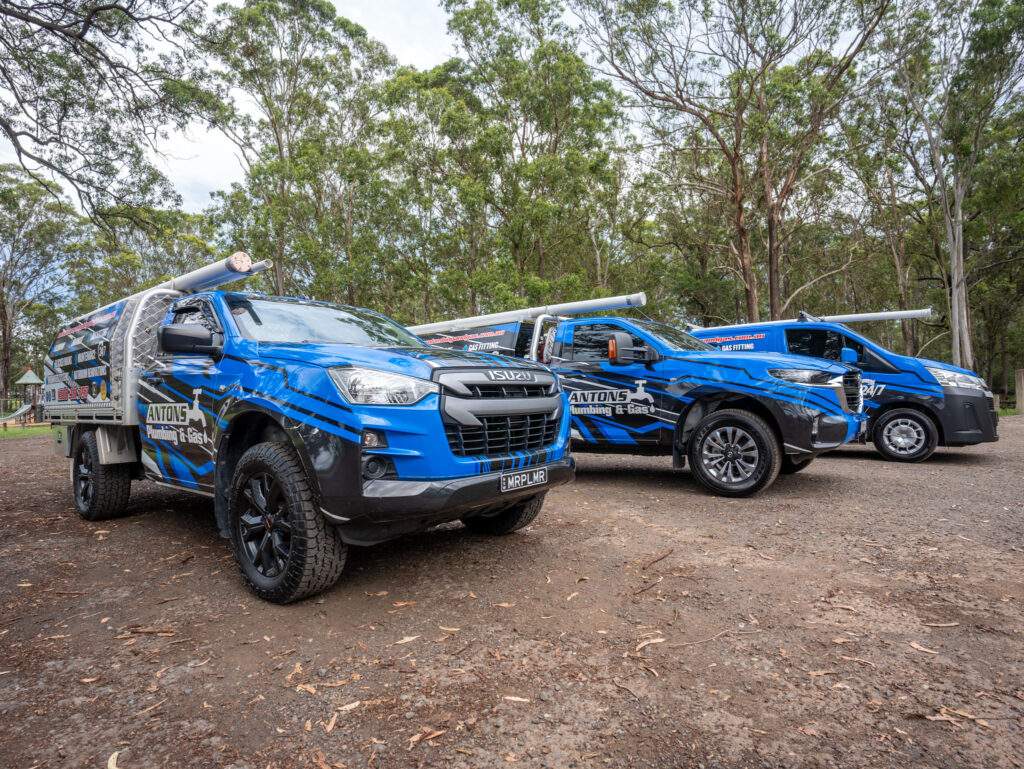
Choosing between pipe relining and full replacement requires expert assessment of your specific pipe condition, property layout and budget considerations. Our licensed team uses advanced CCTV drain inspection technology to evaluate your pipes thoroughly before recommending the most appropriate solution. We provide clear, upfront pricing in AUD for both options so you can make an informed decision without surprises.
Licensed and insured under NSW requirements (Lic: 210933C), we comply with all relevant Australian Standards for plumbing work. Our lifetime labour warranty demonstrates confidence in our workmanship quality. We serve all Sydney areas with 24/7 emergency response and no call-out fees, ensuring help is available when you need it most.
Our 25+ years of experience with Sydney pipe systems means we understand the unique challenges of clay pipes, tree root infiltration and varying soil conditions across different suburbs. We don’t push one solution over another – instead, we diagnose the root cause and present honest options tailored to your situation.
Conclusion
The decision between pipe relining and full replacement ultimately depends on your specific pipe condition, budget and property circumstances. Professional assessment provides the accurate information needed to make this important choice confidently and avoid costly mistakes down the road.
Antons Plumbing & Gas offers expert pipe relining services to save you money over full replacements. Our licensed team (NSW Lic: 210933C) provides upfront AUD pricing and lifetime labour warranties. Learn more about your best pipe repair option today.
Related Articles
- Do You Need a Sump Pump Pit? Signs Your Home Is at Risk of Water Damage
- Sydney Water Blocked Sewer Near Your Property: Health Risks, Smells and How to Stay Safe
FAQs
What Are The Benefits Of Pipe Relining Compared To Full Pipe Replacement?
Pipe relining offers several advantages, including less disruption to your property, a quicker installation process and the potential for long-lasting results without the need for extensive digging. Our experienced team at Antons Plumbing & Gas can assess your situation and recommend the best solution tailored to your needs.
How Long Does Pipe Relining Last Compared To A Completely Replaced Pipe System?
Pipe relining can last up to 50 years or more, depending on the conditions and materials used. While a completely replaced pipe system may also last a long time, relining provides a robust solution that extends the life of existing pipes without the need for full replacement.
Is Pipe Relining Less Disruptive Than Traditional Pipe Replacement?
Yes, pipe relining is significantly less disruptive. It involves minimal excavation, meaning your landscaping and structures remain intact. This approach allows us to complete the job efficiently while keeping your home environment undisturbed.
What Is The Cost Difference Between Pipe Relining And Full Pipe Replacement?
While costs can vary based on the specific circumstances, pipe relining is generally more cost-effective than full pipe replacement due to reduced labour and restoration expenses. Our team can provide a detailed, obligation-free assessment and clear AUD pricing to suit your budget.
When Should I Opt For Pipe Relining Over Full Pipe Replacement In Older Homes?
Opt for pipe relining when the existing pipes are structurally sound but experiencing issues such as cracks or leaks. It’s an ideal solution for older Sydney homes where preserving gardens, driveways and heritage features is a priority. Our qualified experts can help you determine the best course of action based on your specific situation.
Do I Need A Licensed Plumber For Pipe Relining In Sydney?
Yes. Under NSW law, pipe relining and replacement must be carried out by, or under the direct supervision of, a licensed plumber. Antons Plumbing & Gas is fully licensed and insured (NSW Lic: 210933C), so your work is compliant and covered.
How Do I Book A Pipe Relining Assessment With Antons Plumbing & Gas?
Simply call us on +61 493 824 176 or book online through our website. We’ll arrange a CCTV inspection, explain your options and provide upfront AUD pricing before any work begins.
Do You Provide Free Quotes For Pipe Relining In Sydney?
We provide clear, obligation-free quotes based on a proper CCTV inspection of your pipes, so you know exactly what you’re paying for before we start.
Is Pipe Relining Covered By Insurance Or Sydney Water?
Coverage depends on your individual home insurance policy and whether the fault sits on your property or on Sydney Water’s network. We can help identify where the problem lies and point you toward the right process, though you should confirm cover directly with your insurer or Sydney Water.
Do You Offer Emergency Pipe Relining Services In Sydney?
Yes, we offer 24/7 emergency response with no call-out fees, so if a damaged pipe is causing an urgent blockage or leak, we can attend promptly.
Which Sydney Suburbs Do You Service For Pipe Relining?
We service homes and businesses across greater Sydney, including the Northern Suburbs, Ryde, Chatswood and Mosman areas, with the same licensed workmanship and lifetime labour warranty everywhere we work.
How Do I Know If My Pipe Damage Is On My Property Or Sydney Water’s Main?
A CCTV drain inspection is the most reliable way to pinpoint the location and cause of the fault, and to determine whether it falls within your boundary or is a Sydney Water responsibility. Book an inspection with our licensed team to get a clear answer.
What Warranty Do You Offer On Pipe Relining Work?
We back our pipe relining and replacement work with a lifetime labour warranty, reflecting our confidence in the quality of our installation.
How Quickly Can Antons Plumbing & Gas Start My Pipe Relining Project?
Once we’ve completed a CCTV inspection and you’ve approved a quote, most relining projects can be scheduled promptly, with the work itself typically completed within 1-2 days.
Do You Use CCTV Inspections Before Quoting For Pipe Relining?
Yes, every relining or replacement recommendation is backed by a CCTV drain inspection so you receive an accurate diagnosis and a fair, transparent quote rather than guesswork.
Can I Get A Same-Day Pipe Relining Quote In Sydney?
In many cases, yes. Call our team on +61 493 824 176 and we’ll do our best to arrange a same-day or next-day inspection and quote depending on availability.
What Areas Of Sydney Experience The Most Tree Root Pipe Damage?
Older, leafy suburbs with established street trees and ageing clay pipework tend to see more root intrusion issues. If you’re in one of these areas and notice slow drains, it’s worth booking a CCTV inspection early.
Is Pipe Relining Compliant With Australian Standards?
Yes, when installed by a licensed plumber, pipe relining is carried out in accordance with the Plumbing Code of Australia and AS/NZS 3500 standards, ensuring the finished work is compliant and durable.
How Do I Get Started With Antons Plumbing & Gas For My Pipe Issue?
Call +61 493 824 176 or book online. We’ll discuss your symptoms, arrange a CCTV inspection if needed, and walk you through relining versus replacement so you can choose confidently.
What Should I Do If I Suspect A Blocked Or Damaged Pipe Right Now?
Avoid running excess water into the affected drain and call our 24/7 emergency line on +61 493 824 176. As a licensed Sydney plumber (NSW Lic: 210933C), we can attend, inspect and advise whether relining or replacement is the right fix.