
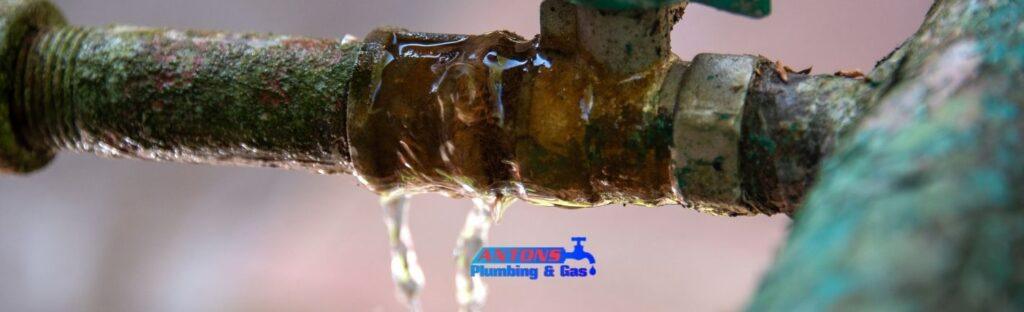
When a burst pipe floods your Sydney home, the immediate shock goes beyond just the water everywhere. You’re staring at soaked carpets, damaged walls, and ruined belongings while wondering if your insurance will actually cover the massive repair costs ahead. The average insurance payout for water damage in Australia typically ranges between $11,000 and $14,000 AUD, but this figure often feels inadequate when you’re facing quotes that exceed $20,000 AUD or more for comprehensive repairs.
This guide breaks down exactly what influences your water damage insurance claim payout, why there’s often a gap between repair costs and settlements, and practical steps to improve your claim outcome. We’ll also explain how professional documentation from licensed Sydney plumbers can strengthen your position with insurers.
Key Takeaways
- Average insurance payouts for water damage in NSW range from $11,000–$14,000 AUD, but actual settlements vary significantly based on coverage type and documentation quality.
- Insurers calculate payouts using assessors who evaluate damage extent, policy limits, excess amounts, and depreciation factors.
- Gaps between repair quotes and insurance settlements often occur due to policy exclusions, depreciation calculations, and inadequate damage documentation.
- Professional plumbing reports from a licensed Sydney plumber and immediate response can strengthen insurance claims and prevent additional damage that may not be covered.
- Taking comprehensive photos, keeping detailed receipts, and acting quickly to prevent mould growth significantly improves claim outcomes.
- If a burst affects Sydney Water’s mains (on the street side of your meter), report it to Sydney Water directly; anything on your side of the meter is your responsibility and needs a licensed plumber.
The Shock of Water Damage and Why Average Insurance Payouts Often Feel Too Low
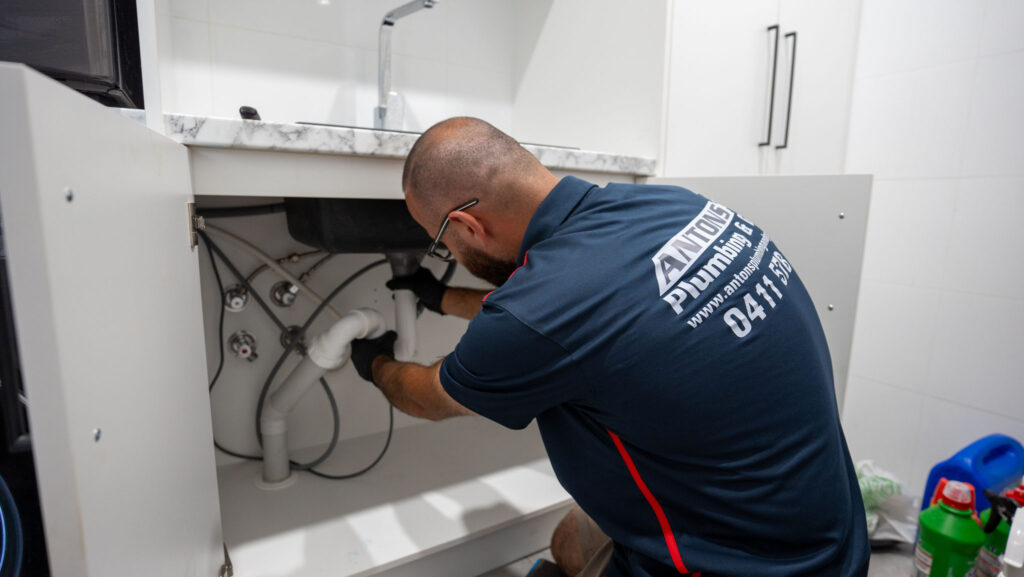
The moment you discover water pouring from a burst pipe, panic sets in as you watch your home transform into a disaster zone. Hardwood floors warp within hours, plasterboard begins deteriorating, and power points become potential hazards requiring immediate attention. The initial damage assessment often reveals problems extending far beyond what’s visible on the surface.
1. Immediate Damage Assessment Challenges
Water spreads rapidly through wall cavities and under flooring, creating hidden damage that emerges days or weeks later. Insurance assessors may miss structural issues during initial inspections, leading to disputes over coverage scope later in the process.
2. Policy Limitation Discoveries
Many Sydney homeowners discover their policy excludes certain types of water damage or caps payouts for specific categories like flooring or personal belongings. These limitations become apparent only after filing claims, creating unexpected financial gaps.
3. Depreciation Impact on Settlements
Insurance companies calculate actual cash value rather than replacement cost for many items, meaning your five-year-old hardwood floors receive significantly less compensation than new installation costs. This depreciation factor often surprises homeowners who assumed full replacement coverage.
4. Emergency Response Costs
Professional water extraction, dehumidification, and emergency repairs begin immediately to prevent further damage, but these costs may exceed your policy’s emergency services allowance. Quick action saves your home but can strain your insurance coverage limits.
5. Secondary Damage Development
Mould growth, structural weakening, and electrical system damage develop after the initial incident, potentially falling outside your original claim scope. These secondary issues often require separate assessments and additional negotiations with insurers.
Most homeowners expect their insurance to cover full replacement costs, but the reality proves more complex. Insurers work with depreciation schedules that reduce payouts based on your belongings’ age and condition before the incident occurred.
If you’re dealing with a burst pipe anywhere in Sydney, it pays to call a licensed plumber straight away. Under NSW Fair Trading rules, only a licensed plumber can legally carry out water and gas fitting work in your home – using an unlicensed tradie can also jeopardise your insurance claim. Anton’s Plumbing & Gas holds NSW Lic. 210933C and can be reached on 0493 824 176 for emergency call-outs across Sydney.
How Insurers Calculate the Average Insurance Payout for Water Damage

Insurance companies follow systematic processes to determine water damage claim payouts, starting with professional assessors who evaluate damage extent and repair requirements. These assessors document everything from structural damage to personal property losses, but their initial estimates don’t always capture the full scope of necessary repairs. Your policy terms, coverage limits, and chosen excess amount directly influence the final settlement calculation.
Understanding this calculation process helps you prepare better documentation and set realistic expectations for your claim outcome, particularly given how quickly Sydney trade rates and material costs can shift.
| Damage Type | Average Payout Range (AUD) | Common Factors Affecting Cost |
|---|---|---|
| Flooring (carpet/hardwood) | $3,000 – $8,000 | Floor area, material quality, installation complexity |
| Plasterboard and painting | $2,000 – $5,000 | Wall height, texture matching, primer requirements |
| Kitchen cabinetry | $4,000 – $12,000 | Cabinet material, custom vs standard, appliance integration |
| Electrical system repairs | $1,500 – $4,000 | Power point replacement, circuit testing, safety compliance |
Policy excess amounts reduce your final payout, with most homeowners carrying a $500 to $2,000 AUD excess on their water damage coverage. Depreciation calculations further reduce settlements, particularly for items over three years old.
Coverage Type Variations
Basic policies cover sudden water damage from burst pipes but exclude gradual leaks or maintenance-related issues. Comprehensive coverage includes additional protection for contents and temporary accommodation costs during repairs.
Assessment Timeline Impact
Delays in professional assessment can worsen damage and complicate payout calculations, as insurers struggle to distinguish between initial incident damage and subsequent deterioration. Quick professional documentation protects your claim value.
Documentation Requirements
Insurers require detailed evidence including photos, repair quotes, and professional reports to justify payout amounts. Insufficient documentation frequently leads to reduced settlements or claim disputes that extend resolution timelines.
Gaps Between Water Damage Repair Costs and Insurance Payouts

The difference between what contractors quote for repairs and what insurance companies actually pay creates significant financial stress for homeowners. Builder quotes often include current market rates for materials and labour, while insurance calculations use standardised pricing that may not reflect local Sydney market conditions. This gap becomes particularly pronounced when dealing with heritage homes in suburbs like the Inner West or North Shore, or custom features that require specialised restoration techniques.
Policy exclusions compound these financial gaps by removing coverage for specific damage types or circumstances.
- Material Quality Differences: Insurance replacements typically specify builder-grade materials while your original installations may have used premium products requiring higher replacement costs.
- Labour Rate Variations: Insurer-approved contractors may quote lower rates than established local Sydney tradespeople, but quality and timeline differences often justify the price premium.
- Code Compliance Upgrades: Current plumbing codes (AS/NZS 3500) may require upgrades to electrical or plumbing systems during repairs, but insurance policies rarely cover these mandatory improvements.
- Matching Existing Features: Replacing damaged sections to match existing finishes often costs more than standard installations, yet insurance calculations may not account for these complexities.
- Temporary Accommodation Limits: Extended repair timelines may exceed your policy’s temporary housing allowance, leaving you responsible for additional accommodation costs.
Professional Sydney contractors provide detailed breakdowns that help justify higher repair costs to insurance companies. These detailed quotes become crucial evidence when negotiating claim settlements or appealing initial payout decisions.
How Anton’s Plumbing & Gas Helps After a Burst Pipe

When disaster strikes your Sydney home, our emergency response team arrives same-day to stop water flow and begin damage assessment. We understand that proper documentation from the outset significantly impacts your insurance claim outcome, so our licensed plumbers (NSW Lic. 210933C) provide detailed reports that insurers respect and trust. Our 25+ years of experience across Sydney and NSW means we know exactly what evidence insurance assessors need to approve full claim payouts.
Emergency Response and Documentation
Our team arrives within hours to shut off water supply, assess damage extent, and begin emergency water extraction where possible. We photograph all damage before beginning any work, creating timestamp evidence that protects your claim timeline and demonstrates immediate professional response.
Detailed Damage Assessment Reports
We provide comprehensive written reports detailing pipe failure causes, water damage extent, and recommended repair approaches that insurance assessors can easily understand and approve. These reports include technical explanations that justify repair costs and prevent claim disputes later in the process.
Insurance-Grade Repair Quotes
Our quotes break down labour, materials, and compliance requirements in formats that insurance companies recognise and accept as reasonable market rates. We include necessary upgrades to meet current plumbing codes, helping you understand which costs insurance covers versus out-of-pocket expenses.
Ongoing Claim Support
We communicate directly with insurance assessors and loss adjusters to explain technical aspects of water damage and repair requirements that non-plumbers might misunderstand. This professional advocacy often results in higher claim approvals and faster settlement processing.
Quality Assurance Documentation
All our repair work includes compliance certificates and warranty documentation that satisfies insurance requirements and protects your future coverage. We ensure every repair meets Australian Standards and provide evidence that insurers need to close claims successfully.
We work directly with homeowners and insurance companies to ensure repair quotes accurately reflect necessary work and comply with Australian Standards and NSW plumbing regulations.
Steps to Improve Your Water Damage Insurance Claim Outcome
Taking immediate action after discovering water damage significantly impacts your final insurance settlement amount and reduces the risk of claim denial. Documentation begins the moment you discover the problem, not when the assessor arrives days later. Quick response prevents additional damage that might fall outside your original claim scope and demonstrates responsible homeowner behaviour that insurers appreciate.
1. Photograph Everything Immediately
Take comprehensive photos of all visible damage before moving any belongings or beginning cleanup efforts. Include wide shots showing damage extent and close-ups highlighting specific problems like warped flooring or water-stained walls that assessors might miss during brief inspections.
2. Stop Additional Damage Quickly
Shut off water supply immediately and contact a licensed Sydney plumber for emergency repairs to prevent ongoing damage that insurance may not cover. If the burst is on Sydney Water’s mains rather than your private plumbing, report it to Sydney Water on 13 20 90. Document these emergency measures with photos and receipts, as insurers often reimburse reasonable emergency response costs.
3. Keep Detailed Expense Records
Save receipts for all emergency expenses including water extraction, dehumidifier rental, and temporary accommodation costs that may qualify for reimbursement under your policy. Organise these documents chronologically to simplify claim processing and demonstrate reasonable response efforts.
4. Prevent Mould Growth Immediately
Begin drying affected areas within 24-48 hours using fans, dehumidifiers, and professional water extraction services to prevent mould development that complicates claims. Mould remediation often falls under separate policy sections with different coverage limits and requirements – important in Sydney’s humid climate.
5. Communicate Clearly with Insurers
Report claims immediately and provide complete, accurate information about damage extent and circumstances without speculating about causes you’re not qualified to determine. Let professional assessments establish fault and damage scope rather than making assumptions that might hurt your claim.
6. Obtain Professional Documentation
Engage licensed Sydney plumbers and restoration professionals who provide detailed reports and quotes that insurance companies respect and rarely dispute. Professional documentation often justifies higher settlement amounts compared to homeowner estimates or unlicensed contractor quotes.
7. Review Policy Coverage Carefully
Understand your specific policy limits, excess amounts, and exclusions before negotiating with assessors so you can advocate effectively for maximum coverage. Many homeowners accept lower settlements simply because they don’t understand their full policy benefits and coverage scope.
These practical steps maximise your chances of receiving full policy benefits and avoid common mistakes that lead to underpaid claims.
Conclusion
Water damage claims require immediate professional response and careful documentation to achieve fair insurance settlements. Professional plumbing assistance from licensed experts like Anton’s Plumbing & Gas (NSW Lic. 210933C) ensures proper damage assessment and strengthens your claim position. Taking quick action and understanding your policy coverage helps bridge the gap between repair costs and insurance payouts.
Anton’s Plumbing & Gas prevents costly water damage with expert burst pipe repairs and 24/7 emergency response across Sydney. Our licensed team fixes leaks fast, protecting your home and insurance claims. Get started with same-day service today.
Related Article
- Hydrojet Drain Cleaning Cost for Homeowners: How Much Should You Really Be Paying?
- How to Change Hot Water Heating Times Safely If You’re Not ‘Techy’ or Handy
FAQs
What Is The Average Insurance Payout For Water Damage From A Burst Pipe At Home?
The average insurance payout for burst pipe water damage in Australia can vary widely because every claim depends on the level of damage, policy limits, excess, repairs needed, and what the insurer agrees is covered. Some claims may only involve drying and minor repairs, while others can include flooring, cabinetry, walls, ceilings, and contents. Anton’s Plumbing & Gas can inspect the plumbing issue and provide photos, repair notes, and documentation that may help support your insurance claim.
How Do Insurers Work Out Water Damage Claim Payouts?
Insurers usually look at the cause of the water damage, the extent of repairs needed, your policy wording, your excess, and whether the damage was sudden or gradual. They may also compare plumber reports, builder quotes, photos, and assessor findings before deciding the payout amount. Having a licensed Sydney plumber document the burst pipe or leak clearly can make the claim process easier to explain.
Why Is My Water Damage Insurance Payout Lower Than My Repair Quotes?
Your insurance payout may be lower than your repair quotes because of policy limits, exclusions, excess, depreciation, or differences between the insurer’s assessment and the contractor’s estimate. Sometimes the insurer may approve only part of the work if they believe some damage was pre-existing or maintenance-related. If plumbing evidence is needed, Anton’s Plumbing & Gas can help identify the cause of the leak and provide practical details for your claim.
What Types Of Water Damage Are Usually Covered Or Excluded By Home Insurance?
Home insurance often covers sudden and accidental water damage, such as a burst pipe, but may exclude gradual leaks, poor maintenance, storm flooding, or damage that existed before the claim. Coverage can vary between policies, so Sydney homeowners should always check the exact wording with their insurer. A licensed plumber can help confirm whether the issue looks sudden, ongoing, or related to a plumbing fault.
How Can I Maximise My Insurance Payout After A Burst Pipe Or Major Leak?
To support your claim, take photos and videos early, stop the water source if safe, keep damaged materials where possible, save receipts, and get written reports from licensed trades. Avoid delaying repairs that prevent further damage, as insurers may expect reasonable steps to protect the property. Anton’s Plumbing & Gas can inspect the leak, complete plumbing repairs, and provide documentation that may help your insurer understand the cause and scope of the issue.
Is Anton’s Plumbing & Gas A Licensed Plumber In Sydney?
Yes. Anton’s Plumbing & Gas operates under NSW Lic. 210933C, which means our plumbers are legally qualified to carry out water, drainage, and gas fitting work across Sydney in line with NSW Fair Trading requirements. You can call us on 0493 824 176 to confirm licence details before booking.
How Quickly Can A Sydney Plumber Get To My House After A Burst Pipe?
Anton’s Plumbing & Gas offers same-day emergency response across Sydney for burst pipes and major leaks. Call 0493 824 176 as soon as you notice water damage so we can shut off the supply, assess the damage, and start documenting it for your insurer straight away.
Do You Provide Written Reports I Can Give To My Insurance Company?
Yes, we provide detailed written reports covering the cause of the pipe failure, the extent of the water damage, and the recommended repair approach. These reports are formatted so insurance assessors can review them easily, and they can strengthen your claim when you lodge it with your insurer.
Can You Deal Directly With My Insurance Assessor Or Loss Adjuster?
We’re happy to speak directly with your insurance assessor or loss adjuster to explain the technical plumbing details of your claim. This can help avoid miscommunication and speed up the approval of necessary repair work.
Do You Service My Sydney Suburb?
Anton’s Plumbing & Gas services homes and businesses across Sydney, including the Northern Suburbs, North Shore, Inner West, and surrounding NSW areas. Call 0493 824 176 and let us know your suburb, and we’ll confirm availability for a same-day visit.
What Should I Do Before The Plumber Arrives After A Burst Pipe?
If it’s safe, shut off your water supply at the mains, switch off power to any affected areas, and start taking photos of the damage. Avoid moving damaged flooring or fittings until they’ve been photographed, as this evidence helps both our assessment and your insurance claim.
Do You Offer 24/7 Emergency Plumbing In Sydney?
Yes, Anton’s Plumbing & Gas provides emergency call-outs for burst pipes and major leaks. Call 0493 824 176 any time you have an urgent plumbing issue and we’ll arrange a technician to attend.
Will Repairs From Anton’s Plumbing & Gas Come With A Compliance Certificate?
Yes, our repair work includes compliance certification and warranty documentation where applicable, meeting Australian Standards (AS/NZS 3500) and NSW plumbing regulations. This paperwork is often exactly what insurers need to close out a water damage claim.
How Do I Book A Plumber For An Insurance-Related Inspection?
You can book online via our booking page or call 0493 824 176 directly. Let us know that the visit relates to an insurance claim so we can prepare the right documentation from the start of the job.
Is It A Sydney Water Issue Or My Responsibility If A Pipe Bursts?
If the burst is on Sydney Water’s mains or metered supply on the street side of your property, contact Sydney Water directly on 13 20 90. If the burst pipe is within your home’s private plumbing, it’s your responsibility, and you’ll need a licensed plumber like Anton’s Plumbing & Gas to carry out the repair.
Can You Repair Both The Burst Pipe And Any Gas Line Issues Found During The Job?
Yes, Anton’s Plumbing & Gas is licensed for both water and gas fitting work (NSW Lic. 210933C), so if a burst pipe has affected nearby gas fittings, we can assess and repair both in the one visit where safe to do so.
What Happens If My Burst Pipe Happens On A Weekend Or Public Holiday?
Burst pipes don’t wait for business hours, so we offer emergency plumbing response for urgent jobs including weekends. Call 0493 824 176 and we’ll do our best to get a licensed plumber out to your Sydney property as soon as possible.
Do You Provide A Quote Before Starting Repair Work?
Yes, we provide a detailed quote outlining labour, materials, and any code compliance upgrades required before repair work begins, so you know what to expect and can share the breakdown with your insurer if needed.
How Do I Get Started With Anton’s Plumbing & Gas After A Burst Pipe?
Simply call 0493 824 176 or use our online booking page to arrange a same-day visit. Our licensed team (NSW Lic. 210933C) will assess the damage, stop further water loss, and provide the documentation you need to support your insurance claim.