

Drain cameras, locating equipment and cleaning tools can help a plumber investigate a recurring blockage, but the useful outcome is an explained diagnosis. For a Sydney homeowner, the key questions are what was inspected, what the evidence shows and how it supports the proposed repair. This guide explains the tools without treating equipment alone as a guarantee.
CCTV: see the accessible inside of the drain
A drain camera inspection can document visible obstructions, joints and damage along the inspected route. Ask for the start point, direction, inspected length and any section that could not be reached. The footage is most useful when the plumber explains its location and significance.
Water, debris, bends and access constraints can limit visibility. A recording is not a complete structural assessment of everything outside the pipe or beyond the camera’s reach. Ask which findings are confirmed and which still need investigation.
Locating: connect a finding to a place on the property
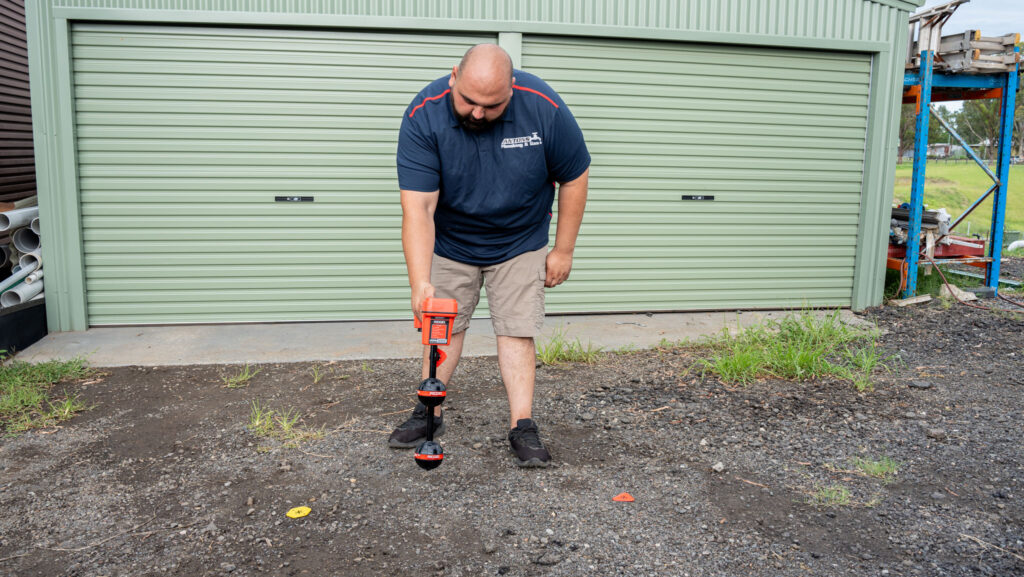
Compatible camera transmitters and locating equipment can help relate an internal finding to a surface position. This can support access planning, but the contractor should explain confidence and any limitations before excavation.
A drain location is not a clearance to dig through other services. Site planning must account for utilities and access risks separately. Ask whether the location, approximate depth and reference points will be included in the report.
Jetting: clear an obstruction, then reassess
High-pressure water jetting is a professional cleaning method that may be appropriate for some obstructions. The contractor must select a method suited to access, the material and the observed condition. It should not be presented as harmless to every damaged pipe.
Restored flow is a useful result, but cleaning does not automatically repair a crack or displaced joint. Ask whether further inspection is needed to explain a recurring problem or document the condition after clearing.
Do not confuse drainage tools with leak diagnosis
Water-supply leaks may call for a different investigation from a blocked drain. Acoustic tools, moisture assessment or other methods can contribute to leak detection, depending on the situation. A thermal image shows surface temperature differences; it is not a photograph through a wall.
Describe the symptom before requesting a particular machine. Water stains, slow drainage and unexplained water consumption pose different diagnostic questions, even when they occur at the same property.
Ask for a report that supports a decision
A useful handover states the inspected route, findings, limitations and recommended next step. Request labelled images or footage, the defect location, and what remains unknown. Ask whether the recommendation is cleaning, monitoring, targeted repair or further investigation.
If relining or replacement is proposed, connect the method to the observed defect using our repair-suitability checklist. Compare the scope and property disruption separately from the equipment used.
Prepare for a diagnostic visit
Provide the fault history, previous reports and access information when booking with Anton’s Plumbing & Gas. Mention whether several fixtures are affected and whether clearing has helped only temporarily. For an active overflow, use urgent plumbing assistance first.
Before any excavation, review Before You Dig Australia and have the contractor plan the required service checks. A drain-camera location and information about other underground utilities answer different questions.
Frequently Asked Questions
What can a drain camera show?
It can show visible conditions along the accessible inspected route. Ask the plumber to identify the location and explain the significance of each finding.
Can a camera prove every drain is in good condition?
No. Unreached sections, obscured surfaces and conditions outside the pipe remain limitations. The report should state the scope rather than implying whole-system certainty.
What if the camera view is underwater?
Visibility may be limited and the cause of standing water may need investigation. Ask what can be concluded and what further assessment is proposed.
Does inspection always come before cleaning?
The safe sequence depends on access and the condition encountered. Ask why cleaning or inspection is recommended first and what risks have been considered.
What does a pipe locator add?
With compatible equipment, it can help relate the camera’s position to the surface. Ask how the location will be recorded and checked before repair work.
Does a location reading make excavation safe?
No. Other services and site hazards need separate consideration. A location estimate is part of planning, not permission to excavate without further checks.
Will a camera measure the exact pipe gradient?
Do not assume so. Visible standing water may prompt questions, but establishing levels or fall can require additional assessment.
How does jetting differ from relining?
Jetting is a cleaning method; relining is a repair process for suitable defects. Clearing debris does not create a new lining or automatically repair damage.
Can jetting fix a cracked pipe?
No. It may clear material from the drain, but the crack needs its own repair assessment. Ask whether post-cleaning findings change the recommendation.
Is jetting suitable for every old drain?
The contractor should assess the material, condition and access before selecting a cleaning method. Age alone does not establish that the process is suitable.
Why might a blockage return after cleaning?
The underlying defect or source of debris may remain. Record how quickly symptoms return and ask whether inspection could identify the cause.
Are acoustic leak tools used for all drain blockages?
No. They address different diagnostic questions in suitable situations. Describe the symptoms and let the investigation determine the appropriate equipment.
Can thermal imaging see through walls?
It records surface temperature patterns. Those patterns may guide investigation but do not, on their own, prove the location or cause of a concealed leak.
Should I request the inspection video?
Ask whether footage or a report is included before booking. A clear explanation and labelled locations make the record more useful than an unexplained video.
What should the inspection report say?
It should state the accessible route, findings, limitations and recommended next steps. Ask for the location and extent of any proposed repair.
Can technology decide between relining and replacement automatically?
No. Equipment supplies evidence; the contractor must interpret it against repair requirements. See our relining-or-replacement guide.
Will modern equipment guarantee a lower bill?
No. Better information can help define the scope, but access, condition and repair requirements still determine cost. Compare the proposed outcome and included work.
How should I prepare access for the plumber?
Tell the team about inspection openings, locked areas, parking and building-manager requirements. Do not enter confined spaces or remove heavy covers yourself.
What information helps with a recurring drainage fault?
Provide dates, affected fixtures, earlier clearing methods and previous reports. Note whether rain or particular appliance use coincides with the symptoms.
How do I arrange a diagnostic visit in Sydney?
Send the symptom history and property details through our booking page. Confirm the inspection scope, charges and reporting before attendance.