


Nothing ruins a beautiful new bathroom faster than discovering your drains run slow or back up completely just weeks after installation. The heartbreak of ripping up expensive tiles to access poorly designed plumbing is something we see far too often at Antons Plumbing & Gas across Sydney properties.
This guide covers essential plumber drain blockage prevention strategies specifically for bathroom renovations. You’ll learn the technical requirements, measurements, and design choices that keep your new bathroom flowing perfectly for years to come.
Key Takeaways
- Pre-renovation plumbing inspections identify existing issues before tiling begins
- Proper shower drain slope requires minimum 1/4 inch per foot toward the drain
- Bathroom drainage design depends on correct pipe sizing and adequate venting
- Hair and grease traps with mesh covers prevent most common blockages
- Venting and pipe sizing must comply with AS/NZS 3500 standards
- Post-renovation documentation protects warranties and guides maintenance
Pre-Tiling Plumbing Checks That Prevent Future Blockages
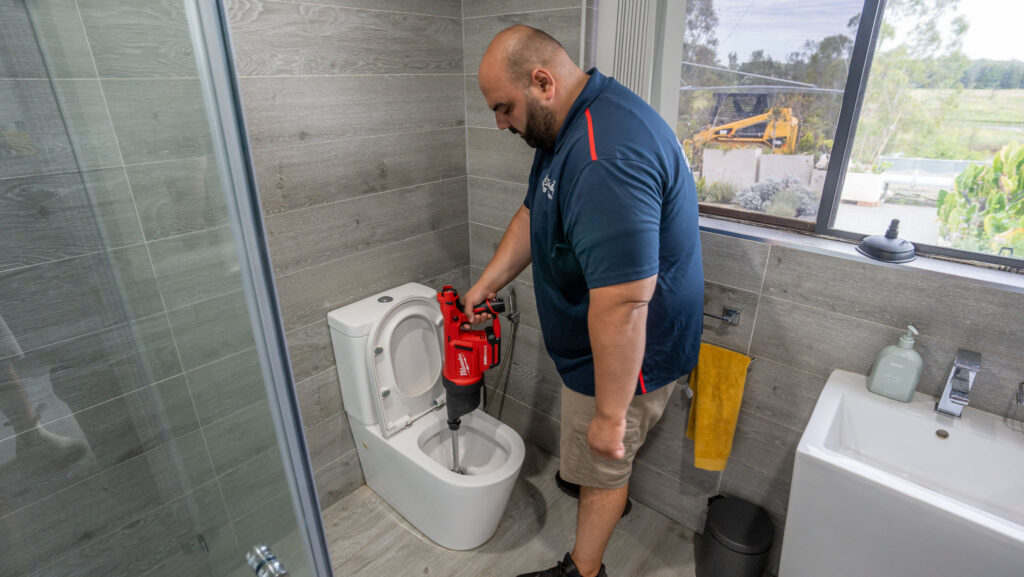
Smart renovators schedule a pre renovation plumbing inspection before any demolition starts. This critical step reveals hidden problems that could sabotage your beautiful new bathroom. Our team uses CCTV drain inspection cameras to see inside existing pipes and identify root intrusion, corrosion, or structural damage.
1. Existing Pipe Condition Assessment
Old cast iron or clay pipes often hide serious problems behind walls. Corrosion creates rough surfaces that catch hair and debris, leading to frequent blockages in your renovated space.
2. Drainage Flow Testing
We run water through all existing drains to identify slow-flowing sections. Poor drainage now will only get worse once you add new fixtures and increase water volume.
3. Pipe Material Identification
Different pipe materials require specific connection methods and have varying lifespans. Mixing incompatible materials creates weak points prone to leaks and blockages.
4. Access Point Mapping
Documenting cleanout locations and access points prevents costly exploratory work if future blockages occur. This mapping guides tile layout to avoid covering critical access areas.
5. Water Pressure Evaluation
Low water pressure affects drain performance and fixture operation. Identifying pressure issues early allows for pump installation or pipe upgrades before tiling.
6. Compliance Gap Analysis
Older plumbing may not meet current AS/NZS 3500 standards for pipe sizing, venting, or materials. Bringing systems up to code during renovation prevents future problems.
Our pre-renovation reports include detailed photos, measurements, and recommendations. This documentation helps you budget accurately and avoid surprises during construction.
Plumber Drain Blockage Fundamentals: Pipe Sizing, Slope and Venting
Bathroom drainage design success depends on three critical elements working together perfectly. Pipe sizing must handle peak flow volumes, slopes need to maintain cleaning velocity, and venting prevents vacuum conditions that slow drainage. Getting any of these wrong creates ongoing blockage problems.
| Fixture Type | Minimum Pipe Size | Recommended Slope | Venting Required |
|---|---|---|---|
| Shower | 50mm | 1:60 | Yes |
| Bath | 40mm | 1:60 | Yes |
| Basin | 32mm | 1:60 | Individual or common |
| Toilet | 100mm | 1:60 | Yes |
Minimum Pipe Sizes for Bathroom Fixtures
Shower drains require 50mm (2-inch) waste pipes as the absolute minimum. Bath drains need 40mm (1.5-inch) waste connections but benefit from 50mm sizing for faster drainage.
Critical Slope Requirements
Shower drain slope must achieve 1:60 (approximately 1/4 inch per foot) minimum gradient toward the drain. Floor waste areas need 1:100 slope, while waste pipes require 1:60 to 1:100 depending on diameter.
Venting System Essentials
Every bathroom drain needs proper venting to prevent siphoning and maintain atmospheric pressure. Vent pipes must be 50mm minimum diameter and terminate above the roof line with appropriate weather protection.
Pipe Material Selection
PVC drainage pipe offers excellent flow characteristics and chemical resistance. Copper waste pipes work well but cost more and require skilled installation to prevent galvanic corrosion.
Connection Standards
All pipe joints must use approved fittings and sealants. Rubber ring joints provide flexibility for settling, while solvent welded connections offer permanent sealing in stable locations.
Australian Standard AS/NZS 3500.2 sets minimum requirements for residential drainage systems. These aren’t suggestions – they’re essential for reliable long-term performance.
How Antons Plumbing and Gas Designs Layouts That Stay Free-Flowing

Our bathroom drainage design approach prioritizes prevention over repair. We start with fixture placement that allows proper pipe runs, then size everything generously to handle peak demand. Twenty-five years of unblocking drains teaches you what works and what fails.
Every layout begins with the toilet position since 100mm sewer connections have limited flexibility. From there, we route other drains to minimize direction changes and maintain optimal slopes throughout the system.
- Fixture clustering reduces pipe runs: Grouping water-using fixtures shortens drain lines and reduces the number of direction changes that slow flow.
- Generous pipe sizing prevents bottlenecks: Using 50mm pipes instead of minimum 40mm sizing provides extra capacity for hair and debris without blocking.
- Strategic cleanout placement: Installing removable access points every 10 meters and at direction changes allows quick blockage clearing.
- Fall optimization maximizes cleaning velocity: Calculating exact slopes ensures waste moves fast enough to carry solids without creating excessive turbulence.
- Vent system integration maintains atmospheric pressure: Proper venting prevents slow drainage and gurgling sounds that indicate poor design.
- Material transition planning: Connecting different pipe materials requires specific fittings and techniques to prevent joint failures and blockages.
We document every measurement and provide as-built drawings showing pipe locations, sizes, and access points. This information proves invaluable for future maintenance or modifications.
Trap Choices and Hair and Soap Mitigation That Actually Work
Hair and grease traps represent your first line of defense against bathroom drain blockages. The right trap design captures debris before it enters your drainage system, while poor choices create maintenance headaches and frequent blockages. We’ve tested countless products across Sydney bathrooms and know what delivers results.
Mesh covers and perforated drain covers work differently and suit different applications. Understanding these differences helps you choose the most effective solution for each fixture.
1. Shower Hair Trap Selection
Removable mesh inserts with fine weaving catch hair effectively without restricting water flow. Stainless steel versions resist corrosion and clean easily with hot water and dish soap.
2. Basin Waste Strainer Design
Pop-up waste assemblies with integrated strainers capture hair while maintaining clean aesthetics. Choose models with removable strainer baskets for easy cleaning and maintenance.
3. Floor Waste Grate Options
Hinged grates allow access to trap chambers for cleaning without tools. Bronze or stainless steel construction resists corrosion better than chrome-plated alternatives in wet environments.
4. Soap Scum Prevention Strategies
Regular hot water flushing dissolves soap residue before it hardens into blockages. Weekly treatments with enzyme cleaners break down organic buildup naturally.
5. Grease Trap Maintenance Protocols
Monthly cleaning schedules prevent grease accumulation that creates stubborn blockages. Remove trapped materials and flush with hot water to maintain optimal flow rates.
6. Replacement Part Availability
Choose trap systems with readily available replacement parts and standard sizing. Custom or imported components create supply problems when maintenance is needed.
7. Installation Access Requirements
Plan tile layouts to provide access to trap chambers and cleanout points. Removable tile sections or access panels prevent demolition for routine maintenance.
Post-Renovation Care Schedule and Documentation That Protect Warranties
Your beautiful new bathroom needs a structured maintenance plan to prevent drain blockages and protect warranty coverage. We provide detailed documentation including pipe locations, material specifications, and recommended maintenance schedules. This paperwork proves essential when warranty claims arise or future repairs are needed.
Week 1-4: Initial Performance Monitoring
Test all drains daily during the first month to identify slow drainage or unusual sounds. Document any issues immediately and contact your plumber for assessment before problems worsen.
Month 2-3: System Settling Period
Building movement and pipe settling can affect drainage performance during this period. Monitor for changes in flow rates or new gurgling sounds that indicate venting problems.
Month 4-6: Baseline Establishment
Normal drainage patterns emerge during this period, establishing baseline performance for future comparison. Record typical drain times and flow characteristics for reference.
Monthly Maintenance Tasks
Clean all hair traps and mesh covers monthly to prevent accumulation. Flush drains with hot water weekly and use enzyme treatments monthly to break down organic buildup.
Annual Professional Inspection
Schedule yearly CCTV drain inspections to identify developing problems before they cause blockages. Early detection prevents costly emergency repairs and extends system life.
Documentation Storage
Keep all plumbing documentation, warranties, and maintenance records in one accessible location. Digital copies stored in cloud services provide backup protection against loss.
Emergency Contact Information
Maintain current contact details for your renovation plumber and emergency services. Same-day response prevents minor issues from becoming major damage.
Our maintenance documentation includes pipe locations, material specifications, and cleaning schedules tailored to your specific installation. This information guides proper care and supports warranty claims when needed.
Materials and Measurements Reference Guide
This quick reference covers essential measurements and material specifications for bathroom drain blockage prevention. Keep these numbers handy during planning and installation phases.
| Component | Specification | Australian Standard | Notes |
|---|---|---|---|
| Shower waste pipe | 50mm minimum | AS/NZS 3500.2 | Larger sizes improve flow |
| Floor slope to drain | 1:60 minimum | AS/NZS 3500.2 | 1:50 preferred for faster drainage |
| Pipe slope | 1:60 to 1:100 | AS/NZS 3500.2 | Depends on pipe diameter |
| Vent pipe diameter | 50mm minimum | AS/NZS 3500.2 | Must terminate above roof |
| Cleanout spacing | 10m maximum | AS/NZS 3500.2 | At direction changes |
| Trap seal depth | 50mm minimum | AS/NZS 3500.2 | Prevents sewer gas entry |
Conclusion
Proper bathroom drainage design prevents costly blockages and protects your renovation investment. Following Australian Standards for pipe sizing, slope requirements, and venting ensures reliable long-term performance. Call 0493 824 176 for expert bathroom plumbing that stays free-flowing for years to come.
Antons Plumbing & Gas brings 25+ years of experience to prevent costly drain issues during renovations. Our bathroom renovation expertise ensures proper drainage from day one. Learn more about smart renovation planning today.
FAQs
What Plumbing Checks Should Be Done Before Tiling A Bathroom?
Before tiling a bathroom, it’s essential to check for any existing leaks, ensure all plumbing connections are secure, and verify that the drainage system is functioning properly. This includes inspecting the water supply lines and ensuring they are correctly positioned to avoid future complications. At Antons Plumbing & Gas, our experienced team can conduct thorough plumbing checks to ensure your bathroom is ready for tiling.
What Drain Slope And Pipe Sizing Help Prevent Blockages Long Term?
A proper drain slope of 1-2% is recommended to facilitate adequate flow and prevent standing water, which can lead to blockages. Additionally, using appropriately sized pipes (typically 40mm for sink drains and 100mm for toilet drains) is crucial for long-term drainage efficiency. Our experts at Antons Plumbing & Gas can assess your specific layout and provide tailored solutions to ensure optimal drainage.
How Do Traps And Venting Reduce Gurgling And Slow Drains?
Traps and proper venting are essential for maintaining air pressure in the plumbing system. Traps prevent sewer gases from entering your home while allowing wastewater to flow freely. Adequate venting helps prevent gurgling sounds and slow drains by ensuring that air can flow in and out of the plumbing system efficiently. Our licensed plumbers can design and install these systems to enhance your bathroom’s functionality.
Which Fixtures And Layouts Minimize Future Hair And Soap Buildup?
Selecting fixtures such as showerheads with larger drainage holes and installing linear drains can help minimize hair and soap buildup. Additionally, designing layouts that promote direct water flow towards the drain, rather than stagnant areas, can significantly reduce the risk of clogs. With over 25 years of experience, Antons Plumbing & Gas can guide you in choosing the best fixtures and layouts for your bathroom renovation.
What Mistakes During Renovation Lead To Recurring Drain Blockages?
Common mistakes that lead to recurring drain blockages include improper pipe sizing, inadequate drain slope, and neglecting to install adequate traps and vents. Failing to consider the placement of fixtures can also contribute to drainage issues. Our team at Antons Plumbing & Gas specializes in identifying and avoiding these pitfalls, ensuring your