

Surprise sewer backups and foul odors don’t just disrupt business operations—they create liability nightmares for property managers, strata councils, and facility teams. When compliance auditors or insurance assessors arrive after a sewage incident, they’ll demand detailed maintenance records, inspection schedules, and proof of preventive care that many properties simply can’t produce.
This comprehensive guide provides step-by-step blocked sewer plumber checklists, compliance documentation templates, and proactive maintenance schedules designed for multi-unit properties and commercial facilities. You’ll discover exactly when to schedule CCTV drain inspections, how to document findings for audit purposes, and which warning signs demand immediate professional attention.
Key Takeaways
- Emergency triage protocols help property managers respond quickly to sewer backups and minimize damage exposure.
- Structured inspection checklists ensure blocked sewer plumbers capture all compliance-critical data points during routine assessments.
- Proactive service agreements reduce emergency callouts by 60-80% through scheduled preventive drain maintenance programs.
- CCTV sewer inspections should occur every 12-24 months for high-risk commercial sites and aging strata properties.
- Detailed compliance records with photos and recommendations satisfy insurance requirements and regulatory audits.
Blocked Sewer Plumber Checklist for Routine Inspections
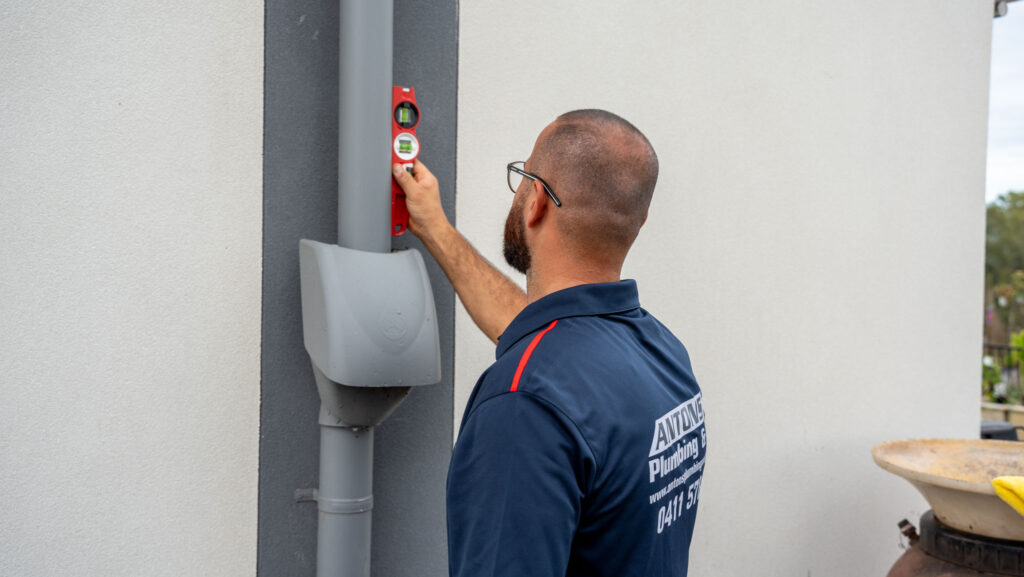
Systematic inspection protocols help identify potential blockages before they cause backups or compliance violations. Professional blocked sewer plumbers use standardized checklists to ensure consistent data collection and proper documentation for strata councils and facility managers. These routine assessments typically occur every 12-24 months depending on building age and usage patterns.
| Inspection Item | Frequency | Compliance Notes |
|---|---|---|
| Main sewer line CCTV inspection | 24 months | Required for insurance compliance |
| Floor drain flow testing | 12 months | Building code requirement |
| Grease trap inspection (commercial) | 3-6 months | Council regulation compliance |
| Stormwater system assessment | 12 months | Environmental protection requirement |
| Backflow prevention testing | 12 months | Water authority mandate |
- Visual inspection of all accessible drain points – Check for slow drainage, unusual odors, or visible debris accumulation around floor drains, sink outlets, and toilet connections.
- Water pressure and flow rate testing – Measure drainage speed at key fixtures to identify developing restrictions before complete blockages occur.
- CCTV camera inspection of main lines – Insert specialized cameras to examine pipe condition, identify root intrusion, and locate structural damage or debris buildup.
- Grease trap and interceptor assessment – Verify proper function and cleaning schedules for commercial kitchen facilities and food service areas.
- Stormwater system evaluation – Inspect connections between building drainage and council stormwater infrastructure to prevent cross-contamination.
- Documentation of findings with photos – Capture visual evidence of any issues discovered and provide detailed reports for maintenance planning and compliance records.
Our inspection teams follow Australian Standards requirements while customizing assessments for each property’s specific risk factors.
Immediate Risk Triage When Backups and Odors Appear
When sewage backs up through floor drains or toilet fixtures, property managers face immediate health risks and potential liability exposure. The first 30 minutes determine whether you’re dealing with a minor blockage or a major system failure requiring emergency response. Quick assessment prevents contamination spread and documents the incident properly for insurance claims.
1. Isolate the Affected Area Immediately
Stop water usage in the affected zone and restrict access to prevent slip hazards or contamination exposure. Mark the area clearly and notify building occupants through established emergency communication channels.
2. Document Initial Conditions With Photos
Capture wide shots showing the extent of backup, close-ups of affected fixtures, and any visible damage to flooring or walls. These images become critical evidence for insurance claims and compliance investigations.
3. Identify the Scope of System Impact
Check multiple drain points to determine if the blockage affects individual fixtures, entire floors, or building-wide systems. This assessment guides the urgency level and resource allocation for repairs.
4. Contact Licensed Emergency Plumbers
Engage qualified professionals immediately rather than attempting DIY solutions that might worsen contamination or damage. Our 24/7 emergency service provides same-day response with no call-out fees across Sydney.
5. Implement Temporary Containment Measures
Use absorbent materials to prevent spread while avoiding direct contact with contaminated water. Ensure proper ventilation to reduce odor concentration and potential health impacts.
6. Notify Relevant Authorities and Insurers
Contact your insurance provider within required timeframes and notify local health authorities if contamination affects common areas or multiple units. Early notification protects coverage eligibility.
7. Begin Incident Documentation Log
Record timeline details, response actions taken, contractors engaged, and ongoing impacts. This log becomes essential for compliance reviews and claim processing.
Our emergency response team encounters these scenarios regularly across Sydney’s strata and commercial properties. Same-day service helps contain damage while detailed documentation protects your interests.
How Anton’s Plumbing and Gas Prevents Repeat Blockages With Proactive Service Plans
Reactive maintenance costs 3-5 times more than preventive programs while creating ongoing compliance risks for property managers. Our structured service agreements combine scheduled inspections, preventive drain maintenance, and priority emergency response to minimize disruption and control costs. These programs typically reduce emergency callouts by 60-80% while ensuring consistent compliance documentation.
Scheduled Preventive Drain Cleaning
High-pressure water jetting removes accumulated grease, soap residue, and debris before blockages develop. Regular cleaning extends pipe life and maintains optimal flow rates throughout the building’s drainage system.
Root Barrier Installation and Monitoring
Tree root intrusion causes 40% of sewer blockages in older Sydney properties with clay or concrete pipes. We install chemical barriers and monitor growth patterns to prevent root-related failures.
Grease Management Programs for Commercial Properties
Restaurants and food service facilities require specialized maintenance schedules to prevent grease accumulation in drain lines. Our programs include trap cleaning, enzyme treatments, and staff training on proper disposal practices.
Emergency Response Priority Access
Service plan clients receive priority scheduling for urgent repairs with guaranteed same-day response across Sydney. This commitment minimizes business disruption and helps maintain compliance during unexpected failures.
Detailed Maintenance Records and Reporting
Every service visit generates comprehensive documentation including photos, findings, and recommendations. These records satisfy insurance requirements and provide evidence of due diligence during compliance audits.
Pipe Relining and Infrastructure Upgrades
When inspections reveal structural damage or aging infrastructure, we provide trenchless repair options that minimize disruption to building operations. Pipe relining extends system life by 50+ years while avoiding costly excavation.
We customize service intervals based on building age, occupancy levels, and historical blockage patterns across Sydney properties.
CCTV and Water Jetting Triggers and Intervals for High-Risk Sites
High-traffic commercial buildings, aging strata complexes, and properties with known drainage issues require more frequent professional intervention than standard maintenance schedules. Specific warning signs trigger immediate CCTV sewer inspection regardless of scheduled intervals, while certain building types demand accelerated maintenance cycles. Understanding these triggers helps property managers allocate maintenance budgets effectively and prevent costly emergency situations.
| Property Type | CCTV Interval | Water Jetting Frequency | Risk Factors |
|---|---|---|---|
| Restaurants/Food Service | 12 months | Quarterly | Grease accumulation, high usage |
| Strata 20+ years old | 18 months | Bi-annually | Aging pipes, tree root intrusion |
| Medical/Dental Facilities | 12 months | Quarterly | Chemical disposal, compliance requirements |
| Manufacturing/Industrial | 6-12 months | Monthly | Process waste, heavy contamination |
| Hotels/Accommodation | 18 months | Bi-annually | High occupancy, varied usage patterns |
Immediate CCTV Inspection Triggers
Recurring blockages within 30 days indicate systemic issues requiring camera investigation to identify root causes. Multiple fixture backups suggest main line problems that need immediate professional assessment.
Slow Drainage Across Multiple Fixtures
When several drains show reduced flow rates simultaneously, partial blockages or pipe damage likely affect the main sewer line. Early intervention prevents complete system failure.
Unusual Odors From Floor Drains
Persistent sewer gases indicate trap seal failures or ventilation problems that require immediate investigation. These conditions create health hazards and compliance violations.
Water Jetting Schedule Optimization
Properties with grease-producing operations need quarterly high-pressure cleaning to prevent accumulation. Standard commercial buildings typically require bi-annual preventive jetting.
Seasonal Adjustment Factors
Sydney’s storm seasons increase debris loads in drainage systems, requiring additional maintenance cycles during peak rainfall periods. We adjust service schedules to account for seasonal variations.
Our assessment protocols identify high-risk factors during initial property evaluations and adjust service recommendations accordingly.
Compliance Records and Scheduling That Satisfy Auditors and Insurers
Insurance claims and regulatory audits demand detailed documentation proving consistent maintenance and professional oversight of building drainage systems. Incomplete records can void coverage or result in compliance penalties, making systematic documentation essential for property managers. Professional plumbing compliance reports must include specific data points, photographic evidence, and clear recommendations to satisfy audit requirements.
Essential Documentation Elements for Compliance
Every inspection report must include date stamps, technician credentials, specific findings with locations, and photographic evidence of conditions discovered. Recommendations should specify priority levels and estimated timeframes for corrective actions.
Maintenance Log Requirements
Continuous records showing service dates, work performed, parts replaced, and follow-up actions demonstrate due diligence in property management. These logs prove proactive maintenance rather than reactive responses to problems.
Professional Certification and Licensing
All work must be performed by licensed professionals with current credentials and insurance coverage. Our team maintains NSW Fair Trading licensing (Lic: 210933C) and provides certification documents with every service report.
Photographic Evidence Standards
Before and after photos document conditions and work quality while providing visual proof of maintenance activities. Images should include clear identification of locations and timestamp information for audit purposes.
Scheduling Matrix for Audit Compliance
Consistent service intervals demonstrate systematic maintenance approaches that satisfy insurance requirements and regulatory expectations. We provide annual scheduling recommendations based on building risk factors and usage patterns.
Emergency Response Documentation
Detailed incident reports showing response times, actions taken, and resolution methods prove appropriate emergency procedures. These records become critical during insurance claim processing and compliance investigations.
Our documentation standards exceed industry minimums and provide comprehensive protection during compliance reviews.
Conclusion
Effective blocked sewer management requires systematic inspection schedules, professional documentation, and proactive maintenance programs. Our comprehensive checklists and compliance protocols help property managers avoid costly emergencies while satisfying audit requirements. Contact Anton’s Plumbing & Gas at 0493 824 176 for same-day service and professional drainage assessments across Sydney.
Antons Plumbing & Gas offers professional blocked drain inspections and CCTV services across Sydney Metro. Our licensed team ensures your sewer systems meet compliance standards with thorough assessments. Learn more about our comprehensive inspection checklists today.
Related Articles
- Why Commercial Kitchens Need Regular Blocked Drains Services to Stay Compliant
- Emergency Guide for Homeowners Searching Plumber Services Near Me at Midnight
FAQs
What Should A Blocked Sewer Inspection Checklist Include?
A blocked sewer inspection checklist should include items such as identifying the location of access points, checking for signs of blockages or leaks, inspecting pipe conditions, testing flow rates, reviewing previous maintenance records, and assessing overall drainage performance. Our experienced team ensures that every aspect is covered to prevent future issues.
How Often Should Strata Or Rentals Schedule Sewer Inspections?
Strata or rental properties should schedule sewer inspections at least once a year, or more frequently if there are known issues or heavy usage. Regular inspections help maintain compliance and minimize the risk of costly emergencies, and our team can tailor a schedule that fits your property’s needs.
When Is A CCTV Drain Inspection Necessary For Compliance?
A CCTV drain inspection is necessary for compliance when there are signs of persistent blockages, before major renovations, or when purchasing a property. This advanced technology allows us to thoroughly assess the condition of the pipes and ensure they meet regulatory standards, providing peace of mind for property owners.
What Records Prove Plumbing Compliance During Audits?
Records that prove plumbing compliance during audits include detailed service reports, inspection certificates, maintenance logs, and documentation of any repairs or installations performed. Our team maintains meticulous records to ensure that all work complies with NSW Fair Trading licensing requirements and Australian Standards.
Which Red Flags Demand Immediate Plumber Attendance?
Red flags that demand immediate plumber attendance include persistent drain blockages, sewage backups, unusual odors, gurgling sounds from drains, water pooling around fixtures, and signs of water damage. If you notice any of these issues, our 24/7 emergency response team is ready to assist you promptly.