

Gas safety in your home requires qualified domestic plumbers near you who understand the complex regulations and risks involved. When you search for a gas plumber near me, you’re not just looking for convenience—you’re seeking certified professionals who can protect your family from potentially deadly hazards. Gas fitting safety demands expertise that goes far beyond basic plumbing skills, requiring specialized licensing and continuous training to handle everything from appliance installation compliance to gas leak detection.
In this guide, we’ll outline what licensed domestic plumbers actually do for gas safety, from permits and compliance certificates to testing and commissioning. You’ll see how residential and commercial gas systems differ, what preventive maintenance and emergency protocols look like, and which costs are driven by standards, audits, and documentation. We’ll also share how Anton’s Plumbing & Gas delivers same-day service, ongoing maintenance plans, and fully compliant installations across Sydney.
Key Takeaways
- Only licensed domestic plumbers should handle gas work due to strict Australian Standards and safety requirements.
- Gas fitting safety involves complex systems requiring specialized training and certification.
- Professional gas leak detection prevents carbon monoxide poisoning and property damage.
- Appliance installation compliance ensures your insurance remains valid and your family stays safe.
- Gas compliance certificates are mandatory for most gas work and protect your legal obligations.
Plumbing Service Fundamentals: Scope, Standards & Risk Profiles for Domestic Plumbers Near You
The scope of gas work extends far beyond simple connections and repairs. Licensed domestic plumbers near me must navigate a complex web of Australian Standards, local regulations, and manufacturer specifications. Every gas fitting job carries inherent risks that require careful assessment and precise execution.
Risk profiles vary dramatically between residential and commercial applications. Domestic gas systems typically operate at lower pressures but serve areas where families live and sleep.
1. Licensing Requirements and Certification Standards
Gas work requires separate licensing from standard plumbing qualifications. Only certified gasfitters can legally connect, disconnect, or modify gas appliances and pipework.
2. Pressure Testing and System Integrity
Every gas installation must undergo rigorous pressure testing to ensure leak-free operation. This process involves specialized equipment and detailed documentation that homeowners cannot perform safely.
3. Appliance Compatibility and Venting Requirements
Different appliances require specific gas pressures and venting arrangements. Incorrect installations can lead to incomplete combustion and dangerous carbon monoxide production.
4. Emergency Shutdown Procedures
Professional installations include proper isolation valves and emergency procedures. These systems must be accessible and clearly marked for emergency responders.
5. Documentation and Compliance Tracking
Gas work generates mandatory paperwork including compliance certificates and test results. These documents protect homeowners legally and ensure insurance coverage remains valid.
Australian Standards AS/NZS 5601 governs gas installations and requires specific qualifications for anyone working on gas systems. We maintain current licensing (Lic: 210933C) and stay updated with evolving safety requirements. Our team understands that gas fitting safety isn’t just about following procedures—it’s about protecting lives.
Commercial vs Residential: Fixtures, Water Demand, Backflow & Hot-Water Plant Systems
Commercial and residential gas systems differ significantly in scale, complexity, and regulatory requirements. While residential systems typically serve individual households, commercial installations must handle multiple users and higher demand loads. Understanding these differences helps explain why domestic plumbers near me require specialized training for each application type.
| System Type | Pressure Range | Typical Applications | Compliance Requirements |
|---|---|---|---|
| Residential Low Pressure | 1.0-2.75 kPa | Cooktops, hot water, heating | Basic compliance certificate |
| Commercial Medium Pressure | 7-100 kPa | Industrial equipment, large boilers | Enhanced documentation, regular testing |
| High Pressure Industrial | 100+ kPa | Manufacturing, large facilities | Specialized licensing, ongoing audits |
1. Fixture Capacity and Load Calculations
Residential fixtures typically operate on standard pressure ranges suitable for domestic appliances. Commercial systems require complex load calculations to ensure adequate supply during peak usage periods.
2. Backflow Prevention Requirements
Commercial properties face stricter backflow prevention requirements due to higher risk profiles. These systems require annual testing and certification by qualified technicians.
3. Hot Water Plant Specifications
Commercial hot water systems often incorporate multiple heat sources and storage tanks. Residential systems typically use single units with simpler control systems.
4. Redundancy and Backup Systems
Commercial applications usually require backup systems to maintain operations during maintenance or failures. Residential systems prioritize cost-effectiveness over redundancy.
5. Monitoring and Control Systems
Advanced monitoring systems in commercial properties provide real-time data on gas consumption and system performance. Residential systems rely on basic safety devices and manual monitoring.
Water demand patterns also influence gas system design. Commercial hot water systems often require continuous operation and redundancy features.
Operations: Preventive Maintenance, SLAs, After-Hours & Safety Protocols
Preventive maintenance forms the backbone of safe gas system operation. Regular inspections catch potential problems before they become dangerous situations. Our maintenance protocols follow manufacturer recommendations and Australian Standards to ensure optimal performance and safety.
Service level agreements (SLAs) define response times and maintenance schedules. We provide same-day service across Sydney for emergency situations.
1. Annual Safety Inspections
Professional inspections identify wear patterns, corrosion, and potential failure points before they compromise safety. These inspections include pressure testing and appliance performance checks.
2. Appliance Servicing Schedules
Different appliances require varying maintenance intervals based on usage patterns and manufacturer specifications. Regular servicing extends equipment life and maintains efficiency.
3. Emergency Response Procedures
Gas emergencies require immediate professional intervention. Our emergency protocols prioritize safety isolation and area evacuation before diagnostic work begins.
4. Carbon Monoxide Testing Protocols
Regular carbon monoxide testing ensures appliances burn cleanly and venting systems function properly. This testing requires specialized equipment and trained technicians.
5. Documentation and Record Keeping
Maintenance records track system performance and identify recurring issues. These records also demonstrate due diligence for insurance and regulatory purposes.
After-hours emergencies require immediate response capabilities. Gas leaks don’t wait for business hours, and neither do we. Our 24/7 emergency service ensures qualified domestic plumbers near me are available when you need them most.
Cost Drivers & Compliance: Permits, Insurance, Documentation & Audits
Cost factors in gas work extend beyond labor and materials to include compliance requirements and documentation. Permit fees vary by location and project scope, but they’re essential for legal installation. Insurance considerations also influence project costs, as non-compliant work can void coverage and create liability issues.
1. Permit and Approval Costs
Local councils require permits for most gas work, with fees varying by project complexity. These permits ensure work meets local building codes and safety requirements.
2. Insurance and Liability Considerations
Professional indemnity insurance protects homeowners from installation defects. Our comprehensive coverage provides peace of mind for all gas fitting work.
3. Compliance Certificate Requirements
Gas compliance certificates document that installations meet Australian Standards. These certificates are mandatory for most gas work and protect homeowners legally.
4. Testing and Commissioning Costs
Pressure testing and system commissioning require specialized equipment and time. These processes ensure safe operation before systems enter service.
5. Ongoing Audit and Maintenance Expenses
Regular maintenance and safety audits represent ongoing costs but prevent expensive emergency repairs. Preventive maintenance costs significantly less than emergency replacements.
Audit requirements for commercial properties create ongoing compliance costs. These audits ensure systems continue meeting safety standards throughout their operational life.
Anton’s Plumbing & Gas: Commercial Plumbing Service, Maintenance Plans & Fit-Out Support
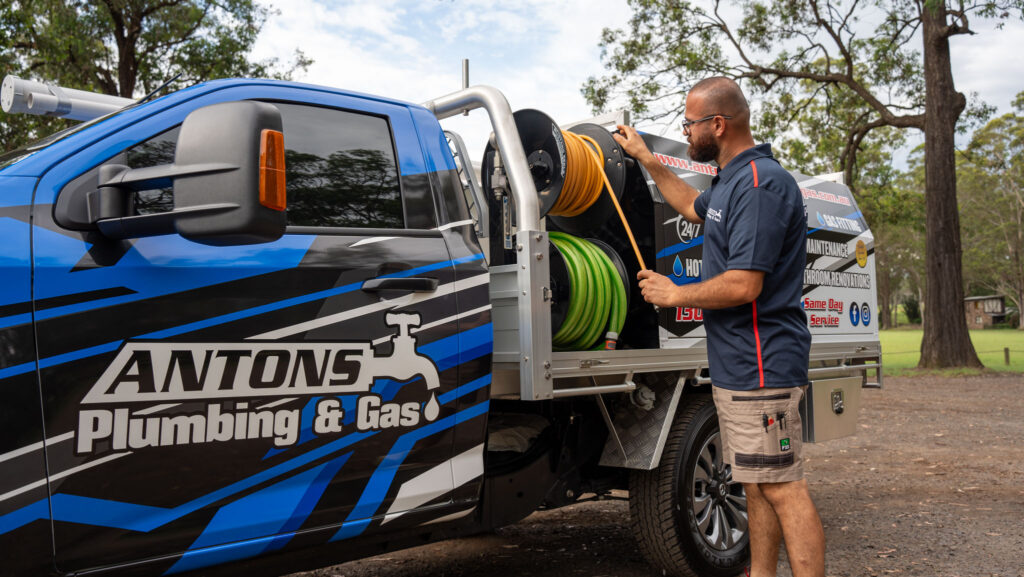
We provide comprehensive gas services for both residential and commercial properties across Sydney. Our qualified team handles everything from simple appliance connections to complex commercial installations. Every project receives the same attention to safety and compliance regardless of size or complexity.
Our maintenance plans provide scheduled inspections and preventive care to keep your gas systems operating safely. These plans include priority scheduling and discounted service rates for plan members.
Commercial fit-out support helps businesses establish safe and compliant gas systems from the ground up. We work with architects, builders, and facility managers to design systems that meet operational requirements while exceeding safety standards.
Same-day service availability means you don’t wait for emergency repairs or routine maintenance. Our mobile service units carry common parts and testing equipment to complete most jobs on the first visit. When you need a gas plumber near me, we respond quickly with qualified technicians and proper equipment.
Gas leak detection services use electronic sensors and soap solutions to identify leaks before they become dangerous. We also provide carbon monoxide testing to ensure your appliances burn cleanly and safely. Our comprehensive approach addresses all aspects of gas fitting safety.
Appliance installation compliance ensures your new equipment operates safely and maintains manufacturer warranties. We handle all documentation and testing requirements, providing you with complete gas compliance certificates for your records.
Conclusion
Gas safety requires qualified domestic plumbers who understand complex regulations and safety protocols. Professional installation and maintenance protect your family while ensuring legal compliance. Call 0493 824 176 for same-day gas services across Sydney.
Antons Plumbing & Gas brings 25+ years of licensed gas fitting expertise to protect Sydney homes safely. Our qualified team handles all domestic gas work with precision and compliance. Learn more about our comprehensive gas safety services.
FAQs
Do I Call A Plumber Or Gas Company For A Gas Leak?
If you suspect a gas leak, you should immediately call a licensed gas plumber, like Antons Plumbing & Gas, who is trained to handle gas-related issues safely and effectively. Our experts can quickly diagnose and resolve any gas leaks, ensuring your safety and peace of mind.
What Certifications Should A Gas Plumber Have?
A qualified gas plumber should have the appropriate licensing, such as a NSW gas-fitting license. At Antons Plumbing & Gas, our team is fully licensed and insured, adhering to all regulations and standards to provide reliable and safe gas services.
How Do I Know If I Have A Carbon Monoxide Leak?
Signs of a carbon monoxide leak can include headaches, dizziness, nausea, and confusion. If you experience any of these symptoms, or if your gas appliances are producing yellow or orange flames, contact a licensed gas plumber like Antons Plumbing & Gas immediately for a thorough inspection and testing.
Can I Install A Gas Cooktop Myself Legally?
No, installing a gas cooktop must be performed by a licensed gas plumber to comply with safety regulations. At Antons Plumbing & Gas, we ensure that your installation is done correctly and safely, minimizing any risks associated with gas appliances.
How Often Should Gas Appliances Be Safety-Checked?
Gas appliances should be safety-checked at least once a year to ensure they are functioning properly and safely. Antons Plumbing & Gas offers comprehensive safety checks and maintenance services to keep your appliances in top condition and compliant with Australian standards.