Emergency Plumber Merrylands for Homes, Units and Shops
A toilet overflowing in a unit, water crossing a tenancy wall or a blocked drain interrupting a Merrylands business needs more than a suburb-name template. Call Anton’s Plumbing & Gas for 24/7 triage built around the property, the occupants and the service actually affected.

Merrylands Emergency Steps for Occupants and Businesses
Control use of the affected plumbing, separate people from the hazard and gather access information. Avoid improvised repairs that hide the symptom or push wastewater elsewhere.
- Stop flushing and close the cistern valve if it is accessible.
- Do not use nearby fixtures if they also gurgle or drain slowly.
- Keep towels and mops out of sewage where contamination is present.
- Ask whether another unit or toilet has the same problem.
- Call with the number of affected fixtures and any outside overflow.
- Stop the nearest fixture or appliance and close its local valve.
- Notify the adjoining unit or tenancy when water may be crossing boundaries.
- Keep clear of wet power points, cool rooms, switchboards and lifts.
- Move stock or belongings only from a safe route.
- Photograph the direction of spread and identify the building contact.
- Move occupants and customers outside.
- Do not operate lights, shutters, appliances or vehicles nearby.
- Call 000 for a strong smell, illness, fire or immediate danger.
- Contact the building controller from a safe location.
- Do not resume trading or occupancy until the supply is tested and declared safe.
A Merrylands callout can be delayed by missing keys or an unknown tenancy contact. Arrange safe entry, parking or loading and common-service access while the emergency queue is checked.
Signs You Need a 24-Hour Plumber in Merrylands
The right response depends on who and what the fault is affecting: occupants, neighbouring lots, stock, sanitation or essential services.
- Water escaping that you can't stop
- Any smell of gas
- Sewage backing up inside the house
- No water at all to the property
- Water near electrics, downlights or the switchboard
- A hot water system leaking heavily or venting steam
- The only toilet in the house blocked
- A leak affecting a neighbour or common property
- A business that can't safely trade until it's fixed
- A dripping tap
- One slow drain, everything else normal
- A running toilet cistern
- Hot water that's cooler than usual but still working
- Low pressure at a single fixture
- A hot water system leaking heavily or venting steam
- A toilet you can stop by turning off its isolation tap
- A leak you've successfully isolated and contained
- Noisy pipes or water hammer
Tell us whether the premises is a house, unit, rental or business and whether another occupant is affected. We can then guide isolation and access without overstating the urgency.
Merrylands Plumbing Emergencies Across Mixed Property Types
Merrylands has both a large detached-house base and a substantial apartment share. That balance means emergency triage cannot assume either private or shared plumbing. A householder may control the boundary meter; a unit occupant may need a building manager; a shop may need loading access and a safe customer exclusion zone. Anton’s 24/7 plumbing and gas service adapts the first response to those real differences.

Merrylands Emergency Plumbing by Property Type
The same plumbing failure has different consequences in a house, unit, rental or trading premises.
01
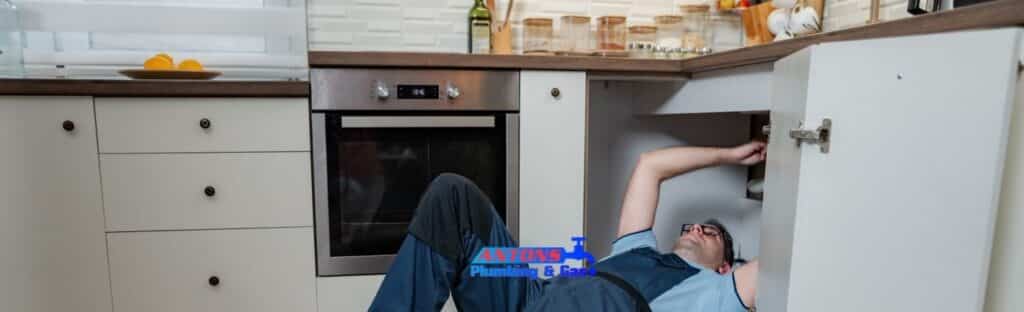
Blocked Toilets and Internal Overflows
We establish whether the restriction is local, affects several fixtures or connects to a shared building line.

02
Water Moving Between Units or Tenancies
Source and spread are checked across accessible areas before responsibility or repair scope is discussed.
![Blocked Drain & Toilet Services in [sububrb]](https://antonsplumbingandgas.com.au/wp-content/uploads/2026/02/When-to-Call-a-Professional-Plumber-1024x583.jpg)
03
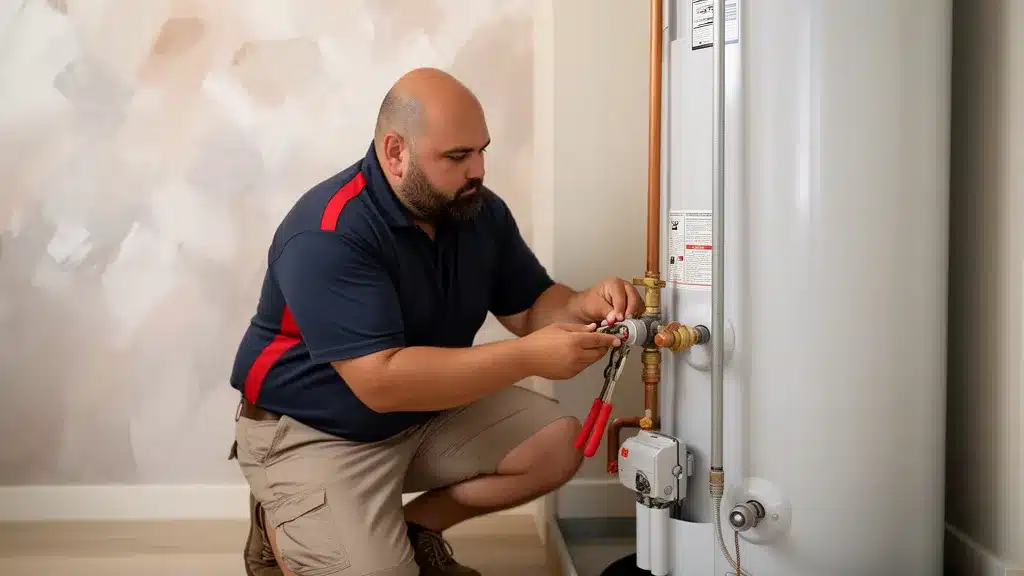
Burst Pipes in Houses and Townhouses
The property or branch supply is isolated and the water path is assessed before repair.
04
Shop and Workplace Drainage Failures
Customer areas, food or stock zones and essential amenities are considered during containment.

05
Gas Smells in Mixed-Use Premises
Evacuation and emergency services come first when required; licensed testing follows.
06
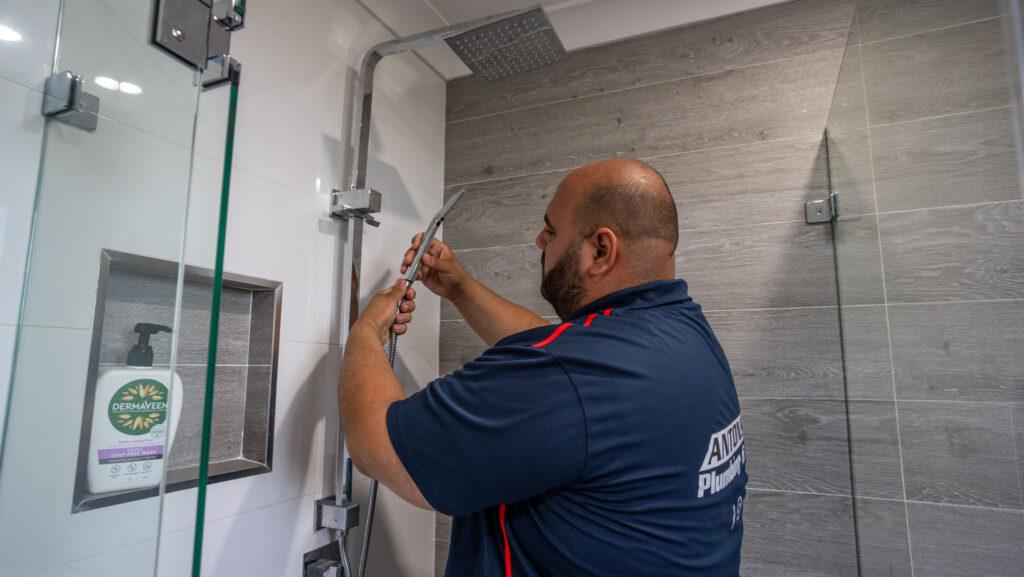
Hot Water Loss for Households or Tenancies
We determine whether the system is individual, shared, leaking or simply not heating before recommending work.
Merrylands Isolation for Houses, Units and Shops
The shut-off may belong to the property, one tenancy or the entire building. Identify the service before operating it.
- Locate the boundary meter and keep the box clear.
- Close the customer valve clockwise without forcing it.
- Test a cold tap to confirm flow has stopped.
- Leave access open for the plumber.
- Use a clearly labelled local fixture valve where possible.
- Contact the building manager for locked meter banks or risers.
- Confirm the lot or tenancy identifier before shutdown.
- Advise affected occupants of any authorised common-service interruption.
- Evacuate before approaching a suspected leak area.
- Use the outdoor main isolation only when safe and identifiable.
- Do not operate shutters, vehicles or electrical controls nearby.
- Keep the supply off until licensed testing is complete.
Property managers should store current valve, meter, key and after-hours contact details together. In a mixed-use building, that information materially improves emergency access.
Merrylands Emergency Attendance From Triage to Handover
We identify the occupier, service controller and affected property before deciding how the fault should be contained.
We record whether the call is for a house, unit, rental, shop or common area.
Neighbours, customers, staff and other fixtures are considered.
Keys, loading, parking and shared-valve authority are organised.
Use is stopped and the smallest effective service area is isolated.
The source, repair options and responsible contact are discussed.
Completed work and any later owner, strata or restoration action are recorded.
Merrylands Emergency Plumbing Pricing Explained
The same leak can be simple in a house and coordination-heavy in a unit or shop. The quote reflects the real access and diagnostic work.
Public or staff areas may need exclusion and staged restoration.
Building contacts and other lots can be involved before isolation.
Keys, security, loading and basement access affect preparation.
Internal sewage requires controlled work areas and careful handling.
A visible fixture failure differs from a concealed inter-tenancy or buried line.
Containment may proceed before a larger owner or strata-approved repair stage.
People, customers and neighbouring occupants are separated from the hazard.
The correct owner, manager or keyholder is contacted for shared access.
Premises type determines the valve, service room and parking information needed.
Containment and permanent repair are approved by the appropriate contact.
A clear record supports the occupier, manager and any later restoration work.
ABS 2021 data describes a genuinely mixed suburb: 48.8% of occupied dwellings are separate houses and 36.6% are flats or apartments. That is why this page addresses boundary meters, unit valves, shared stacks and tenancy access rather than applying one generic house-based script. The plumbing still has to be inspected; local statistics guide questions, not diagnoses.
- Locate your water meter isolation tap and check it actually turns.
- Replace braided flexi hoses on a sensible cycle rather than waiting for one to burst.
- Have mains pressure checked — high pressure wears every joint and seal in the house.
- Act on small leaks, weeping joints and damp patches early.
- Have an ageing hot water system assessed before it fails, not after.
- Get recurring blockages diagnosed with a camera rather than cleared over and over.
- Clear gutters, downpipes and stormwater pits before storm season.
- In a rental, make sure whoever lives there knows how to isolate the water.
- Turn the water off at the meter if the property will be empty for a long stretch.
Emergency Plumbing for Merrylands Occupants and Operators
The first questions change according to private or shared plumbing.
Occupant access and repair approval contacts are captured early.
Unsafe customer, stock and staff areas are identified before work proceeds.
Gas faults are matched with licensed testing and repair capability.
We explain who may lose water or gas before common isolation.
Plumbing evidence is documented without unsupported strata conclusions.
Equipment is selected for the line, leak or system involved.
Urgent containment and follow-up approval work are separated.
Occupants and managers receive a clear explanation of the next steps.
Merrylands Plumbing Questions, Answered
Straight answers on pricing, response times and what to expect.
Can you attend both Merrylands houses and apartments?
Can you attend both Merrylands houses and apartments?
Yes. The isolation and access plan changes, so tell us the property type and whether any shared service or neighbour is affected.
What should I do when the only toilet is overflowing?
What should I do when the only toilet is overflowing?
Stop flushing, close the cistern valve if accessible and stop nearby water use if other drains gurgle. Keep people away from wastewater.
Can you help a Merrylands shop with a blocked drain?
Can you help a Merrylands shop with a blocked drain?
Yes. Provide trading, loading and safe customer-access details and identify whether the line is private to the tenancy or shared.
What if water is entering the next unit?
What if water is entering the next unit?
Stop the likely source, notify the adjoining occupant and building manager, and keep clear of wet electrics. Record both unit numbers for triage.
Should a Merrylands tenant call the plumber or agent first?
Should a Merrylands tenant call the plumber or agent first?
For an active hazard, contact both. Immediate containment may be necessary while broader repair approval is coordinated with the owner or agent.
Can you isolate one commercial tenancy?
Can you isolate one commercial tenancy?
Sometimes a labelled local valve allows it. If the valve is common or locked, the building controller should arrange access and authorisation.
How do I report sewage in a common hallway?
How do I report sewage in a common hallway?
Stop contributing water, restrict access, notify building management and call with the affected fixtures or floors. Do not attempt chemical treatment.
Can you repair a burst pipe in an older house?
Can you repair a burst pipe in an older house?
Yes. The leak is isolated and the accessible pipe condition is assessed before local repair or a broader replacement option is discussed.
Can a blocked toilet affect another apartment?
Can a blocked toilet affect another apartment?
Yes, if the restriction involves a shared stack or lower drain. Symptoms in other lots and floors help locate the likely line.
What if the building manager cannot attend after hours?
What if the building manager cannot attend after hours?
We can explain the access needed, but locked common services require an authorised keyholder or emergency authority. Arrange a backup contact where possible.
Do you work with Merrylands property managers?
Do you work with Merrylands property managers?
Yes. Send occupant details, approvals, access notes and reporting requirements so immediate and follow-up work can be separated clearly.
Can you attend a gas smell in a shop?
Can you attend a gas smell in a shop?
Licensed gas assistance is available. Evacuate, avoid switches and flames, and call 000 first for a strong or continuing smell or immediate danger.
Is no hot water always an emergency?
Is no hot water always an emergency?
Not always. It becomes more urgent with uncontrolled leaking, electrical risk or vulnerable occupants; otherwise a standard booking may be appropriate.
How can I tell whether a blockage is shared?
How can I tell whether a blockage is shared?
Several tenancies, units or fixture groups showing the same symptoms can indicate a common line, but access and inspection are needed to confirm it.
Will you reopen a shop immediately after a sewage overflow?
Will you reopen a shop immediately after a sewage overflow?
We control the plumbing cause and explain the affected area. Cleaning, public-health or other reopening requirements may involve additional specialists or authorities.
What parking information helps in Merrylands?
What parking information helps in Merrylands?
Give any loading zone, basement height, visitor bay, security or street-access restrictions so tools can reach the premises efficiently.
Can you document a leak for strata or insurance?
Can you document a leak for strata or insurance?
We can record relevant plumbing findings and work completed. Responsibility and coverage are decided by strata, owners and insurers.
What should I move before the plumber arrives?
What should I move before the plumber arrives?
Move stock or belongings only by a safe dry route. Keep the meter, affected fixture and service-room path clear without entering contaminated areas.
Can a contained appliance hose leak wait?
Can a contained appliance hose leak wait?
If a local valve stops it and there is no continuing damage or electrical risk, it may suit a scheduled visit. Monitor the area until repaired.
How can a building prepare for future emergencies?
How can a building prepare for future emergencies?
Keep current meter and valve maps, after-hours keyholder details, parking instructions and owner or strata contacts in one accessible record.
KEEP OCCUPANTS AND CUSTOMERS SAFE
Call an Emergency Plumber in Merrylands
Plumbing emergency in Merrylands?
Don’t wait on a form, call now for 24/7 priority response.
- Fully Stocked Vehicles
- Your local Merrylands experts
- Same day service where available
- Upfront fixed pricing
- Licensed & insured. Lic: 210933C