
Emergency Plumber Auburn for Units, Strata and Homes
Water crossing into another apartment, a shared stack backing up or a shop losing essential plumbing can involve more than one occupant. Call Anton’s Plumbing & Gas for 24/7 Auburn triage that separates private fixtures from common services before repair work begins.

What to Do in the First Minutes of an Auburn Plumbing Emergency
In a unit or mixed-use building, protect people first and alert anyone controlling common services. The fastest safe response often depends on coordinating the occupant, neighbour and building contact.
- Stop using fixtures in your unit and ask the unit above to do the same when safe.
- Close the local fixture valve if the source is visible and accessible.
- Contact strata or the building manager for riser or common-water isolation.
- Keep lifts and electrical cupboards clear of water.
- Record the level, unit and path the water is taking.
- Stop flushing and stop all connected water use.
- Ask whether units above or below have the same symptoms.
- Keep people away from sewage and do not pour chemicals into the stack.
- Notify the building contact so common access can be arranged.
- Tell us which fixtures, floors and common overflow points are affected.
- Move occupants outside and call from open air.
- Do not use intercoms, switches, lifts or appliances in the affected area.
- Warn the building contact without re-entering the suspected zone.
- Call 000 for a strong or persistent smell, illness or immediate danger.
- Leave supply testing to a licensed gas fitter.
For Auburn apartment callouts, send the unit number, floor, building contact and safe parking or loading instructions. These details can matter as much as the visible leak.
When to Call an Emergency Plumber in Auburn
A fault is urgent when it affects safety, sanitation, another lot or the continued operation of the premises.
- Water escaping that you can't stop
- Any smell of gas
- Sewage backing up inside the house
- No water at all to the property
- Water near electrics, downlights or the switchboard
- A hot water system leaking heavily or venting steam
- The only toilet in the house blocked
- A leak affecting a neighbour or common property
- A business that can't safely trade until it's fixed
- A dripping tap
- One slow drain, everything else normal
- A running toilet cistern
- Hot water that's cooler than usual but still working
- Low pressure at a single fixture
- A hot water system leaking heavily or venting steam
- A toilet you can stop by turning off its isolation tap
- A leak you've successfully isolated and contained
- Noisy pipes or water hammer
Tell us whether another unit or common area is affected. That single detail often changes the isolation route, access authority and equipment required.
Auburn Emergency Plumbing Where Services Are Shared
Auburn has an unusually even split between apartments and houses, so an emergency page must address both private and common plumbing. A blocked toilet in a house may stay within one branch; a similar symptom in a unit can indicate a shared stack. Our emergency plumbing and gas team asks who else is affected, who controls the valves and how the building is accessed before deciding the safest diagnostic path.

Auburn Plumbing Emergencies Across Lots and Tenancies
In Auburn, we establish whether the service is private, shared or commercially controlled before opening or shutting it down.
01
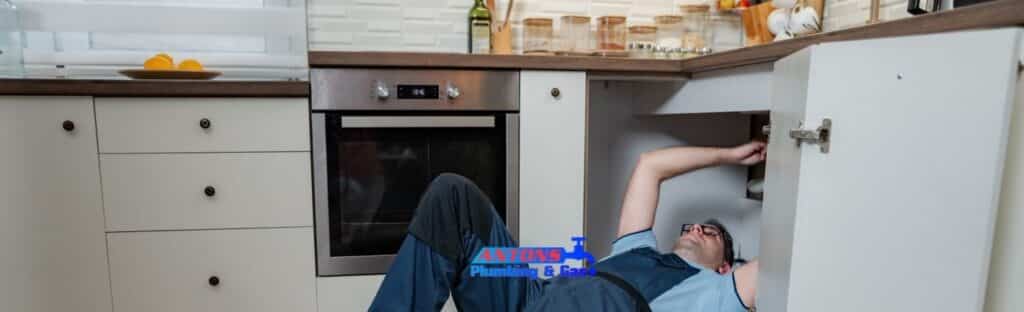
Leaks Between Apartments
We trace the symptom across units and accessible services before assigning responsibility or opening finishes.

02
Shared Waste Stack Backups
Affected floors and fixtures are mapped so common-line access can be arranged with strata.
![Blocked Drain & Toilet Services in [sububrb]](https://antonsplumbingandgas.com.au/wp-content/uploads/2026/02/When-to-Call-a-Professional-Plumber-1024x583.jpg)
03
Burst Pipes in Homes and Townhouses
The property supply or local branch is isolated before damage spread and repair scope are assessed.
04
Retail and Commercial Plumbing Failures
Unsafe areas and essential fixture loss are prioritised while access and operating constraints are documented.

05
Gas Odours in Units or Shops
Occupants leave the risk area first; licensed testing follows once the building and supply can be accessed safely.
06
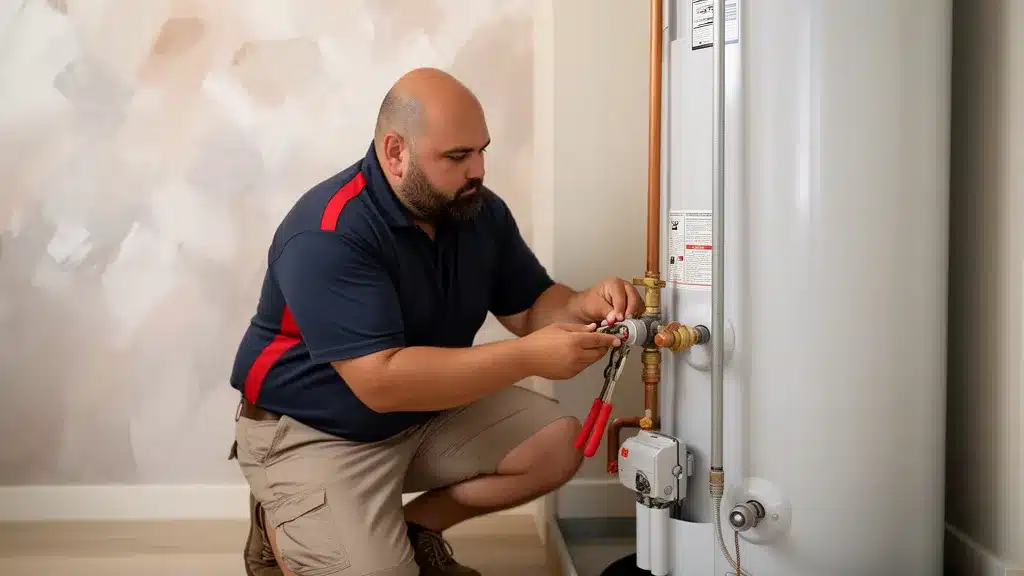
Hot Water Faults in Central or Individual Systems
We establish whether the failure belongs to a single appliance or shared building plant before recommending work.
Auburn Apartment and Strata Isolation Basics
A valve in a riser or meter room may serve one unit, several lots or an entire building. Labels and building approval matter.
- Use under-sink, cistern, laundry or appliance valves for a visible local fault.
- Close the valve gently and check whether the leak stops.
- Do not remove access panels marked as common services.
- Record the fixture and valve used.
- Contact the building manager for locked or shared service areas.
- Match the valve or meter to the unit identifier.
- Confirm whether other lots will lose service.
- Keep the access route clear for the plumber.
- Evacuate the affected area before seeking building assistance.
- Do not use lifts or electrical controls where gas is suspected.
- Do not restore a common supply after isolation.
- Licensed testing is required before recommissioning.
Ask strata to maintain an accessible, current isolation plan. During an emergency, a clear map avoids unnecessary shutdown of unaffected occupants.
How an Auburn Unit or Strata Callout Proceeds
The plumbing diagnosis and the access authority must move together in a shared building.
We ask which units, fixtures and common areas show symptoms.
Strata, a building manager, landlord or shop manager may need to provide access.
Visible fixtures, risers, stacks and meters are checked in a logical order.
Water use is stopped and the smallest safe service area is isolated.
Findings are documented without making unsupported legal ownership claims.
Authorised urgent work proceeds, with follow-up scope recorded for the responsible party.
Why Auburn Emergency Plumbing Quotes Differ
A unit leak can require coordination and diagnosis across several locations even when the failed fitting is small.
Checks across units or common areas can expand the diagnostic scope.
Keys, intercoms, loading bays, lifts and locked risers influence attendance.
Responsibility and authorisation may differ, so the service path must be established.
Sewage inside a unit or shop requires stricter exclusion and cleanup planning.
Safe work zones and essential services may need coordination with the occupier.
Camera, pressure or moisture testing is chosen according to the shared-service question.
The unit pattern helps distinguish a fixture branch from a common service.
A keyholder or manager can unlock risers and meter rooms without delay.
The smallest authorised shutdown reduces disruption to unaffected lots.
Findings are matched to the party able to approve the next repair stage.
The occupant and building contact receive a consistent record of the outcome.
ABS 2021 data shows flats and apartments account for 47.3% of occupied Auburn dwellings, compared with 42.0% separate houses. That makes shared risers, waste stacks, basement services and unit access a genuine local consideration. We use that context to ask better questions; we do not assume every Auburn leak belongs to strata or every blockage is a common line.
- Locate your water meter isolation tap and check it actually turns.
- Replace braided flexi hoses on a sensible cycle rather than waiting for one to burst.
- Have mains pressure checked — high pressure wears every joint and seal in the house.
- Act on small leaks, weeping joints and damp patches early.
- Have an ageing hot water system assessed before it fails, not after.
- Get recurring blockages diagnosed with a camera rather than cleared over and over.
- Clear gutters, downpipes and stormwater pits before storm season.
- In a rental, make sure whoever lives there knows how to isolate the water.
- Turn the water off at the meter if the property will be empty for a long stretch.
Emergency Plumbing That Works With Auburn Building Access
We ask who else is affected before treating a symptom as a private fixture fault.
Access and approval contacts are recorded at the start of the call.
The plumber explains required shutdowns and affected areas clearly.
Gas testing and repairs are completed by an appropriately licensed fitter.
The emergency plan reflects whether the premises is occupied, trading or shared.
Observations can be supplied for owner, agent or strata follow-up.
Drain and leak tools are selected after the likely service path is mapped.
Attendance windows account for building access as well as travel.
Immediate containment and later authorised repair stages are separated.
Auburn Plumbing Questions, Answered
Straight answers on pricing, response times and what to expect.
How can you tell whether my Auburn unit leak is private or common property?
How can you tell whether my Auburn unit leak is private or common property?
We trace the affected fixtures, riser or branch and compare symptoms across units. Plumbing findings help, but formal responsibility depends on the scheme and should be confirmed with strata.
Should I call strata before the emergency plumber?
Should I call strata before the emergency plumber?
Contact both when shared services or another unit may be involved. Strata may control riser, meter-room or basement access needed for containment.
What if water is coming from the unit above?
What if water is coming from the unit above?
Stop using plumbing in both units when possible, keep clear of wet electrical areas and notify the building contact. Tell us the unit numbers and where water first appeared.
Can you attend an Auburn apartment after hours?
Can you attend an Auburn apartment after hours?
Yes, subject to the emergency queue and safe access. Arrange keys, intercom, parking and an authorised building contact before attendance.
What should a tenant do during a sewage backup?
What should a tenant do during a sewage backup?
Stop all connected water use, keep people away and contact the agent or building manager. Do not add chemicals to a shared stack.
Can you clear a blocked waste stack?
Can you clear a blocked waste stack?
Yes, when suitable access and authorisation are available. We first confirm which floors and fixtures are affected so the correct line is approached.
Do you need access to another unit?
Do you need access to another unit?
Sometimes the plumbing path or leak source crosses lots. We explain why access is useful so strata or the occupants can coordinate it.
Can you work in an Auburn retail tenancy?
Can you work in an Auburn retail tenancy?
Yes. Tell us trading hours, loading access, affected amenities and who controls common services so unsafe areas can be isolated.
What if a basement drain is overflowing?
What if a basement drain is overflowing?
Keep vehicles and pedestrians away from contaminated water, stop contributing fixtures and notify the building manager. Basement access and clearances should be provided.
Can you repair a private hot water unit in an apartment?
Can you repair a private hot water unit in an apartment?
Yes. We identify whether the system is individual or central and check the energy source, isolation and leak location before recommending work.
How should I report a gas smell in a unit building?
How should I report a gas smell in a unit building?
Leave the area, avoid lifts and switches, and call 000 for a strong or continuing smell or immediate danger. Notify building management from a safe location.
Will you shut water to the whole building?
Will you shut water to the whole building?
Only when the service path and urgency require it and the appropriate controller is involved. We prefer the smallest safe isolation that stops the hazard.
Can you give strata a written plumbing summary?
Can you give strata a written plumbing summary?
We can document relevant observations and work completed. Legal responsibility and insurance coverage are determined by the appropriate parties.
Why do you ask which floors are affected by a blockage?
Why do you ask which floors are affected by a blockage?
The pattern helps identify whether the restriction is in a fixture branch, shared stack or lower building drain. That improves equipment and access planning.
Can a slow apartment drain wait?
Can a slow apartment drain wait?
If it is limited to one fixture with no backup, odour or effect on other lots, it may suit a standard booking. Monitor it and stop use if it worsens.
What access details should I send before attendance?
What access details should I send before attendance?
Provide unit, level, intercom, parking or loading, lift restrictions, building contact and the location of any locked service room.
Can you help if a neighbour will not provide access?
Can you help if a neighbour will not provide access?
We can explain the plumbing access required, but entry authority must be arranged by occupants, owners, strata or emergency services as appropriate.
Will a camera inspection show who owns the pipe?
Will a camera inspection show who owns the pipe?
A camera can show condition and location, not legal ownership by itself. Strata plans and scheme responsibilities still need review.
Can you isolate an appliance hose without affecting other units?
Can you isolate an appliance hose without affecting other units?
Usually, a clearly accessible local valve can isolate that appliance. Do not operate an unlabelled common valve in a riser.
How do I prepare evidence before cleanup?
How do I prepare evidence before cleanup?
When safe, photograph the source, affected unit surfaces, meter or valve labels and the time sequence. Keep receipts and building communications for the relevant parties.
INVOLVE THE RIGHT BUILDING CONTACT
Arrange an Auburn Emergency Plumbing Callout
Plumbing emergency in Auburn?
Don’t wait on a form, call now for 24/7 priority response.
- Fully Stocked Vehicles
- Your local Auburn experts
- Same day service where available
- Upfront fixed pricing
- Licensed & insured. Lic: 210933C